Photo: Wikipedia
Strategic Assessment of Wyoming
Strong survivability profile. Good buffer from population centers, with manageable environmental and tactical risks.
What does the Strategic Assessment tell us?
Our Strategic Assessment grades tactical survivability of an area. Major population centers, military targets, fallout zones, natural disasters, and border exposure all drive risk — lower exposure means a more defensible position in a crisis.
This is heavily inspired by Joel Skousen's Strategic Relocation book. Highly recommended you checkout the book ($)What does this tell us?
Our Strategic Assessment grades tactical survivability of an area. Major population centers, military targets, fallout zones, natural disasters, and border exposure all drive risk — lower exposure means a more defensible position in a crisis.
This is heavily inspired by Joel Skousen's Strategic Relocation book. Highly recommended you checkout the book ($)Regional Safe Places
Below is our recommended "safe zones" in Wyoming and the surrounding area based on our strategic heuristics. For most people, it's unrealistic to live in a “safe zone” full-time due to work, family or other personal reasons. They tend to be more rural. However, many of these areas are perfect for second homes and retreat properties that double as a vacation home or even a short-term rental.
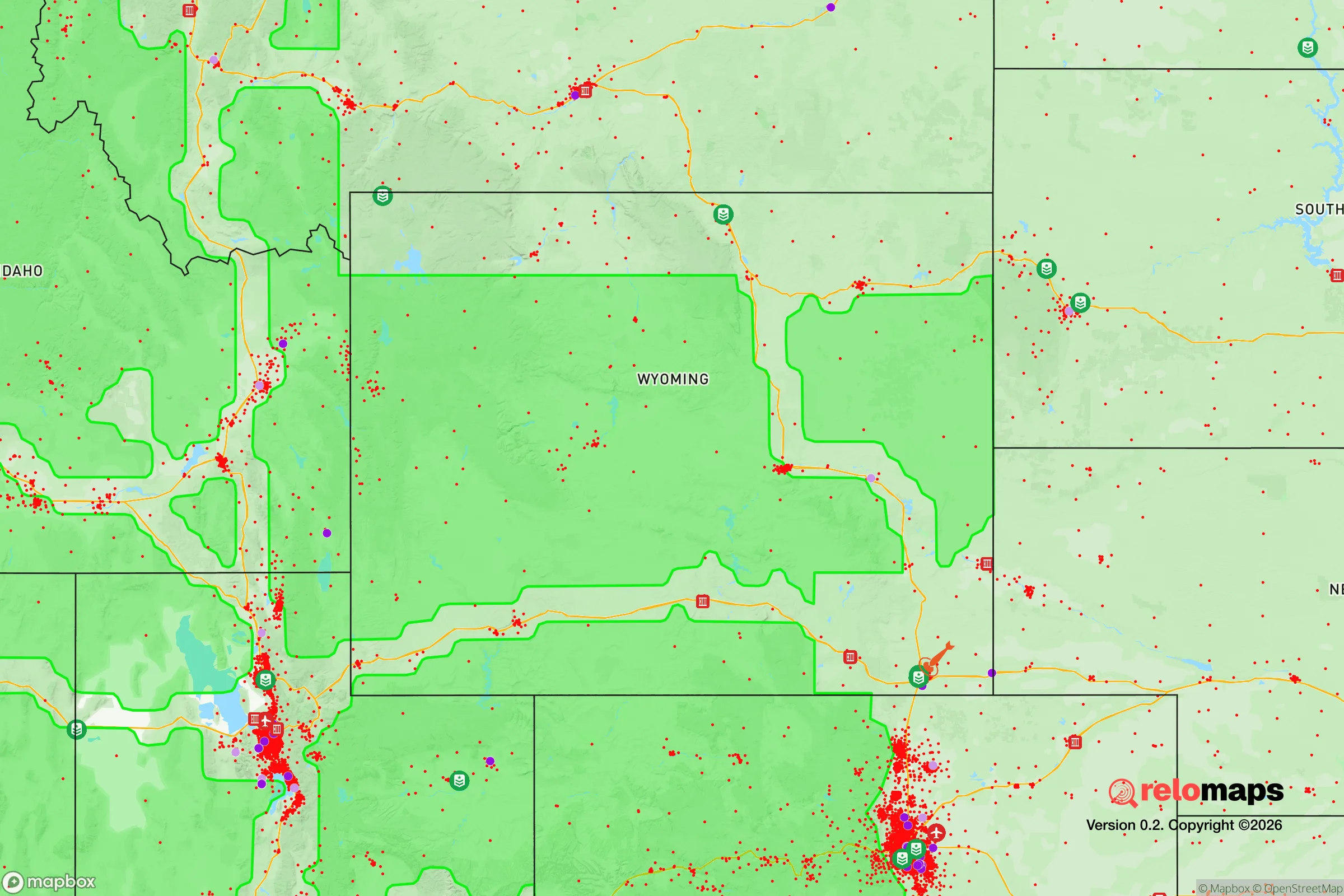
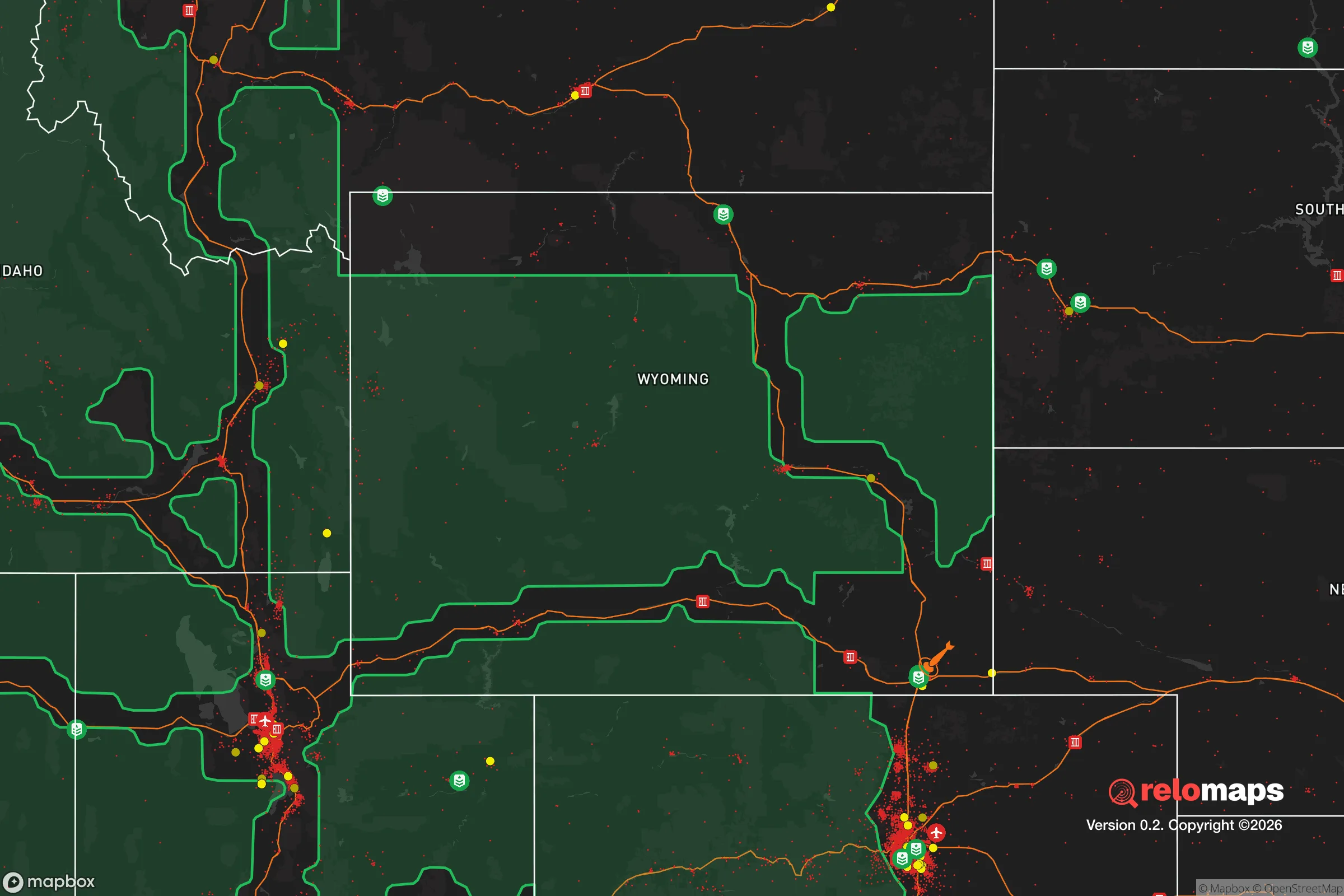


Important Note: For informational purposes only. This does not mean nothing bad ever happens in the green zones. Please use common sense. This is based on public data and modeled with AI. We tried to take a conservative approach but mistakes happen. We update this regularly as new information becomes available.
Solar Generator Recommendations
Backup power matters more here than in safer locations. We've picked three solar generators across budgets and capacity tiers — start with the budget unit if you only need a few essentials, or step up if you want to run a fridge and HVAC for days at a time.

Jackery Portable Power Station Explorer 300
Budget OptionPower on the Go: Weighing only 11 lbs, it's convenient to set up and store with book-sized foldable solar panels

BLUETTI Portable Power Station AC180
Designed for both indoor and outdoor scenarios, AC180 is highly capable as it has a robost capacity and continuous output power.

EF ECOFLOW DELTA Pro Ultra Power Station
Upgraded PickEcoFlow DELTA Pro Ultra is a whole-home energy system designed to grow with your family. Integrated with the Smart Home Panel 2, it scales to meet your evolving energy needs — keeping your home powered, intelligent, and secure through every stage of life.
We earn a commission, at no additional cost to you.
Strategic Assessment Analysis
Wyoming offers a compelling strategic picture for relocators prioritizing resilience and self-sufficiency, largely due to its low population density, high elevation, and distance from major coastal and industrial targets. The state’s small population—roughly 580,000 spread over 97,000 square miles—means fewer people competing for resources in a crisis, while its interior continental position provides natural buffers against both coastal storm surges and the fallout zones of larger metropolitan areas. For a conservative-leaning audience focused on disaster readiness, Wyoming’s combination of geographic isolation, energy independence, and limited exposure to high-risk infrastructure makes it one of the more defensible and sustainable relocation options in the lower 48.
Wyoming’s geographic position and natural advantages for long-term security
Wyoming sits in the heart of the Rocky Mountain region, bordered by Montana, South Dakota, Nebraska, Colorado, Utah, and Idaho. Its average elevation exceeds 6,700 feet, with the Continental Divide running through the state, which naturally limits flood risks and provides clear vantage points for situational awareness. The state is home to several major mountain ranges, including the Wind River Range and the Bighorn Mountains, which offer defensible terrain and abundant wildlife for hunting. Key towns like Lander, Pinedale, and Buffalo sit in valleys with access to high-country retreats, while Casper and Cheyenne serve as regional hubs with infrastructure but remain far smaller and less targeted than Denver or Salt Lake City. The absence of major ports, refineries, or dense urban corridors within the state reduces the likelihood of Wyoming being a primary target in a conflict or economic collapse scenario. The state’s vast public lands—nearly 50% of Wyoming is federally managed—also provide buffer zones and off-grid opportunities that are rare elsewhere in the country.
Risks, exposures, and proximity to fallout-relevant landmarks
While Wyoming is far from the highest-risk zones, it is not without exposure. The state’s most significant strategic vulnerability lies in its energy infrastructure: Wyoming produces about 40% of the nation’s coal and is a major natural gas producer, with large facilities near Gillette in the Powder River Basin and Rock Springs in the southwest. These sites could be secondary targets in a conflict, though their remote locations and low population density reduce collateral risk compared to, say, Houston’s refinery corridor. The Warren Air Force Base near Cheyenne is a notable exception—it houses intercontinental ballistic missile silos and is a high-value military asset. Relocators should consider a minimum 50-mile buffer from Cheyenne and the missile fields that stretch across southeastern Wyoming. Natural risks include severe winter storms, which can isolate communities for days, and occasional wildfires in the drier eastern plains. The state sits in a seismically stable region, with no significant earthquake or tsunami threats. Overall, Wyoming’s risk profile is low compared to coastal states or those near major industrial corridors, but relocators should avoid settling too close to Cheyenne or the Powder River Basin energy hubs.
Practical resilience for a relocator: food, water, energy, and defensibility
Wyoming excels in practical resilience factors. The state is a net energy exporter, with abundant coal, natural gas, wind, and solar resources. Many rural properties already rely on well water and septic systems, reducing dependence on municipal grids. For food security, Wyoming’s short growing season (typically 90–120 days in lower elevations) limits large-scale agriculture, but the state has strong ranching traditions—beef and hay are the primary agricultural outputs. Relocators should plan for greenhouse growing and food storage, as local grocery supply chains can be thin in winter. Water availability varies: the western mountains receive ample snowpack feeding the Green and Snake Rivers, while the eastern plains are drier. Property buyers should verify water rights and well yields before purchasing. Defensibility is a major advantage: the state’s rugged terrain, low population density, and long sightlines make it naturally secure. Communities like Saratoga and Thermopolis offer small-town cohesion with access to hot springs and river valleys, while more remote areas near the Wind River Indian Reservation provide extreme isolation. The state’s gun-friendly culture and strong Second Amendment protections align well with a self-sufficiency mindset, and Wyoming has no state income tax, which supports long-term financial resilience.
The overall strategic picture for Wyoming is one of high security with manageable trade-offs. It offers some of the best natural buffers in the continental U.S., low exposure to primary targets, and strong energy and water independence for those who choose their location carefully. The main drawbacks are harsh winters, limited local food production, and the need to avoid Cheyenne’s military infrastructure. For a relocator serious about disaster readiness and long-term self-sufficiency, Wyoming ranks among the top states in the nation—provided they come prepared for the climate and bring a plan for food security. It is not a place for those seeking convenience, but for those prioritizing resilience, it is hard to beat.

Top 10 Cities by Strategic Assessment in Wyoming
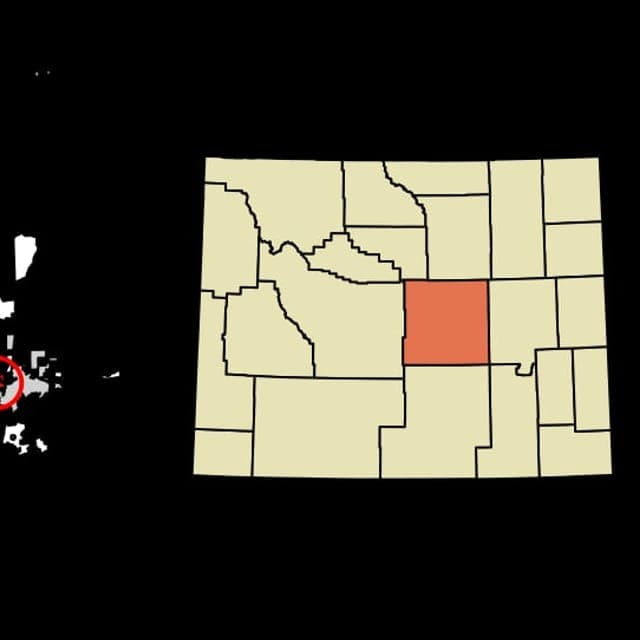
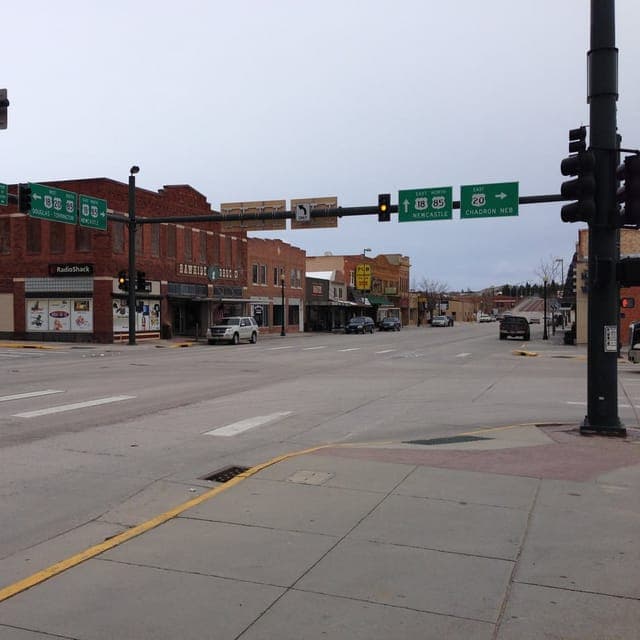
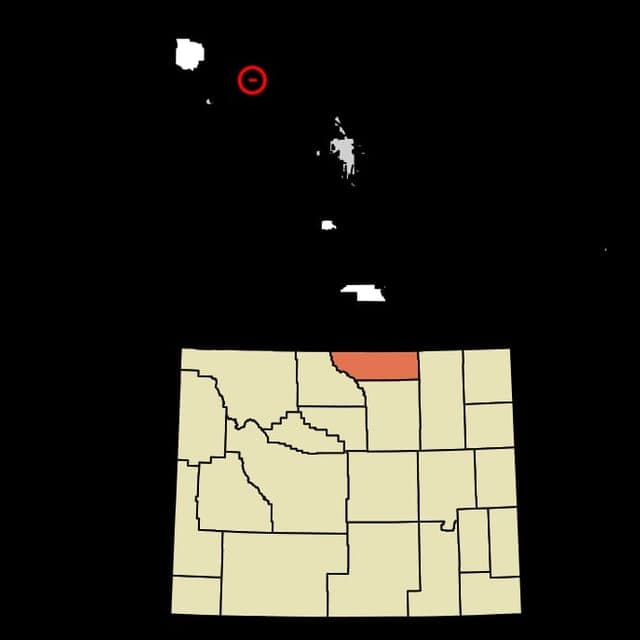
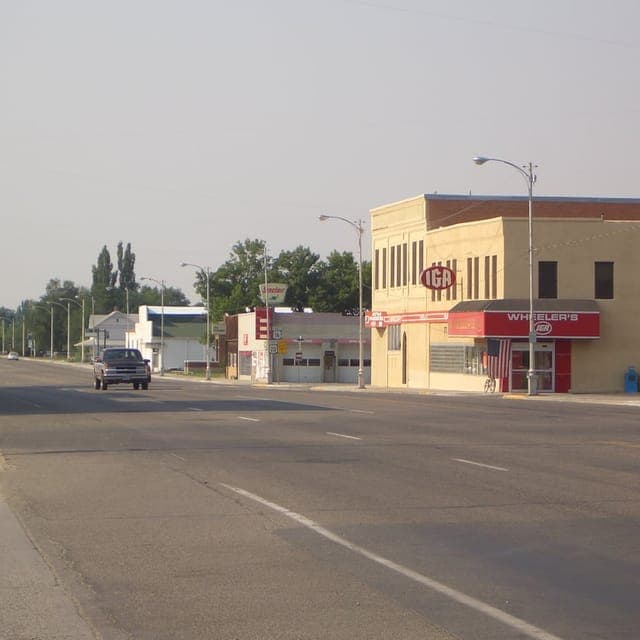
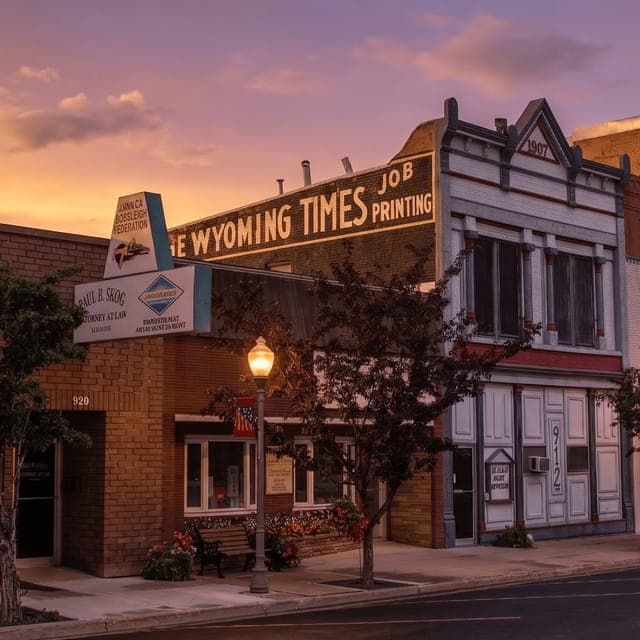
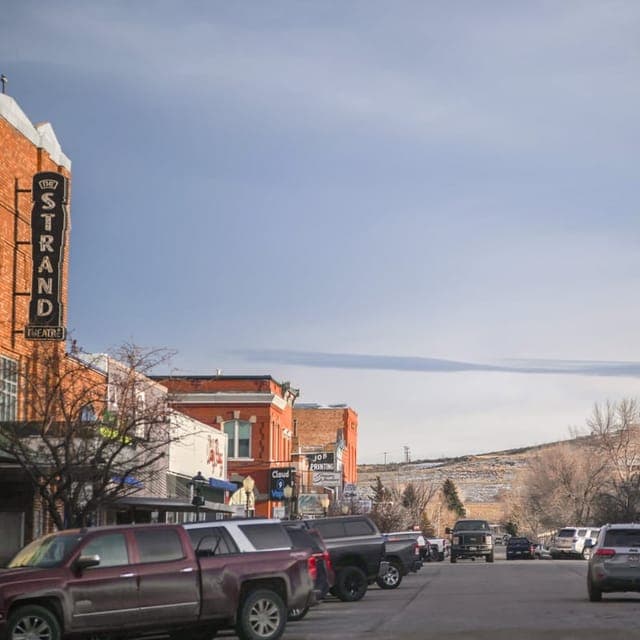
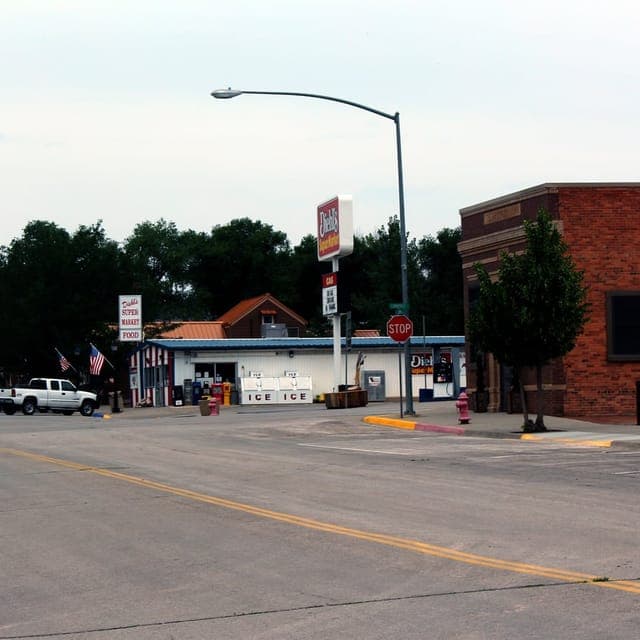
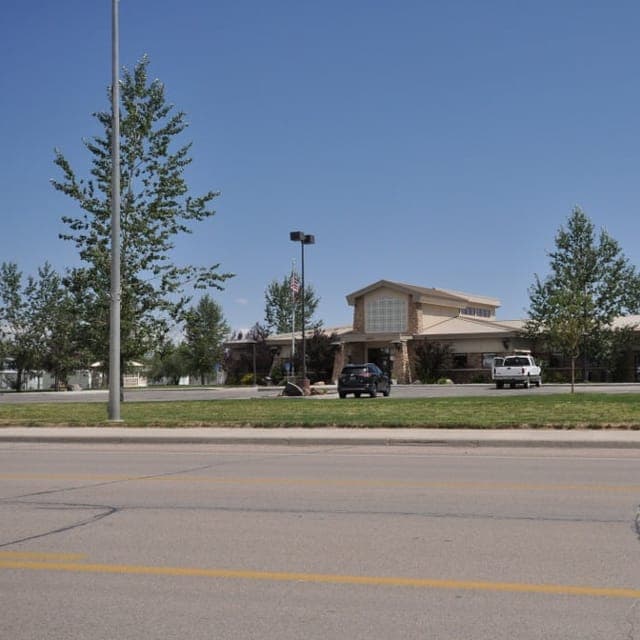
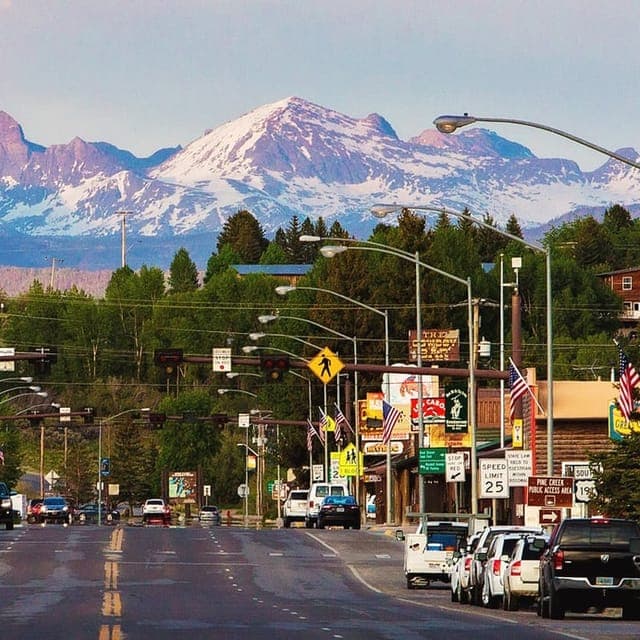
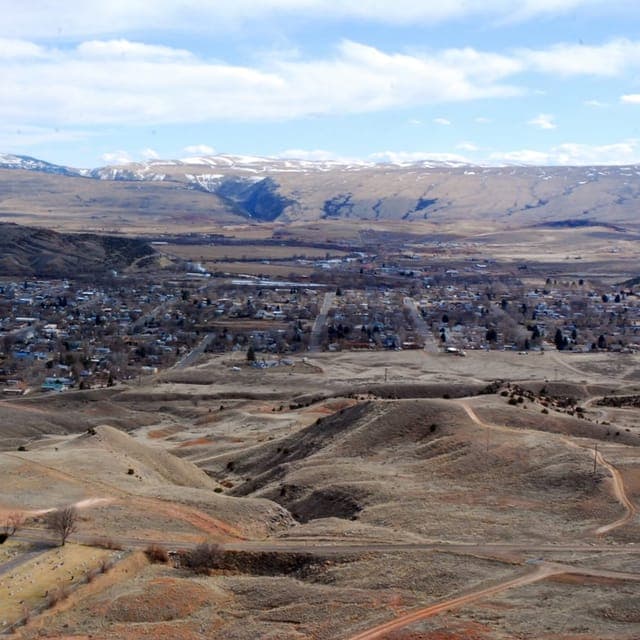
* Values derived from national, state, county, city and local statistics and may differ in a specific area. Last updated: 2026-07-03T22:49:26.000Z
Narrative content on this page is AI-generated and may contain mistakes. Verify any details that matter before acting on them.
ReloMaps may earn a commission from affiliate links at no extra cost to you.

