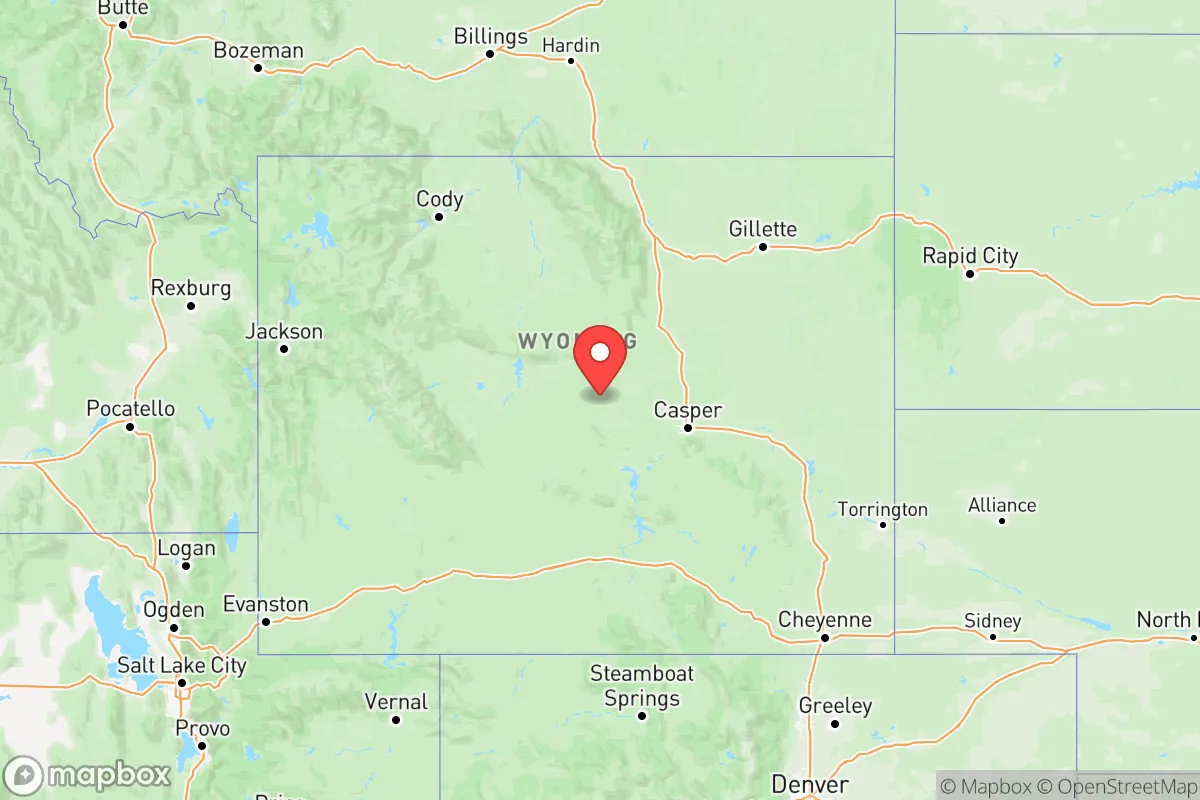
Photo: Wikipedia
Political ClimatePolitical Climate in Wyoming
Political Environment in the State
Wyoming is one of the most reliably Republican states in the nation, with a partisan lean that has only deepened over the past two decades. In the 2024 presidential election, Donald Trump carried the state by roughly 46 points, a margin that has grown from about 39 points in 2016 and 37 points in 2012. The state’s political DNA is shaped by a libertarian-leaning conservatism rooted in energy extraction, ranching, and a deep suspicion of federal land management. While Democrats held the governorship as recently as 2010, the party has since collapsed at the state level, and today every statewide elected office is held by a Republican. The legislature is supermajority Republican, and the state’s lone U.S. House seat has been in GOP hands since 1978.
Urban vs. rural divide
The political map of Wyoming is less about urban-versus-rural tension and more about degrees of rural. The largest city, Cheyenne, is the state capital and leans Republican but is the most competitive ground in the state — Laramie County voted for Trump by about 28 points in 2024, significantly closer than the statewide margin. Casper, the second-largest city, is more conservative, with Natrona County coming in around 40 points for Trump. Laramie, home to the University of Wyoming, is the only notable blue dot; Albany County voted for Joe Biden in 2020 and Kamala Harris in 2024, making it the sole county to go Democratic in a presidential race since 2008. Jackson, in Teton County, is a wealthy resort town that also votes Democratic, but its population is too small to shift the statewide balance. The rest of the state — places like Gillette, Rock Springs, Riverton, and Sheridan — votes overwhelmingly Republican, often by 50 to 60 points. The divide is less about ideology and more about the presence of government workers and university faculty in Cheyenne and Laramie versus the energy and agriculture economies elsewhere.
Policy environment
Wyoming’s policy environment is defined by low taxation, minimal regulation, and a hands-off approach to personal liberties that appeals to both conservative and libertarian sensibilities. There is no state income tax, and the sales tax is a low 4%, though local options can push it to around 6%. Property taxes are among the lowest in the nation, with no tax on intangible property and a generous residential exemption. The state’s regulatory posture is business-friendly, particularly for energy extraction, agriculture, and mining. Education policy is locally controlled, with school choice limited to charter schools and homeschooling — there is no private school voucher program as of 2026, though legislation has been introduced. Healthcare policy is conservative: Wyoming did not expand Medicaid under the Affordable Care Act until 2021, and the state has some of the most restrictive abortion laws in the country, with a near-total ban in effect since 2022. Election laws are straightforward: voter ID is required, same-day registration is not available, and mail-in voting is allowed but not widespread. The state has no ballot initiative process, meaning all policy changes go through the legislature.
Recent policy direction
Wyoming’s recent legislative sessions have pushed the state further into culturally conservative and libertarian territory. In 2023, the legislature passed a near-total abortion ban with exceptions only for rape, incest, and life of the mother, and in 2024 it added a trigger mechanism to ban abortion pills. Gun laws are among the most permissive in the country: permitless carry has been legal since 2021, and the state has a strong preemption law that prevents local governments from enacting their own restrictions. In 2024, the legislature passed a Second Amendment Preservation Act that purports to nullify federal gun laws, though its enforceability is untested. On education, Wyoming passed a Parents’ Bill of Rights in 2023, requiring schools to notify parents about curriculum changes and allowing them to opt their children out of certain materials. The state has also banned transgender girls from participating in girls’ sports and restricted gender-affirming care for minors. On property rights, Wyoming has strong eminent domain protections and a right-to-farm law that shields agricultural operations from nuisance lawsuits. The state has no statewide privacy or surveillance law, though a 2024 bill to limit warrantless drone surveillance failed. Voting access remains stable: no major changes to election laws have passed since 2020, though a 2024 bill to ban ballot drop boxes was introduced but did not pass.
Civil unrest & political movements
Wyoming is not a hotbed of civil unrest, but it has a visible and active libertarian and constitutionalist movement. The state was an early adopter of the "county supremacy" movement, with several counties passing resolutions asserting local authority over federal land management. In 2022, the Wyoming Freedom Caucus formed in the legislature and has since pushed for more aggressive nullification-style bills, including the Second Amendment Preservation Act and a proposed repeal of the state’s Medicaid expansion. Protests are rare and small, typically centered on federal land policies — the 2016 occupation of the Malheur National Wildlife Refuge in neighboring Oregon drew sympathy but not participation from Wyoming residents. Immigration politics are not a major flashpoint, as the state has a very small foreign-born population (around 3%), and there are no sanctuary cities. Election integrity controversies have been minimal; the state uses paper ballots and has not adopted the kind of voting machines that drew scrutiny elsewhere. The most visible political flashpoint in recent years has been the debate over wind energy development, with some ranchers and conservationists opposing large-scale wind farms on private and state land, creating an unusual coalition of left and right against the projects.
Projection
Over the next five to ten years, Wyoming is likely to remain deeply Republican, but the nature of that conservatism may shift. In-migration from blue states, particularly to Teton County and the I-25 corridor from Cheyenne to Casper, is bringing a small but growing number of moderate and liberal residents. However, the overall population is aging and shrinking in rural areas, which tends to reinforce the existing political structure. The energy transition away from coal is the biggest wild card: as coal production declines in the Powder River Basin, the economic base of places like Gillette and Wright will erode, potentially driving out younger workers and deepening the state’s demographic challenges. The legislature is likely to continue pushing culturally conservative bills on education, gender, and guns, while also grappling with budget shortfalls as mineral revenues decline. A move toward diversifying the economy — tourism, tech, and remote work — could slowly shift the political center of gravity, but that change will be measured in decades, not election cycles. For now, the state’s political trajectory is one of consolidation: the GOP is becoming more uniformly conservative, and the Democratic Party is functionally irrelevant outside of Laramie and Jackson.
For a new resident, the practical takeaway is straightforward: Wyoming offers a low-tax, low-regulation environment with a strong emphasis on individual liberty and local control, but that comes with trade-offs. Public services are limited, healthcare access is sparse outside of Cheyenne and Casper, and the state’s political culture is overwhelmingly conservative. If you align with that worldview, you’ll find a welcoming community and a government that mostly stays out of your way. If you don’t, you’ll be in a small minority, and your ability to influence policy will be minimal. The state is stable, safe, and predictable — but it is not politically diverse, and it is not trending toward becoming so.

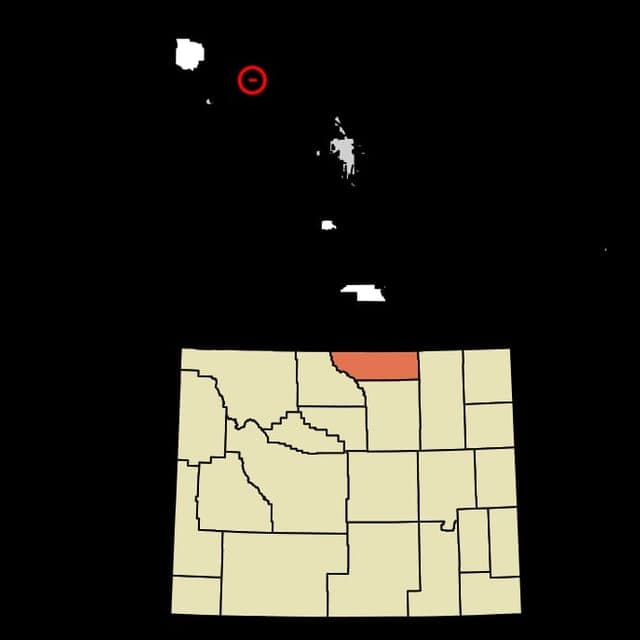
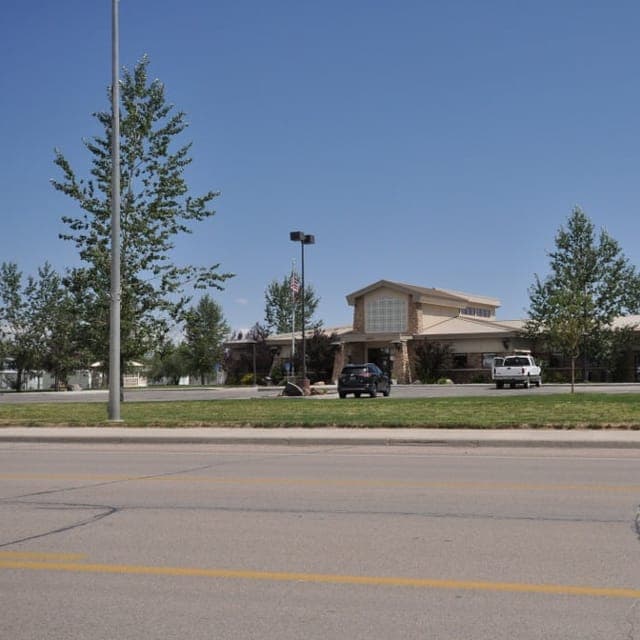
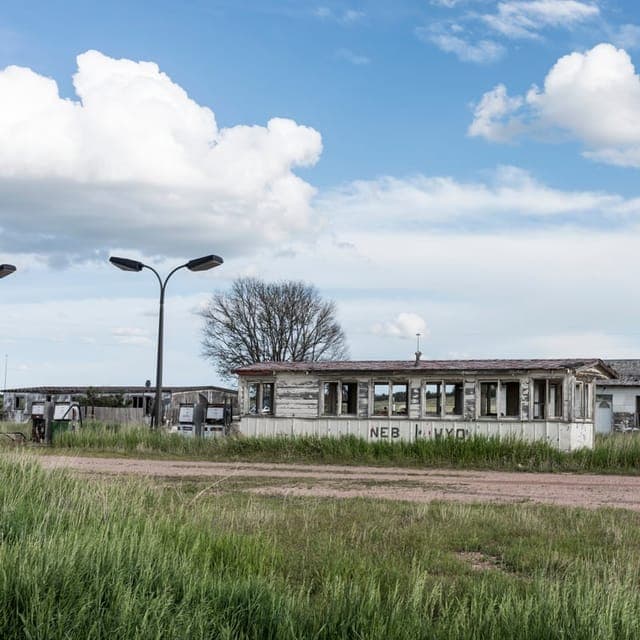
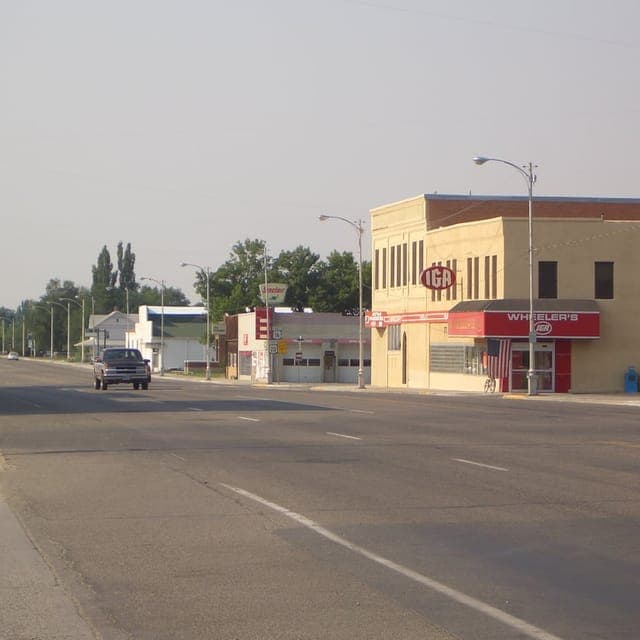
Most Conservative Cities in Wyoming
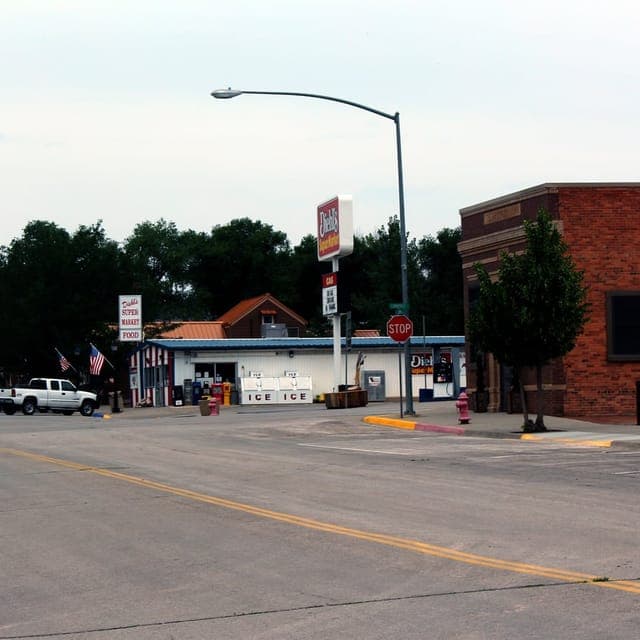
Most Liberal Cities in Wyoming
* Values derived from national, state, county, city and local statistics and may differ in a specific area. Last updated: 2026-07-03T22:49:26.000Z
Narrative content on this page is AI-generated and may contain mistakes. Verify any details that matter before acting on them.
ReloMaps may earn a commission from affiliate links at no extra cost to you.

