Photo: Wikipedia
Personal Sovereignty in Wyoming
Viable for self-reliance. Generally workable, though some barriers may limit total independence.
What does Personal Sovereignty tell us?
Personal Sovereignty measures your capacity for self-reliance and independence with minimal government friction. Higher scores mean fewer barriers between you and the way you want to live... but it assumes you have the space you need and good neighbors.
What does this tell us?
Personal Sovereignty measures your capacity for self-reliance and independence with minimal government friction. Higher scores mean fewer barriers between you and the way you want to live... but it assumes you have the space you need and good neighbors.
State Policy
Energy independence: Net exporter (800% of energy produced in-state)
Personal Liberty
Homesteading

Personal Liberty Analysis
Wyoming offers one of the strongest personal sovereignty environments in the United States, built on a constitutional foundation that prioritizes individual autonomy, minimal government interference, and a deep cultural commitment to self-reliance. The state’s ethos is reflected in its low population density, limited regulatory footprint, and legal frameworks that consistently defer to personal choice over state mandate. For individuals and families who value independence—whether in financial decisions, self-defense, land use, or medical and parental rights—Wyoming presents a distinctly light-touch governance model that contrasts sharply with more heavily regulated states. This analysis examines the specific pillars of that sovereignty, from tax policy and gun laws to homesteading feasibility and personal liberties, with attention to how these factors vary across communities like Jackson, Laramie, Cody, Gillette, and Cheyenne.
Tax burden and regulatory posture: how Wyoming keeps government off your back
Wyoming’s tax structure is among the most favorable in the nation for those seeking to maximize personal financial sovereignty. The state imposes no personal income tax and no corporate income tax, a feature that directly supports individual wealth retention and business autonomy. Property taxes are relatively low, with an effective rate around 0.6% of assessed value, though they vary by county—Teton County (home to Jackson) has higher rates due to premium real estate values, while rural counties like Sublette or Carbon offer significantly lower burdens. Sales tax is capped at a moderate 4% state rate, with local options pushing it to 6% in some municipalities like Cheyenne and Laramie. The regulatory posture is equally restrained: Wyoming has no state-level occupational licensing for many trades, minimal environmental permitting for small-scale land use, and a right-to-work law that limits union influence. The state’s limited government philosophy is codified in its constitution, which requires a supermajority for tax increases and prohibits state debt. For a relocation-minded individual, this means less bureaucratic friction in daily life—fewer forms, lower costs, and more control over personal finances.
Self-defense and gun law specifics: constitutional carry and stand your ground
Wyoming is a premier destination for those prioritizing the right to self-defense. The state enacted constitutional carry in 2011, allowing any law-abiding resident or non-resident aged 21 or older to carry a concealed firearm without a permit. Open carry is also legal without a license. Wyoming’s self-defense laws are among the strongest in the nation, featuring a stand your ground statute that removes any duty to retreat before using deadly force when lawfully present. The state preempts local firearm ordinances, meaning cities like Laramie, Cheyenne, and Gillette cannot enact stricter gun laws than the state—a critical protection for consistency across jurisdictions. Background checks are only required for dealer sales, not private transfers. Magazine capacity restrictions, assault weapon bans, and waiting periods are nonexistent. For families, this legal environment provides certainty: the right to keep and bear arms is treated as a fundamental, uninfringeable liberty. The cultural attitude in towns like Cody and Buffalo is particularly gun-friendly, with strong hunting traditions and minimal social stigma around firearm ownership.
Self-reliance and homesteading viability: lot sizes, zoning, and off-grid feasibility
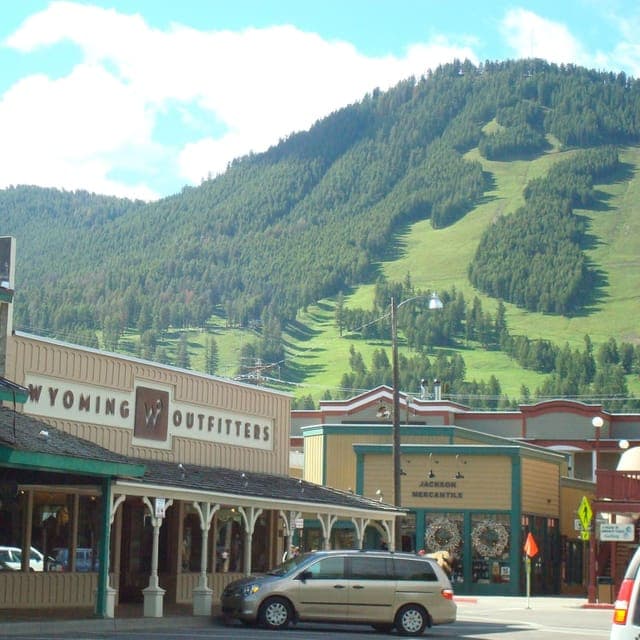
Wyoming’s land-use policies strongly support self-reliant living, especially outside its few urban centers. Most of the state is zoned with minimal restrictions, and many counties—including Park County (Cody), Johnson County (Buffalo), and Carbon County (Rawlins)—allow for unincorporated rural parcels where building codes are voluntary or nonexistent. Minimum lot sizes for rural residential use are typically 1 to 5 acres, but larger tracts of 20 to 40 acres are common and affordable, with prices ranging from $1,000 to $5,000 per acre depending on proximity to services. Off-grid living is legally feasible: Wyoming has no state-level prohibition on rainwater collection, and solar and wind energy systems are widely permitted without burdensome permitting. Septic systems require county health department approval, but the process is straightforward compared to states with centralized sewer mandates. In towns like Lander and Pinedale, the culture of self-sufficiency is strong, with local businesses catering to off-grid infrastructure. However, in Jackson (Teton County), strict zoning and high land prices make homesteading impractical—this is the exception, not the rule. For those seeking to build a self-reliant lifestyle with minimal government oversight, Wyoming’s rural counties offer some of the best conditions in the lower 48.
Personal liberties: parental rights, medical autonomy, speech, and property
Wyoming’s legal framework consistently prioritizes individual liberty across several domains. Parental rights are strongly protected: the state has no universal vaccine mandate for schoolchildren, and parents retain broad authority over medical decisions, education choices (including homeschooling with minimal reporting requirements), and religious upbringing. Medical autonomy is similarly robust—Wyoming has no state-level mask or vaccine mandates, and the legislature has passed laws prohibiting discrimination against those who decline vaccination. The state also protects medical freedom through a 2022 law that bars professional licensing boards from revoking licenses for off-label prescribing or alternative treatments, provided informed consent is obtained. Free speech is constitutionally protected, and Wyoming has no hate speech laws or social media censorship mandates. Property rights are reinforced by a strong eminent domain statute that limits takings to public use (not economic development) and requires just compensation. In practice, this means fewer zoning disputes, less regulatory taking, and greater certainty for landowners. The cultural climate in communities like Wheatland and Thermopolis reflects these values—neighbors expect non-interference and respect for personal choices, creating a social environment that aligns with the legal one.
Overall, Wyoming ranks among the top states for personal sovereignty, offering a combination of low taxes, minimal regulation, strong self-defense laws, and broad personal liberties that is rare in the modern United States. The state’s legal and cultural infrastructure consistently defers to individual judgment over government mandate, making it a compelling choice for those who prioritize autonomy. While urban enclaves like Jackson present exceptions due to high costs and stricter local rules, the vast majority of Wyoming—from the ranchlands of Sheridan to the high plains of Rawlins—embodies a governance model that trusts citizens to govern themselves. For families and individuals seeking a place where freedom is not just a slogan but a lived reality, Wyoming delivers a sovereignty environment that few other states can match.

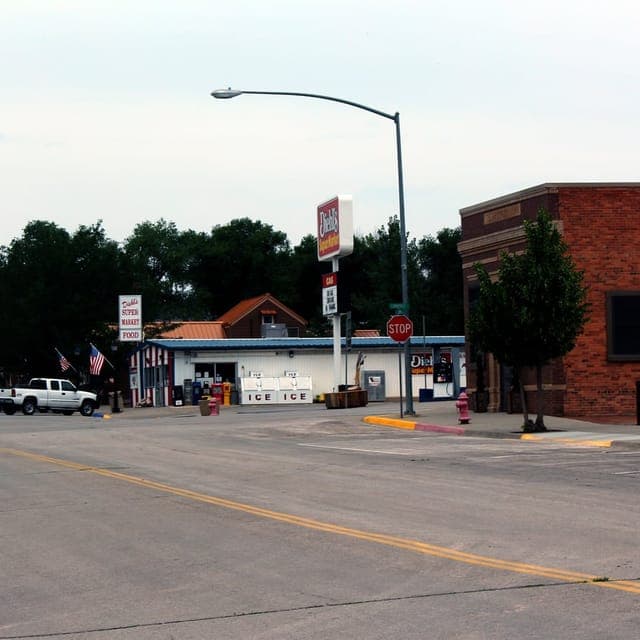
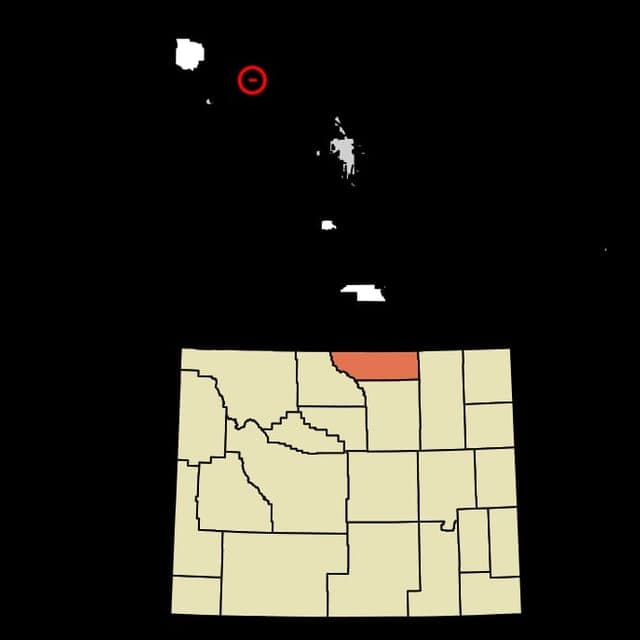
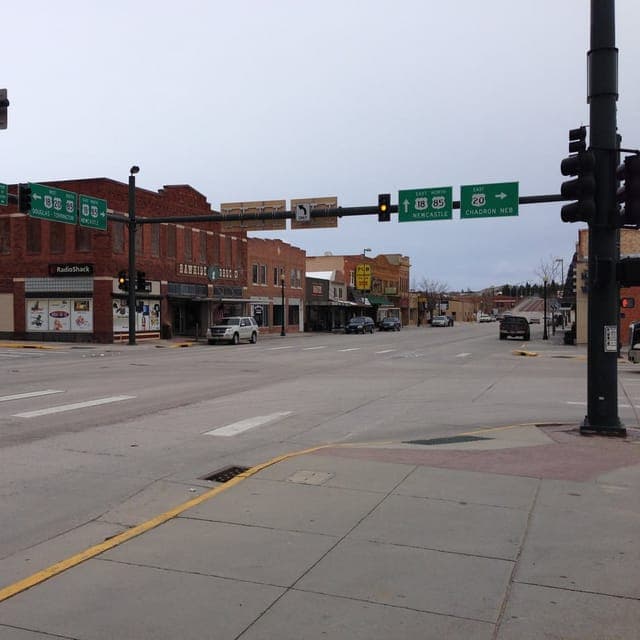
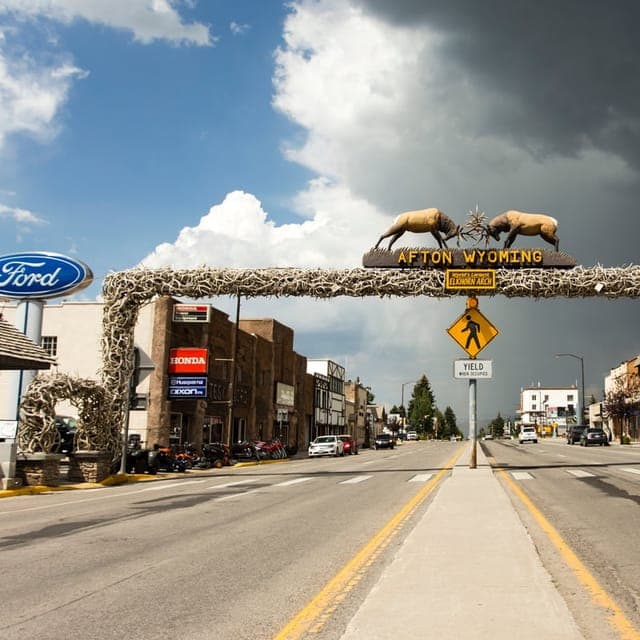
Top Cities for Personal Sovereignty in Wyoming

* Values derived from national, state, county, city and local statistics and may differ in a specific area. Last updated: 2026-07-03T22:49:26.000Z
Narrative content on this page is AI-generated and may contain mistakes. Verify any details that matter before acting on them.
ReloMaps may earn a commission from affiliate links at no extra cost to you.

