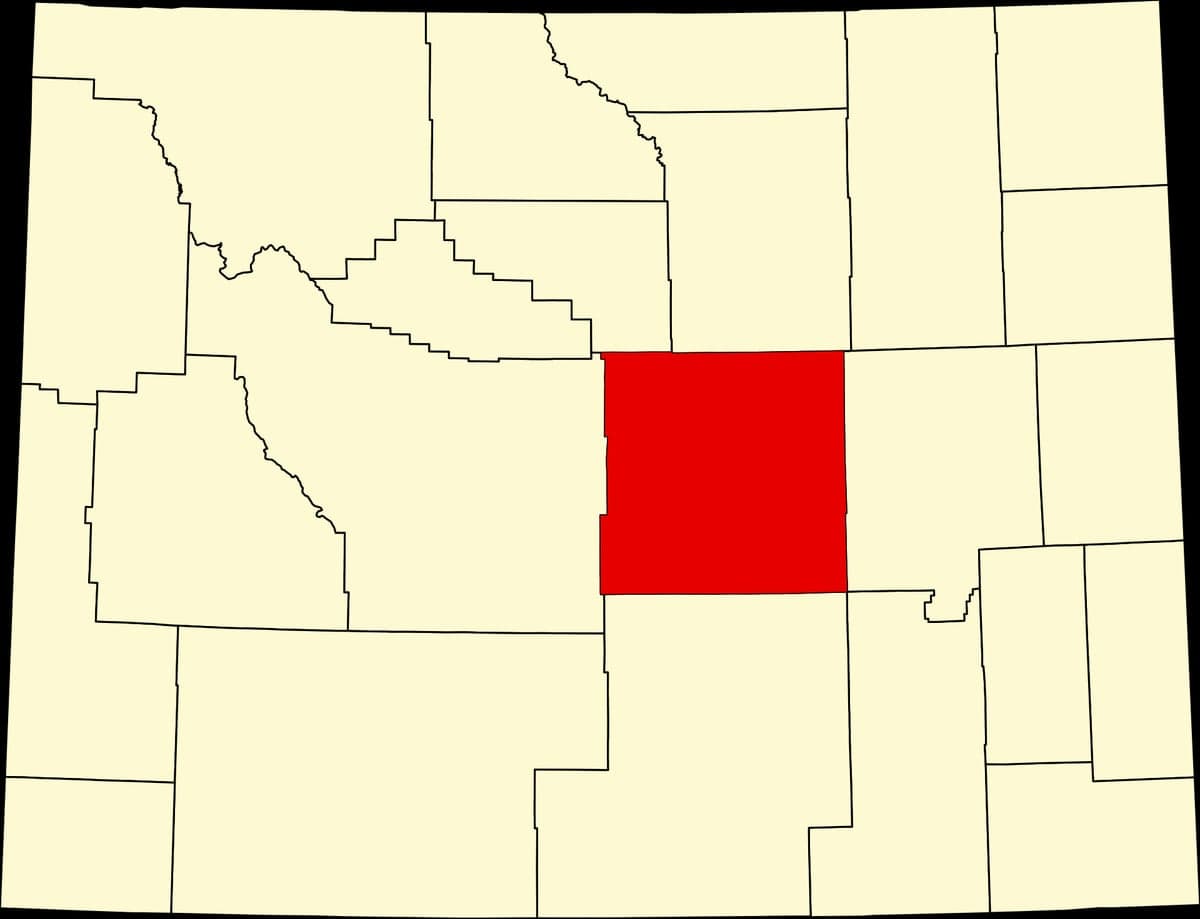
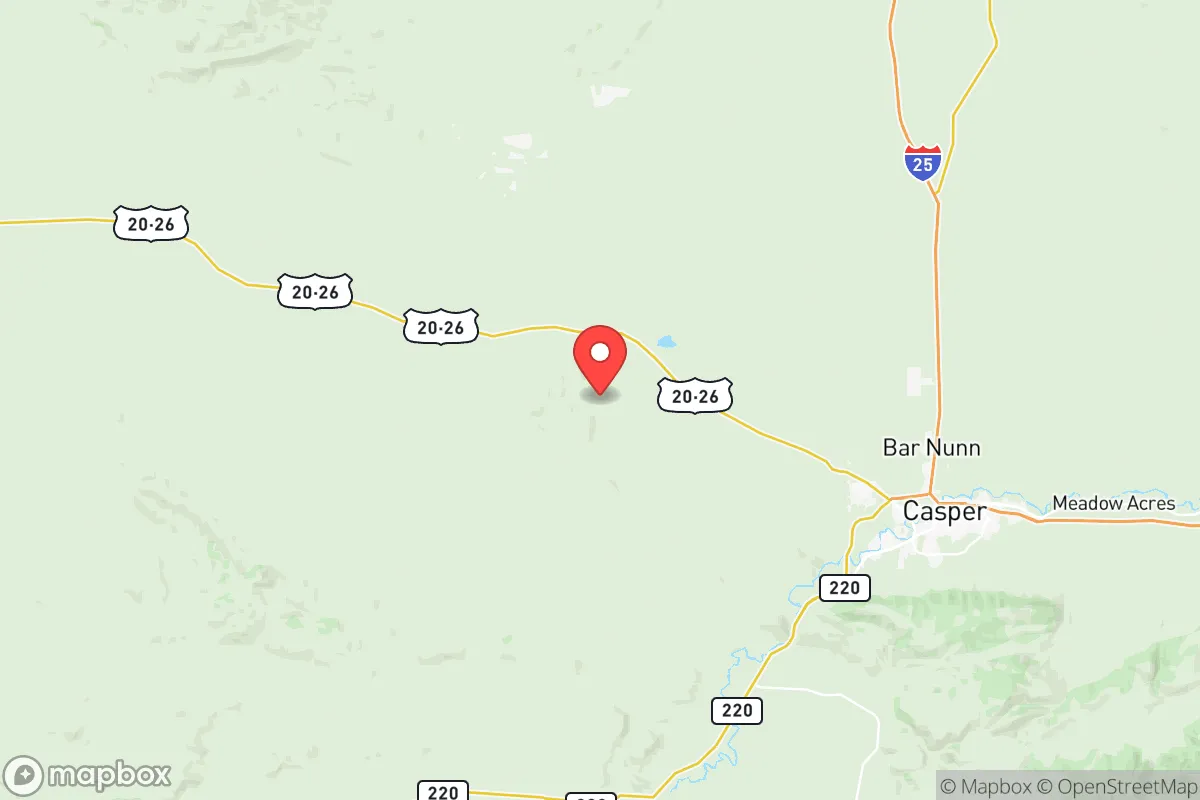
Photo: Wikipedia
Quality of Life in Natrona County
A livable area that tracks near national norms for affordability, walkability, and neighborhood health.
What does Quality of Life tell us?
Quality of Life measures an area by evaluating factors like cost of living, nearby amenities, country club access, airport proximity, socioeconomic signals and neighborhood character. For large states, this is a general average — quality of life can vary dramatically between metro areas, suburbs, and rural communities within the same state.
What does this tell us?
Quality of Life measures an area by evaluating factors like cost of living, nearby amenities, country club access, airport proximity, socioeconomic signals and neighborhood character. For large states, this is a general average — quality of life can vary dramatically between metro areas, suburbs, and rural communities within the same state.
Cost of Living
13% below national average
96%
The Real Cost of Living in Natrona County for 2026
| Tier | Individual | Family (4) |
|---|---|---|
| Survival | $16k | $29k |
| Comfortable | $51k | $74k |
| Luxury | $127k+ | $198k+ |
| Elite (Top 5%) | $150k+ | $232k+ |
Quality-of-Life Analysis
Natrona County, Wyoming, offers a spectrum of living experiences that range from the urban amenities of its largest city to the quiet solitude of unincorporated ranchland, all within a 30-minute drive. The county’s character is defined by this contrast: Casper provides jobs, healthcare, and entertainment, while smaller communities like Mills, Evansville, and Bar Nunn offer more affordable, quieter alternatives, and the vast rural stretches toward Alcova and Independence Rock appeal to those seeking land, privacy, and a direct connection to the high plains. People are drawn to different parts of the county based on whether they prioritize walkable convenience, suburban space, or complete seclusion.
Largest town(s) & population centers
Casper is the undisputed economic and cultural hub of Natrona County, home to roughly 60,000 residents and the majority of the county’s jobs, retail, and healthcare infrastructure. Daily life here centers around the energy sector (oil, gas, and increasingly wind and uranium), with major employers like the Wyoming Medical Center, Casper College, and the local school district providing stability. The city offers a full range of amenities: a regional airport, the Nicolaysen Art Museum, the Ford Wyoming Center for events, and the Platte River Trails system for outdoor recreation. Housing is the most expensive in the county, with median home values near the county average of $260,400, but still well below national norms. Commute times average 18.5 minutes, reflecting the city’s manageable size and lack of gridlock. Casper is best suited for professionals, families needing schools and services, and anyone who wants a small city with a working-class, Western identity.
Smaller towns & rural pockets
Surrounding Casper are several incorporated towns that offer a more suburban or small-town feel at a lower cost. Mills (pop. ~3,500), directly west of Casper along the North Platte River, has a median home value roughly 15% below the county average and a strong sense of local identity, with its own school district and riverfront parks. Evansville (pop. ~2,500), just east of Casper, is a bedroom community where many residents work in the city but enjoy lower property taxes and larger lots. Bar Nunn (pop. ~2,200) sits north of Casper and is known for its newer subdivisions and easy access to Highway 220 toward the mountains. For those seeking true rural living, the unincorporated areas around Alcova (a census-designated place on the Alcova Reservoir) and Independence Rock offer homes on 5- to 40-acre parcels, often with no municipal services and a strong off-grid ethos. These areas attract ranchers, retirees, and remote workers who value space over convenience.
Cost & lifestyle range
The county’s overall cost of living index of 87 (100 = U.S. average) masks significant internal variation. At the low end, Evansville and Mills offer median rents near the county average of $973, with some older mobile home parks and fixer-upper houses available for under $200,000. At the high end, Casper’s west side and the Paradise Valley area feature newer homes on larger lots, with prices often exceeding $350,000. The lifestyle spread is equally wide: Casper residents have walkable downtown dining, a Costco, and a hospital; those in Alcova drive 30 minutes for groceries and rely on well water and septic systems. The average commute of 18.5 minutes is a countywide figure, but rural residents often face 25–40 minute drives to Casper for work or shopping, while those living in Mills or Evansville typically commute under 10 minutes.
Natrona County is best suited for people who want Wyoming’s low taxes, outdoor access, and small-city convenience without the isolation of truly remote counties. Families and professionals thrive in Casper’s stable job market and school system; retirees and remote workers find value and quiet in Mills or Alcova; and those with a tolerance for long drives and self-sufficiency can carve out a life on the open plains near Independence Rock. The county’s key strength is that it offers all these options within a single, cohesive region where a 20-minute drive can change your entire lifestyle.

Crime in Natrona County
Generally safer than 71% of comparable U.S. locations.
Violent CrimeViolent Crime Analysis
Property CrimeProperty Crime Analysis
Crime Analysis
Natrona County, anchored by the city of Casper, presents a mixed safety picture that is heavily shaped by its status as a regional economic hub in central Wyoming. The county’s overall violent crime rate of 171.9 incidents per 100,000 residents is notably lower than the national average, but its property crime rate of 1,012.8 per 100,000 exceeds both state and national benchmarks, making property-related offenses the primary concern for most residents. Understanding where these crimes cluster and how local law enforcement and the judicial system respond is essential for anyone considering a move to the area.
Crime in context
When compared to statewide figures, Natrona County’s violent crime rate is roughly on par with Wyoming’s average, but the property crime rate is significantly elevated. For context, the national property crime rate hovers around 1,950 per 100,000, meaning Natrona County’s figure is about half the national average — but it is still roughly 30% higher than the Wyoming state average. This disparity is largely driven by incidents in Casper, the county’s largest city and economic center. Smaller communities like Mills and Evansville, which are adjacent to Casper, also report elevated property crime rates, often tied to vehicle break-ins and theft from construction sites. In contrast, the more rural towns of Midwest and Edgerton, located in the county’s northern oil fields, see far fewer incidents, though their small populations can make per-capita rates volatile. The Natrona County District Attorney’s office, which prosecutes all felony cases in the county, has historically taken a tough stance on property crimes, but critics note that progressive-leaning judicial policies in recent years have led to more plea deals and reduced sentences for repeat offenders, a trend that concerns many residents who feel it undermines public safety.
What residents experience
For daily life, the most tangible safety issue is property crime. Residents in Casper’s central neighborhoods, particularly around the Old Yellowstone District and the University of Wyoming at Casper area, report frequent vehicle break-ins and package thefts. The Casper Police Department has responded with targeted patrols and a public awareness campaign, but the sheer volume of calls — often over 100 property crime reports per week — stretches resources. Violent crime, while less common, is not absent. The county’s violent crime rate of 171.9 per 100,000 translates to roughly 130-140 reported incidents per year, with the majority being aggravated assaults rather than homicides or robberies. These incidents are heavily concentrated in Casper’s North Casper neighborhood and parts of Mills, where socioeconomic challenges and drug-related activity intersect. The Natrona County Sheriff’s Office handles the unincorporated areas, and deputies report that rural property crimes — such as theft of livestock equipment or ATVs — are a persistent issue, though response times are longer due to the county’s vast geography.
Neighborhood-level variation is significant. The safest areas in Natrona County are generally the newer subdivisions on Casper’s east side, such as Paradise Valley and the Hat Six area, where home values are higher and community watch programs are active. The town of Bar Nunn, just north of Casper, has also seen a drop in property crime after the installation of a neighborhood camera network. Conversely, the older, denser neighborhoods near downtown Casper and the industrial corridors along the North Platte River tend to have higher crime rates. For prospective residents, the key takeaway is that Natrona County offers a safe environment overall, but vigilance against property crime is necessary, especially in Casper and its immediate suburbs. The county’s judicial approach, which some argue has become too lenient under progressive influence, remains a point of debate among locals who prioritize stricter enforcement and longer sentences for repeat offenders.
* Values derived from national, state, county, city and local statistics and may differ in a specific area. Last updated: 2026-07-03T04:26:35.000Z
Narrative content on this page is AI-generated and may contain mistakes. Verify any details that matter before acting on them.
ReloMaps may earn a commission from affiliate links at no extra cost to you.

