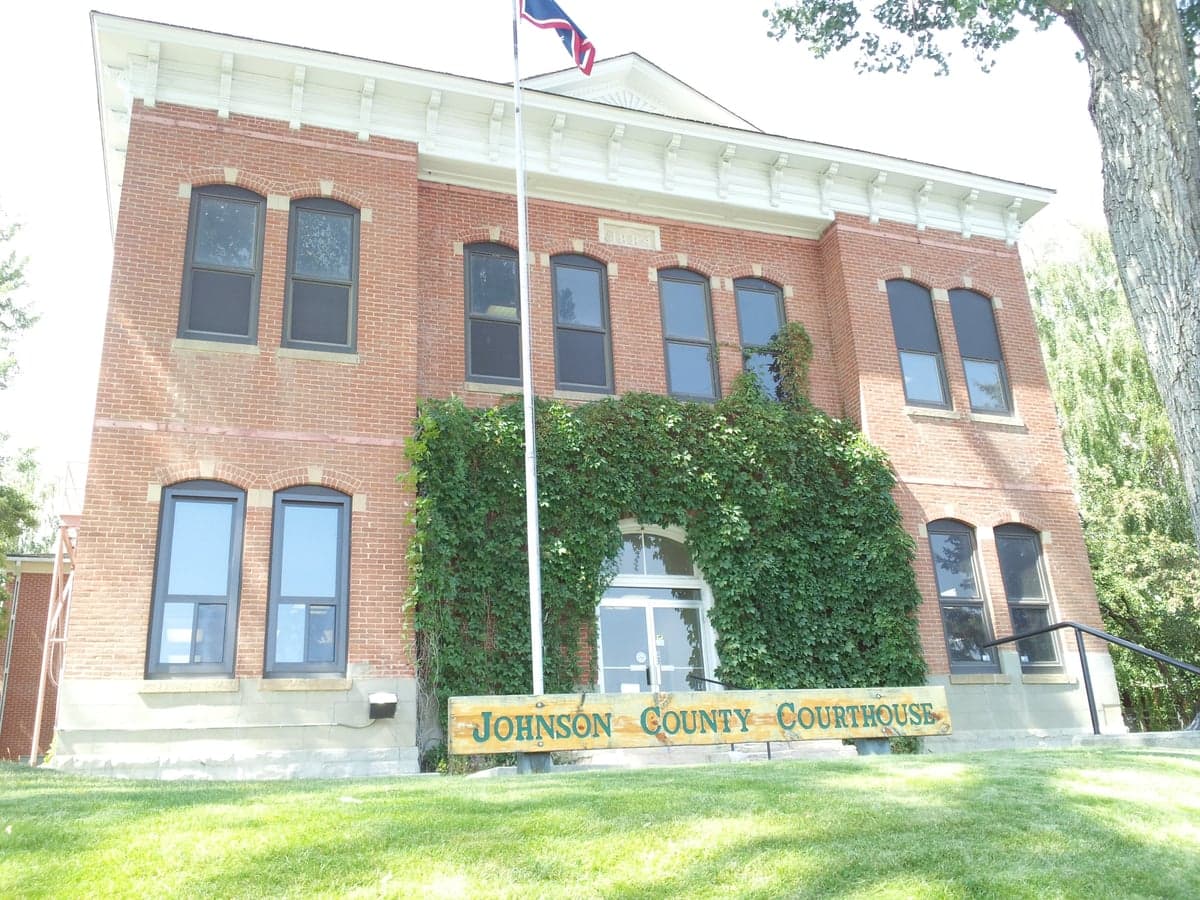
Photo: Wikipedia
Quality of Life in Johnson County
A livable area that tracks near national norms for affordability, walkability, and neighborhood health.
What does Quality of Life tell us?
Quality of Life measures an area by evaluating factors like cost of living, nearby amenities, country club access, airport proximity, socioeconomic signals and neighborhood character. For large states, this is a general average — quality of life can vary dramatically between metro areas, suburbs, and rural communities within the same state.
What does this tell us?
Quality of Life measures an area by evaluating factors like cost of living, nearby amenities, country club access, airport proximity, socioeconomic signals and neighborhood character. For large states, this is a general average — quality of life can vary dramatically between metro areas, suburbs, and rural communities within the same state.
Cost of Living
2% below national average
76%
The Real Cost of Living in Johnson County for 2026
| Tier | Individual | Family (4) |
|---|---|---|
| Survival | $17k | $32k |
| Comfortable | $58k | $85k |
| Luxury | $113k+ | $175k+ |
| Elite (Top 5%) | $133k+ | $206k+ |
Quality-of-Life Analysis
Johnson County, Wyoming, offers a spectrum of quality-of-life options that range from the historic, amenity-rich hub of Buffalo to the remote, high-plains solitude of Kaycee and the unincorporated expanses of the Powder River Basin. The county’s character is defined by its position at the eastern slope of the Bighorn Mountains, drawing outdoor enthusiasts, ranchers, and those seeking a slower pace. The largest town, Buffalo, provides a full-service community with a walkable downtown, while smaller communities and vast rural tracts cater to those prioritizing privacy, land ownership, and a deep connection to the working landscape. With a cost of living index of 98 (just below the national average) and a median home value of $296,000, the county presents a more affordable entry point to the Rocky Mountain region than many of its neighbors.
Largest town(s) & population centers
Buffalo is the county seat and the undisputed population center, home to roughly 4,600 of the county’s 8,800 residents. Daily life here revolves around a compact, historic downtown anchored by the Occidental Hotel and a mix of local restaurants, breweries, and boutique shops. The town serves as a service hub for the surrounding ranching and energy industries, with grocery stores, a hospital, and a community college campus. Commute times are notably short, averaging just over 16 minutes, which is a fraction of the national average. Residents enjoy immediate access to the Bighorn National Forest for hiking, fishing, and hunting, while the nearby Buffalo Golf Club offers a semi-private course. The town’s schools, part of Johnson County School District #1, are a draw for families, with a strong sense of community and smaller class sizes than in larger Wyoming cities.
Smaller towns & rural pockets
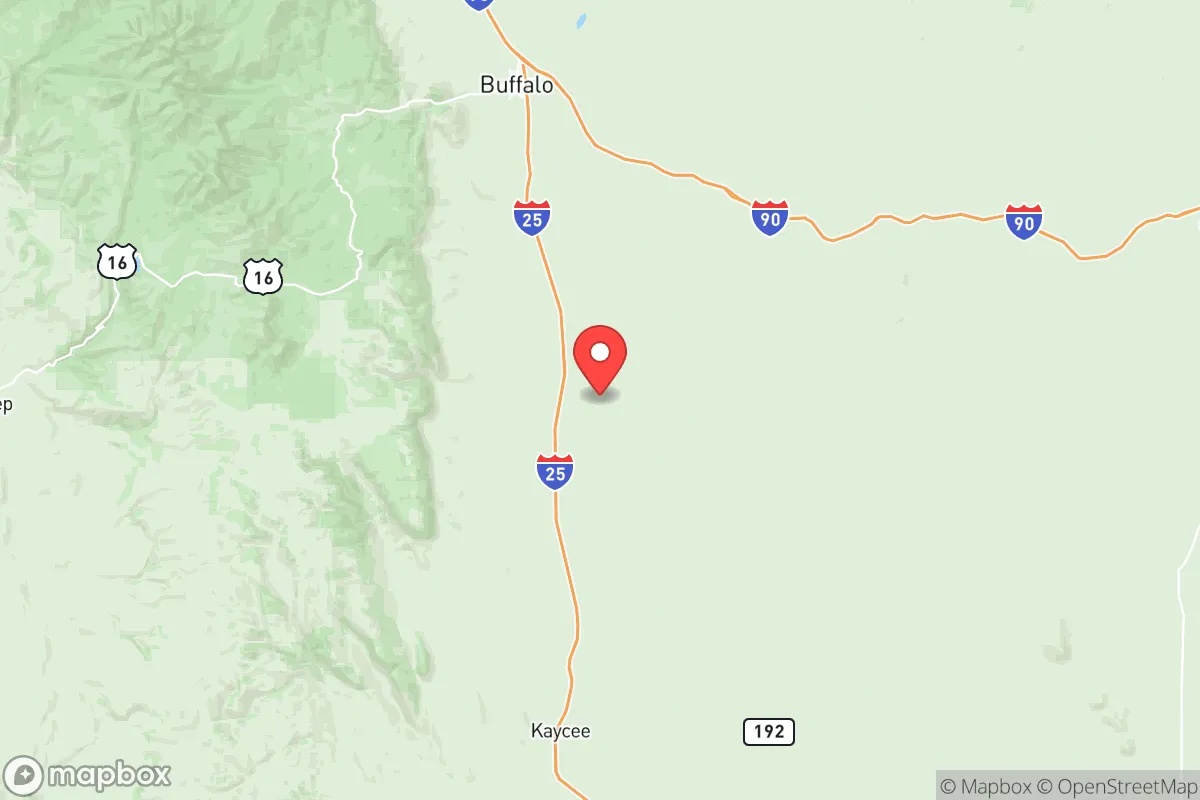
South of Buffalo, Kaycee (population ~260) is the county’s only other incorporated town, a classic ranching and energy community along the I-25 corridor. Life in Kaycee is quieter and more self-sufficient, with a single grocery store, a few cafes, and a strong rodeo culture. The town is a gateway to the Hoover Wilderness Study Area and the Powder River, known for its float fishing and historical significance. Unincorporated areas like Sussex and Linch are tiny crossroads settlements, often consisting of a handful of homes and a post office, serving the coal-bed methane and cattle operations of the eastern county. The rural pockets between Buffalo and the Montana border are characterized by vast, unfenced ranchlands, where residents may drive 30-45 minutes to Buffalo for basic supplies. These areas attract those who value absolute quiet, dark skies, and the ability to own significant acreage.
Cost & lifestyle range
The cost of living in Johnson County is relatively uniform compared to urban areas, but the lifestyle range is wide. In Buffalo, the median rent of $1,081 and median home value of $296,000 reflect a market that is more affordable than Jackson Hole or Bozeman, but still elevated by local demand. A typical three-bedroom home in Buffalo’s newer subdivisions might list for $350,000-$400,000, while a historic home near downtown could be $250,000-$300,000. In Kaycee, housing is significantly cheaper, with older homes often available for under $200,000, though inventory is very limited. The true cost differential is in land: a 5-acre parcel near Buffalo might cost $100,000, while a 160-acre ranch in the eastern county could be $400,000-$600,000, depending on water rights and improvements. The lifestyle trade-off is clear: Buffalo offers walkability, events, and services, while the rural areas demand self-reliance, longer drives, and a tolerance for extreme weather, including harsh winters and summer wind.
Johnson County is best suited for individuals and families who value outdoor recreation, a strong sense of community, and a slower, more self-directed pace of life. It is not a place for those seeking nightlife, cultural diversity, or rapid career advancement outside of the energy, agriculture, or healthcare sectors. The county’s low crime rates, short commutes, and affordable housing relative to the broader Rocky Mountain region make it particularly attractive to remote workers, retirees, and families who want to own land and raise children in a safe, rural environment. Those who thrive here are typically comfortable with a degree of isolation, appreciate the working-ranch ethos, and are willing to drive an hour to Sheridan or Gillette for major shopping or specialized medical care.

Crime in Johnson County
Generally safer than 71% of comparable U.S. locations.
Violent CrimeViolent Crime Analysis
Property CrimeProperty Crime Analysis
Crime Analysis
Johnson County, Wyoming, presents a mixed safety profile where property crime rates exceed national averages while violent crime remains well below them. The county, anchored by the town of Buffalo and the smaller community of Kaycee, recorded a violent crime rate of 171.9 per 100,000 residents and a property crime rate of 1,012.8 per 100,000 in the most recent reporting period. These figures place Johnson County in a middle tier among Wyoming's 23 counties, with rural expanses contributing to lower violent crime but isolated properties facing elevated theft and burglary risks.
Crime in context
Johnson County's violent crime rate of 171.9 per 100,000 is roughly half the national average of 380 per 100,000, but it sits slightly above the Wyoming state average of approximately 240 per 100,000. The property crime rate of 1,012.8 per 100,000 is about 15% higher than the national average of 880 per 100,000 and significantly above the Wyoming state average of roughly 1,800 per 100,000 — though that state figure is inflated by higher-crime areas like Cheyenne and Rock Springs. Within Johnson County, the town of Buffalo accounts for the majority of reported incidents, while Kaycee and the unincorporated areas around Lake DeSmet and the Big Horn Mountains see far fewer reports. The county's judicial district, the Fourth Judicial District, operates under a conservative legal framework that emphasizes prosecution and sentencing, which helps keep violent crime rates low but does not fully deter property offenses in sparsely patrolled rural zones.
What residents experience
Residents of Johnson County most commonly encounter theft from vehicles, burglary of unoccupied rural homes, and occasional vandalism. The property crime rate of 1,012.8 per 100,000 translates to roughly 85 reported incidents per year in a county of about 8,400 people, meaning the average resident faces a 1-in-99 annual chance of being a property crime victim. Violent crime is rare: the 171.9 per 100,000 rate equates to about 14 incidents annually, with the majority being simple assault rather than robbery or homicide. Buffalo, the county seat and largest town with about 4,600 residents, sees the bulk of these incidents, particularly near the Interstate 90 corridor and the downtown commercial district. Kaycee, with fewer than 300 residents, reports violent crime only once every few years. The county sheriff's office and the Buffalo Police Department maintain visible patrols, and the local district attorney's office is known for prosecuting property crimes aggressively, which helps keep repeat offenders off the streets. However, the vast geography — Johnson County spans over 4,100 square miles — means response times in remote areas can exceed 30 minutes, a factor residents should consider when choosing a home site.
Neighborhood-level variation
Safety varies noticeably within Johnson County. The town of Buffalo's core neighborhoods, particularly those west of Main Street and near the Johnson County Fairgrounds, report the lowest crime rates due to dense community oversight and active neighborhood watch programs. The area around the Buffalo High School and the Johnson County Healthcare Center is considered very safe, with violent crime virtually absent. In contrast, the eastern edge of Buffalo along Interstate 90, where motels and truck stops cluster, sees a disproportionate share of thefts and drug-related arrests. Rural subdivisions like those near the Powder River and the Bighorn National Forest face higher property crime risks due to isolation, with burglaries of vacation homes being a recurring issue. Kaycee, while extremely safe from violent crime, experiences occasional theft from unattended vehicles and outbuildings. The county's conservative judicial philosophy — the Fourth Judicial District has not adopted progressive prosecutor policies seen in some urban Wyoming counties — means that offenders face consistent consequences, contributing to a general sense of public safety that residents cite as a key reason for living here. For those considering relocation, the safest choices are Buffalo's established residential neighborhoods or the tightly knit Kaycee community, while remote acreage requires proactive security measures.
* Values derived from national, state, county, city and local statistics and may differ in a specific area. Last updated: 2026-07-12T21:35:52.000Z
Narrative content on this page is AI-generated and may contain mistakes. Verify any details that matter before acting on them.
ReloMaps may earn a commission from affiliate links at no extra cost to you.

