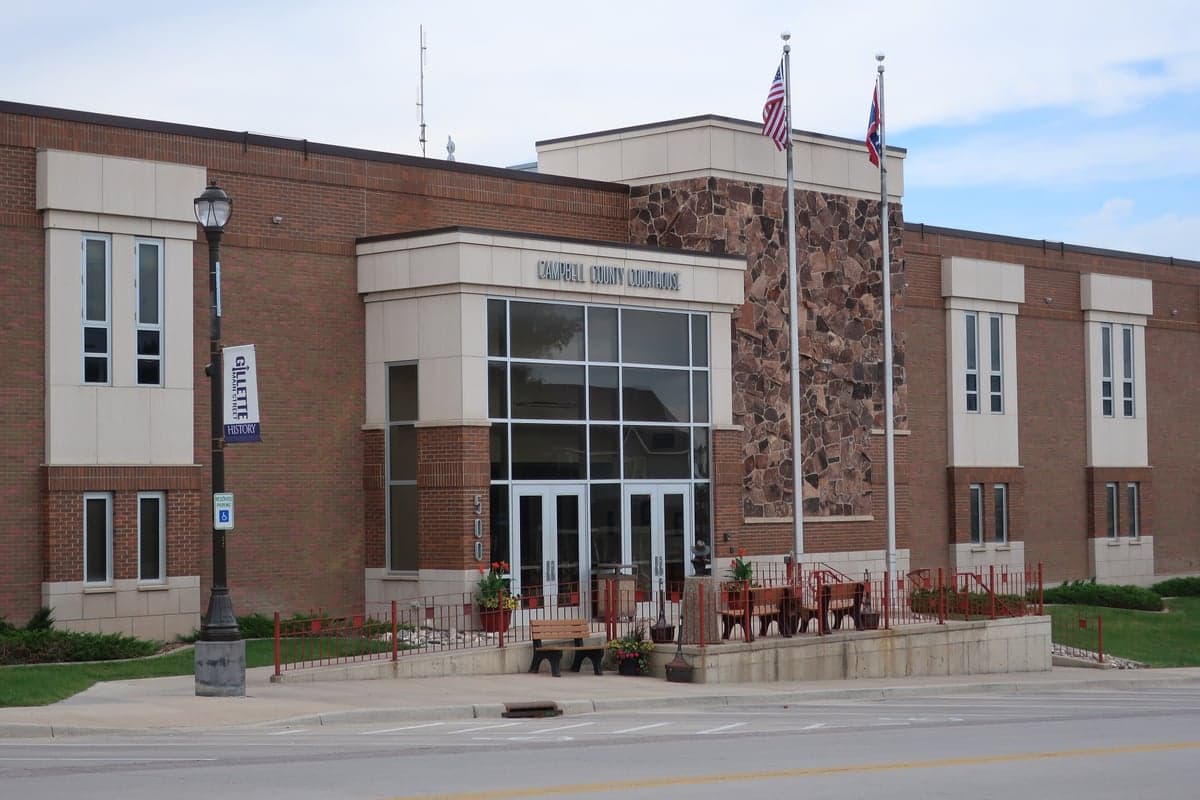
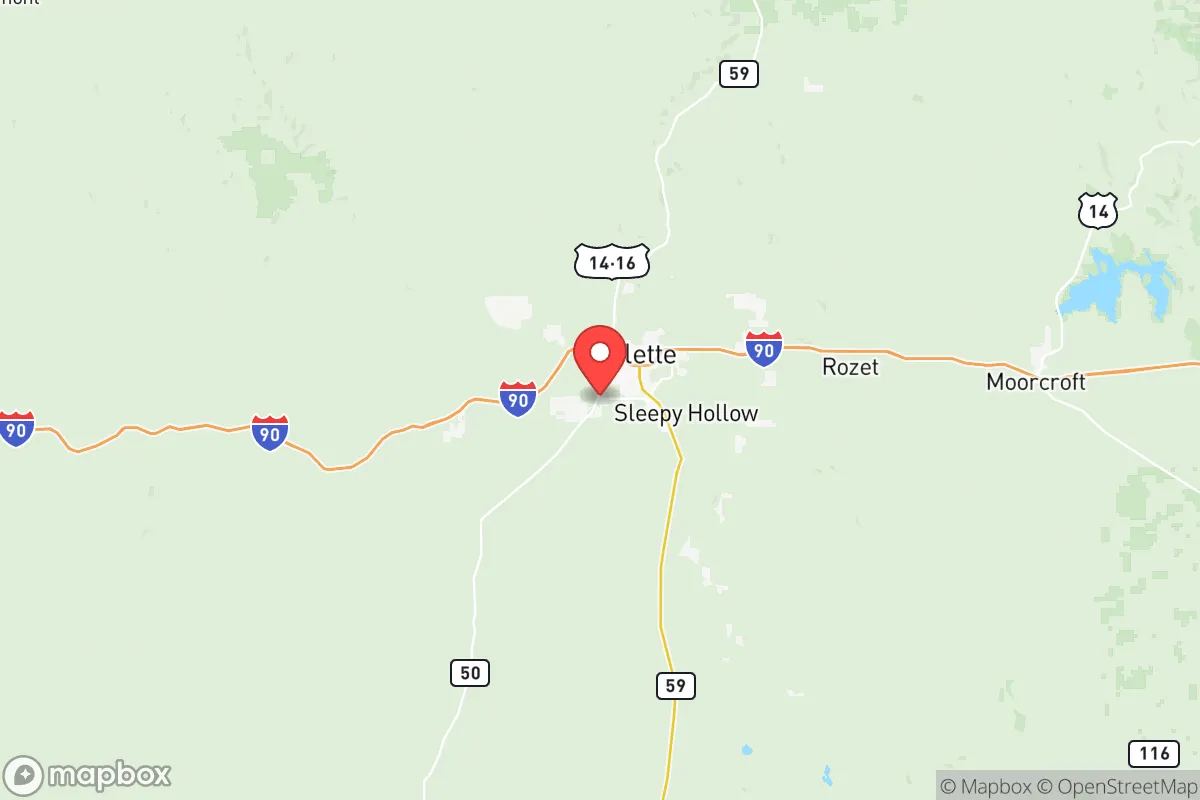
Photo: Wikipedia
Quality of Life in Campbell County
A livable area that tracks near national norms for affordability, walkability, and neighborhood health.
What does Quality of Life tell us?
Quality of Life measures an area by evaluating factors like cost of living, nearby amenities, country club access, airport proximity, socioeconomic signals and neighborhood character. For large states, this is a general average — quality of life can vary dramatically between metro areas, suburbs, and rural communities within the same state.
What does this tell us?
Quality of Life measures an area by evaluating factors like cost of living, nearby amenities, country club access, airport proximity, socioeconomic signals and neighborhood character. For large states, this is a general average — quality of life can vary dramatically between metro areas, suburbs, and rural communities within the same state.
Cost of Living
13% below national average
125%
The Real Cost of Living in Campbell County for 2026
| Tier | Individual | Family (4) |
|---|---|---|
| Survival | $15k | $29k |
| Comfortable | $52k | $76k |
| Luxury | $125k+ | $193k+ |
| Elite (Top 5%) | $147k+ | $227k+ |
Quality-of-Life Analysis
Campbell County, Wyoming, offers a quality-of-life spectrum that ranges from the energy-industry hub of Gillette to sparsely populated ranchlands and bedroom communities like Wright and Sleepy Hollow. The county draws a mix of workers in coal, oil, and methane extraction, along with families seeking lower housing costs and retirees looking for wide-open spaces. With a cost-of-living index of 87 (well below the U.S. average of 100), the county provides financial breathing room, but the experience of daily life shifts dramatically depending on whether you live in the county seat, a small town, or an unincorporated rural area.
Largest town(s) & population centers
Gillette is the county's dominant population center, home to roughly 33,000 residents and the hub for most employment, retail, and services. Daily life here is shaped by the energy economy — coal mines, coal-bed methane fields, and related support industries — which drives a blue-collar, shift-work rhythm. The town offers a full set of amenities: a regional hospital (Campbell County Health), a community college (Gillette College), a recreation center, and a modest downtown with local restaurants and bars. Housing is relatively affordable compared to the national average, with a median home value of $266,400 and median rent of $952, but prices have risen as energy-sector wages keep demand steady. Commute times average about 22 minutes, reflecting the compact layout and easy access to major roads like I-90 and WY 59. Gillette is best suited for workers in energy, healthcare, or education who want small-city conveniences without a high cost of entry.
Smaller towns & rural pockets
Wright, about 40 miles south of Gillette, is the county's second incorporated town, with roughly 1,800 residents. It was originally built as a bedroom community for workers at the nearby Black Thunder Coal Mine, one of the largest coal mines in the U.S. Life in Wright is quieter and more family-oriented, with a small school district, a few local parks, and a strong sense of community. Sleepy Hollow, an unincorporated community just south of Gillette, offers a rural feel with larger lots and fewer services, appealing to those who want to be near town but not in it. Beyond these, the county is dotted with ranch houses, oil-patch camps, and scattered homes along gravel roads. Residents in these areas typically face longer drives for groceries, medical care, and school, but gain privacy, lower property taxes, and direct access to hunting, fishing, and off-road recreation on public lands like the Thunder Basin National Grassland.
Cost & lifestyle range
The cost-of-living spread across Campbell County is narrower than in many metro areas, but real differences exist. Gillette sits at the high end of the local spectrum: median home values around $266,400 and rents near $952 reflect demand from energy-sector workers, though these figures remain well below the national median. Utilities and groceries are slightly above average due to the remote location, but the absence of a state income tax offsets some of that. Wright and Sleepy Hollow offer lower housing costs — often 10–15% below Gillette's median — and larger lots, but fewer rental options and almost no nightlife or shopping. The cheapest housing is found in unincorporated areas, where older mobile homes and fixer-upper ranch houses can sell for under $150,000, though buyers must factor in well water, septic maintenance, and longer commutes. At the other end, newer subdivisions in Gillette's southern and western edges feature homes in the $350,000–$450,000 range, appealing to professionals and managers in the energy sector who want modern finishes and shorter drives to schools and the hospital.
Campbell County works best for people who value affordability, outdoor access, and a straightforward, work-oriented lifestyle. Energy workers and their families find stable employment and reasonable housing in Gillette, while ranchers, remote workers, and retirees seeking solitude gravitate to the smaller towns and rural pockets. The county's low cost of living and short commutes are clear draws, but the trade-offs include harsh winters, limited cultural amenities, and an economy heavily tied to fossil fuel markets. Those who thrive here are typically self-reliant, comfortable with small-town social networks, and willing to drive 40–60 miles for specialized services or entertainment.

Crime in Campbell County
Generally safer than 71% of comparable U.S. locations.
Violent CrimeViolent Crime Analysis
Property CrimeProperty Crime Analysis
Crime Analysis
Campbell County, Wyoming, reports a violent crime rate of 171.9 per 100,000 residents and a property crime rate of 1,012.8 per 100,000, placing it in a middle tier for safety within the state. While these figures are lower than the national average for violent crime, the property crime rate is notably elevated, particularly in the county's largest city, Gillette. The overall safety picture is mixed: residents benefit from a relatively low risk of violent assault but face a tangible threat of theft and burglary, especially in areas with higher transient populations and rental density.
Crime in context
Campbell County's violent crime rate of 171.9 per 100,000 is roughly half the national average of 380 per 100,000, making it safer than many comparably sized energy-sector counties in the region. However, its property crime rate of 1,012.8 per 100,000 sits above the Wyoming state average of 950 per 100,000 and significantly exceeds the national figure of 1,954 per 100,000. The disparity is driven largely by thefts from vehicles and construction sites, a pattern common in boom-and-bust energy towns like Gillette and Wright. By contrast, smaller communities such as Moorcroft and Pine Haven report property crime rates 30-40% lower than the county average, reflecting their tighter-knit populations and lower rental turnover.
What residents experience
For most residents, the day-to-day safety concern is property crime rather than personal violence. Gillette, which contains over 90% of the county's population, sees the bulk of reported incidents, with the area around the Energy Capital Sports Complex and the South Douglas Highway corridor accounting for a disproportionate share of vehicle break-ins and package thefts. Violent crime is rare but not absent: domestic violence and alcohol-fueled assaults are the most common violent offenses, and the county's judicial district—part of the 6th Judicial District—has historically taken a progressive approach to sentencing, emphasizing diversion programs and reduced incarceration for non-violent property offenders. Critics argue this approach, while sympathetic to offenders, leads directly to more criminals on the street and negatively impacts justice for victims and the public, particularly in Gillette where repeat property offenders cycle through the system quickly. Residents in Wright and the unincorporated areas around Rozet report feeling safer, with many citing the absence of the transient workforce that drives crime in Gillette's hotel and extended-stay neighborhoods.
Neighborhood-level variation
Safety varies significantly within Campbell County. Gillette's west side, near the Powder Basin and the older downtown core, sees higher rates of both property and drug-related crime, while the newer subdivisions east of the interstate—such as those around Lakeway Road and the Powder River Golf Course—report incident rates closer to the county's lower end. Moorcroft, a town of roughly 1,000 residents 20 miles east of Gillette, consistently posts the lowest crime numbers in the county, with violent crime virtually absent and property crime limited to occasional thefts from unlocked vehicles. Pine Haven, a small lakeside community on Keyhole Reservoir, similarly benefits from its isolation and seasonal population, though summer months bring a slight uptick in trespassing and minor theft. For those considering relocation, the safest bets are the smaller towns and the newer residential pockets of Gillette's east side, while the central commercial corridors and older rental-heavy neighborhoods warrant closer scrutiny of local block-level data.
* Values derived from national, state, county, city and local statistics and may differ in a specific area. Last updated: 2026-06-28T11:44:25.000Z
Narrative content on this page is AI-generated and may contain mistakes. Verify any details that matter before acting on them.
ReloMaps may earn a commission from affiliate links at no extra cost to you.

