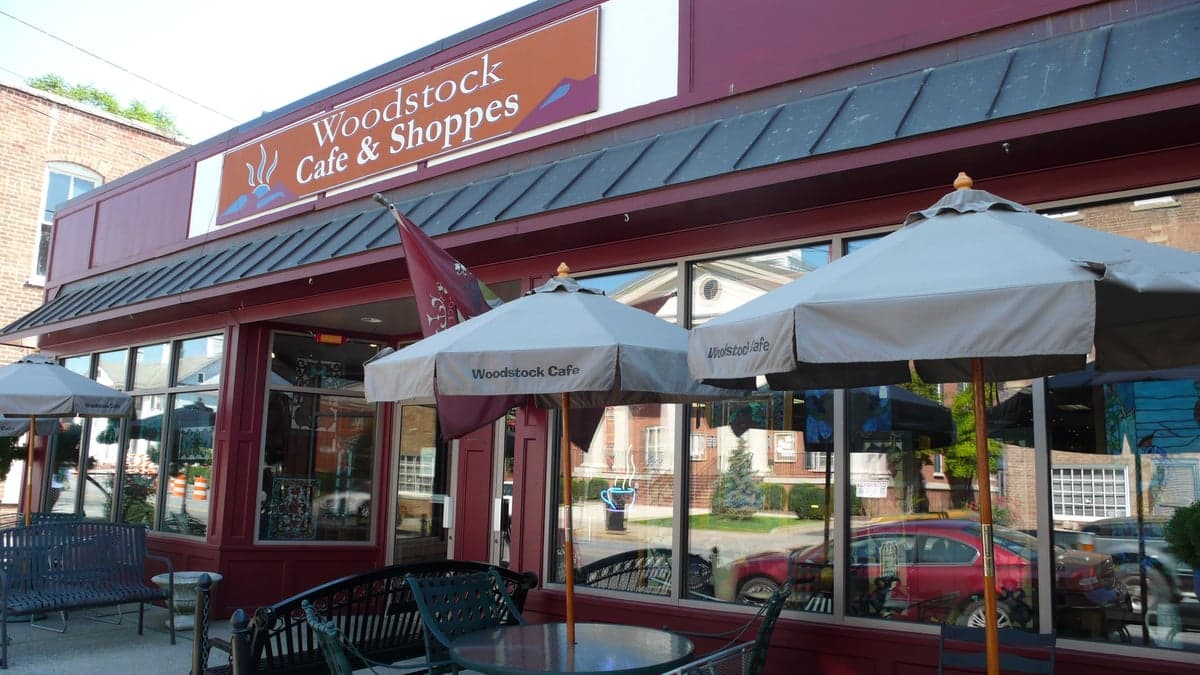
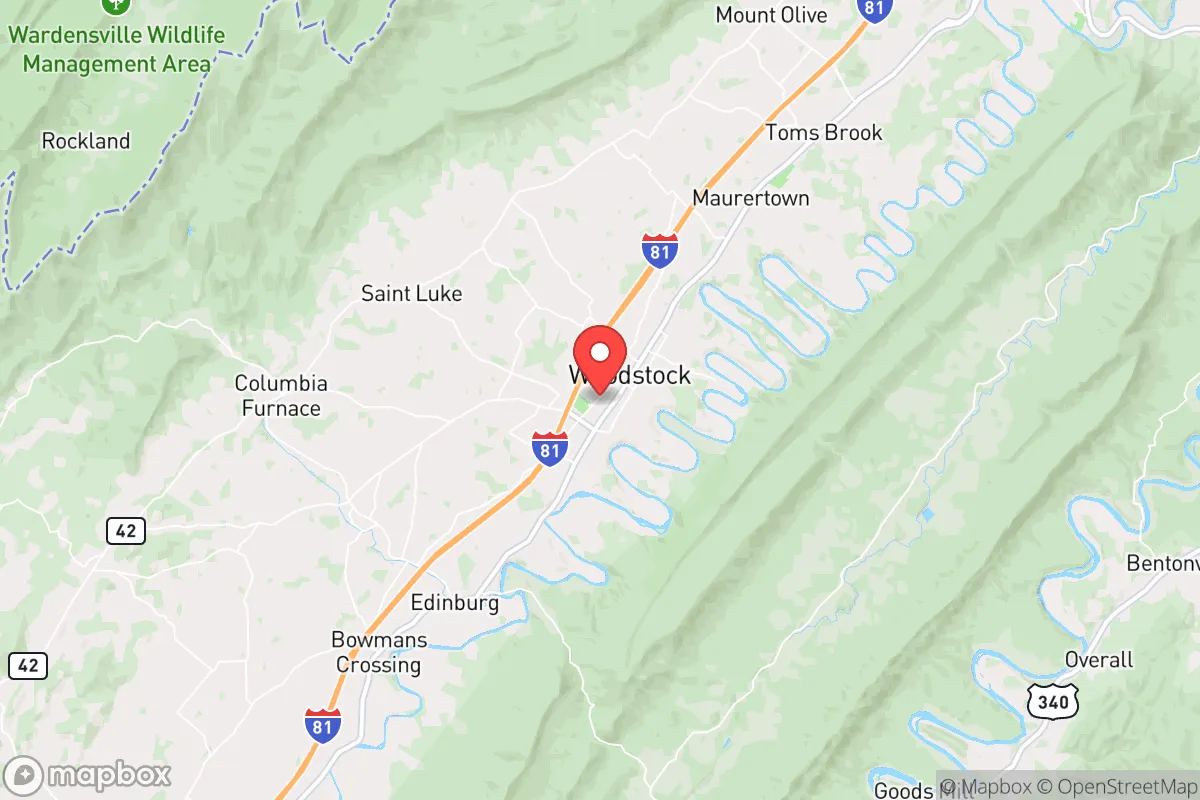

Photo: Wikipedia
Quality of Life in Woodstock, VA
Above-average quality of iife. The area offers a reasonable cost of living, decent mobility, and a mix of neighborhood amenities.
What does Quality of Life tell us?
Quality of Life blends cost of living, nearby amenities, socioeconomic signals, and neighborhood character. City-level scores represent the whole municipality; individual neighborhoods can differ.
What does this tell us?
Quality of Life blends cost of living, nearby amenities, socioeconomic signals, and neighborhood character. City-level scores represent the whole municipality; individual neighborhoods can differ.
Cost of Living
16% below national average
The Real Cost of Living in Woodstock, VA for 2026
| Tier | Individual | Family (4) |
|---|---|---|
| Survival | $15k | $28k |
| Comfortable | $48k | $71k |
| Luxury | $111k+ | $172k+ |
| Elite (Top 5%) | $171k+ | $265k+ |
87%
The Area Signal
A metric tracking the socioeconomic signals of the area.
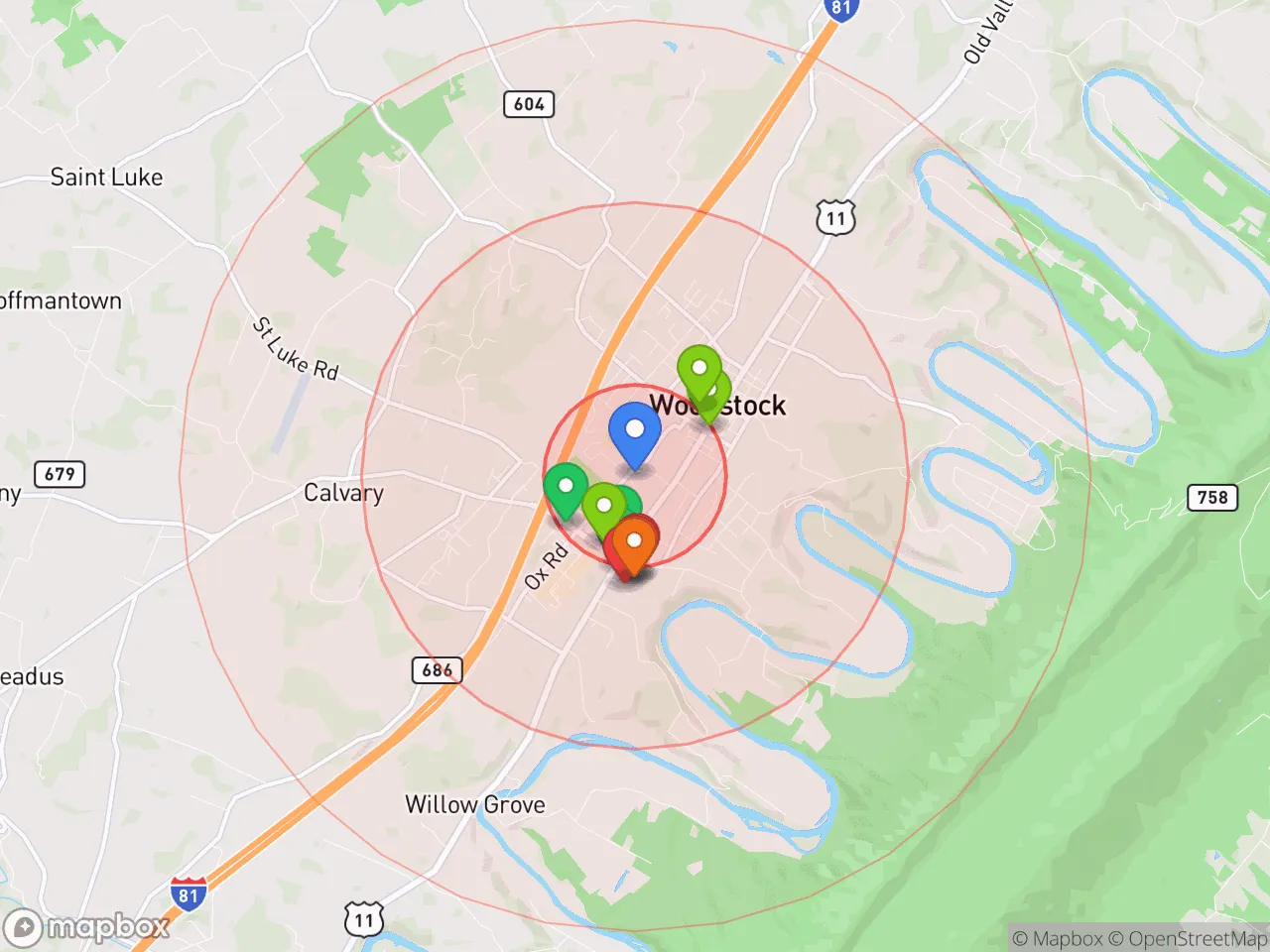
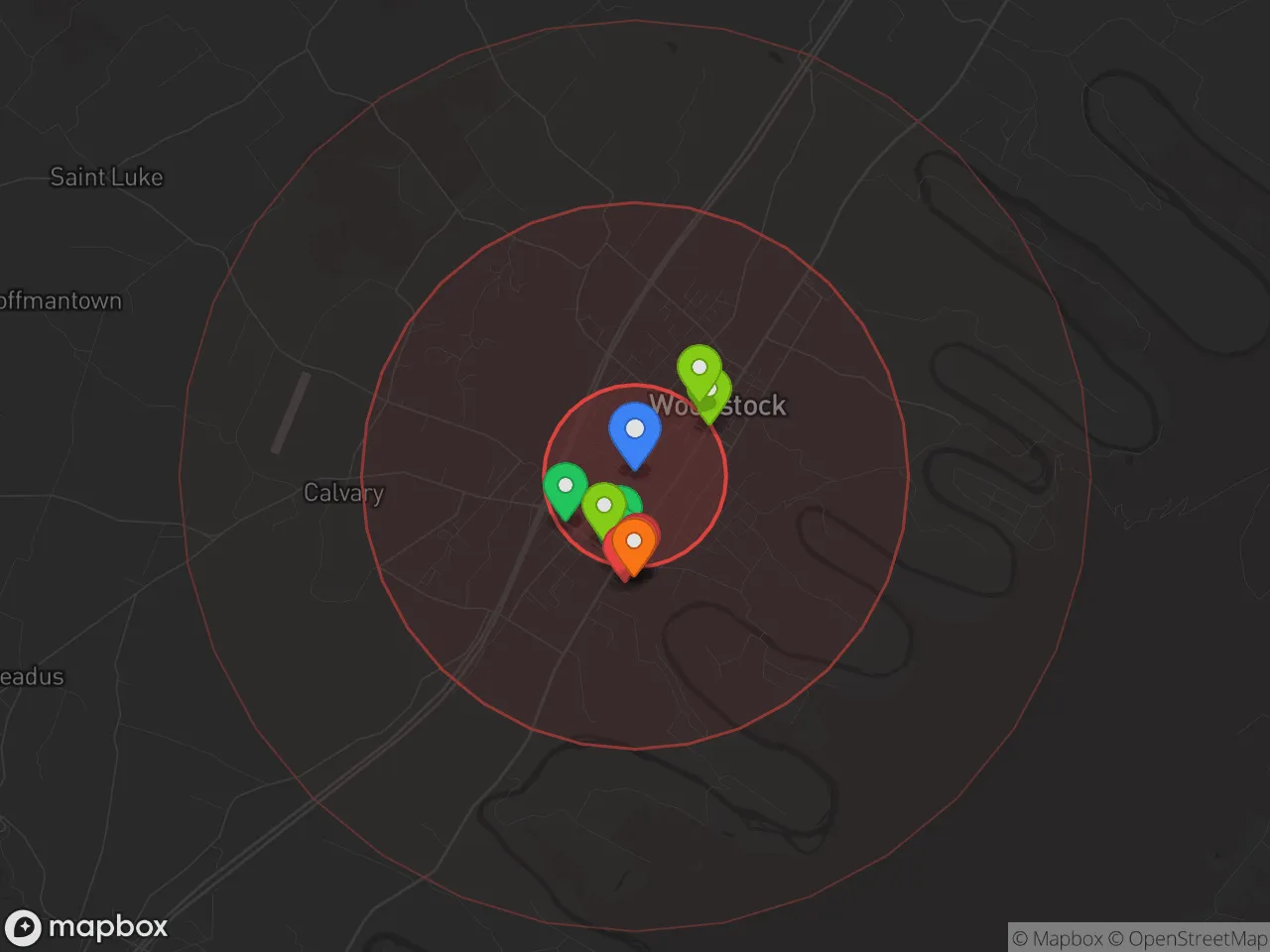
Hobbies
Explore the areaGroceries
0 within 10 miles
Gas
0 within 10 miles
Hospital
0 within 20 miles
Airport
IAD — Washington Dulles International
Post Office
Critical Amenities
Quality-of-Life Analysis
Woodstock, Virginia, offers a notably affordable quality of life that attracts a mix of young professionals, growing families, and retirees seeking a quieter pace without sacrificing access to the Shenandoah Valley’s outdoor assets. With a cost of living index of 84—well below the national average of 100—and a median home value of $248,300, the town provides a financial cushion that is increasingly rare in the broader Northern Virginia and Washington, D.C. orbit. Residents tend to be a blend of long-standing local families, telecommuters who work remotely for D.C.-area employers, and newcomers drawn by the town’s historic charm and lower housing costs.
Cost of living, housing, and how Woodstock compares to nearby towns
Woodstock’s housing market is a primary draw, with a median home value of $248,300—roughly half the median of nearby Harrisonburg and a fraction of the $600,000+ averages seen in the D.C. suburbs. Median rent sits at $941, making it one of the most affordable rental markets in Shenandoah County. The overall cost of living index of 84 means everyday expenses like groceries, utilities, and transportation are consistently cheaper than the national norm. For context, a comparable home in Front Royal (about 20 miles east) might cost 10-15% more, while Strasburg (just south) offers slightly lower home values but fewer amenities. The average commute of 28.7 minutes reflects a mix of local jobs and longer drives to Winchester or Harrisonburg, though remote workers often enjoy a near-zero commute. Property taxes remain low by Virginia standards, with Shenandoah County’s rate around 0.55% of assessed value, keeping monthly housing costs manageable even for first-time buyers.
Amenities, schools, and what daily life feels like in Woodstock
Daily life in Woodstock centers on its walkable historic downtown, anchored by the Shenandoah County Courthouse and a growing roster of independent shops, breweries, and farm-to-table restaurants. The town’s public schools—part of Shenandoah County Public Schools—include W.W. Robinson Elementary and Peter Muhlenberg Middle School, both rated above state averages in recent Virginia SOL assessments. Central High School offers a solid academic foundation, though some families opt for private options like Massanutten Military Academy (about 15 minutes away). Outdoor recreation is a major lifestyle component: the nearby George Washington National Forest and Shenandoah River provide hiking, fishing, and kayaking within a 10-minute drive. The town hosts seasonal events like the Shenandoah County Fair and the Woodstock Christmas Parade, which reinforce a tight-knit community feel. For daily errands, residents rely on a modest grocery selection (Food Lion, Walmart) and drive 20-30 minutes to Harrisonburg for larger retail and medical services. The absence of heavy traffic and the prevalence of front-porch neighborhoods give Woodstock a slower, more neighborly rhythm than the exurban sprawl found farther east.
Woodstock is best suited for those who prioritize affordability and a relaxed, small-town atmosphere over urban nightlife or high-end shopping. Remote workers, early-career professionals, and retirees on fixed incomes will find the low housing costs and short commutes particularly appealing. Families seeking a safe, community-oriented environment with decent schools and abundant nature will also thrive here, though those requiring specialized healthcare or frequent big-city amenities should plan for regular drives to Harrisonburg or Winchester. The town’s steady population growth—up roughly 5% since 2020—suggests it is successfully balancing its historic identity with the practical needs of modern residents.

Crime in Woodstock, VA
Lower crime rates than 84% of comparable U.S. locations.
Violent CrimeViolent Crime Analysis
Property CrimeProperty Crime Analysis
Crime Analysis
Woodstock, Virginia, reports a violent crime rate of 133.5 incidents per 100,000 residents, a figure that sits well below the national average and makes it one of the safer small towns in the Shenandoah Valley. However, the property crime rate of 1,735.1 per 100,000 is a more significant concern, driven largely by thefts and vehicle break-ins that target both residents and visitors to the town's historic downtown. Overall, Woodstock presents a mixed safety profile: violent offenses are rare, but residents should take standard precautions against property crime.
Crime in context
To put Woodstock's numbers in perspective, the national violent crime rate is approximately 380 per 100,000, meaning Woodstock's rate is roughly 65% lower than the U.S. average. The town's violent crime figure is also favorable when compared to Virginia's statewide rate of about 240 per 100,000. Property crime, however, tells a different story. At 1,735.1 per 100,000, Woodstock's property crime rate is about 20% higher than the national average of roughly 1,450 per 100,000 and noticeably above Virginia's statewide property crime rate. This disparity is typical of small towns that sit along major transportation corridors—Woodstock's location on Interstate 81 makes it a convenient stop for opportunistic thieves passing through the region.
What residents experience
In practical terms, violent crime in Woodstock is rare enough that most residents will never be directly affected. The offenses that do occur are typically isolated incidents rather than random acts. Property crime is the more tangible daily concern. Residents report that unlocked vehicles and outbuildings are the primary targets, with thefts from cars and sheds accounting for a large share of the town's property crime incidents. The Shenandoah County Sheriff's Office and the Woodstock Police Department both emphasize that most property crimes in the area are crimes of opportunity—meaning that basic prevention measures, such as locking doors and securing valuables, dramatically reduce risk. The town's historic district, while charming, sees periodic issues with shoplifting and petty theft during peak tourist seasons.
It is worth noting that Woodstock operates within Virginia's broader justice system, which has not adopted the progressive prosecutorial policies seen in larger metropolitan areas. The Shenandoah County Commonwealth's Attorney's office takes a conventional, victim-centered approach to prosecution, and local judges are known for holding offenders accountable. For residents concerned about the "catch-and-release" dynamics that plague some urban jurisdictions, Woodstock's justice environment is a meaningful positive—offenders face real consequences, which helps keep repeat criminals off the streets and contributes to the town's low violent crime numbers.
Neighborhood-level variation
Crime in Woodstock is not evenly distributed. The vast majority of property crime incidents cluster in the downtown commercial corridor and along the Route 11/42 intersection near the interstate ramps, where transient traffic is highest. Residential neighborhoods on the town's east side, particularly the subdivisions off Reservoir Road and the areas near W.O. Riley Park, consistently report the lowest crime rates. The west side of town, closer to the Massanutten foothills, also remains quiet, though rural properties there face a slightly elevated risk of agricultural equipment theft. As with most small towns, the safest approach is simple: the further from the commercial core and interstate access points, the lower the crime exposure.
* Values derived from national, state, county, city and local statistics and may differ in a specific area. Last updated: 2026-10-26T03:41:00.000Z
Narrative content on this page is AI-generated and may contain mistakes. Verify any details that matter before acting on them.
ReloMaps may earn a commission from affiliate links at no extra cost to you.

