Photo: Wikipedia
Quality of Life in Woodstock, IL
A high quality of life with strong walkability, manageable living costs, healthy neighborhood signals, and solid amenity access.
What does Quality of Life tell us?
Quality of Life blends cost of living, nearby amenities, socioeconomic signals, and neighborhood character. City-level scores represent the whole municipality; individual neighborhoods can differ.
What does this tell us?
Quality of Life blends cost of living, nearby amenities, socioeconomic signals, and neighborhood character. City-level scores represent the whole municipality; individual neighborhoods can differ.
Cost of Living
7% below national average
The Real Cost of Living in Woodstock, IL for 2026
| Tier | Individual | Family (4) |
|---|---|---|
| Survival | $19k | $35k |
| Comfortable | $45k | $66k |
| Luxury | $136k+ | $210k+ |
| Elite (Top 5%) | $160k+ | $248k+ |
126%
The Area Signal
A metric tracking the socioeconomic signals of the area.
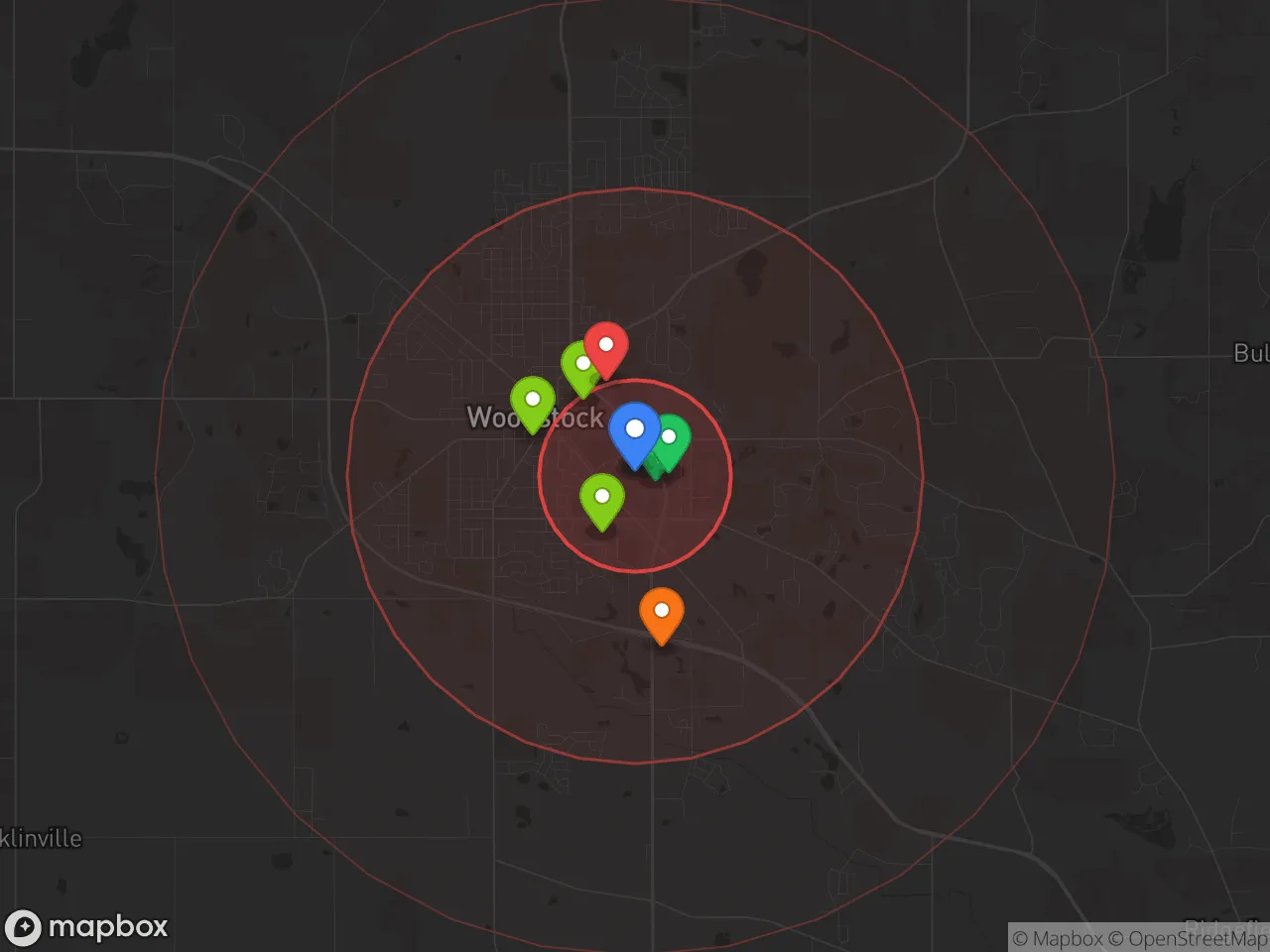
Hobbies
Explore the areaGroceries
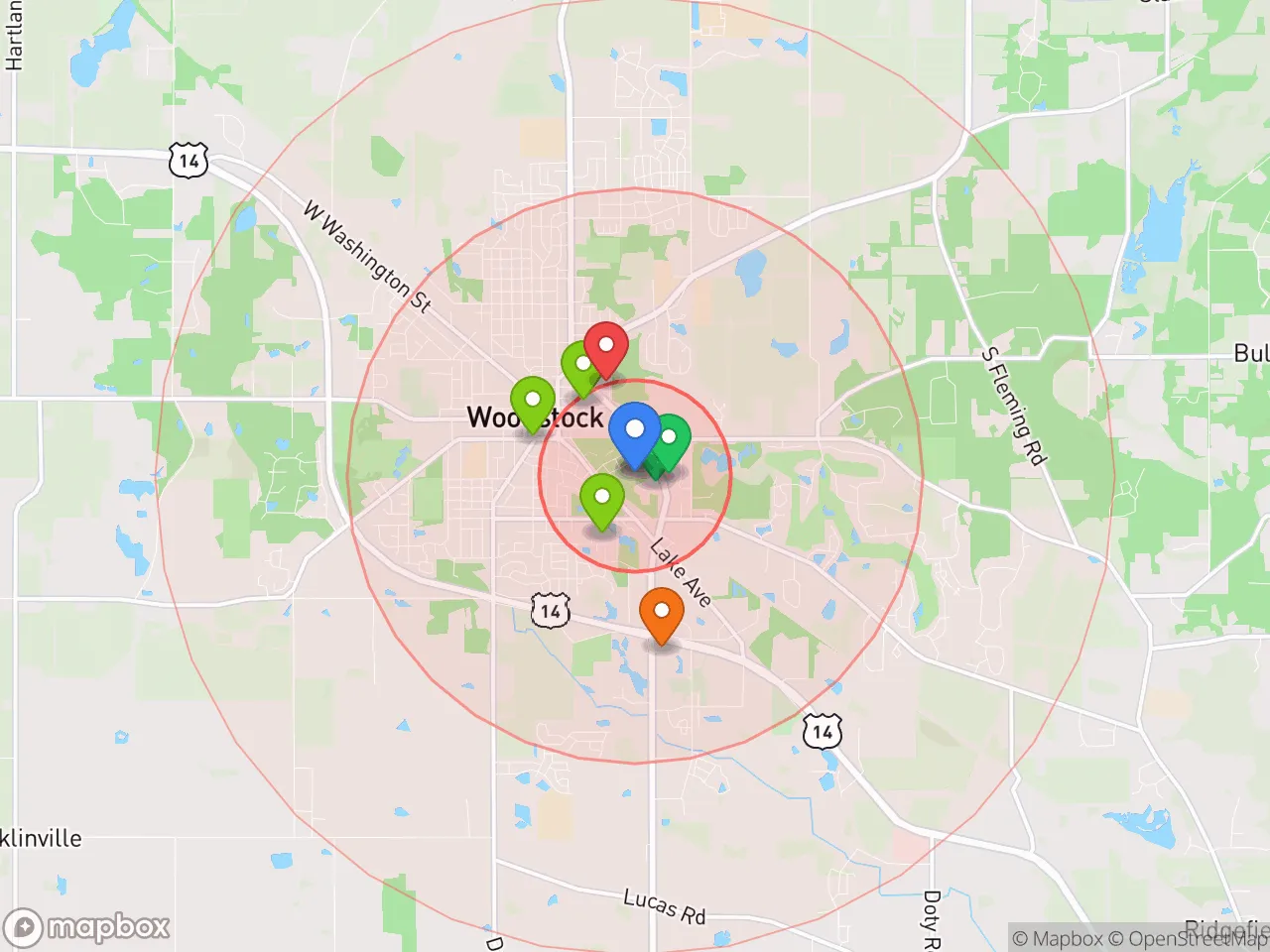
7 within 10 miles
Gas
20 within 10 miles
Hospital
7 within 20 miles
Airport
ORD — O'Hare International
Post Office
USPS — Woodstock, IL
Critical Amenities
Quality-of-Life Analysis
Woodstock, Illinois, offers a quality of life defined by small-town character and relative affordability, attracting a mix of young families, long-term residents, and Chicago commuters seeking more space for their money. With a cost of living index of 93 (below the U.S. average of 100), the city provides a financial buffer that is increasingly rare in the greater Chicagoland area. The population skews toward middle-income households, with a notable presence of professionals who work in McHenry County or make the daily trek to the northwest suburbs.
Cost of living and housing affordability compared to McHenry County and Chicago
Woodstock’s housing market is a primary draw, with a median home value of $231,100 and a median rent of $1,174—both significantly lower than the Chicago metro median. For context, a comparable home in Crystal Lake or Algonquin typically costs $50,000 to $80,000 more, while a similar rental in downtown Chicago would run nearly double. The average commute of 26 minutes is manageable for a McHenry County suburb, though it can stretch to 45-60 minutes for those driving to O’Hare or the Loop. Property taxes in McHenry County are moderate by Illinois standards (roughly 2.1% of assessed value), but they remain a notable expense for homeowners. Overall, the lower COL index means a household earning $60,000 can afford a comfortable lifestyle here, whereas the same income would feel tight in Lake or Cook counties.
What daily life is like for families: schools, amenities, and local rhythm
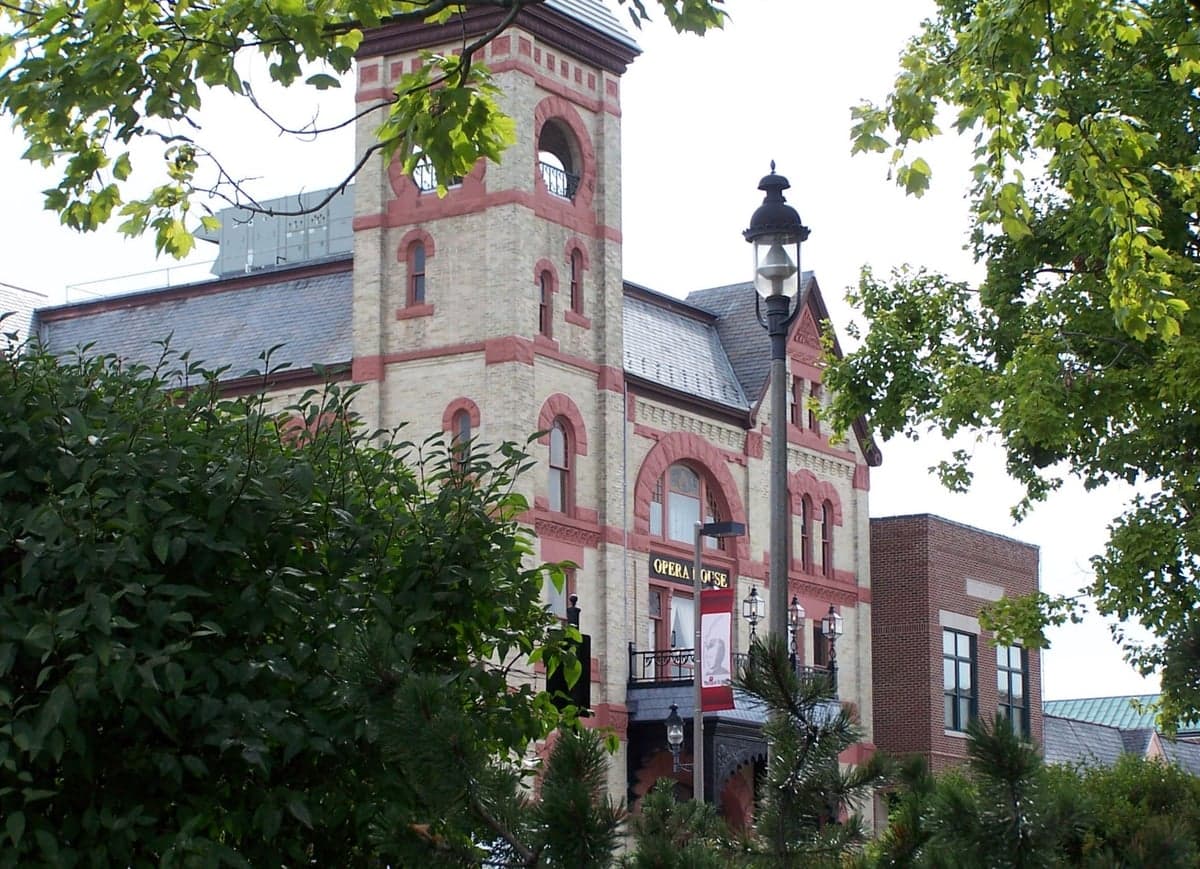
Daily life in Woodstock centers on its historic square, which hosts a year-round farmers market, seasonal festivals, and independent shops. The city’s Woodstock Community Unit School District 200 serves roughly 8,000 students and earns above-average ratings, with Woodstock High School offering a strong AP program and a 91% graduation rate. For recreation, Emricson Park provides 140 acres of sports fields, a disc golf course, and a splash pad, while the nearby Moraine Hills State Park offers hiking and kayaking on the Fox River. The local rhythm is slower than in the suburbs closer to Chicago—restaurants close by 9 p.m. on weeknights, and the main entertainment is the historic Woodstock Opera House, which hosts live theater and concerts. Commuters appreciate the Metra Union Pacific Northwest Line station, which runs direct trains to Ogilvie Transportation Center in about 90 minutes.
Who thrives in Woodstock and who might look elsewhere
Woodstock is best suited for those who prioritize space, affordability, and a tight-knit community over urban convenience. Young families benefit from the low crime rate (violent crime is 40% below the national average) and the ample park system, while remote workers can take advantage of the lower housing costs without a daily commute. Retirees on fixed incomes also find the COL index appealing, though the lack of a major hospital within city limits (the nearest is Northwestern Medicine in Huntley, 10 minutes away) is a consideration. Conversely, singles or couples seeking a vibrant nightlife, diverse dining, or walkable urban density will find Woodstock too quiet. The city’s relative isolation from major employment hubs also means that career changers or those in specialized fields may face limited local job options, reinforcing the commuter lifestyle. For those who value a historic downtown, good schools, and a slower pace, Woodstock delivers a solid return on investment.

Crime in Woodstock, IL
Lower crime rates than 94% of comparable U.S. locations.
Violent CrimeViolent Crime Analysis
Property CrimeProperty Crime Analysis
Crime Analysis
Woodstock, Illinois, presents a notably low violent crime rate of 46.2 incidents per 100,000 residents, which is roughly one-tenth the national average and significantly below the state average for Illinois. Property crime, at 547.2 per 100,000, also sits well under the national benchmark, placing the city in a favorable position compared to many other communities in the Chicago metropolitan area. However, the broader context of McHenry County and the state's criminal justice policies introduces important considerations for anyone evaluating long-term safety in the area.
Crime in context
Woodstock's violent crime rate is nearly 80% lower than the U.S. average of roughly 380 per 100,000, and its property crime rate is about 40% below the national figure. This places Woodstock among the safer municipalities in McHenry County, which itself has a lower crime profile than many collar counties. However, Illinois as a state has seen a well-documented trend of progressive criminal justice reforms, including cash bail elimination and sentencing guidelines that prioritize diversion over incarceration. Critics argue that these policies, championed by liberal district attorneys and judges in the Chicago area, have contributed to a revolving-door effect for repeat offenders. While Woodstock's local police department maintains a strong presence, the county is not immune to spillover from larger urban areas where such policies are most pronounced.
What residents experience
Residents of Woodstock typically report feeling safe in their daily routines, with the most common concerns being non-violent property crimes like vehicle break-ins and package theft, rather than violent confrontations. The city's historic downtown square, with its active police patrols and community-oriented events, remains a low-crime hub. However, the broader regional trend is worth noting: McHenry County's property crime rate has edged upward since 2020, mirroring patterns seen across the Chicago metro area. Some attribute this rise to the state's progressive justice policies, which can result in shorter sentences for property offenders and reduced consequences for theft-related crimes. For families and retirees, this means that while violent crime is statistically rare, vigilance against property crime—especially in areas near major highways or transit lines—remains prudent.
Neighborhood-level variation in Woodstock is modest but present. The area around the Metra train station and the commercial corridors along Route 47 see slightly higher rates of petty theft and vehicle-related incidents, while the residential subdivisions on the city's north and west sides report the lowest crime numbers. Gated communities and newer developments often have additional private security measures, but the overall risk profile across Woodstock is relatively uniform. For those moving from areas with more conservative criminal justice systems, the adjustment may involve a greater awareness of property security, as the local legal environment does not always prioritize deterrence for non-violent offenses.
* Values derived from national, state, county, city and local statistics and may differ in a specific area. Last updated: 2026-09-03T21:01:44.000Z
Narrative content on this page is AI-generated and may contain mistakes. Verify any details that matter before acting on them.
ReloMaps may earn a commission from affiliate links at no extra cost to you.

