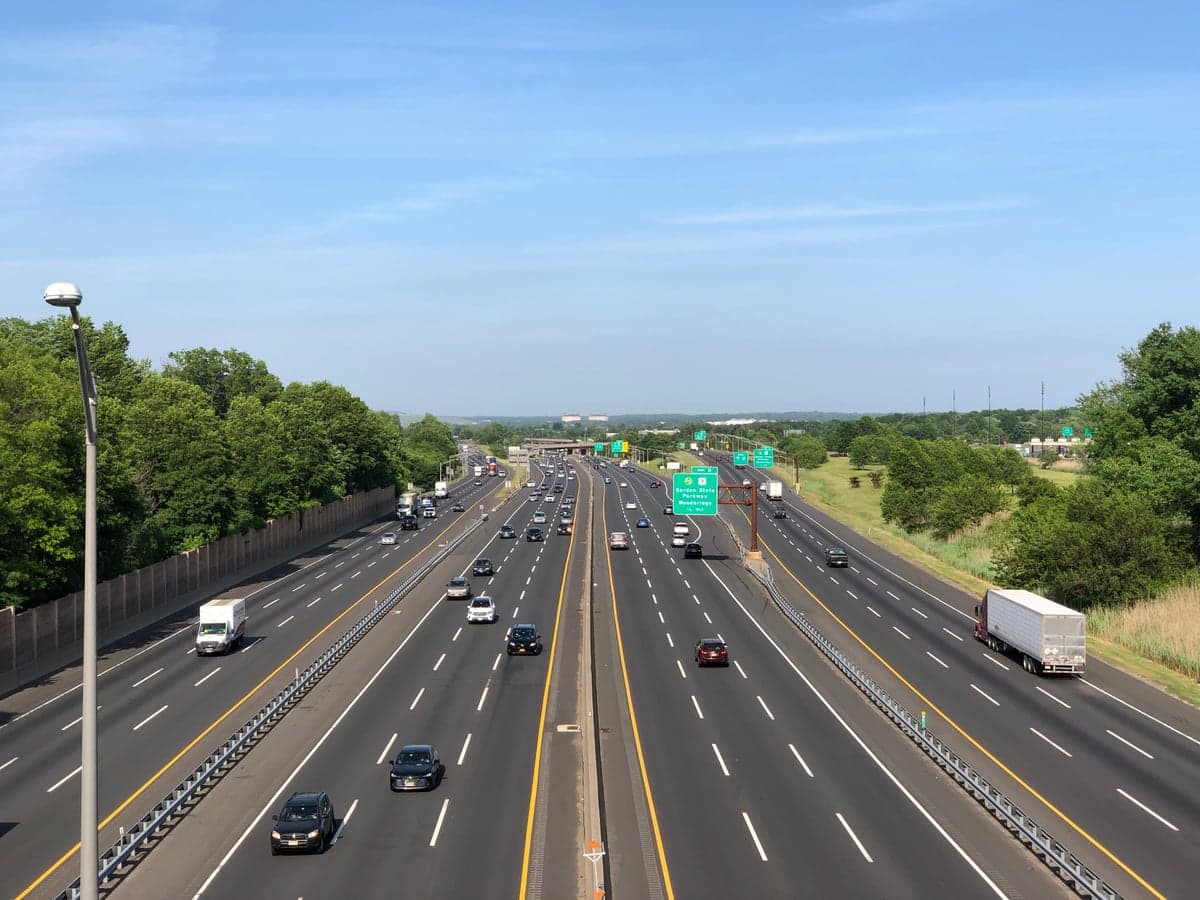
Photo: Wikipedia
Quality of Life in Woodbridge Township, NJ
Above-average quality of iife. The area offers a reasonable cost of living, decent mobility, and a mix of neighborhood amenities.
What does Quality of Life tell us?
Quality of Life blends cost of living, nearby amenities, socioeconomic signals, and neighborhood character. City-level scores represent the whole municipality; individual neighborhoods can differ.
What does this tell us?
Quality of Life blends cost of living, nearby amenities, socioeconomic signals, and neighborhood character. City-level scores represent the whole municipality; individual neighborhoods can differ.
Cost of Living
42% above national average
The Real Cost of Living in Woodbridge Township, NJ for 2026
| Tier | Individual | Family (4) |
|---|---|---|
| Survival | $28k | $53k |
| Comfortable | $70k | $103k |
| Luxury | $125k+ | $193k+ |
| Elite (Top 5%) | $147k+ | $227k+ |
88%
The Area Signal
A metric tracking the socioeconomic signals of the area.
Hobbies
Explore the areaGroceries
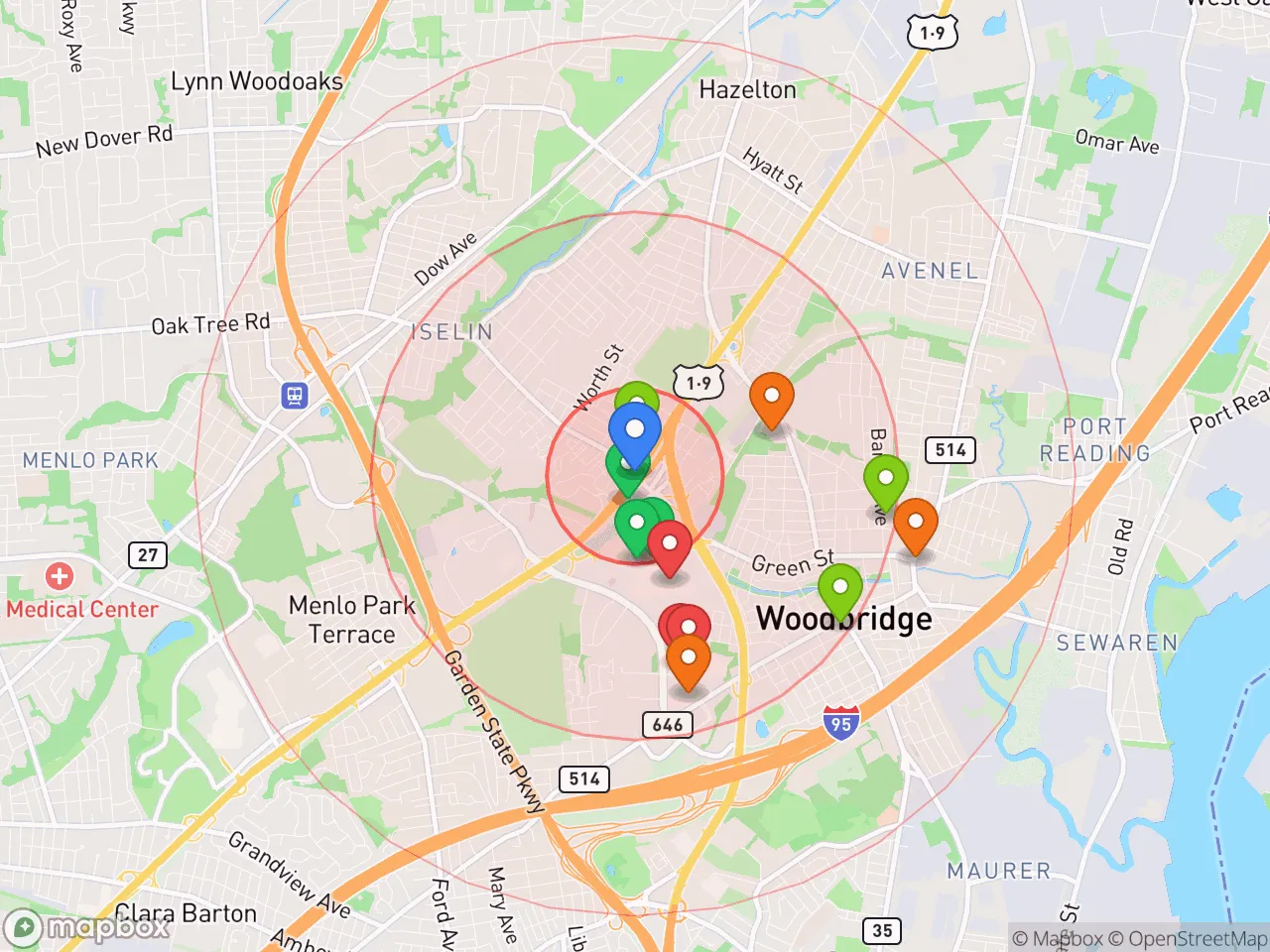
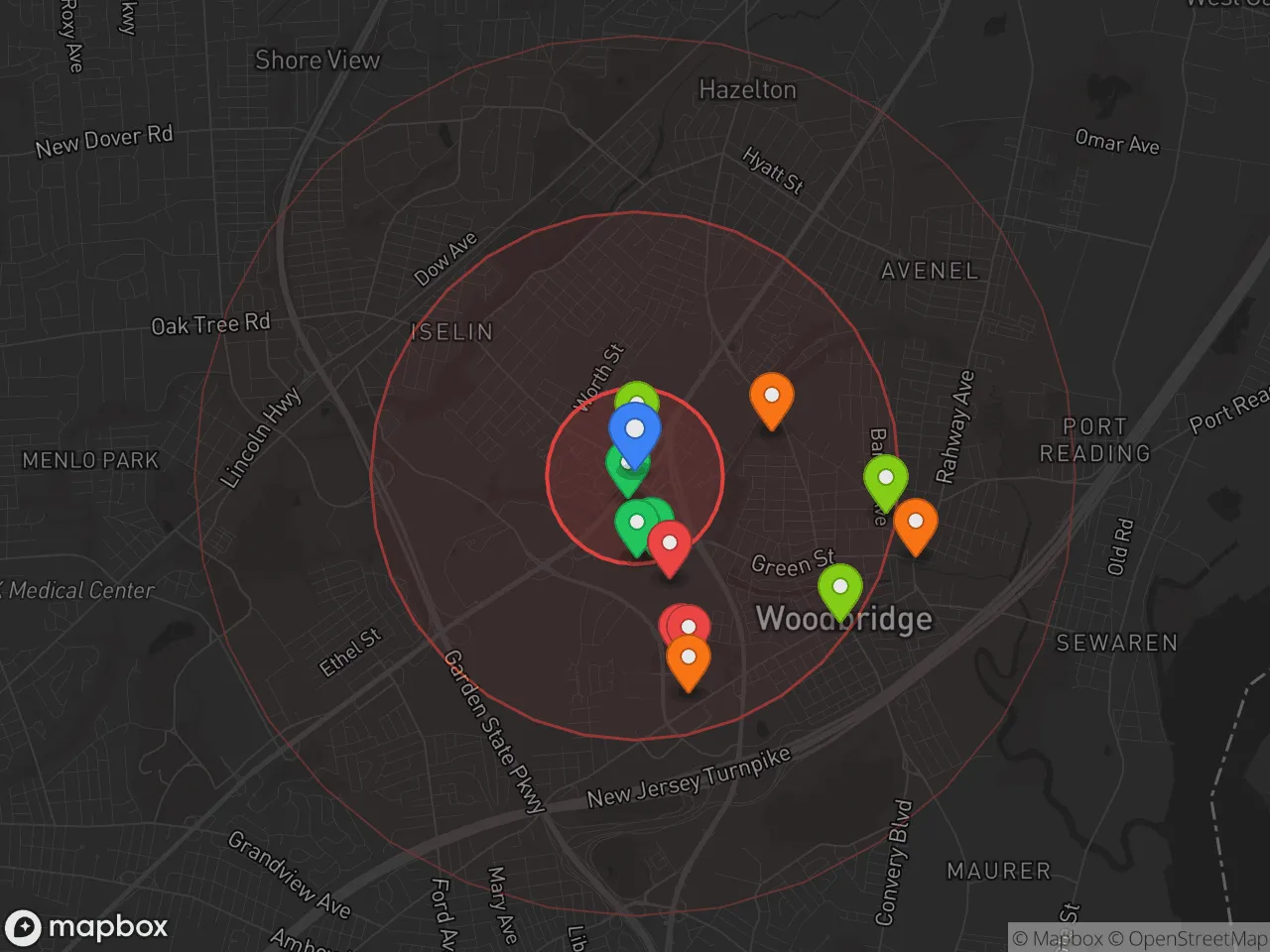
7 within 10 miles
Gas
20 within 10 miles
Hospital
20 within 20 miles
Airport
EWR — Newark Liberty International
Post Office
USPS — Woodbridge Township, NJ
Critical Amenities
Quality-of-Life Analysis
Woodbridge Township, a diverse and populous suburb of roughly 100,000 residents in Middlesex County, presents a quality of life defined by its solidly middle-to-upper-middle-class affluence and its role as a commuter hub for the New York City metro area. The township attracts a mix of long-established families, young professionals, and immigrants drawn to its strong public schools, convenient transit access, and a cost of living that, while above the national average, remains more attainable than in many closer-in New Jersey suburbs. The area's character is shaped by its blend of historic downtowns, suburban neighborhoods, and significant industrial and commercial zones along the Route 1 and Garden State Parkway corridors.
Cost of living, housing affordability, and how Woodbridge compares to nearby towns
Woodbridge's overall cost of living index sits at 142, meaning it is 42% more expensive than the national average, a figure driven primarily by housing and transportation costs. The median home value of $362,300 is notably lower than in neighboring communities like Edison ($450,000+) or Metuchen ($500,000+), making Woodbridge a more accessible entry point for homebuyers in the region. Median rent at $1,764 is also comparatively reasonable, though still a significant household expense. The average commute time of 32.4 minutes reflects the township's excellent connectivity: NJ Transit's North Jersey Coast Line and Northeast Corridor trains serve Woodbridge and Avenel stations, providing direct service to Newark and New York Penn Station. This commute time is shorter than the regional average for outer-ring suburbs, a key advantage for professionals working in Manhattan or Newark. Property taxes in Woodbridge are typical for New Jersey—high by national standards—but the township offers a relatively stable tax base thanks to its mix of residential and commercial properties, including the Woodbridge Center mall and numerous logistics centers.
Schools, amenities, and what daily life is like for families and commuters
Daily life in Woodbridge revolves around its well-regarded public school system, which serves over 15,000 students across 18 elementary schools, four middle schools, and two high schools (Woodbridge High School and Colonia High School). The district consistently earns above-average ratings on state assessments, and its diverse student body is a reflection of the township's multicultural population. For recreation, residents have access to over 30 parks, the expansive Merrill Park with its sports fields and walking trails, and the Woodbridge Community Center, which features an indoor ice rink and a fitness center. The township's downtown areas—particularly the Woodbridge Main Street district and the historic Port Reading neighborhood—offer local restaurants, shops, and community events like the annual Woodbridge Day festival. The presence of major employers such as Hackensack Meridian Health's Raritan Bay Medical Center, Wakefern Food Corporation (ShopRite's parent company), and numerous logistics firms provides local job opportunities that reduce the need for long commutes for some residents.
Woodbridge is best suited for families seeking a strong public school system and a diverse, community-oriented environment, as well as commuters who need reliable, relatively quick access to New York City without paying the premium of towns directly on the Hudson River. Young professionals and first-time homebuyers will find the housing market more forgiving than in many neighboring suburbs, while the township's industrial and commercial base offers employment options that can shorten or eliminate the daily commute. Those seeking a quiet, rural atmosphere or a dense urban lifestyle should look elsewhere, but for a balanced, well-connected suburban experience with solid amenities and a reasonable cost structure for the region, Woodbridge delivers a compelling value proposition.

Crime in Woodbridge Township, NJ
Lower crime rates than 76% of comparable U.S. locations.
Violent CrimeViolent Crime Analysis
Property CrimeProperty Crime Analysis
Crime Analysis
Woodbridge Township presents a mixed safety profile for prospective residents. While the township's violent crime rate of 138.8 incidents per 100,000 residents is notably lower than the national average, its property crime rate of 1,166.1 per 100,000 exceeds both state and national benchmarks. This combination places Woodbridge in a category where residents generally feel safe from violent confrontations but face elevated risks of theft, burglary, and vehicle-related crime.
Crime in context
Woodbridge's violent crime rate sits well below the national average of roughly 380 per 100,000 and is also lower than New Jersey's statewide rate of approximately 200 per 100,000. This is a meaningful positive for the township. However, the property crime rate of 1,166.1 per 100,000 is significantly higher than the national average of about 1,950 per 100,000 and the New Jersey average of roughly 1,100 per 100,000. The disparity between low violent crime and elevated property crime is a common pattern in densely populated suburban townships within the New York metropolitan area. As part of a large metro region, Woodbridge is subject to the broader criminal justice environment of Middlesex County and New Jersey. Progressive prosecutorial policies and judicial leniency in the state have been linked to higher recidivism and reduced deterrent effects, meaning that property offenders—who make up the vast majority of local crime—may cycle through the system quickly and return to the same neighborhoods.
What residents experience
For daily life, the practical impact is clear. Residents are far more likely to deal with a stolen package, a broken car window, or a burglary than with a violent assault. Car thefts and thefts from vehicles are the most commonly reported property crimes in Woodbridge, particularly in areas near the Woodbridge Center Mall, the Metropark train station, and along the Route 1 corridor. These are often crimes of opportunity, but they are also driven by a justice system that frequently treats repeat property offenders with minimal consequences. The township's police department is active and responsive, but the broader legal environment in New Jersey—including bail reform that has released many nonviolent offenders without cash bail—means that the same individuals are often arrested multiple times. This creates a frustrating cycle for victims, who see little long-term resolution.
Neighborhood-level variation
Safety varies considerably across Woodbridge's ten distinct neighborhoods. The Avenel and Port Reading sections tend to report higher property crime rates, while the Colonia and Iselin areas are generally quieter with lower incident numbers. Neighborhoods closer to major transit hubs and commercial corridors see the most theft-related activity. The Fords and Sewaren sections fall in the middle, with crime concentrated along main roads rather than in residential side streets. Prospective renters and buyers should check local police blotter data for their specific block, as a two-street difference can mean a significant change in risk. Overall, Woodbridge is not a dangerous place to live, but the combination of elevated property crime and a lenient regional justice system means residents must remain vigilant about securing their homes and vehicles.
* Values derived from national, state, county, city and local statistics and may differ in a specific area. Last updated: 2026-09-20T22:03:36.000Z
Narrative content on this page is AI-generated and may contain mistakes. Verify any details that matter before acting on them.
ReloMaps may earn a commission from affiliate links at no extra cost to you.

