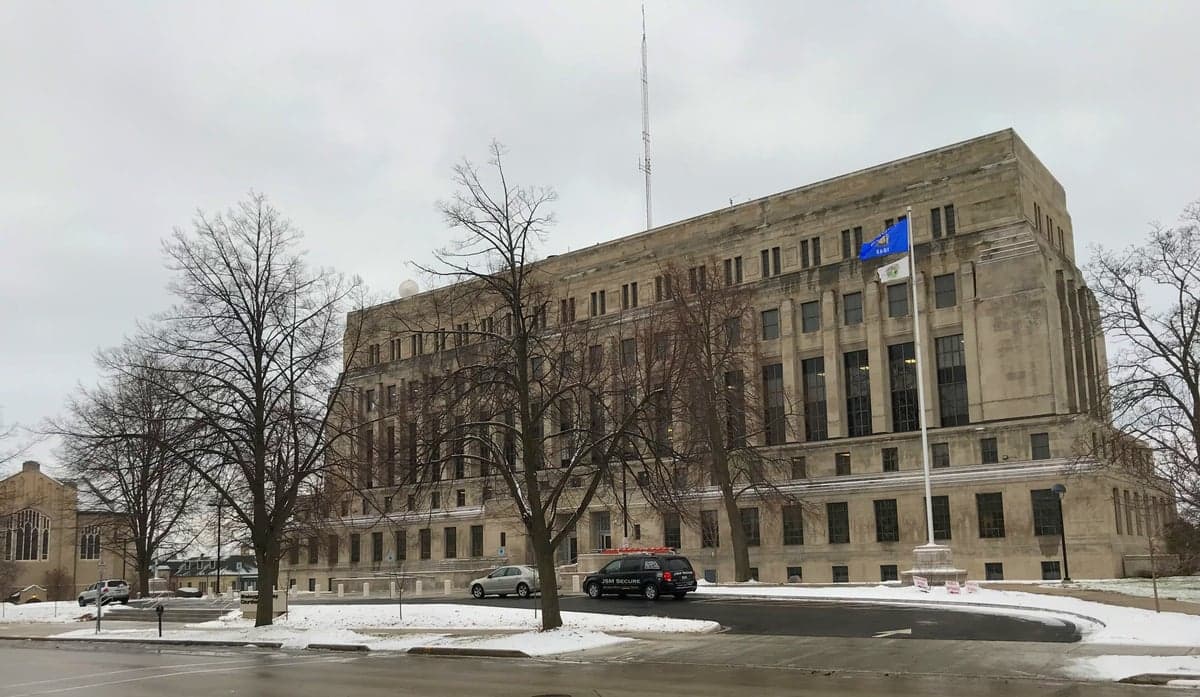
Photo: Wikipedia
Quality of Life in Sheboygan County
A livable area that tracks near national norms for affordability, walkability, and neighborhood health.
What does Quality of Life tell us?
Quality of Life measures an area by evaluating factors like cost of living, nearby amenities, country club access, airport proximity, socioeconomic signals and neighborhood character. For large states, this is a general average — quality of life can vary dramatically between metro areas, suburbs, and rural communities within the same state.
What does this tell us?
Quality of Life measures an area by evaluating factors like cost of living, nearby amenities, country club access, airport proximity, socioeconomic signals and neighborhood character. For large states, this is a general average — quality of life can vary dramatically between metro areas, suburbs, and rural communities within the same state.
Cost of Living
23% below national average
115%
The Real Cost of Living in Sheboygan County for 2026
| Tier | Individual | Family (4) |
|---|---|---|
| Survival | $14k | $27k |
| Comfortable | $42k | $62k |
| Luxury | $117k+ | $181k+ |
| Elite (Top 5%) | $137k+ | $213k+ |
Quality-of-Life Analysis
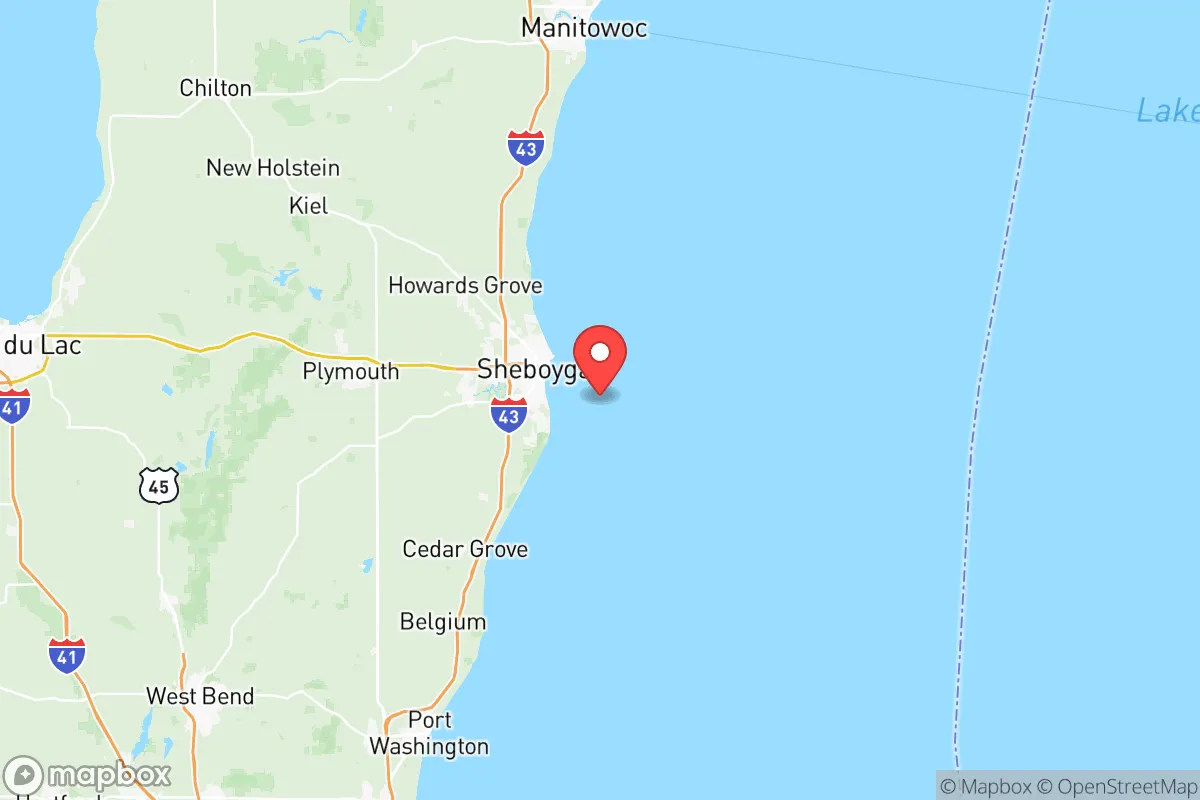
Sheboygan County, Wisconsin, offers a wide spectrum of living environments anchored by its Lake Michigan shoreline, with residents choosing between the urban energy of its largest city, the quiet charm of historic small towns, and the open space of rural farm country. The county’s overall cost of living index of 77 (100 = U.S. average) and short average commute of just over 18 minutes make it accessible for a range of households, from young families seeking starter homes to retirees drawn to lakefront living or agricultural tranquility.
Largest town(s) & population centers
The city of Sheboygan (pop. ~48,000) is the county's undisputed hub, offering a mix of lakefront parks, Kohler Company employment, and a walkable downtown with breweries and the John Michael Kohler Arts Center. Daily life here is defined by a strong blue-collar and creative-class blend, with relatively dense neighborhoods near the shoreline and more suburban subdivisions farther inland. Sheboygan Falls (pop. ~8,000) and Plymouth (pop. ~8,500) serve as secondary centers. Sheboygan Falls retains a historic downtown along the Sheboygan River and is known for its high-rated school district. Plymouth, nicknamed the "Hub of the Kettle Moraine," offers a mix of manufacturing jobs and easy access to outdoor recreation at nearby Lake Ellen and the Ice Age Trail. These three towns form the county’s economic spine, where most retail, healthcare, and employment opportunities are concentrated.
Smaller towns & rural pockets
Beyond the main corridors, several smaller communities offer distinct lifestyles. Kohler (pop. ~2,200) is a planned village built around the Kohler Company, featuring upscale amenities, a world-class golf resort, and the Kohler Design Center — it functions almost as a company town with a high-end tilt. Elkhart Lake (pop. ~1,000) is a resort village centered on its spring-fed lake, drawing tourists and second-home owners to Road America race track and the Osthoff Resort. On the agricultural side, Oostburg (pop. ~3,000) and Cedar Grove (pop. ~2,200) are tight-knit Dutch-heritage communities in the southern part of the county, with strong church communities and small-town schools. Farther inland, unincorporated hamlets like Waldo, Cascade, and Adell offer very low housing costs and a quiet rural pace, often with no stoplights and open farmland views. Glenbeulah (pop. ~460) sits near the northern kettles and provides a secluded country feel within minutes of Plymouth amenities.
Cost & lifestyle range
Housing costs vary significantly across the county. At the affordable end, rural towns like Waldo or Adell frequently have homes well below the county median home value of $218,400, with fixer-uppers under $150,000 still available. The median rent of $889 is also notably low, with many apartments in Sheboygan city proper falling even lower. At the upper end, lakefront properties in Elkhart Lake and the Kohler village can surpass $500,000, and newer subdivisions in Sheboygan Falls often approach $350,000. The commute is consistently short countywide — the average of 18 minutes means even those living in rural Cascade or Glenbeulah can reach downtown Sheboygan in under 25 minutes. Lifestyle shifts from walkable urban in Sheboygan’s near-east side to car-dependent rural living in the western townships; schools and tax rates vary, with Plymouth and Sheboygan Falls district levies slightly higher than the town of Herman or Scott.
This county is best suited for those who value proximity to Lake Michigan along with low-cost farmland living. Workers in manufacturing, healthcare, and tourism find strong local job bases, while remote workers can stretch incomes further than in larger metro areas. Families prioritizing school reputations tend to cluster in Sheboygan Falls or Plymouth, while those seeking absolute quiet and land gravitate north or west toward the Kettle Moraine State Forest. The range is real: from the urban bustle of the Sheboygan lakefront to the stop-sign crossroads of Adell, this county delivers distinctly different quality-of-life options within a very short commute.

Crime in Sheboygan County
Generally safer than 61% of comparable U.S. locations.
Violent CrimeViolent Crime Analysis
Property CrimeProperty Crime Analysis
Crime Analysis
Sheboygan County presents a mixed safety picture relative to the rest of Wisconsin. With a violent crime rate of 236.8 per 100,000 residents and a property crime rate of 996.9 per 100,000, the county sits well below the national averages (roughly 380 violent and 1,950 property) but exceeds some neighboring rural Wisconsin counties. Notably, Sheboygan County’s criminal justice system—led by a conservative District Attorney’s office—has resisted the progressive reforms seen in larger metro areas like Milwaukee County and Dane County (Madison). Local law enforcement and prosecutors emphasize accountability and victim rights, avoiding the catch-and-release patterns that critics say have elevated crime in those progressive jurisdictions.
Crime in context
Sheboygan County’s violent crime rate is nearly 40% lower than the U.S. average, while property crime is roughly half the national figure. Within Wisconsin, however, the county’s numbers are moderate. For comparison, Milwaukee County—home to a progressive district attorney who has implemented diversion programs and reduced felony charges—recorded a violent crime rate above 1,000 per 100,000 in recent years. Dane County, another liberal stronghold, also sees elevated property crime. Sheboygan County’s district attorney and judges consistently apply stricter sentencing guidelines, particularly for repeat offenders, which directly correlates with lower recidivism. The city of Sheboygan accounts for the bulk of reported offenses, while surrounding towns keep the county’s overall figures down.
What residents experience
Daily life in most of Sheboygan County feels safe, but the experience varies sharply by location. The city of Sheboygan, the county’s urban core, sees the majority of incidents—especially property theft, vehicle break-ins, and occasional aggravated assaults near downtown and the industrial waterfront. In contrast, Kohler and Sheboygan Falls rank among the safest small towns in the state, with violent crime nearly absent. Plymouth and Elkhart Lake also report very low crime, bolstered by strong local police presence and community watch programs. Rural towns like Random Lake and Waldo have minimal serious crime. The county’s rejection of progressive criminal justice policies means that offenders are more likely to serve meaningful sentences, and many residents perceive this as a key reason their neighborhoods remain orderly. Friction between law enforcement and the community is low compared to larger Wisconsin cities.
Neighborhood-level variation exists chiefly within the city of Sheboygan itself. West-side residential areas and the historic district see very few incidents, while the east side near the port and some low-income housing complexes have higher concentrations of property crime and drug-related disturbances. Gated communities in Kohler, operated by the Kohler Company, benefit from private security details that further suppress crime. Outside the city limits, residents in the county’s numerous small towns and farming communities rarely worry about personal safety. For those considering relocation, Sheboygan County offers an environment where a traditional, victim-centered justice system has helped maintain crime rates well below the progressive-run metro areas of Wisconsin—a contrast that directly affects daily security and property values.
* Values derived from national, state, county, city and local statistics and may differ in a specific area. Last updated: 2026-06-02T15:50:01.000Z
Narrative content on this page is AI-generated and may contain mistakes. Verify any details that matter before acting on them.
ReloMaps may earn a commission from affiliate links at no extra cost to you.

