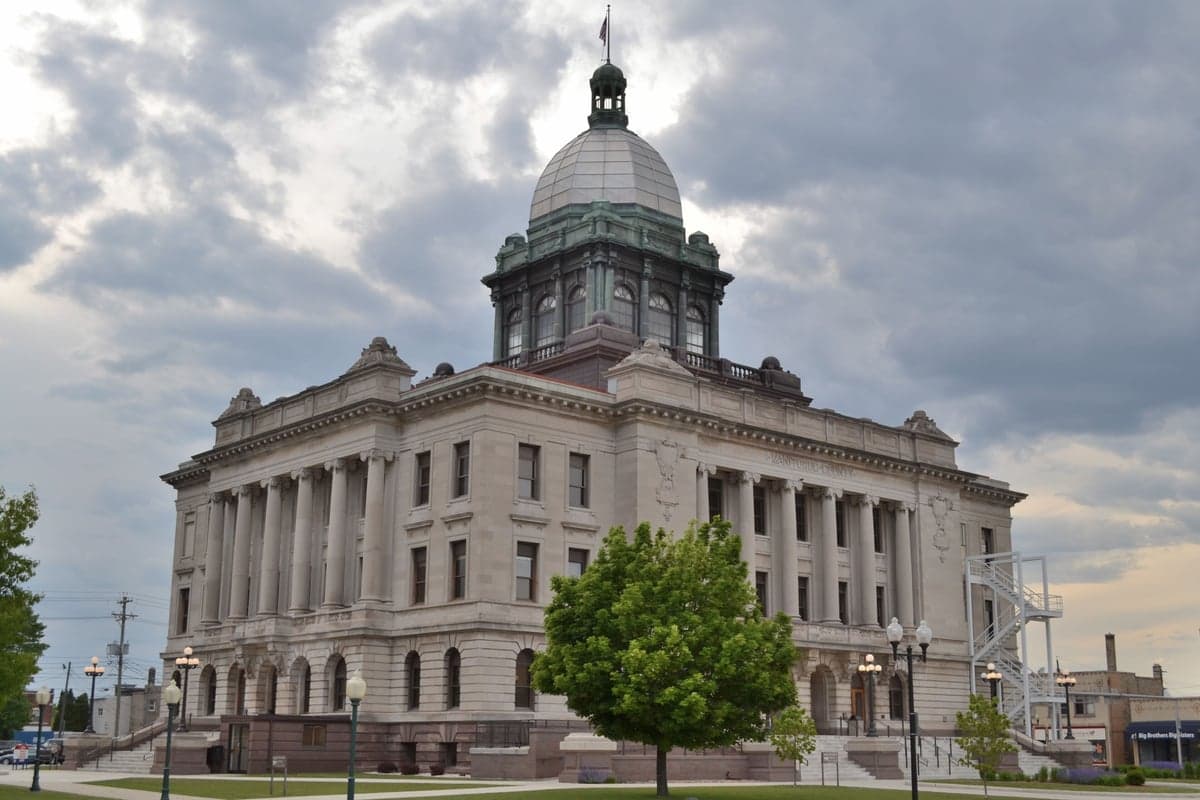
Photo: Wikipedia
Quality of Life in Manitowoc County
A livable area that tracks near national norms for affordability, walkability, and neighborhood health.
What does Quality of Life tell us?
Quality of Life measures an area by evaluating factors like cost of living, nearby amenities, country club access, airport proximity, socioeconomic signals and neighborhood character. For large states, this is a general average — quality of life can vary dramatically between metro areas, suburbs, and rural communities within the same state.
What does this tell us?
Quality of Life measures an area by evaluating factors like cost of living, nearby amenities, country club access, airport proximity, socioeconomic signals and neighborhood character. For large states, this is a general average — quality of life can vary dramatically between metro areas, suburbs, and rural communities within the same state.
Cost of Living
35% below national average
139%
The Real Cost of Living in Manitowoc County for 2026
| Tier | Individual | Family (4) |
|---|---|---|
| Survival | $12k | $23k |
| Comfortable | $34k | $49k |
| Luxury | $110k+ | $170k+ |
| Elite (Top 5%) | $129k+ | $200k+ |
Quality-of-Life Analysis
Manitowoc County, Wisconsin, offers a broad quality-of-life spectrum that ranges from the Lake Michigan shoreline urbanity of its county seat to deeply rural farming hamlets and quiet unincorporated lakeside settlements. The county’s overall cost of living index sits at 65 (well below the U.S. average of 100), with a median home value of $172,900 and median rent of $777, making it one of the more affordable places in the state. This range attracts a mix of people: young families seeking starter homes near the lake, retirees drawn to small-town quiet, and agricultural workers or commuters who value land and low taxes over urban amenities.
Largest town(s) & population centers
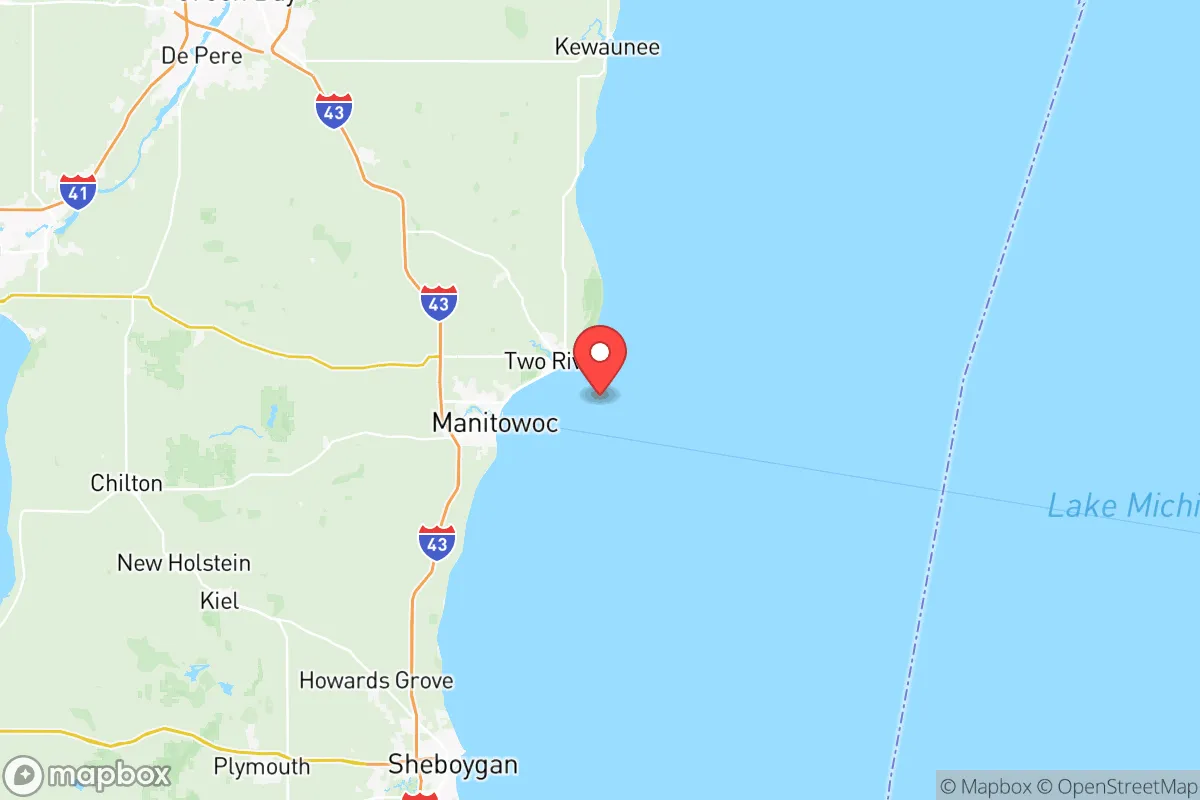
Manitowoc (pop. ~32,500) is the county’s primary urban hub, sitting directly on Lake Michigan. Daily life here centers on a walkable downtown with the Wisconsin Maritime Museum, the historic Capitol Civic Centre, and a working waterfront. The city offers the county’s densest concentration of grocery stores, healthcare (Holy Family Memorial hospital), and employers such as Bushnell Holdings (sport optics) and Manitowoc Company (crane manufacturing). The average commute in the county is just under 20 minutes, and within Manitowoc most errands are a 5–10 minute drive. Two Rivers (pop. ~11,200), immediately north, feels like a smaller sibling: it has its own Lake Michigan beach (Neshotah Park), a historic downtown, and a strong fishing heritage. Both towns have older housing stock and modest apartment options, with rents near the county median of $777. For those wanting the most services and shortest commutes, these two cities are the clear choice.
Smaller towns & rural pockets
Moving inland, the county opens into a patchwork of dairy farms, small villages, and unincorporated crossroads. Valders (pop. ~950) is a tight-knit village with a K–12 school system and a handful of local businesses; it’s a 15-minute drive to Manitowoc for most shopping. Kiel (pop. ~3,700) straddles the Manitowoc/Calumet county line and offers a compact downtown with a grocery co-op and a strong German heritage, plus the Kiel Municipal Pool and community events. Reedsville (pop. ~1,200) is another agricultural service town with a quiet main street and a popular annual community festival. For those seeking true rural isolation, unincorporated areas like Collins (along the Manitowoc River) or St. Nazianz (a tiny village with a historic church and a few dozen homes) provide acreage, privacy, and minimal traffic. These areas have no rental market to speak of; home values often fall below the county median, with some fixer-upper farmhouses under $120,000.
Cost & lifestyle range
The cost spread across the county is modest but real. At the low end, Two Rivers and the rural townships (e.g., Manitowoc Rapids, Kossuth) offer the cheapest housing: median home values in the $140,000–$160,000 range, with some older homes in Two Rivers under $100,000. At the higher end, lakefront properties in Manitowoc’s Lincoln Park area or along Lake Michigan in Two Rivers can reach $300,000–$400,000, though that is still well below the national median. Rents are uniformly low: a two-bedroom apartment in Manitowoc averages $750–$850, while in Valders or Reedsville options are scarce but often under $700. Amenities follow the same gradient: Manitowoc and Two Rivers have the only chain grocery stores, movie theaters, and urgent-care clinics; rural residents drive 15–25 minutes for those services. Property taxes in the county are moderate (roughly 1.5–1.8% of assessed value), and the lack of a county sales tax keeps everyday costs low. The trade-off is clear: urban convenience and lake access in the two cities versus land, quiet, and lower purchase prices in the villages and townships.
This county works best for people who value affordability and a slower pace over big-city nightlife or career density. Young families can buy a three-bedroom home in Two Rivers or Valders for under $180,000 and commute 20 minutes to work. Retirees on fixed incomes find the low cost of living and access to Lake Michigan beaches appealing. Agricultural workers and remote professionals who need land for horses, gardens, or workshops will find the rural townships—places like Cooperstown or Maple Grove—offer acreage at prices unimaginable in most of the country. Manitowoc County is not for everyone, but for those who fit its quiet, practical, lake-and-land character, it delivers a quality of life that is hard to beat at this price point.

Crime in Manitowoc County
Generally safer than 64% of comparable U.S. locations.
Violent CrimeViolent Crime Analysis
Property CrimeProperty Crime Analysis
Crime Analysis
Manitowoc County, Wisconsin, reports a violent crime rate of 236.8 per 100,000 residents and a property crime rate of 922.9 per 100,000, placing it in a moderate safety tier relative to both state and national averages. While not among Wisconsin’s most dangerous counties, the data reveals a community where property crime is a more pressing daily concern than violent offenses. The county’s safety picture is shaped by a mix of small-city density in the city of Manitowoc and rural expanses in towns like Two Rivers, Kiel, and Mishicot, where crime patterns diverge significantly.
Crime in context
Manitowoc County’s violent crime rate of 236.8 per 100,000 is roughly 35% below the national average of 366.7 per 100,000 but slightly above the Wisconsin state average of 220 per 100,000. The property crime rate of 922.9 per 100,000 sits below the national average of 1,954 per 100,000 and is comparable to the Wisconsin state average of 1,000 per 100,000. This means a resident is statistically far more likely to experience a theft or burglary than an assault or robbery. The county’s largest municipality, the city of Manitowoc, accounts for a disproportionate share of reported incidents, particularly in its downtown and near-industrial corridors. By contrast, the village of Cleveland and the town of Newton report crime rates that are a fraction of the county average, reflecting their low-density, residential character.
What residents experience
Daily life in Manitowoc County is generally safe, but property crime—especially theft from vehicles and residential burglary—is a recurring frustration. The city of Manitowoc’s police department handles the bulk of calls, with property crime rates in the city roughly 40% higher than in the county’s rural towns. Two Rivers, the county’s second-largest city, sees lower violent crime but similar property crime patterns near its Lake Michigan waterfront. Residents in the town of Mishicot and the village of Reedsville frequently cite a sense of security that allows children to play outdoors and neighbors to leave doors unlocked—a stark contrast to the more cautious atmosphere in Manitowoc’s central neighborhoods. The county’s judicial system, overseen by the Manitowoc County District Attorney’s Office, has historically taken a moderate approach to sentencing, but concerns about progressive policies in nearby Brown County (Green Bay) and Sheboygan County have led some residents to worry about spillover effects. Liberal-leaning district attorneys in larger metro areas have been linked to higher recidivism and reduced public confidence, and while Manitowoc County has not adopted such policies wholesale, the proximity to jurisdictions with softer-on-crime approaches is a point of caution for families considering relocation.
Neighborhood-level variation is pronounced. The city of Manitowoc’s south side, near the industrial riverfront, reports higher rates of both property and violent crime, while the north side and suburban subdivisions near the Lakeshore Technical College campus are notably quieter. The town of Two Rivers’ east side, closer to the lake, sees seasonal spikes in theft from vehicles during tourist months. In the county’s western towns—Kiel, Chilton (just over the Calumet County line), and Valders—crime is almost exclusively property-related and sporadic. For prospective residents, the safest bets are the smaller towns and rural townships where community policing and neighborly watchfulness keep crime rates well below the county average. However, anyone moving to Manitowoc County should budget for home security systems and vehicle locks, as property crime remains the most likely safety issue regardless of location.
* Values derived from national, state, county, city and local statistics and may differ in a specific area. Last updated: 2026-06-28T22:58:46.000Z
Narrative content on this page is AI-generated and may contain mistakes. Verify any details that matter before acting on them.
ReloMaps may earn a commission from affiliate links at no extra cost to you.

