
Photo: Wikipedia
Find The Best Places To Live
in Wilmette
PRO TIP! You can paste a Zillow or Redfin link to get info on that property.
What It's Like Living in Wilmette, IL
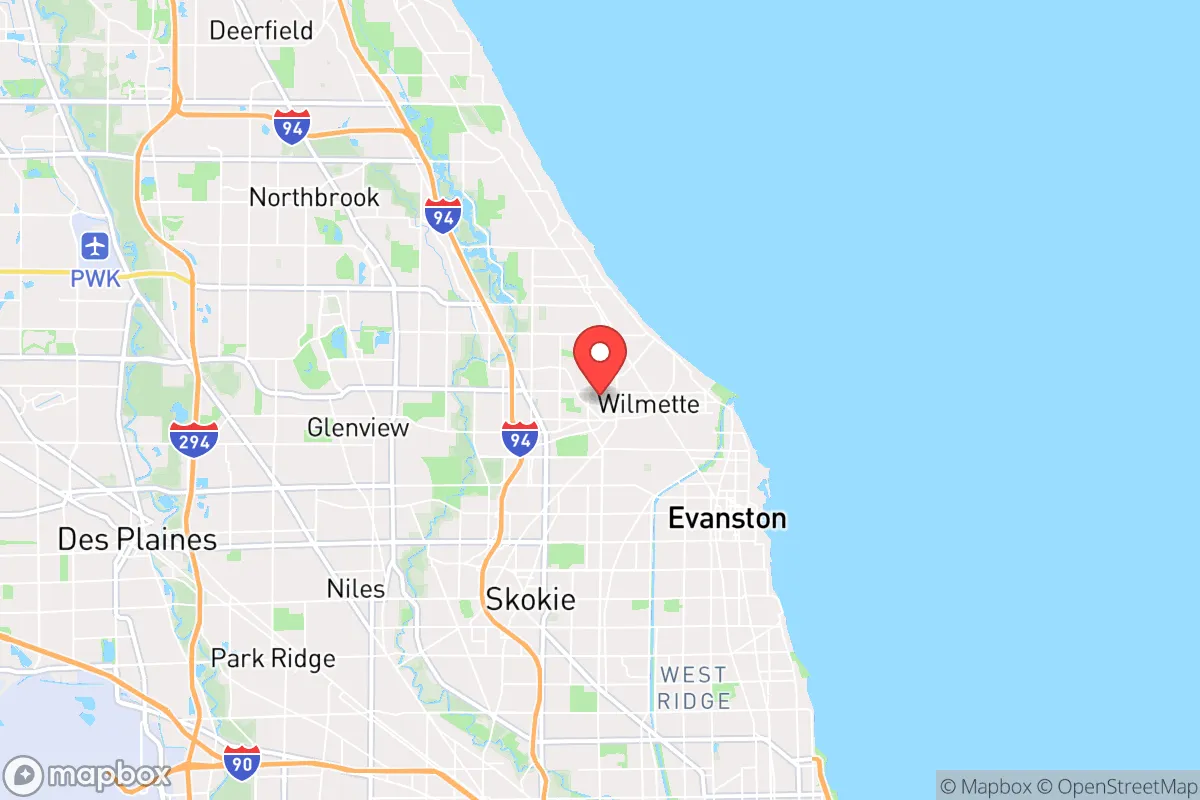
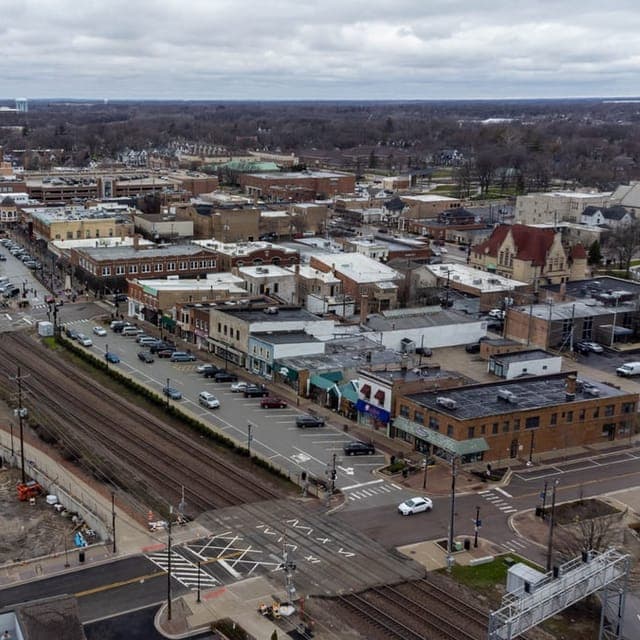
Wilmette is one of those North Shore suburbs that feels like a small, well-kept secret—except everyone already knows about it. With 27,550 residents, it’s not tiny, but it has the quiet, tree-lined intimacy of a village where people actually know their neighbors. The vibe is polished but not stuffy, affluent but not flashy, and deeply rooted in family life, with a median age of 45.7 and a median household income of $192,300 that reflects a community of professionals, entrepreneurs, and empty-nesters who value stability over spectacle.
The Daily Rhythm: School Runs, Lakefront Mornings, and Village Center Errands
Most mornings in Wilmette start with a school drop-off—either at one of the highly-rated District 39 elementary schools or New Trier High School, which is practically a local institution. The school system is the gravitational center of the community; 84.6% of adults hold a college degree, and that educational culture trickles down into everything from PTA meetings to weekend soccer games. After school, you’ll see kids biking to Gillson Park or the Wilmette Harbor, while parents grab coffee at Backlot Coffee on Central Avenue or run errands at the Plaza del Lago shopping center. Weekends often involve a trip to the Wilmette Farmers Market (May through October) or a walk along the Lake Michigan shoreline, where the Baha’i House of Worship—the only one in North America—provides a serene, architectural anchor. The average commute of about 35 minutes into downtown Chicago is a trade-off locals accept for the space and safety, though the Metra Union Pacific North line makes it bearable for most.
Sports, Traditions, and Where People Actually Gather
Sports here are less about pro teams and more about high school loyalty. New Trier Trevians football and hockey games on Friday nights are a genuine social event—parents, alumni, and even childless neighbors show up. The rivalry with Evanston or Glenbrook North is real, and it’s not unusual to see “Go Trevians” banners on front lawns during playoff season. For pro sports, most residents are Cubs or Blackhawks fans, but the games themselves are a 40-minute drive or train ride away. The real entertainment hub is Gillson Park, a 60-acre lakefront gem with a beach, a sailing school, tennis courts, and the Wilmette Recreation Center. In summer, the park hosts the Wilmette Art Fair and the Family Festival, which draws crowds for live music, carnival rides, and fireworks. For a night out, locals head to Walker Bros. Original Pancake House (a breakfast institution), Francesca’s for Italian, or Hackney’s on Harms for burgers and a dark-wood tavern vibe. The bar scene is low-key—think wine bars and craft beer at Prairie Grass Cafe rather than loud clubs. A quirky local tradition: the Wilmette Historical Museum hosts an annual “Taste of Wilmette” that’s more about community than culinary fireworks.
Pros and Cons: What Locals Love and What Frustrates Them
The upsides are clear. The violent crime rate is 33 per 100,000—among the lowest in the Chicago metro—so parents let kids walk to the park or the library without worry. The schools are top-tier, the lakefront is pristine, and the village’s tree-preservation ordinances keep the streets looking like a postcard. Property values hold steady; the median home value of $802,200 is steep, but it’s considered a safe long-term investment. The downsides? The cost of living index of 215 (more than double the national average) means that even comfortable incomes feel stretched. Property taxes are high—often $15,000–$20,000 annually on a typical home—and that’s the number one complaint at village hall meetings. Traffic on Sheridan Road and Green Bay Road can clog during rush hour, especially when school lets out. And while the village is walkable in pockets, you’ll still need a car for most errands. Some younger residents find the social scene a bit sleepy; if you’re single and under 30 without kids, Wilmette can feel like a family-centric bubble. But for families and empty-nesters who value safety, schools, and a strong sense of place, the trade-offs are worth it.
Weather, Seasons, and the Unwritten Rules
Winters are real—expect snow from December through March, with lake-effect squalls that can dump 6 inches overnight. Locals invest in good boots and a reliable snowblower; the village plows are efficient, but side streets can be slow. Spring is a relief, with the lakefront coming alive by May. Summers are warm and humid, but the lake breeze keeps things tolerable. Fall is the golden season: crisp air, changing leaves along the North Shore Channel Trail, and the Wilmette Harbor bustling with sailboats. A cultural quirk: residents take their recycling and composting seriously—the village has a robust program, and you’ll see separate bins on every curb. There’s also an unspoken rule about keeping lawns neat and holiday decorations tasteful; this is not a place for inflatable Santas or political yard signs year-round. It’s a community that values order, but in a friendly, neighborly way—the kind of place where people wave when you pass on the bike path and actually mean it.

Similar towns to Wilmette


* Values derived from national, state, county, city and local statistics and may differ in a specific area. Last updated: 2026-10-08T15:03:45.000Z
Narrative content on this page is AI-generated and may contain mistakes. Verify any details that matter before acting on them.
ReloMaps may earn a commission from affiliate links at no extra cost to you.

