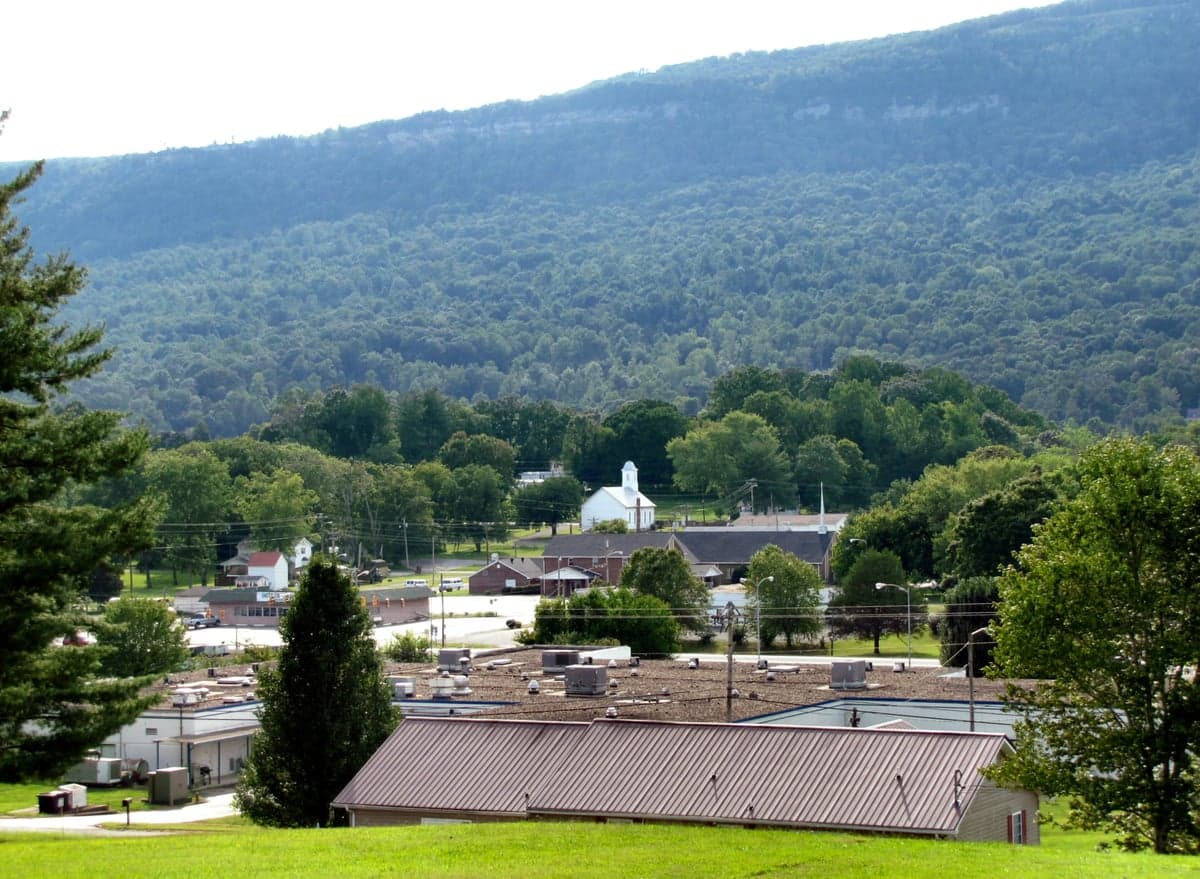
Photo: Wikipedia
Quality of Life in Whitwell, TN
Above-average quality of iife. The area offers a reasonable cost of living, decent mobility, and a mix of neighborhood amenities.
What does Quality of Life tell us?
Quality of Life blends cost of living, nearby amenities, socioeconomic signals, and neighborhood character. City-level scores represent the whole municipality; individual neighborhoods can differ.
What does this tell us?
Quality of Life blends cost of living, nearby amenities, socioeconomic signals, and neighborhood character. City-level scores represent the whole municipality; individual neighborhoods can differ.
Cost of Living
40% below national average
The Real Cost of Living in Whitwell, TN for 2026
| Tier | Individual | Family (4) |
|---|---|---|
| Survival | $13k | $25k |
| Comfortable | $24k | $35k |
| Luxury | $80k+ | $124k+ |
| Elite (Top 5%) | $94k+ | $146k+ |
180%
The Area Signal
A metric tracking the socioeconomic signals of the area.
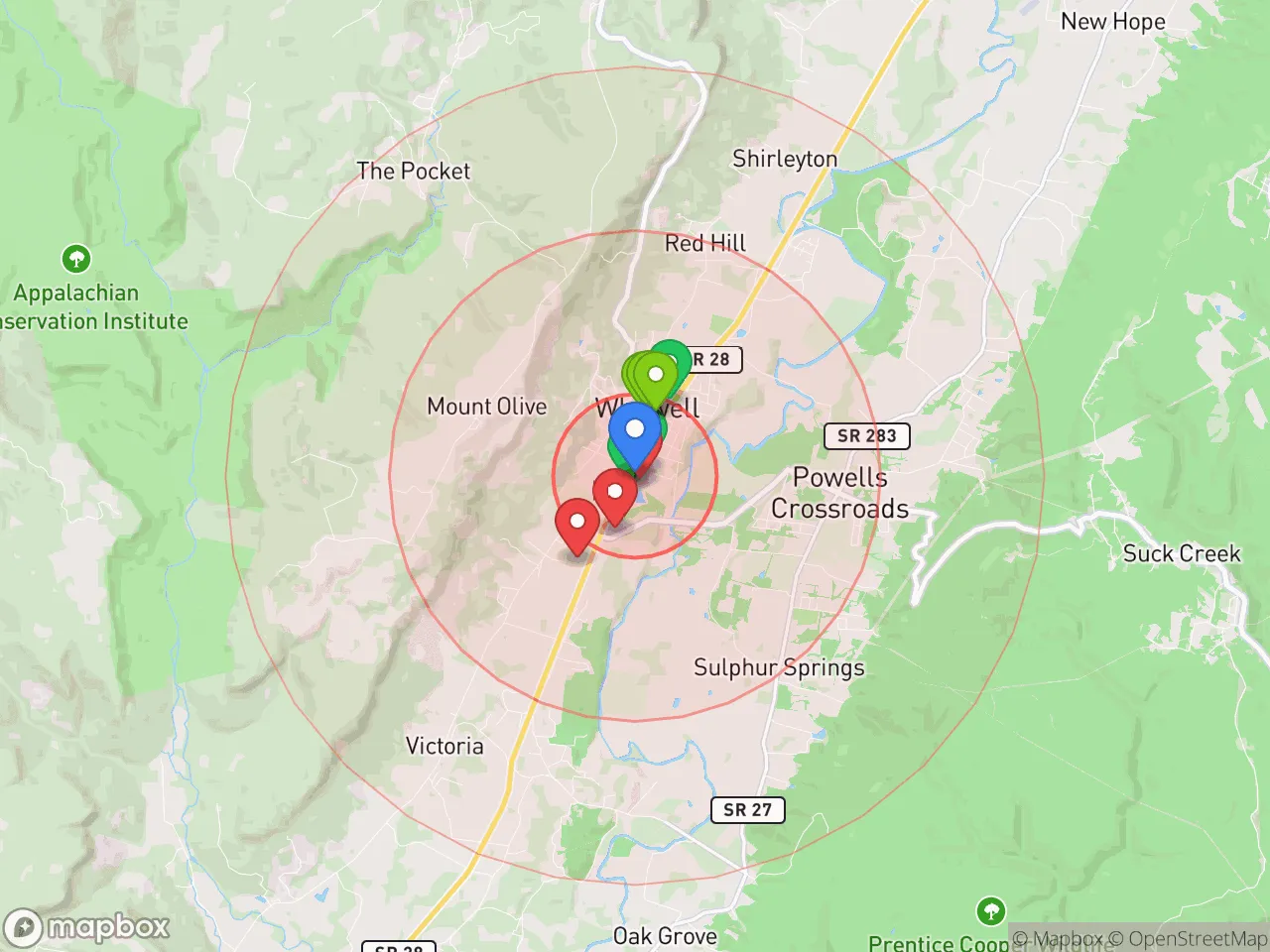
Hobbies
Explore the areaGroceries
0 within 10 miles
Gas
2 within 10 miles
Hospital
12 within 20 miles
Airport
BNA — Nashville International
Post Office
USPS — Whitwell, TN
Critical Amenities
Quality-of-Life Analysis
Whitwell, Tennessee, presents a notably affordable quality of life that stands in sharp contrast to the national average, with a cost of living index of 60 (where 100 equals the U.S. average). This small Marion County town, with a population hovering around 1,700, attracts a mix of families seeking lower housing costs, retirees on fixed incomes, and workers willing to endure a longer commute for the trade-off of rural tranquility. The area’s relative affluence is modest—median household incomes trail state averages—but the low cost of living stretches dollars further than in nearby Chattanooga or Nashville.
How housing costs and affordability compare to nearby cities
Housing in Whitwell is substantially cheaper than in most of Tennessee and the broader Southeast. The median home value sits at $121,700, roughly half the national median and significantly below Chattanooga’s median of about $250,000. Median rent is $834, making it one of the most budget-friendly rental markets in Marion County. For context, a comparable rental in nearby Jasper or Dunlap might run 10–15% higher, while in Chattanooga’s urban core, rents often exceed $1,200. The trade-off is a longer average commute of 38.4 minutes, which reflects many residents traveling to jobs in Chattanooga (about 30 miles east) or to industrial employers in Kimball and South Pittsburg. Property taxes remain low, with Marion County’s rate around $0.50 per $100 of assessed value, keeping monthly carrying costs well below state averages.
What daily life is like for families: schools, amenities, and local rhythm
Daily life in Whitwell centers on a quiet, small-town pace with limited but essential amenities. The town’s public schools—Whitwell Elementary, Whitwell Middle, and Whitwell High School—serve the community with a student-teacher ratio near 15:1, though state test scores trail slightly behind Marion County averages. For groceries and basic shopping, residents rely on a local Food City and a handful of dollar stores; for major retail or healthcare, most drive 20 minutes to Jasper or 35 minutes to Chattanooga. Outdoor recreation is a key draw: the nearby Sequatchie Valley offers hiking, fishing, and the Nickajack Lake reservoir for boating. The town’s social rhythm revolves around church events, high school sports, and the annual Whitwell Fall Festival. Dining options are limited to a few local diners and fast-food chains, with no sit-down restaurants open past 9 p.m. on weeknights.
Whitwell is best suited for those who prioritize low housing costs and a quiet, rural lifestyle over urban conveniences and short commutes. Families with school-age children will find a tight-knit community and affordable homeownership, while remote workers can leverage the low cost of living if they can tolerate the limited internet options—fiber is not yet widely available. Retirees on fixed incomes will appreciate the low property taxes and slower pace, though access to specialized healthcare requires a drive. The town is less ideal for young professionals seeking nightlife, diverse dining, or career growth outside of manufacturing, logistics, or commuting. For those who value space, affordability, and a slower rhythm, Whitwell offers a genuine small-town Tennessee experience at a fraction of the cost of larger cities.

Crime in Whitwell, TN
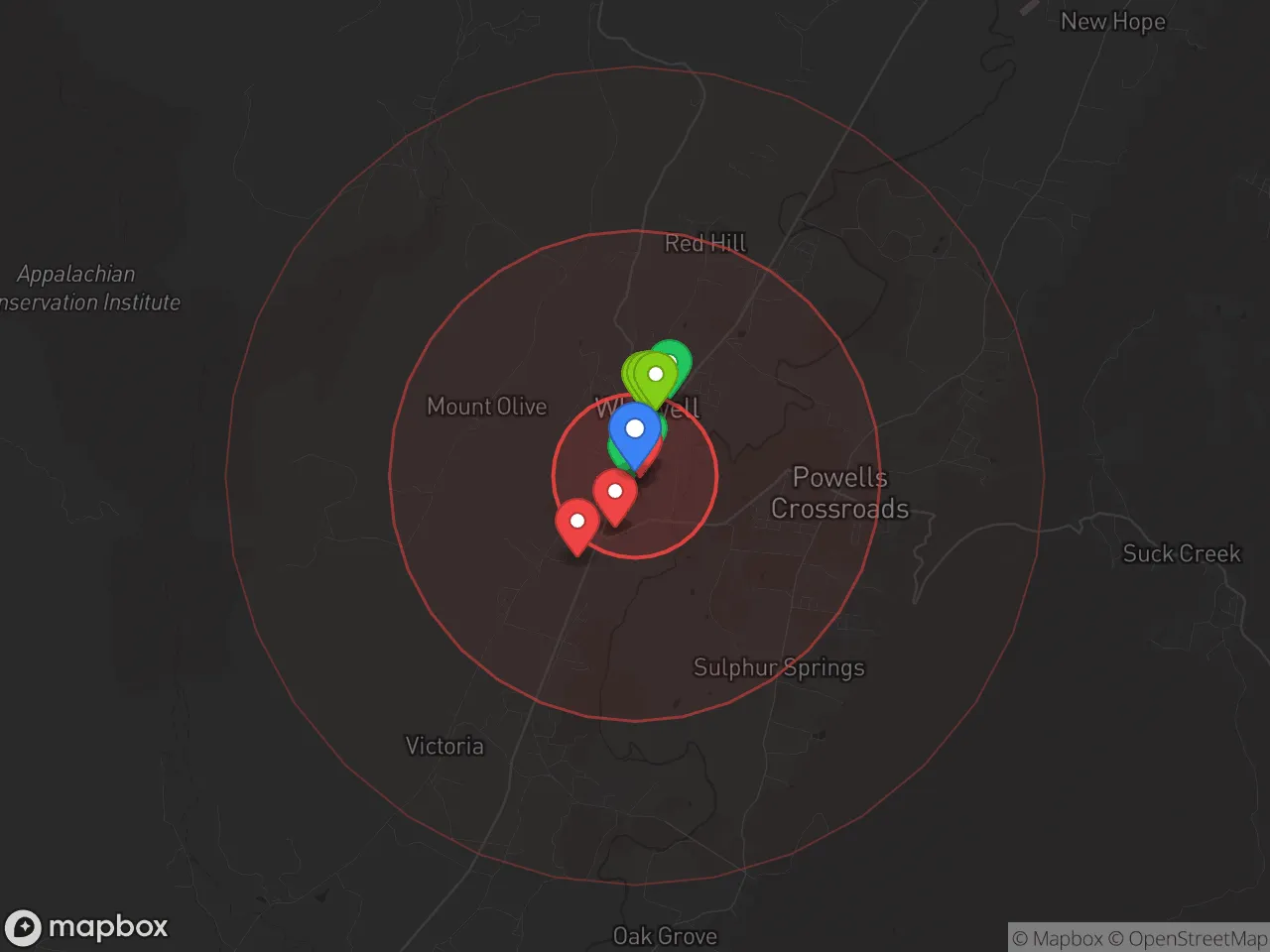
Higher crime rates than 58% of comparable U.S. locations.
Violent CrimeViolent Crime Analysis
Property CrimeProperty Crime Analysis
Crime Analysis
Whitwell, Tennessee, a small town in Marion County, reports a violent crime rate of 490.5 per 100,000 residents and a property crime rate of 1,654.8 per 100,000. These figures place Whitwell in a higher-risk category compared to the safest U.S. communities, though the town's rural setting and tight-knit population of roughly 1,700 mean crime is not evenly distributed. The overall safety picture is mixed: residents enjoy a low-key lifestyle, but the data signals that property theft and violent incidents occur at rates that warrant caution, particularly for newcomers unfamiliar with local dynamics.
Crime in context
Whitwell’s violent crime rate of 490.5 per 100,000 is roughly 40% higher than the national average of about 370 per 100,000 and significantly above Tennessee’s state rate of approximately 620 per 100,000. Property crime in Whitwell, at 1,654.8 per 100,000, sits below the national average of roughly 1,950 per 100,000 but aligns closely with Tennessee’s statewide property crime rate of about 1,700 per 100,000. These comparisons place Whitwell in a middle tier for safety within the state: not as dangerous as high-crime urban centers like Memphis or Chattanooga, but notably less safe than the safest rural counties in eastern Tennessee. The town’s proximity to Chattanooga (about 30 miles east) means it is part of a broader metropolitan orbit where crime patterns from the larger city can spill over into smaller communities.
What residents experience
For those living in Whitwell, the most common crime concerns are property-related: theft from vehicles, burglary of unoccupied homes, and occasional vandalism. Violent crime, while less frequent, includes aggravated assault and, in rare cases, robbery. The town’s police department is small, and response times can be slower than in urban areas. A key factor influencing safety is the local justice system’s philosophy. Marion County, like many rural Tennessee counties, has not adopted the progressive prosecutorial policies seen in larger metropolitan areas. However, the broader trend in Tennessee’s judicial system—particularly in nearby Chattanooga and Hamilton County—has moved toward more lenient sentencing and pretrial release policies. This progressive approach, while intended to reduce incarceration, has been linked to higher recidivism and more property crimes as repeat offenders cycle through the system. Residents report that known offenders are often back on the street quickly, which erodes trust in the justice system and increases anxiety about property security.
Neighborhood-level variation
Safety in Whitwell is not uniform. The core historic district around Main Street and the residential areas near Whitwell Elementary tend to see lower crime, as neighbors know each other and watch out for suspicious activity. In contrast, the outskirts along Highway 28 and the more isolated rural roads experience higher rates of burglary and theft, particularly targeting unoccupied vacation homes and storage sheds. Newcomers should prioritize homes with good visibility from the road, strong exterior lighting, and a neighborhood watch presence. Renting or buying in the immediate vicinity of the town’s two schools (Whitwell Elementary and Whitwell High School) generally offers the safest environment, as school traffic and parental presence act as informal deterrents. Overall, Whitwell is a community where proactive security measures—like locking vehicles, installing cameras, and joining local Facebook safety groups—make a measurable difference in daily safety.
* Values derived from national, state, county, city and local statistics and may differ in a specific area. Last updated: 2026-10-13T20:16:22.000Z
Narrative content on this page is AI-generated and may contain mistakes. Verify any details that matter before acting on them.
ReloMaps may earn a commission from affiliate links at no extra cost to you.

