Photo: Wikipedia
Find The Best Places To Live in Pocahontas County
PRO TIP! You can paste a Zillow or Redfin link to get info on that property.
What It's Like Living in Pocahontas County, WV
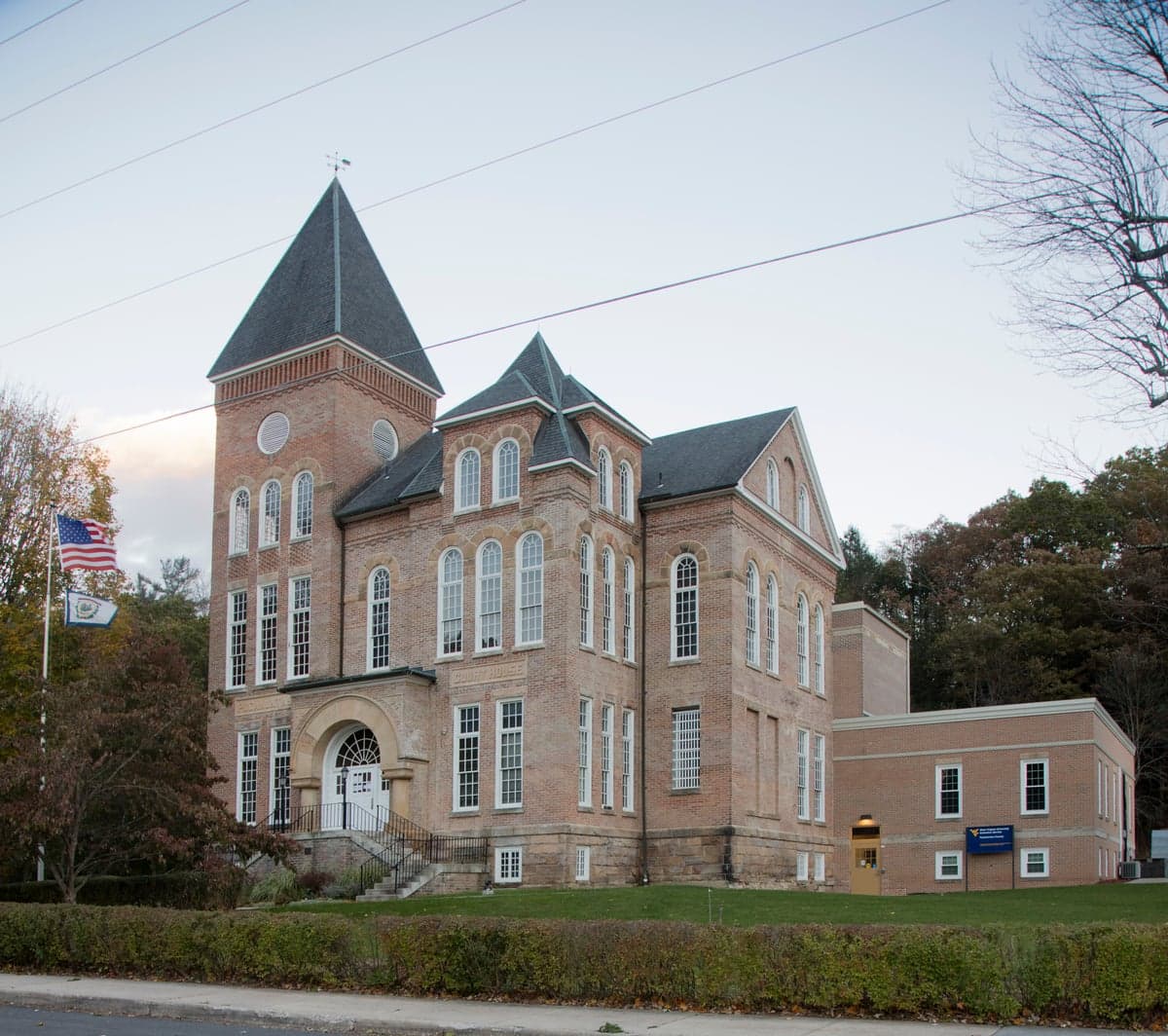
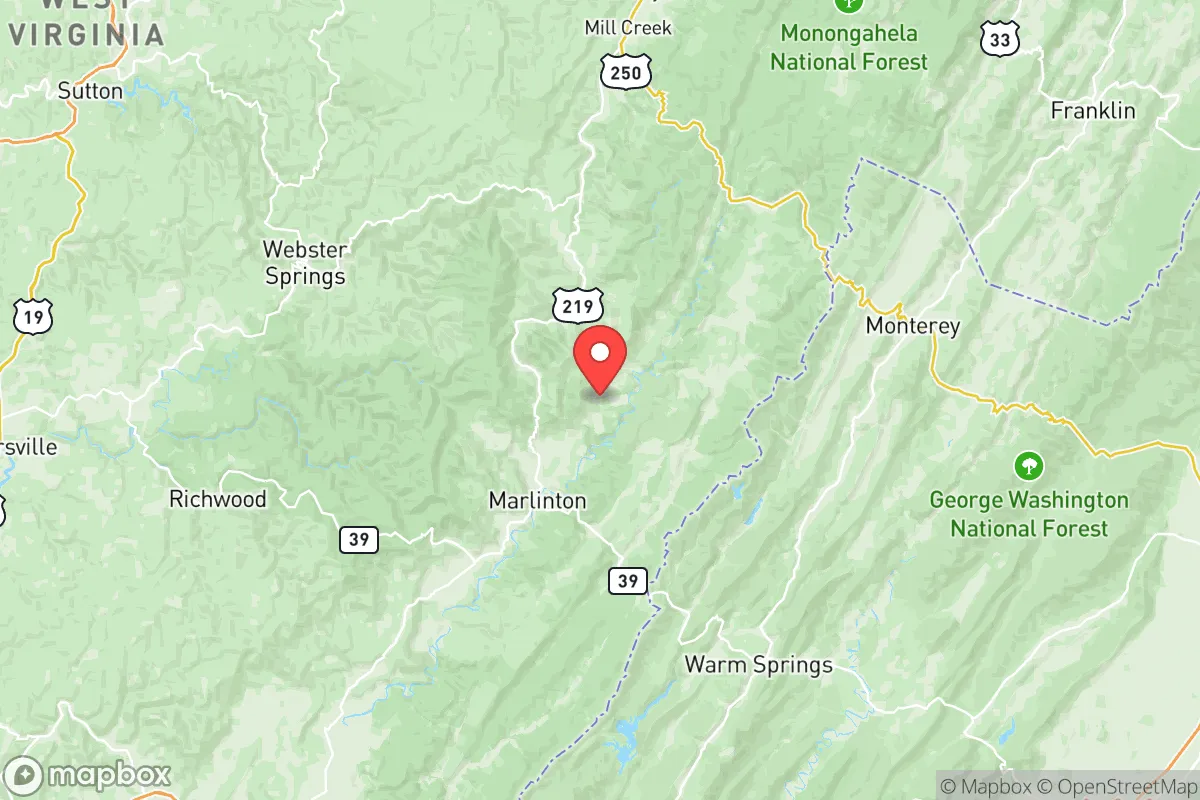
Living in Pocahontas County, West Virginia, feels like stepping into a different rhythm—one set by the seasons, the mountains, and a deep sense of self-reliance. With a population of just 7,855 spread across towns like Marlinton, Snowshoe, and Durbin, this is a place where you know your neighbors, and the nearest traffic jam is usually a logging truck or a line of leaf-peepers in October. It’s a county that attracts people who value quiet, outdoor access, and a slower pace, but it also demands a certain grit, especially when winter hits or when you need to drive an hour for a major grocery run.
Daily Rhythm: What Life Actually Looks Like
For most residents, the day starts early. The average commute is just over 22 minutes—short by national standards, but that drive often winds through the Greenbrier River Valley or up the slopes toward Snowshoe. In Marlinton, the county seat, you’ll find the morning crowd at The Front Porch coffee shop or grabbing a biscuit at Marlinton’s IGA, which is the main grocery anchor for the area. People work in tourism, forestry, healthcare at Pocahontas Memorial Hospital, or remotely if they can get reliable internet—a real challenge in some hollows. Weekends are spent on the Greenbrier River, fishing or floating, or hiking the trails of the Monongahela National Forest. The median age here is 49.8, so you’ll see a mix of retirees who moved for the quiet and younger families who grew up in the area and stayed.
The cost of living index sits at 55—well below the national average of 100—which makes a median home value of $139,400 feel attainable. A family can buy a decent three-bedroom in Marlinton or Hillsboro for well under $150,000, though inventory is tight. The trade-off is that median household income is only $41,200, and good-paying jobs outside of tourism or the school system are scarce. Many residents commute to Lewisburg or even Elkins for work, and the county’s 15.8% college-educated rate reflects a workforce that’s more hands-on than white-collar.
Sports, Community, and the Snowshoe Factor
High school sports are the heartbeat of community life. Pocahontas County High School in Durbin fields teams in football, basketball, and baseball, and Friday-night games in the fall are a genuine social event—everyone from Marlinton to Cass shows up. There’s no pro sports nearby, but the Snowshoe Mountain Resort brings a different kind of energy. Snowshoe is a major ski destination in the Mid-Atlantic, and during winter, the town’s population swells with visitors. Locals often work there as instructors, lift operators, or in hospitality, and the resort’s bars—like The Junction at Snowshoe—are where you’ll find live music and a mix of tourists and year-round residents. In summer, Snowshoe shifts to mountain biking and golf, drawing a different crowd.
The county’s biggest cultural event is the Pocahontas County Fair in Marlinton every August—think livestock shows, carnival rides, and the kind of small-town pageantry that’s been running for over 70 years. There’s also the Autumn Harvest Festival in Cass, which celebrates the region’s logging history with steam train rides on the Cass Scenic Railroad. These events are where you’ll feel the county’s identity most strongly: independent, proud of its Appalachian heritage, and wary of outsiders who don’t respect the land.
What’s There to Do—and What’s Frustrating
Outdoor recreation is the main draw. The Greenbrier River Trail runs 77 miles through the county, perfect for biking or hiking. The Monongahela National Forest covers a huge chunk of the area, with spots like the Falls of Hills Creek and Spruce Knob—West Virginia’s highest point—within a short drive. Hunting and fishing are year-round pursuits, and the Greenbrier River is a top smallmouth bass stream. For a night out, The Hungry Bear in Marlinton serves solid pub food, and Snowshoe’s restaurants offer everything from pizza to fine dining, though prices are higher on the mountain.
But there are real downsides. The violent crime rate is 233.4 per 100,000—higher than the national average of about 380, but still a concern in a county this small. Property crime, especially theft from vehicles, is the more common issue, often tied to the transient tourist population. The weather is another factor: winters are long and snowy, especially above 3,000 feet, and roads can be treacherous. Snowshoe gets over 180 inches of snow annually, and while that’s great for skiing, it means regular shoveling and the occasional power outage. Internet access is spotty in rural areas, which frustrates remote workers. And if you need a major shopping trip, it’s an hour to Lewisburg or Elkins for a Walmart or Home Depot.
Who Fits In—and Who Doesn’t
Pocahontas County is best suited for people who are self-sufficient, comfortable with solitude, and passionate about the outdoors. It’s a conservative-leaning area—gun rights and property rights are taken seriously—and the local culture values neighborly help over government intervention. Families who move here often do so for the schools (small class sizes, strong community support) and the safety of letting kids roam the woods. Retirees come for the low cost of living and the peace. But if you need nightlife, ethnic restaurants, or a fast-paced career, you’ll likely feel isolated. The median income of $41,200 means most people aren’t wealthy, but they own their homes and live debt-free. It’s a trade-off: you trade convenience and opportunity for space, quiet, and a life that’s closer to the land.

* Values derived from national, state, county, city and local statistics and may differ in a specific area. Last updated: 2026-11-11T23:11:40.000Z
Narrative content on this page is AI-generated and may contain mistakes. Verify any details that matter before acting on them.
ReloMaps may earn a commission from affiliate links at no extra cost to you.

