Personal Sovereignty in Mcdowell County
Strong independent fundamentals that actively favor personal liberty and low regulation.
What does Personal Sovereignty tell us?
Personal Sovereignty measures your capacity for self-reliance and independence with minimal government friction. Higher scores mean fewer barriers between you and the way you want to live... but it assumes you have the space you need and good neighbors.
What does this tell us?
Personal Sovereignty measures your capacity for self-reliance and independence with minimal government friction. Higher scores mean fewer barriers between you and the way you want to live... but it assumes you have the space you need and good neighbors.
State Policy
Energy independence: Net exporter (200% of energy produced in-state)
Personal Liberty
Homesteading

Personal Liberty Analysis
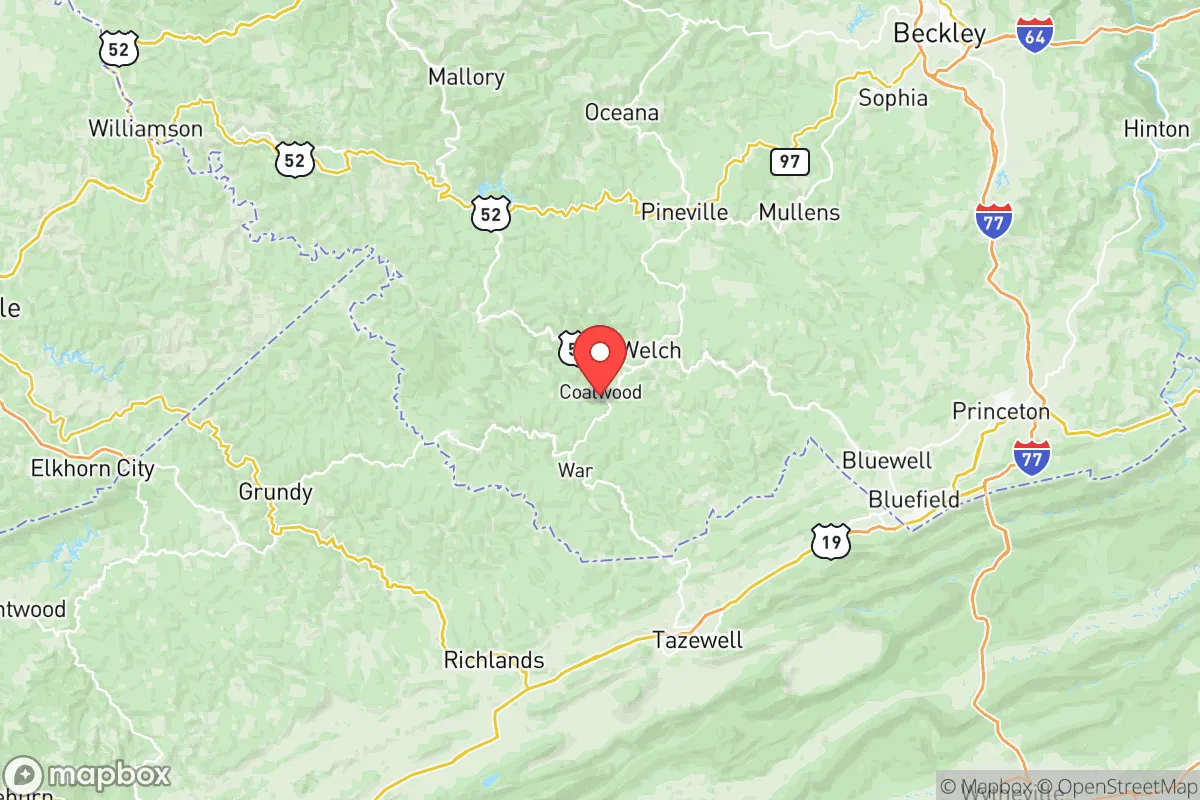
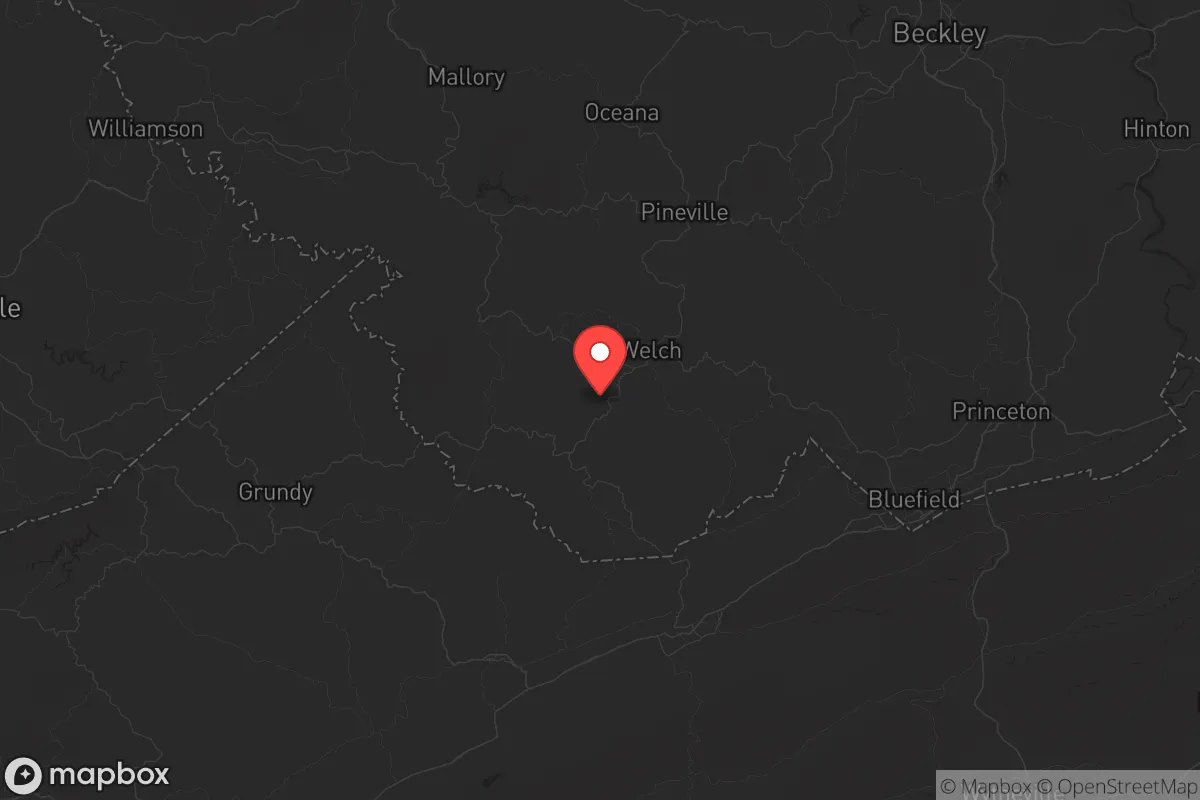
McDowell County, West Virginia, offers one of the most robust personal sovereignty environments in the Appalachian region, characterized by minimal local government interference, a deeply ingrained culture of self-reliance, and state-level policies that consistently prioritize individual autonomy over collective mandates. For relocation researchers focused on personal freedom, this county stands apart from more regulated areas of the Mid-Atlantic and Northeast, with a regulatory posture that is intentionally light-touch across taxation, land use, and personal conduct. The county seat of Welch, along with smaller communities like Kimball, Iaeger, and Anawalt, each reflect this ethos, though practical differences in infrastructure and local enforcement do exist between the more populated valleys and the remote hollows.
Tax burden and regulatory posture in McDowell County
West Virginia’s overall tax burden ranks among the lowest in the nation, and McDowell County benefits directly from this state-level framework. There is no state income tax on Social Security benefits, and the state’s flat personal income tax rate of 4.12% (as of 2026) is competitive. Property taxes in McDowell County are exceptionally low, with effective rates often below 0.5% of assessed value, a direct result of the state’s constitutional cap on property tax increases and the county’s own depressed property valuations. The regulatory environment at the county level is notably hands-off: there is no county-wide zoning ordinance in McDowell County, meaning residents in unincorporated areas like Bradshaw or War can build, renovate, or operate home-based businesses without seeking planning board approval. The county does enforce basic building codes for new construction tied to financing, but for cash buyers or owner-builders, the regulatory hurdles are minimal. Business licensing is straightforward, with no county-level occupational taxes, and the state’s right-to-work law further reduces regulatory friction for those starting small enterprises.
Self-defense and gun law specifics in McDowell County
West Virginia is a constitutional carry state, and McDowell County fully reflects this. Since 2016, any adult legally allowed to possess a firearm may carry it openly or concealed without a permit, and the county’s sheriff’s office, based in Welch, is known for a pro-Second Amendment stance. There are no county-level firearm registration requirements, no waiting periods, and no restrictions on magazine capacity or firearm types beyond federal law. Stand-your-ground laws apply statewide, with no duty to retreat in any place where a person is lawfully present. The county’s rural character means that firearm ownership is near-universal, and local law enforcement rarely, if ever, prosecutes defensive gun use cases that are clearly justified. For those interested in hunting or sport shooting, the county’s vast tracts of national forest and reclaimed mine lands offer abundant opportunities, and the state’s reciprocity agreements with dozens of other states make travel with firearms straightforward. In towns like Northfork or Maybeury, gun culture is simply a part of daily life, not a political statement.
Self-reliance and homesteading viability in McDowell County
McDowell County is one of the most viable locations in the eastern United States for off-grid homesteading and self-reliant living. Lot sizes in unincorporated areas are effectively unregulated; parcels of 1 to 20 acres are common and affordable, with raw land often selling for under $1,000 per acre. The absence of county zoning means that building a small cabin, setting up rainwater catchment, or installing solar panels requires no special permits. The county’s mountainous terrain and abundant rainfall make off-grid water systems practical, and the state’s net metering policy allows solar homeowners to sell excess power back to the grid. However, prospective homesteaders should note that soil quality in the county is generally poor due to historical mining, so raised-bed gardening or imported topsoil is often necessary. Septic system installation does require a county health department permit, but the process is straightforward and inexpensive compared to more regulated states. Communities like Berwind and Coalwood, once company towns, now offer some of the most affordable and unregulated land for those seeking total independence from municipal utilities.
Personal liberties in McDowell County: parental rights, medical autonomy, speech, and property
West Virginia law provides strong protections for parental rights, including a statutory presumption that parents act in their child’s best interest in medical and educational decisions. McDowell County’s school system, while underfunded, offers limited but real options for homeschooling, with minimal reporting requirements compared to states like New York or Pennsylvania. Medical autonomy is supported by the state’s broad conscience protections for healthcare providers and patients, though the county’s limited healthcare infrastructure means that truly alternative medical choices may require travel to larger cities like Bluefield or Beckley. Free speech is robustly protected under both the state constitution and local practice; the county’s political culture is overwhelmingly conservative, but dissent is generally tolerated without official retaliation. Property rights are strongly defended, with the state’s “takings” laws providing compensation for regulatory actions that diminish property value. The county’s historical reliance on extractive industries has created a legacy of surface and mineral rights complexities, so title searches are essential before purchasing land, but for those who do their due diligence, the freedom to use one’s property as one sees fit is among the highest in the region.
Overall, McDowell County offers a level of personal sovereignty that is increasingly rare in the United States, particularly for those seeking to live with minimal government involvement in their daily lives. The combination of no county zoning, constitutional carry, low taxes, and affordable land creates an environment where self-reliance is not just possible but culturally expected. While the county’s economic challenges and remote location are real considerations, for the relocation researcher prioritizing autonomy over convenience, McDowell County ranks among the top destinations in Appalachia for personal freedom.

* Values derived from national, state, county, city and local statistics and may differ in a specific area. Last updated: 2026-06-29T03:23:13.000Z
Narrative content on this page is AI-generated and may contain mistakes. Verify any details that matter before acting on them.
ReloMaps may earn a commission from affiliate links at no extra cost to you.

