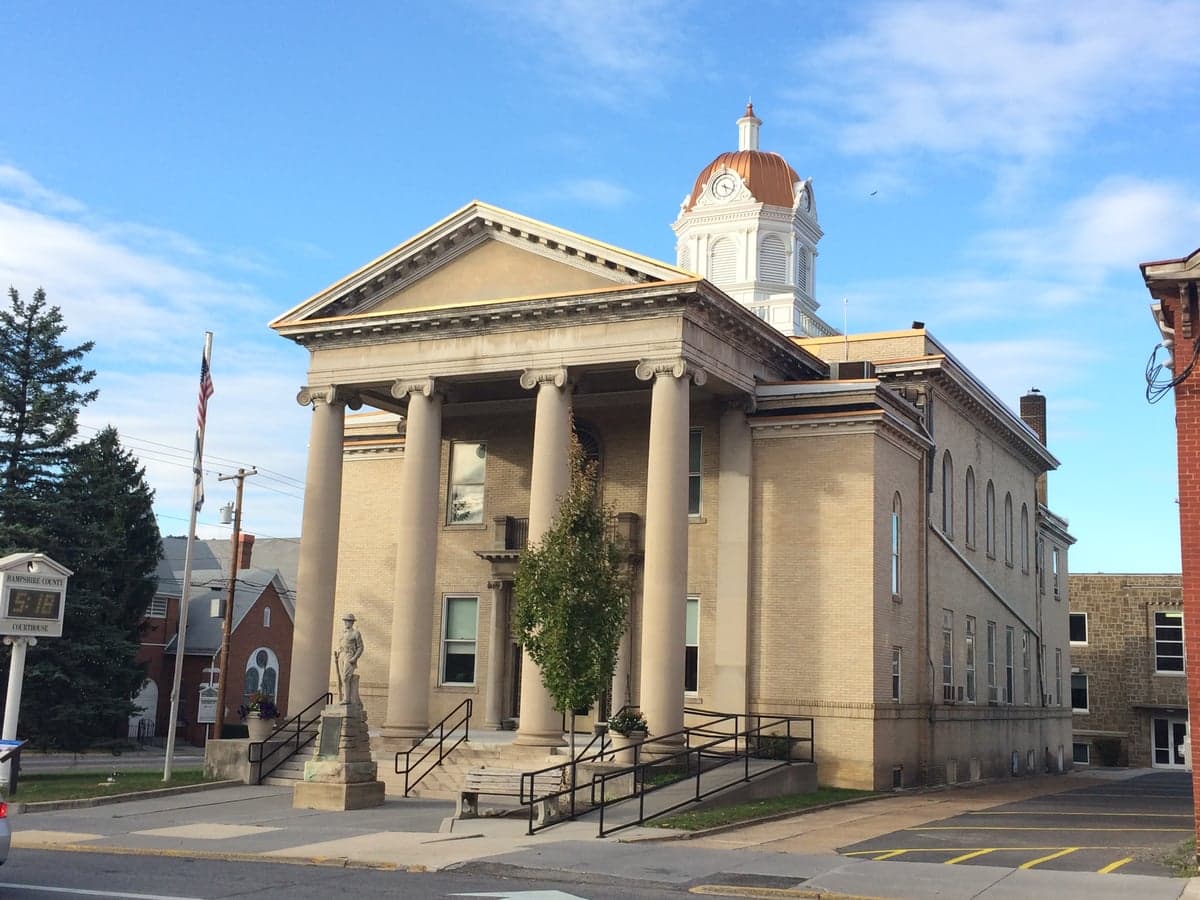
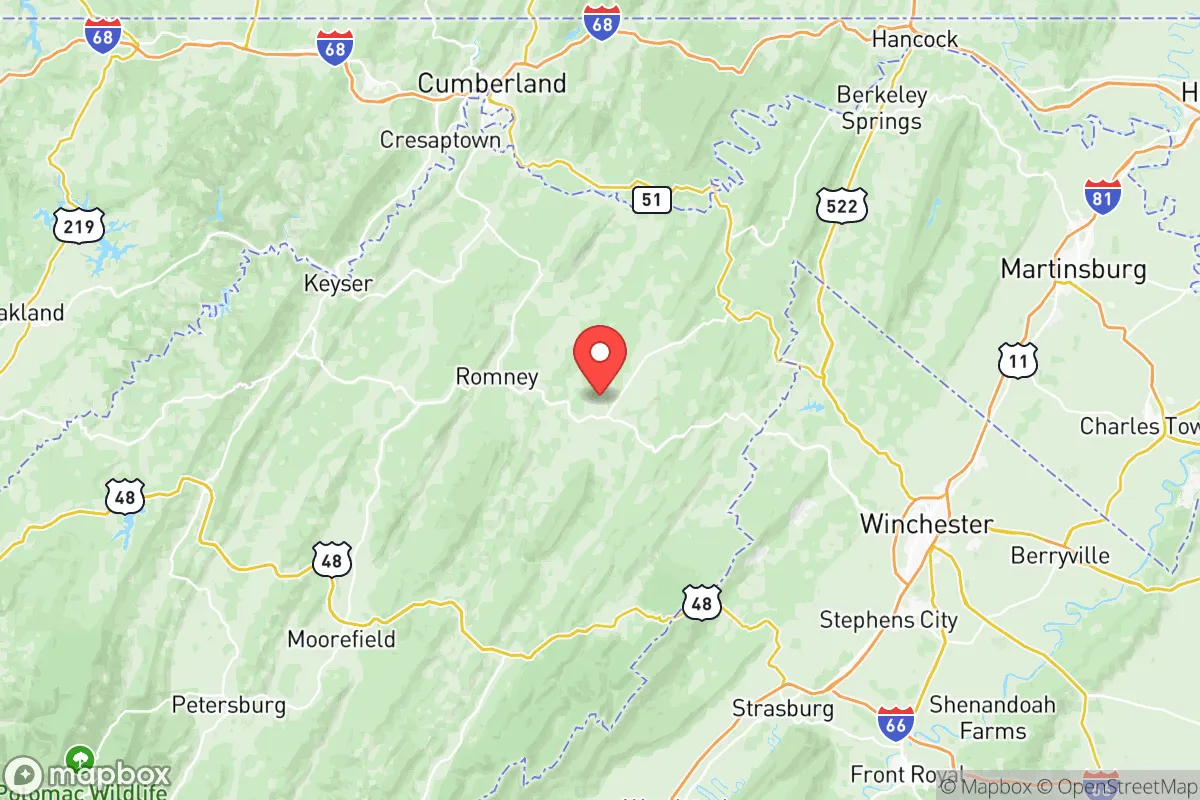
Photo: Wikipedia
Quality of Life in Hampshire County
A livable area that tracks near national norms for affordability, walkability, and neighborhood health.
What does Quality of Life tell us?
Quality of Life measures an area by evaluating factors like cost of living, nearby amenities, country club access, airport proximity, socioeconomic signals and neighborhood character. For large states, this is a general average — quality of life can vary dramatically between metro areas, suburbs, and rural communities within the same state.
What does this tell us?
Quality of Life measures an area by evaluating factors like cost of living, nearby amenities, country club access, airport proximity, socioeconomic signals and neighborhood character. For large states, this is a general average — quality of life can vary dramatically between metro areas, suburbs, and rural communities within the same state.
Cost of Living
33% below national average
103%
The Real Cost of Living in Hampshire County for 2026
| Tier | Individual | Family (4) |
|---|---|---|
| Survival | $12k | $22k |
| Comfortable | $40k | $58k |
| Luxury | $95k+ | $146k+ |
| Elite (Top 5%) | $111k+ | $172k+ |
Quality-of-Life Analysis
Hampshire County, West Virginia, offers a broad quality-of-life spectrum that spans from the walkable, historic county seat of Romney to deeply rural hollows and unincorporated communities where residents may live on dead-end roads surrounded by national forest. The county’s overall character is defined by its Appalachian ridge-and-valley terrain, low population density, and a cost of living that ranks among the most affordable in the Mid-Atlantic. People drawn here typically fall into two camps: those seeking a quiet, land-based lifestyle with space and privacy, and those who accept a long commute—the average commute in the county is 40.4 minutes—in exchange for a home price or rental rate that would be unattainable closer to the Washington, D.C. or Baltimore metro areas.
Largest town(s) & population centers
Romney, the county seat and largest incorporated town, is the commercial and civic hub of Hampshire County. With a population of roughly 1,700, Romney offers a compact, historic downtown anchored by the Romney Courthouse, a handful of locally owned restaurants and shops, and the campus of Potomac State College of West Virginia University. Daily life here is car-dependent but walkable within the core; residents can access a grocery store, a pharmacy, and the county library without a long drive. The town’s annual events, such as the Hampshire County Fair and the Apple Harvest Festival, provide a small-town social calendar. Just east of Romney, the unincorporated community of Springfield (population ~400) functions as a secondary node, with a post office, a few churches, and easy access to US-50 for commuters heading toward the Eastern Panhandle’s job centers in Martinsburg or Winchester, VA.
Smaller towns & rural pockets
Beyond Romney and Springfield, Hampshire County is dotted with unincorporated communities that each have a distinct character. Capon Bridge, located along the Cacapon River and US-50, is a growing exurban outpost where new subdivisions sit alongside older farmsteads; it has a small commercial strip with a grocery store, a hardware store, and a popular diner. Augusta, in the county’s northern end, is a quiet crossroads community known for the Augusta Heritage Center and its summer folk music workshops, drawing a seasonal influx of artists and musicians. Slanesville and Yellow Spring are deeply rural pockets where paved roads give way to gravel, and the nearest gas station or restaurant may be a 20-minute drive. The county’s western edge, along the South Branch Potomac River, includes the hamlets of Junction and Green Spring, where agriculture and hunting leases dominate the landscape. These areas offer the highest degree of privacy and the lowest property prices in the county.
Cost & lifestyle range
The cost of living in Hampshire County is exceptionally low: the overall cost-of-living index sits at 67 (100 equals the U.S. average), meaning everyday expenses are roughly one-third below the national norm. The median home value is $204,600, and the median rent is $732—both figures that make the county one of the most affordable housing markets in the broader Washington, D.C. commuting zone. At the lower end of the cost spectrum, rural properties in Slanesville or Yellow Spring can be found for under $150,000, often on 1–5 acres, though these homes may require well and septic maintenance and a longer drive to any services. At the upper end, newer subdivisions near Capon Bridge and Romney—such as those off Cold Stream Road or in the Tannery Hill area—list homes in the $250,000–$350,000 range, offering modern construction, central air, and shorter commutes to US-50. Renters in Romney or Capon Bridge typically pay $700–$900 for a two-bedroom apartment or house, while rural rentals can dip below $600 but are scarce. The trade-off is clear: lower cost means longer drives, fewer nearby amenities, and a heavier reliance on personal vehicles for everything from groceries to medical care.
Hampshire County is best suited for people who prioritize space, quiet, and affordability over urban convenience. Remote workers, retirees on fixed incomes, and commuters willing to endure a 40-minute average drive to jobs in the Eastern Panhandle or the I-81 corridor will find the most value here. Families seeking a slower pace and access to outdoor recreation—hiking in the George Washington National Forest, fishing on the Cacapon River, or hunting on private land—also thrive. Those who need walkable neighborhoods, frequent public transit, or a dense social scene will likely find the county too isolated. For the right resident, however, Hampshire County delivers a quality of life that is both financially sustainable and deeply connected to the natural landscape.

Crime in Hampshire County
Generally safer than 68% of comparable U.S. locations.
Violent CrimeViolent Crime Analysis
Property CrimeProperty Crime Analysis
Crime Analysis
Hampshire County, West Virginia, presents a mixed safety profile that is significantly safer than the national average for violent crime but slightly elevated for property crime, with notable variation between its rural expanses and small towns. The county's violent crime rate of 233.4 per 100,000 residents is roughly 33% lower than the U.S. national average, while its property crime rate of 956.7 per 100,000 sits about 10% below the national figure. However, these countywide averages mask important differences between communities like the county seat of Romney, the historic town of Capon Bridge, and the unincorporated areas around Augusta and Springfield.
Crime in context
Compared to West Virginia's statewide violent crime rate of approximately 310 per 100,000, Hampshire County's rate is notably lower, placing it among the safer rural counties in the Eastern Panhandle. Property crime, however, runs slightly higher than the state average of roughly 900 per 100,000, driven largely by thefts from vehicles and outbuildings in more populated areas. The county's proximity to the Washington, D.C., metro area — about a two-hour drive — means that property crime patterns sometimes mirror those of exurban communities, with opportunistic thefts occurring near Interstate 68 and U.S. Route 50 corridors. The Hampshire County Sheriff's Office, which provides primary law enforcement for unincorporated areas, reports that drug-related offenses, particularly methamphetamine and opioid possession, account for a significant share of arrests, though violent incidents remain infrequent.
What residents experience
Residents in Romney and Capon Bridge report that violent crime is rare and typically involves domestic disputes or isolated assaults rather than random stranger-on-stranger violence. The town of Romney, with a population under 2,000, recorded zero homicides in recent years, and its small police department focuses on traffic enforcement and community engagement. In contrast, property crime is a more common concern: unlocked vehicles, sheds, and rural properties are frequent targets. The unincorporated community of Springfield, located along the South Branch Potomac River, sees lower property crime rates due to its sparse population, while areas closer to the Hardy County line near Wardensville experience occasional thefts tied to transient populations. The 22nd Judicial Circuit Court, which serves Hampshire County along with Hardy and Pendleton counties, handles felony cases; the circuit's judges have maintained a generally conservative approach to sentencing, which aligns with the region's political leanings and contributes to lower recidivism compared to more progressive jurisdictions in larger metro areas.
Neighborhood-level variation
Neighborhood safety in Hampshire County correlates strongly with population density and proximity to major roads. The town of Capon Bridge, situated at the intersection of U.S. 50 and the Cacapon River, sees slightly elevated property crime due to its role as a commuter hub for workers heading to Winchester, Virginia, and beyond. Conversely, the rural areas around Slanesville and Yellow Spring experience very low crime rates, with residents often leaving doors unlocked and relying on neighborly watchfulness. The county's lack of a large urban center means that the progressive prosecutorial policies seen in cities like Baltimore or Washington, D.C., have no foothold here; the Hampshire County Prosecuting Attorney's office pursues charges aggressively, particularly for drug trafficking and repeat property offenders. For prospective residents, the safest choices are the deeply rural northern and western portions of the county, while those buying property near the Potomac River or along the main commuting corridors should invest in basic security measures like outdoor lighting and secure storage.
* Values derived from national, state, county, city and local statistics and may differ in a specific area. Last updated: 2026-10-23T18:20:33.000Z
Narrative content on this page is AI-generated and may contain mistakes. Verify any details that matter before acting on them.
ReloMaps may earn a commission from affiliate links at no extra cost to you.

