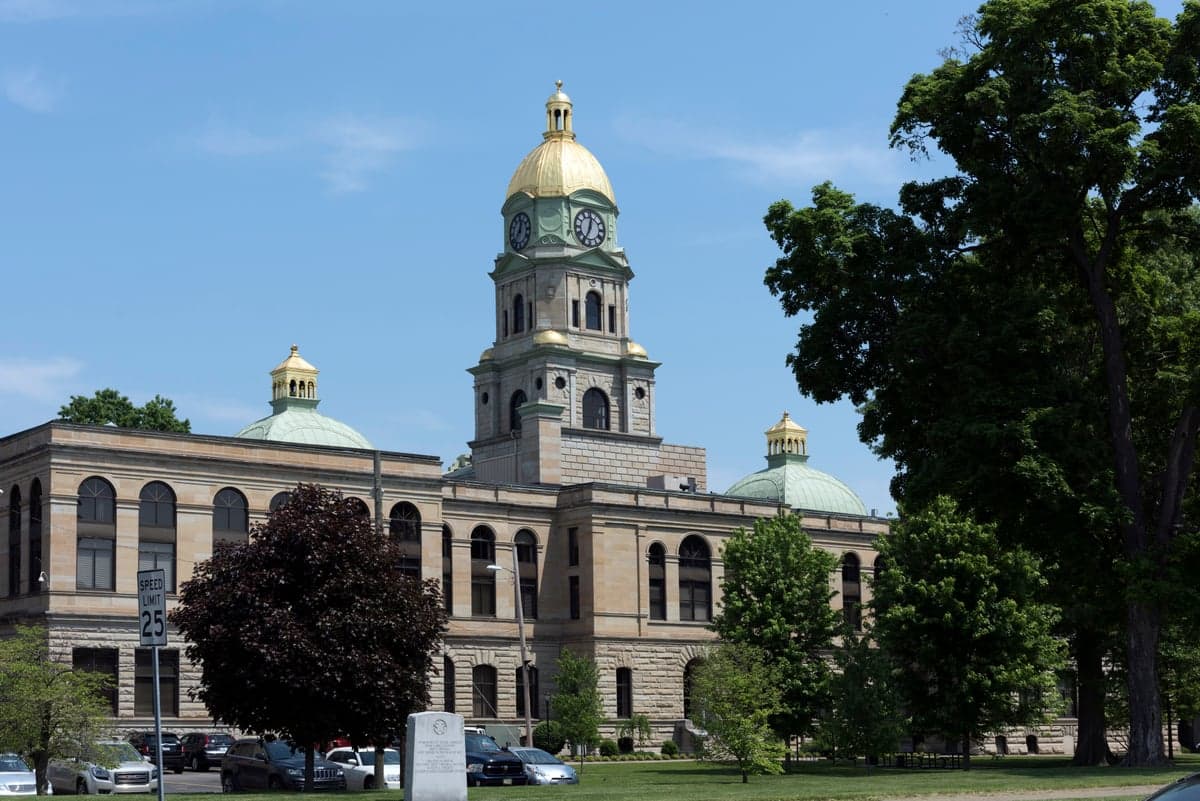
Photo: Wikipedia
Quality of Life in Cabell County
A livable area that tracks near national norms for affordability, walkability, and neighborhood health.
What does Quality of Life tell us?
Quality of Life measures an area by evaluating factors like cost of living, nearby amenities, country club access, airport proximity, socioeconomic signals and neighborhood character. For large states, this is a general average — quality of life can vary dramatically between metro areas, suburbs, and rural communities within the same state.
What does this tell us?
Quality of Life measures an area by evaluating factors like cost of living, nearby amenities, country club access, airport proximity, socioeconomic signals and neighborhood character. For large states, this is a general average — quality of life can vary dramatically between metro areas, suburbs, and rural communities within the same state.
Cost of Living
33% below national average
118%
The Real Cost of Living in Cabell County for 2026
| Tier | Individual | Family (4) |
|---|---|---|
| Survival | $14k | $26k |
| Comfortable | $30k | $45k |
| Luxury | $95k+ | $148k+ |
| Elite (Top 5%) | $128k+ | $198k+ |
Quality-of-Life Analysis
Cabell County, West Virginia, offers a broad quality-of-life spectrum that ranges from the walkable, amenity-rich college town of Huntington to quiet unincorporated communities and rural farmland, attracting everyone from university students and young professionals to retirees seeking low costs and families wanting space. With a cost of living index of 67 (well below the US average of 100), a median home value of $156,100, and a median rent of $877, the county provides distinct lifestyle options at different price points, all within a short average commute of just under 22 minutes.
Largest town(s) & population centers
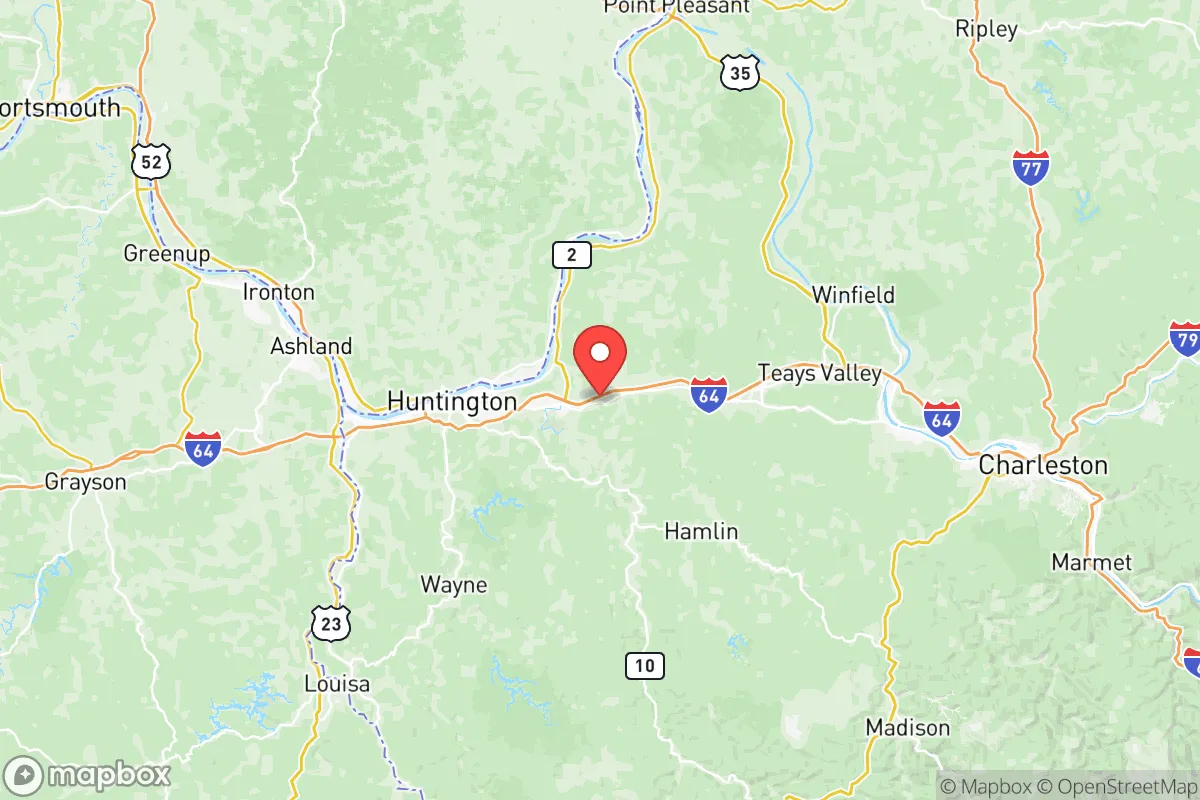
Huntington, the county seat and largest city, is the clear population and economic hub, home to Marshall University and a downtown core with restaurants, bars, and cultural venues like the Keith-Albee Performing Arts Center. Daily life here is defined by a mix of student energy and urban convenience: residents walk to campus, bike along the Paul Ambrose Trail for Health (PATH), and access grocery stores, hospitals, and retail within a few miles. Housing in Huntington spans from historic Victorian homes near Ritter Park to more affordable apartments near the university, with median rents aligning closely with the county average. The city also anchors the region's job market, with major employers including Marshall University, Cabell Huntington Hospital, and Amazon's Huntington fulfillment center. For those wanting urban amenities without a high price tag, Huntington delivers a compact, walkable lifestyle.
Smaller towns & rural pockets
Outside Huntington, the county's smaller communities offer a quieter, more land-oriented pace. Barboursville, just east of Huntington, is a growing suburb with its own shopping corridor (the Huntington Mall area) and a historic village district, appealing to families who want proximity to city jobs but a small-town feel. Milton, further east, is a classic small town with a walkable Main Street, the Blenko Glass factory, and access to the Mud River; it attracts those who value local character and lower home prices. Culloden, straddling the Cabell-Putnam county line, is a rural crossroads community with a few stores and churches, popular with commuters who work in Huntington or Charleston. Unincorporated areas like Ona and Salt Rock are deeply rural, with large lots, farmland, and minimal services — ideal for those seeking privacy, acreage, and a self-sufficient lifestyle. These areas lack public transit and require a car for every errand, but the short commute times keep them viable for workers.
Cost & lifestyle range
The cost spread across Cabell County is modest but meaningful. At the higher end, Huntington's West End and Barboursville's newer subdivisions see median home values above the county average, often $180,000–$220,000 for updated homes, while still being a fraction of national prices. Rent in these areas can reach $1,000–$1,200 for a two-bedroom. At the lower end, rural Salt Rock and Ona offer homes under $120,000, and older apartments in Huntington's Fairfield neighborhood rent for $600–$700. The county's overall COL index of 67 means a dollar goes roughly 33% further than the US norm, making even the pricier pockets affordable by national standards. Amenities follow the density: Huntington provides full-service grocery stores, multiple healthcare options, and entertainment, while rural areas have only a gas station or small market, requiring a 15–20 minute drive for most needs. The trade-off is space — rural properties often include an acre or more, while urban lots are smaller.
Cabell County best suits people who want a low-cost, low-stress lifestyle with genuine choices between city energy and country quiet. College students and young professionals thrive in Huntington's walkable core; families and commuters find balance in Barboursville and Milton; and homesteaders, retirees, and remote workers appreciate the affordability and solitude of Ona and Salt Rock. The county's short commutes and strong sense of community across all its areas make it a practical, welcoming place for those who value both economy and variety.

Crime in Cabell County
Generally safer than 68% of comparable U.S. locations.
Violent CrimeViolent Crime Analysis
Property CrimeProperty Crime Analysis
Crime Analysis
Cabell County, West Virginia, presents a mixed safety picture that varies significantly by jurisdiction. The county’s overall violent crime rate of 229.7 per 100,000 residents sits below the national average of roughly 380 per 100,000, but its property crime rate of 944.7 per 100,000 exceeds the national average of approximately 1,954 per 100,000. However, these countywide figures mask sharp contrasts between the city of Huntington, which accounts for the majority of reported incidents, and smaller communities like Barboursville, Milton, and Culloden, where crime rates are substantially lower.
Crime in context
Cabell County’s violent crime rate is roughly 40% lower than the national average and well below the West Virginia state average of about 310 per 100,000. The property crime rate, while lower than the national average, is elevated compared to the state average of roughly 1,600 per 100,000. Huntington, the county seat and largest city, drives these numbers: the city’s violent crime rate is estimated at over 500 per 100,000, while Barboursville and Milton report rates closer to 150 per 100,000. The disparity is largely attributable to Huntington’s concentrated population, higher poverty rates, and the presence of a progressive judicial philosophy in the local court system. The Cabell County Prosecuting Attorney’s office, operating under a reform-minded approach, has emphasized diversion programs and reduced incarceration for non-violent offenders. While intended to reduce recidivism, this approach has been criticized for contributing to a revolving-door effect that leaves repeat property offenders on the streets, particularly in Huntington’s central districts.
What residents experience
Daily life in Cabell County depends heavily on where you live. In Huntington’s neighborhoods near Marshall University and the downtown core, residents report frequent vehicle break-ins, package thefts, and occasional confrontations with individuals experiencing homelessness or substance abuse. The city’s property crime rate is roughly 1,500 per 100,000, nearly double the county average. In contrast, residents of Barboursville, Milton, and the unincorporated community of Culloden describe a quieter experience, with property crime rates closer to 500 per 100,000 and violent crime almost nonexistent. The Cabell County Sheriff’s Office, which patrols unincorporated areas and smaller towns, maintains a more traditional law enforcement posture, contributing to lower crime rates outside Huntington. However, the county’s proximity to the Ohio River and Interstate 64 makes it a corridor for drug trafficking, with fentanyl and methamphetamine seizures common along the I-64 corridor between Huntington and Barboursville.
Neighborhood-level variation
Crime in Cabell County is not evenly distributed. Huntington’s West End and Fairfield neighborhoods report the highest violent crime rates, with incidents of aggravated assault and robbery concentrated in these areas. The Highlawn and South Side neighborhoods see moderate property crime but lower violent crime. Barboursville’s commercial corridor along U.S. Route 60 experiences retail theft and occasional vehicle break-ins, but residential areas remain safe. Milton and Culloden, both smaller towns, report crime rates 80% lower than Huntington’s. For prospective residents, the safest options are the suburban and rural areas of the county, particularly in the eastern and southern portions near the Putnam County line. The progressive judicial policies in Huntington’s municipal court system, which prioritize treatment over incarceration for drug-related offenses, have been linked to higher recidivism rates for property crime, making the city’s core less safe than its surrounding communities.
* Values derived from national, state, county, city and local statistics and may differ in a specific area. Last updated: 2026-07-16T02:13:28.000Z
Narrative content on this page is AI-generated and may contain mistakes. Verify any details that matter before acting on them.
ReloMaps may earn a commission from affiliate links at no extra cost to you.

