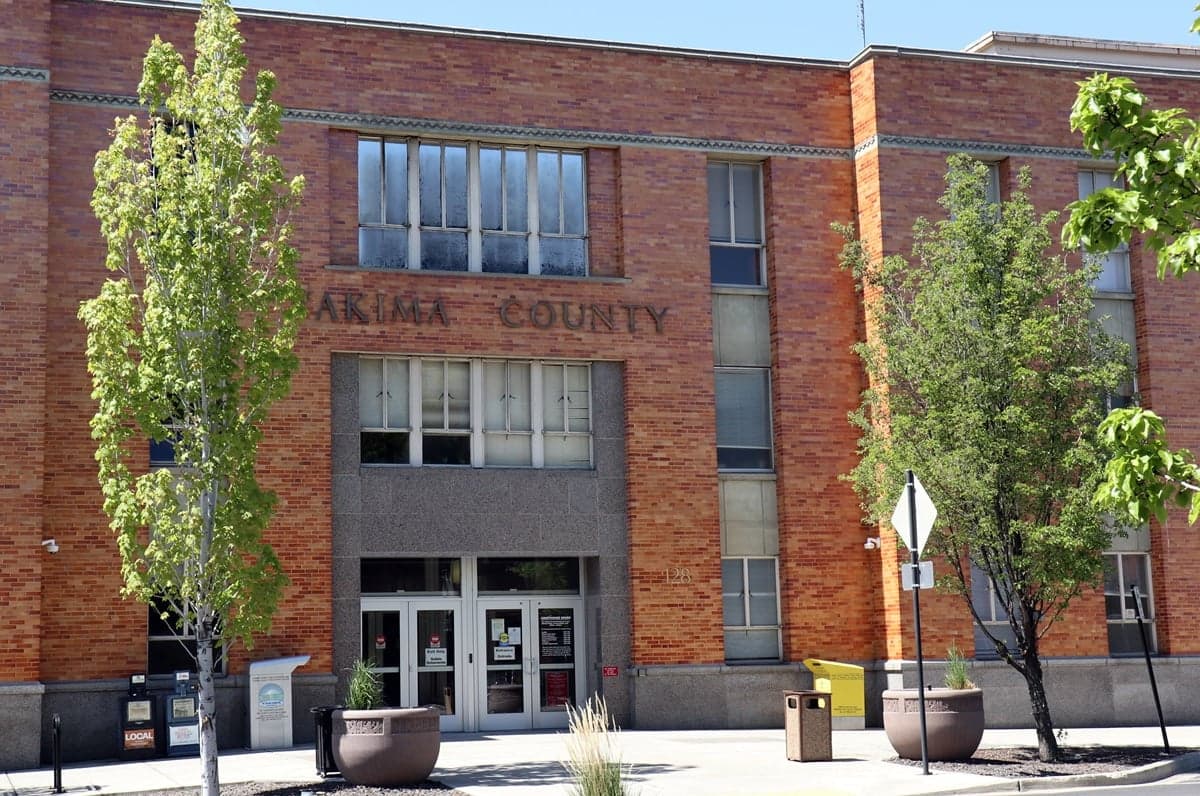
Photo: Wikipedia
Quality of Life in Yakima County
A livable area that tracks near national norms for affordability, walkability, and neighborhood health.
What does Quality of Life tell us?
Quality of Life measures an area by evaluating factors like cost of living, nearby amenities, country club access, airport proximity, socioeconomic signals and neighborhood character. For large states, this is a general average — quality of life can vary dramatically between metro areas, suburbs, and rural communities within the same state.
What does this tell us?
Quality of Life measures an area by evaluating factors like cost of living, nearby amenities, country club access, airport proximity, socioeconomic signals and neighborhood character. For large states, this is a general average — quality of life can vary dramatically between metro areas, suburbs, and rural communities within the same state.
Cost of Living
5% below national average
85%
The Real Cost of Living in Yakima County for 2026
| Tier | Individual | Family (4) |
|---|---|---|
| Survival | $17k | $32k |
| Comfortable | $55k | $80k |
| Luxury | $110k+ | $170k+ |
| Elite (Top 5%) | $129k+ | $200k+ |
Quality-of-Life Analysis
Yakima County offers a broad spectrum of quality-of-life options, ranging from the urban amenities of its largest city to the quiet, agricultural rhythms of its smaller towns and unincorporated rural pockets. The county is defined by its central role in Washington's agricultural economy, and the character of daily life shifts noticeably depending on whether one lives in the bustling county seat, a historic railroad town, or a remote farming community. People are drawn to different parts of the county based on their tolerance for commuting, their desire for walkable amenities, and their connection to the land-based industries that dominate the region.
Largest town(s) & population centers
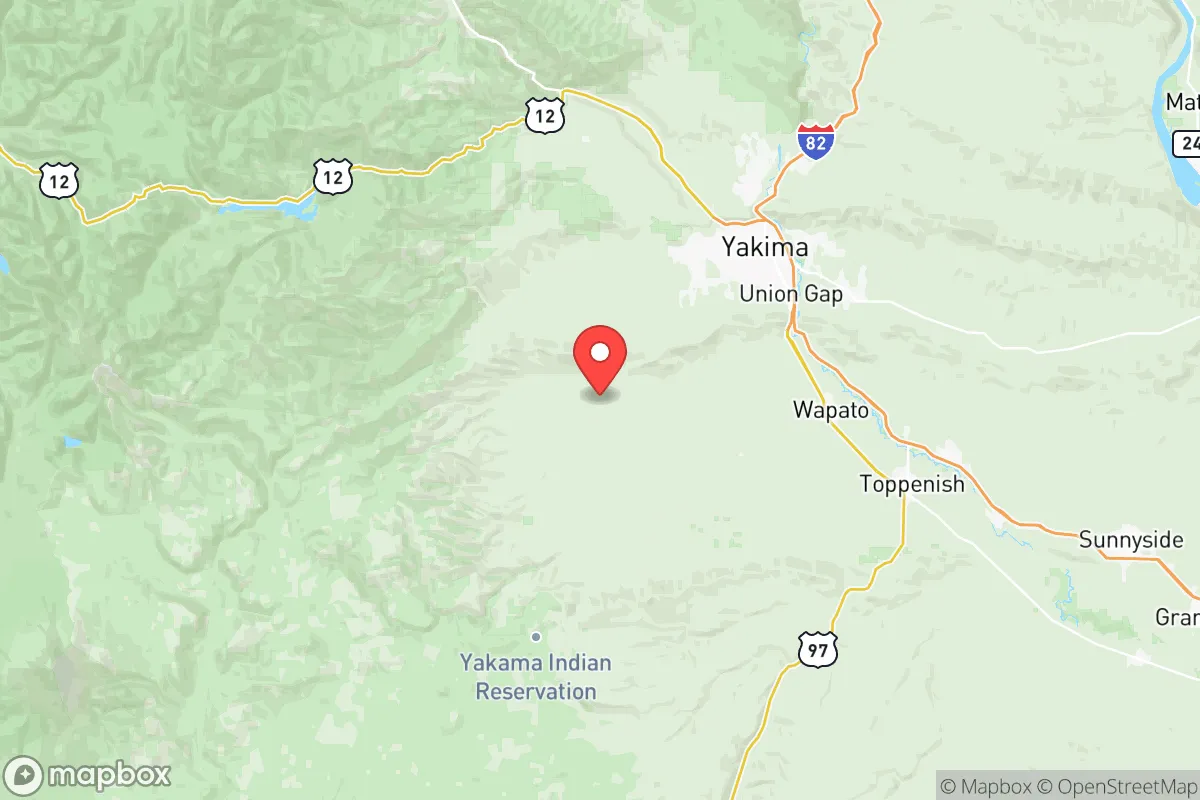
The undisputed population and economic hub is Yakima, home to roughly 94,000 residents and the county's primary center for retail, healthcare, and employment. Daily life in Yakima is car-dependent but offers a full range of services, including multiple grocery chains, the Yakima Valley Mall, and the major medical facilities of Yakima Valley Memorial Hospital and Virginia Mason Memorial. The city has a notable food and craft beverage scene, with a growing number of breweries and winery tasting rooms along the Yakima River. The average commute in the county is a manageable 20 minutes, a figure that holds true for many living and working within the city limits. For those seeking a slightly smaller but still connected urban environment, Sunnyside (pop. ~16,000) and Grandview (pop. ~11,000) serve as secondary hubs in the Lower Valley, each with their own school districts, local retail, and proximity to the region's vineyards and fruit packing plants.
Smaller towns & rural pockets
Outside the main population centers, the county is dotted with distinct smaller communities that offer a quieter, more agrarian lifestyle. Selah, just north of Yakima, feels like a separate small town with its own downtown core and strong sense of community, popular with families who work in Yakima but want a slower pace. Further east, Toppenish is known for its historic murals and strong Hispanic cultural heritage, serving as a commercial center for the surrounding hop and fruit farms. Zillah and Granger are even smaller, with Zillah offering a charming historic downtown and easy access to the Yakima Valley wine trail. In the western part of the county, the unincorporated community of Tieton has seen a small renaissance driven by artists and a craft cider scene, while Naches serves as a gateway to the Cascade foothills and national forest recreation. These areas lack the big-box retail of Yakima but offer lower density, more land, and a direct connection to the valley's agricultural identity.
Cost & lifestyle range
The county's overall cost of living index sits at 95, slightly below the national average, but the spread within the county is significant. At the lower end, renting in smaller towns like Toppenish or Granger can be well below the county median rent of $1,068, though housing stock may be older and job options more limited. The median home value in the county is $281,100, but this figure varies dramatically: a newer home in a Yakima suburb or in Selah can easily exceed $350,000, while a fixer-upper on a larger lot in a rural area like Outlook or Parker might be found for under $200,000. The lifestyle trade-off is clear: living in Yakima proper or Selah means shorter commutes, better school choices, and access to amenities like the Yakima Greenway trail system. Living in a smaller town or rural pocket means longer drives for groceries and healthcare but offers more space, lower property taxes on undeveloped land, and a lifestyle deeply tied to the valley's seasons and harvests.
The person who thrives in Yakima County is someone who values affordability and space over urban density and who is comfortable with a car-dependent, climate-diverse environment. It suits families and retirees seeking a lower cost of entry for homeownership, agricultural workers and entrepreneurs tied to the valley's food and wine economy, and outdoor enthusiasts who want quick access to the Cascade Range and the Yakima River Canyon. The county's diversity of settings means a young professional can find a walkable apartment near downtown Yakima, while a farmer can live on acreage outside Zillah, and a remote worker can buy a historic home in Tieton — all within the same county, at a cost of living that remains well below the national average.

Crime in Yakima County
Crime rates similar to the national median for U.S. locations.
Violent CrimeViolent Crime Analysis
Property CrimeProperty Crime Analysis
Crime Analysis
Yakima County’s overall safety picture is mixed, with a violent crime rate of 281.8 per 100,000 residents that sits slightly below the national average but above the Washington state average, while its property crime rate of 1,955.3 per 100,000 significantly exceeds both state and national benchmarks. The county’s largest city, Yakima, drives much of the reported crime, while smaller communities like Selah, Sunnyside, and Toppenish experience varying levels of safety. The presence of progressive judicial policies in Yakima County’s courts has been a point of concern for residents, as lenient sentencing and diversion programs have been linked to higher recidivism and a perception that offenders face few consequences.
Crime in context
Yakima County’s violent crime rate of 281.8 per 100,000 is roughly 20% lower than the national average of 366.7 per 100,000 but about 10% higher than Washington’s state average of 256.0 per 100,000. Property crime, however, tells a more troubling story: the county’s rate of 1,955.3 per 100,000 is nearly 40% above the national average of 1,401.9 per 100,000 and well above Washington’s average of 1,720.0 per 100,000. The city of Yakima itself reports even higher property crime numbers, with theft and vehicle break-ins being the most common offenses. By contrast, Selah and Naches report lower property crime rates, though they still exceed state averages. The disparity between violent and property crime rates suggests that while serious assaults and homicides are less frequent than in many peer counties, property-related offenses are a persistent daily concern for residents across the area.
What residents experience
Daily life in Yakima County is shaped by a high volume of property crimes, particularly in the urban core of Yakima and in Sunnyside, where car prowls, burglaries, and retail theft are routine occurrences. Residents in these areas often report feeling unsafe walking alone at night, especially near downtown Yakima and along the First Street corridor. The county’s judicial system, overseen by the Yakima County Superior Court and the Yakima County Prosecutor’s Office, has adopted progressive policies such as pretrial release without cash bail for many non-violent offenses and deferred prosecution programs for property crimes. Critics argue that these policies, while intended to reduce jail overcrowding, have resulted in repeat offenders cycling through the system with minimal accountability, eroding public trust and discouraging victim reporting. In contrast, the smaller towns of Tieton and Cowiche, with their tighter-knit communities and more conservative local governance, report fewer incidents and higher resident satisfaction with police responsiveness.
Neighborhood-level variation
Safety in Yakima County varies dramatically by location. The city of Yakima’s central and south-side neighborhoods, including areas near the Yakima Valley Mall and along Nob Hill Boulevard, experience the highest concentrations of both violent and property crime. West Valley, a suburban area within the Yakima city limits, and the town of Selah consistently report lower crime rates, with violent crime roughly half the county average. Toppenish, a smaller agricultural community, struggles with gang-related activity and drug offenses, though its overall numbers are lower than Yakima’s. For those considering relocation, the safest bets are the outlying rural communities like Naches and the Upper Valley, where property crime is less frequent and community policing is more effective. However, even these areas are not immune to the county-wide trend of property crime, and residents are advised to invest in home security systems and neighborhood watch programs regardless of where they settle.
* Values derived from national, state, county, city and local statistics and may differ in a specific area. Last updated: 2026-06-22T19:01:04.000Z
Narrative content on this page is AI-generated and may contain mistakes. Verify any details that matter before acting on them.
ReloMaps may earn a commission from affiliate links at no extra cost to you.

