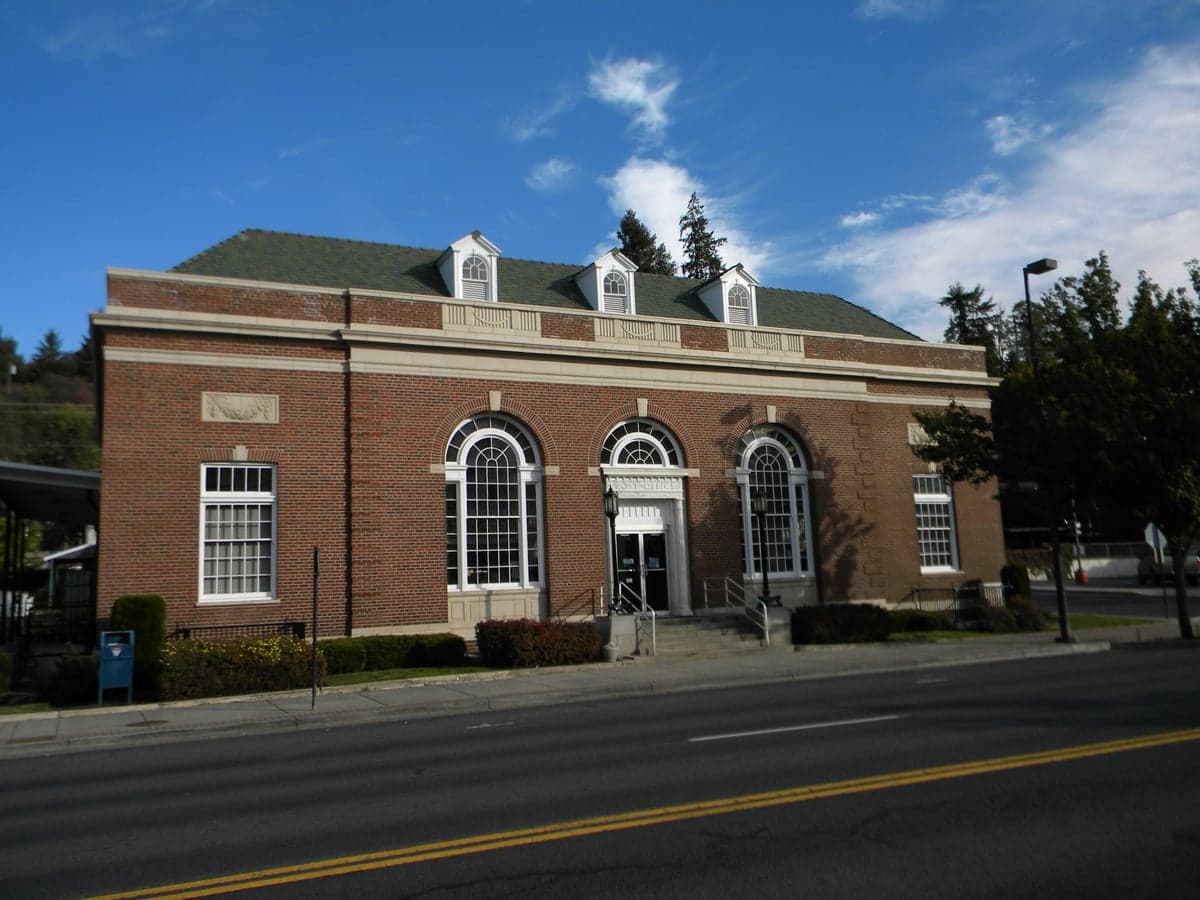
Photo: Wikipedia
Personal Sovereignty in Whitman County
Viable for self-reliance. Generally workable, though some barriers may limit total independence.
What does Personal Sovereignty tell us?
Personal Sovereignty measures your capacity for self-reliance and independence with minimal government friction. Higher scores mean fewer barriers between you and the way you want to live... but it assumes you have the space you need and good neighbors.
What does this tell us?
Personal Sovereignty measures your capacity for self-reliance and independence with minimal government friction. Higher scores mean fewer barriers between you and the way you want to live... but it assumes you have the space you need and good neighbors.
State Policy
Energy independence: Importer (55% of energy produced in-state)
Personal Liberty
Homesteading

Personal Liberty Analysis
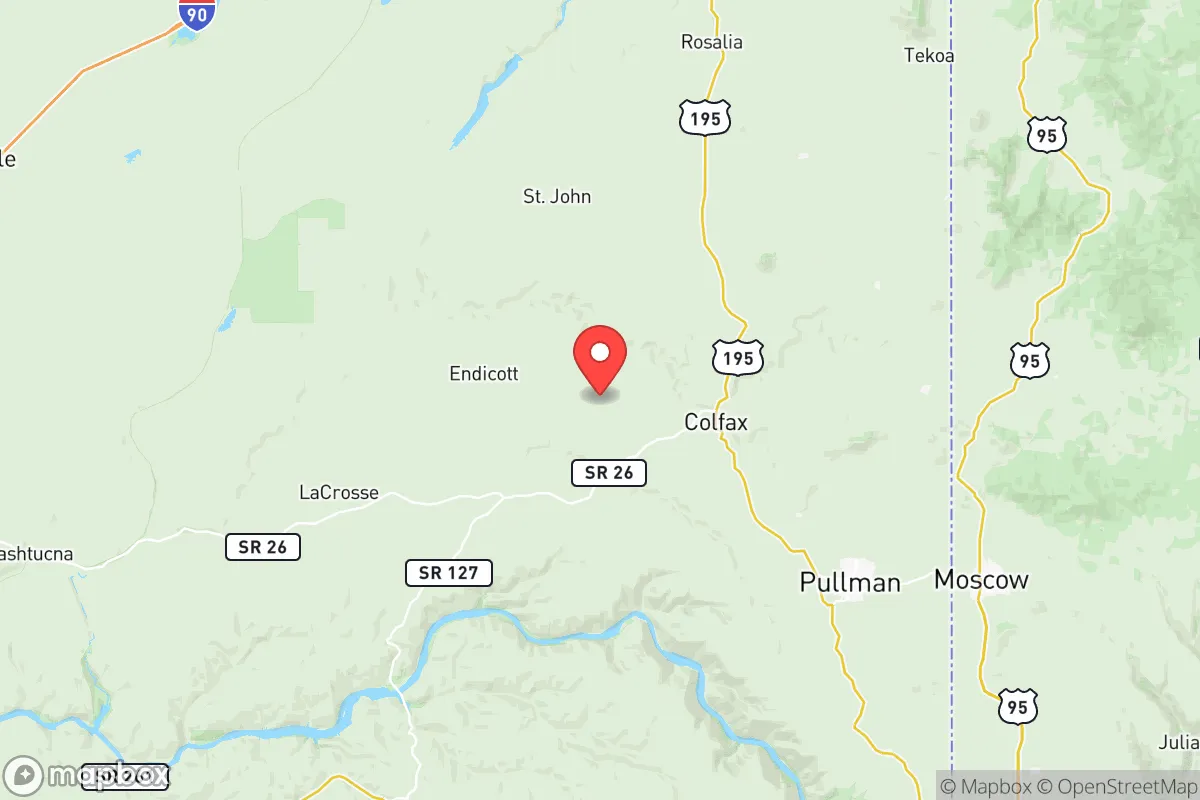
Whitman County offers a notably higher degree of personal sovereignty than most of western Washington, thanks to its agricultural roots, sparse population, and conservative-leaning local governance. The county's regulatory touch is light in unincorporated areas, but state-level laws on firearms, taxes, and land use still impose boundaries that residents must navigate. Towns like Colfax, Palouse, and St. John embody a frontier self-reliance culture, while Pullman—home to Washington State University—introduces a more progressive, university-driven influence that shifts the local political and regulatory landscape. For single individuals and families who prioritize independence, the key is understanding where county autonomy ends and state preemption begins.
Tax burden and regulatory climate in Whitman County compared to Washington state
Washington's lack of a state income tax is a major draw for sovereignty-minded residents, and Whitman County adds no additional income tax layer. The primary tax burden falls on sales and property. The combined sales tax rate in Whitman County is roughly 8.2% (state 6.5% plus local), which is moderate by Washington standards—lower than King County's 10.25% but higher than some rural eastern counties. Property taxes are a bright spot: the effective rate in Whitman County averages about 0.85% of assessed value, roughly half the rate in Seattle-area counties. Regulatory posture varies by jurisdiction. In unincorporated areas and small towns like Oakesdale and Garfield, building permits and business licensing are straightforward, with minimal red tape. Pullman, by contrast, has a more detailed municipal code, including zoning overlays near the university and stricter environmental review for new construction. The county's planning department is known for being responsive to agricultural and residential requests, but state environmental regulations (SEPA) still apply to larger projects. Overall, the tax and regulatory environment is friendly to small-scale entrepreneurs and homesteaders, provided they operate outside Pullman's city limits.
Self-defense rights and gun laws in Whitman County: what residents need to know
Washington state has enacted several firearm restrictions in recent years, including a ban on "assault weapons" (SB 5078, effective 2023), a 10-round magazine capacity limit, enhanced background checks, and a 10-day waiting period for all firearm purchases. These laws apply statewide, including in Whitman County. However, local enforcement and cultural acceptance differ sharply from urban areas. The Whitman County Sheriff's Office has publicly stated a commitment to upholding Second Amendment rights, and the county's rural character means gun ownership is near-universal in towns like Tekoa and Rosalia. Open carry is legal without a permit (except in Pullman, where local ordinances may restrict it in certain public spaces). Concealed carry requires a permit, but Washington is a shall-issue state—background checks are processed within 30 days. The state's duty-to-retreat rule applies legally, but in practice, the vast open spaces and low population density make self-defense scenarios rare and typically unambiguous. For those prioritizing firearm freedom, Whitman County offers a supportive community and a sheriff's office that does not proactively enforce state restrictions beyond what is required.
Self-reliance and homesteading viability: lot sizes, zoning, and off-grid feasibility
Whitman County is one of Washington's most homestead-friendly areas. Unincorporated land is zoned primarily for agriculture and rural residential, with minimum lot sizes typically 5 to 20 acres depending on the specific zoning district. This makes it feasible to purchase a parcel in areas like Palouse or St. John and build a self-sufficient homestead. Off-grid living is legally possible, though state building codes still apply to new structures. Many residents use solar panels, rainwater catchment, and composting toilets. The county health department requires septic permits and well water testing, but the process is straightforward and costs are modest compared to western Washington. Zoning allows for small-scale livestock, gardens, and even limited commercial agriculture without special permits. Pullman's urban growth area has stricter rules—minimum lot sizes are smaller, and accessory dwelling units require conditional use permits. But outside that boundary, the county's planning philosophy is "let the landowner decide." For those seeking true independence from municipal utilities, Whitman County's rural townships offer a viable path.
Personal liberties: parental rights, medical autonomy, speech, and property rights
Whitman County's local school boards in Colfax, St. John, and Palouse have leaned conservative, emphasizing parental involvement in curriculum decisions and library materials. State law (RCW 28A.320.035) requires schools to provide parents with access to instructional materials, and local boards have gone further by adopting policies that allow parents to opt children out of specific lessons. Medical autonomy is a mixed picture: Washington state mandates certain vaccines for school attendance and has legalized physician-assisted suicide, but rural clinics in Whitman County are generally accommodating of alternative health choices. The county's public health department does not aggressively enforce vaccine mandates beyond state requirements. Free speech is protected, and the county's small-town culture means open political discourse is common—though Pullman's university environment can be more socially conformist. Property rights are strong: eminent domain is rarely used, and the county's comprehensive plan favors private ownership. The state's Growth Management Act limits sprawl in designated urban growth areas, but most of Whitman County is outside those boundaries, giving landowners wide latitude to use their property as they see fit.
Overall, Whitman County provides a robust environment for personal sovereignty relative to most of Washington state. The combination of low property taxes, a gun-friendly culture, ample land for homesteading, and local governance that respects parental and property rights makes it a strong choice for those seeking independence. The main trade-offs are state-level firearm restrictions and sales tax rates that are moderate but not negligible. For families and individuals who value self-reliance and are willing to work within state boundaries, towns like Colfax, Palouse, and St. John offer a practical balance of freedom and community support that is increasingly rare in the Pacific Northwest.

* Values derived from national, state, county, city and local statistics and may differ in a specific area. Last updated: 2026-10-25T16:17:29.000Z
Narrative content on this page is AI-generated and may contain mistakes. Verify any details that matter before acting on them.
ReloMaps may earn a commission from affiliate links at no extra cost to you.

