Photo: Wikipedia
Find The Best Places To Live in Whitman County
PRO TIP! You can paste a Zillow or Redfin link to get info on that property.
Best Places to Live in Whitman County
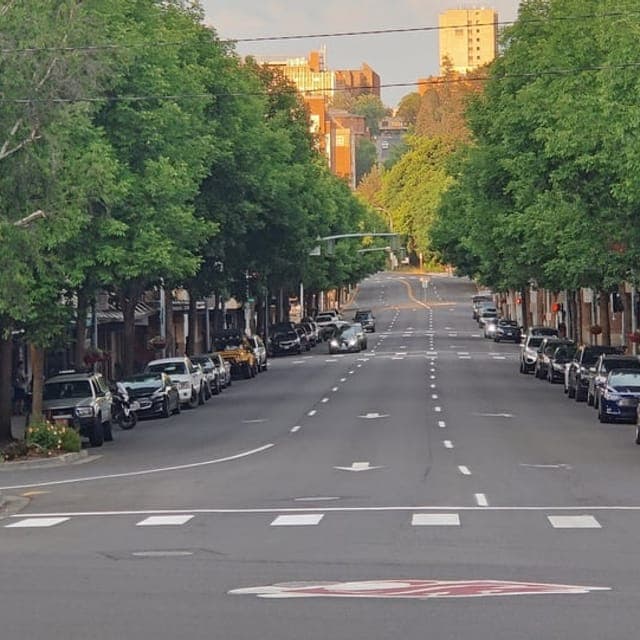
Cities & Towns in Whitman County
Cities in Whitman County
What It's Like Living in Whitman County, WA
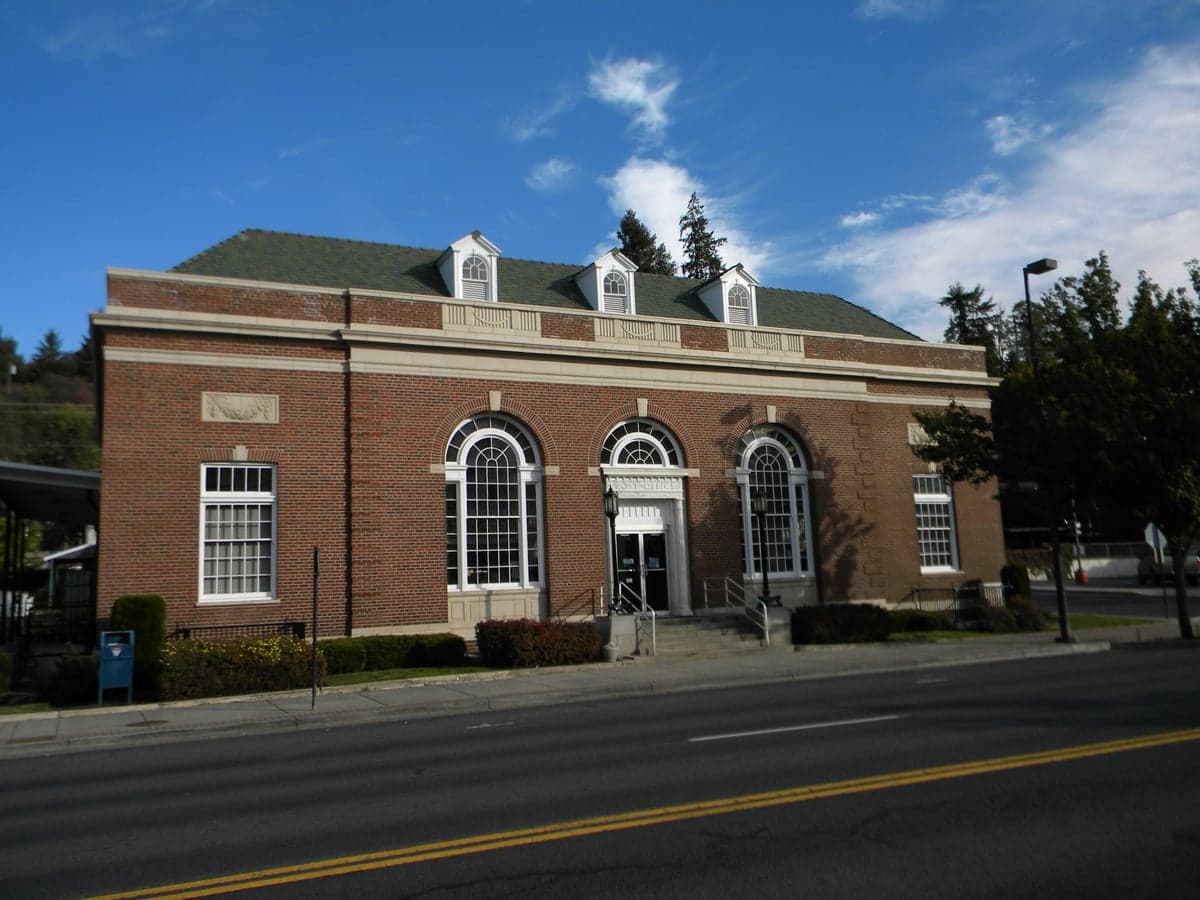
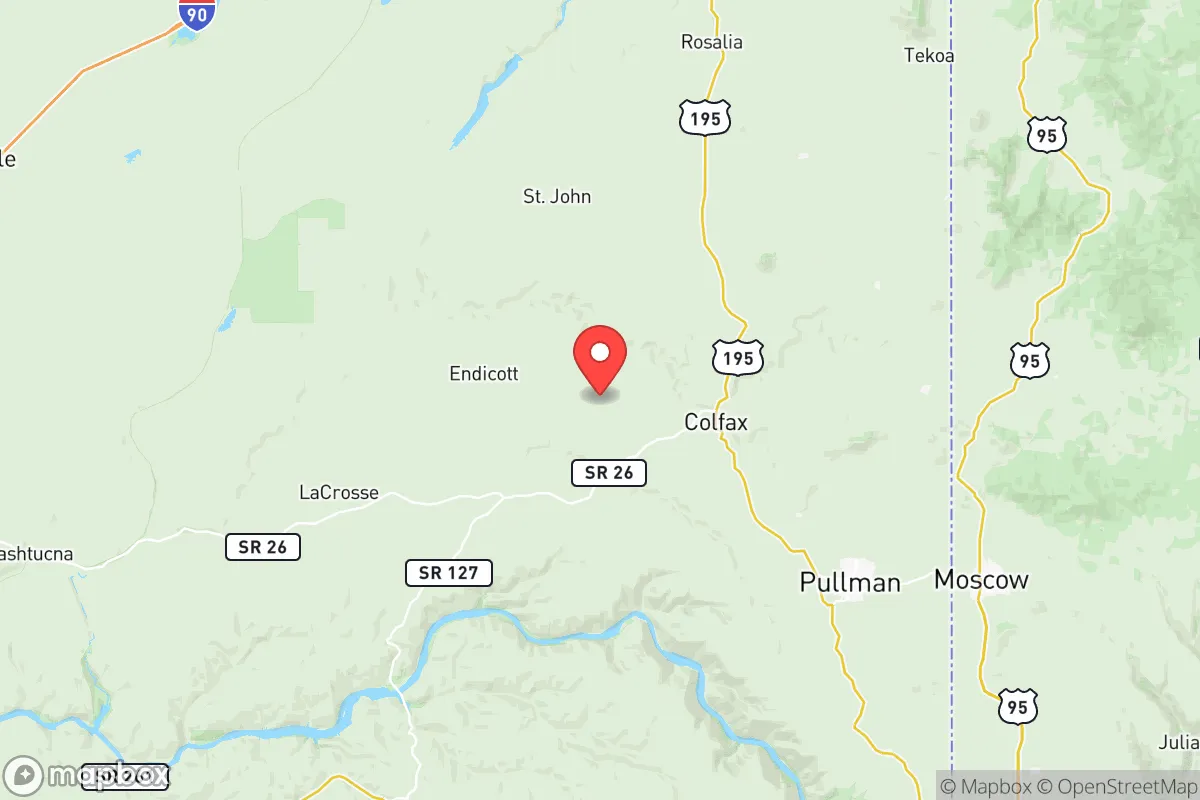
Living in Whitman County means trading the constant hum of a big city for the quiet rhythm of the Palouse’s rolling hills, where life is paced by the academic calendar of Washington State University in Pullman and the agricultural cycles of the surrounding wheat fields. It’s a place where you’re just as likely to run into your neighbor at the Moscow Food Co-op as you are to see a combine harvester kicking up dust on the highway, and where the median age of 26.1 reflects a population split between college students and families who have deep roots in the region. For the right person—someone who values community, doesn’t mind a bit of winter gray, and wants a lower cost of living (98 on the index)—it feels less like a compromise and more like a secret.
The Daily Rhythm: From Campus Life to Small-Town Saturdays
Your day-to-day in Whitman County depends heavily on which of its communities you call home. In Pullman, the largest city with roughly 32,000 residents, life revolves around Washington State University. Mornings see a flood of students and faculty heading to campus, and the average commute of just over 16 minutes means you’re never stuck in traffic for long. Coffee shops like Roost Coffee & Market and Brews Brothers fill up with people studying or catching up, while the Moscow-Pullman Highway (Highway 270) sees a steady stream of cars heading to the neighboring Idaho city for its own dining and shopping options. Head south to Colfax, the county seat, and the pace slows considerably. Here, the weekly grocery run at Rosauers is a social event, and Friday nights in the fall are dominated by the Colfax Bulldogs high school football games, which draw a crowd that fills the bleachers regardless of the team’s record. In smaller towns like Palouse or Tekoa, daily life is quieter still, with residents often driving to Pullman or Moscow for major errands. The median household income of $52,893 reflects the mix of university salaries, agricultural work, and service jobs, meaning most people live comfortably but not extravagantly.
Sports, Community, and the WSU Effect
There’s no escaping the gravitational pull of Washington State University athletics, and for many residents, that’s the whole point. WSU Cougars football games at Martin Stadium are the single biggest communal event in the county, turning Pullman into a sea of crimson and gray on fall Saturdays. Tailgating is a serious ritual, with fans grilling in the parking lots of the Ferdinand’s Ice Cream Shoppe or the Cougar Country Drive-In before heading into the stadium. Basketball season at Beasley Coliseum keeps the energy going through the winter. But the sports culture isn’t limited to the university. High school sports are a genuine source of pride in towns like Colfax and Oakesdale, where the entire community turns out for volleyball, basketball, and track meets. For those who prefer participating to spectating, the Palouse Ridge Golf Club offers a challenging course with views of the rolling hills, and the Bill Chipman Palouse Trail provides a paved path for biking and running between Pullman and Moscow.
What’s There to Do: Festivals, Food, and the Great Outdoors
You might think a county of 47,042 people would be short on entertainment, but the calendar is surprisingly full. The National Lentil Festival in Pullman every August is a quirky, beloved tradition that celebrates the region’s lentil crop with a parade, a cook-off, and live music—it’s exactly the kind of earnest, community-driven event that defines the area. For a more refined evening, the Pullman Civic Theatre puts on several productions a year, and the WSU School of Music hosts concerts that are often free or low-cost. Dining options are solid if not flashy: The Black Cypress in Pullman is the go-to for a nice dinner out, while South Fork Public House in Colfax serves up burgers and local brews in a historic building. Outdoor enthusiasts spend weekends hiking the Kamiak Butte or Steptoe Butte trails, where the views of the Palouse’s patchwork fields are nothing short of stunning. The Snake River to the south offers fishing, boating, and camping at spots like Boyer Park.
Pros and Cons of Living Here
No place is perfect, and Whitman County has its trade-offs. Here’s what residents tend to bring up most often:
- Pro: Genuine community feel. People know their neighbors, and there’s a strong sense of mutual support, especially in the smaller towns. It’s the kind of place where a lost dog gets returned within hours because someone posts it on the local Facebook group.
- Pro: Affordability. With a median home value of $323,300 and a cost of living below the national average, homeownership is far more attainable here than in Seattle or Portland. You get more space for your money, whether that’s a historic house in Colfax or a newer development in Pullman.
- Con: Isolation and weather. The nearest major city, Spokane, is about a 75-minute drive. For flights, you’re either driving there or using the tiny Pullman-Moscow Regional Airport, which has limited routes. Winters are gray and can be snowy, and the violent crime rate of 284.9 per 100,000 is something to be aware of, though it’s concentrated in specific areas and not a daily concern for most residents.
- Con: Limited job diversity. If you don’t work for WSU, in healthcare, or in agriculture, opportunities are thinner. Many remote workers have found a home here, but the local economy doesn’t have the breadth of a larger metro area.
For families, the schools are a central part of the community, with districts like Pullman School District and Colfax School District generally receiving good marks from parents. The high percentage of college-educated residents (50.2%) means there’s a literate, engaged population that supports the local library and community events. If you’re looking for a place where you can actually know your mail carrier, watch the wheat grow, and cheer for the Cougs on Saturday, Whitman County might be exactly what you didn’t know you were looking for.

* Values derived from national, state, county, city and local statistics and may differ in a specific area. Last updated: 2026-10-25T16:17:29.000Z
Narrative content on this page is AI-generated and may contain mistakes. Verify any details that matter before acting on them.
ReloMaps may earn a commission from affiliate links at no extra cost to you.

