Quality of Life in Manassas Park City County
A livable area that tracks near national norms for affordability, walkability, and neighborhood health.
What does Quality of Life tell us?
Quality of Life measures an area by evaluating factors like cost of living, nearby amenities, country club access, airport proximity, socioeconomic signals and neighborhood character. For large states, this is a general average — quality of life can vary dramatically between metro areas, suburbs, and rural communities within the same state.
What does this tell us?
Quality of Life measures an area by evaluating factors like cost of living, nearby amenities, country club access, airport proximity, socioeconomic signals and neighborhood character. For large states, this is a general average — quality of life can vary dramatically between metro areas, suburbs, and rural communities within the same state.
Cost of Living
66% above national average
92%
The Real Cost of Living in Manassas Park City County for 2026
| Tier | Individual | Family (4) |
|---|---|---|
| Survival | $35k | $65k |
| Comfortable | $74k | $109k |
| Luxury | $146k+ | $227k+ |
| Elite (Top 5%) | $172k+ | $267k+ |
Quality-of-Life Analysis
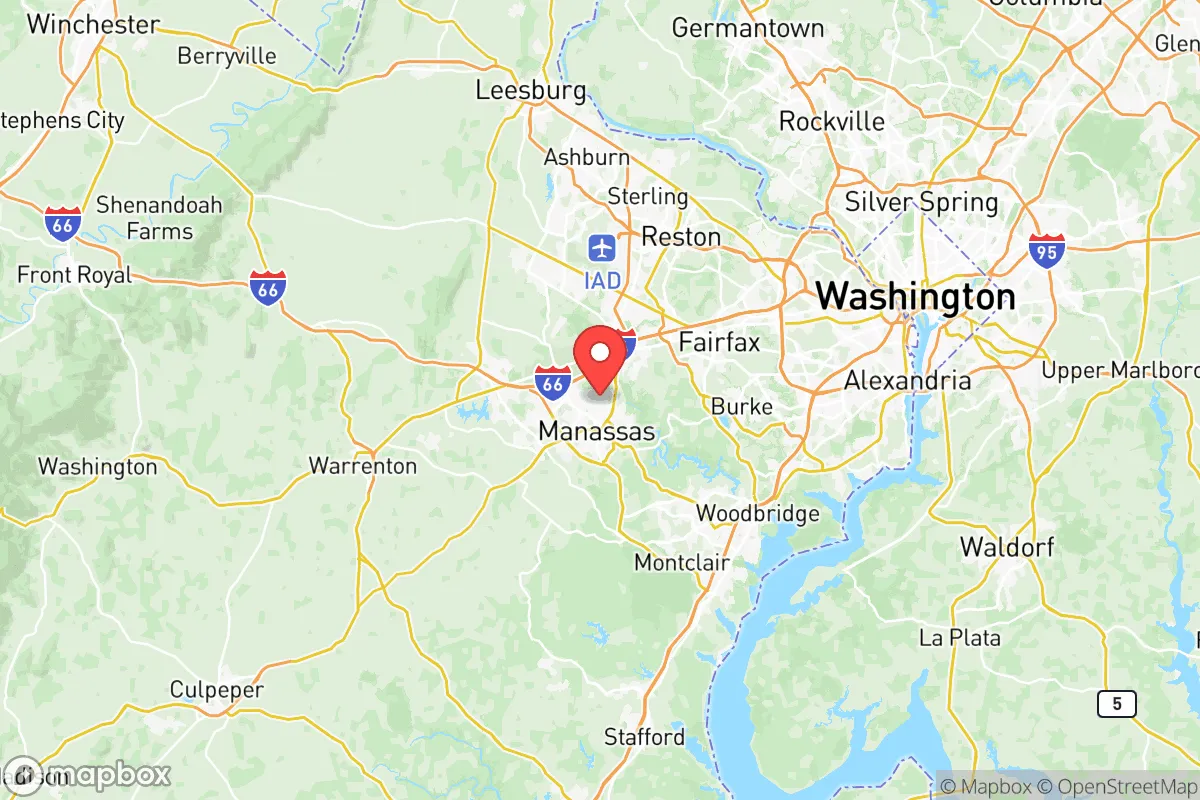
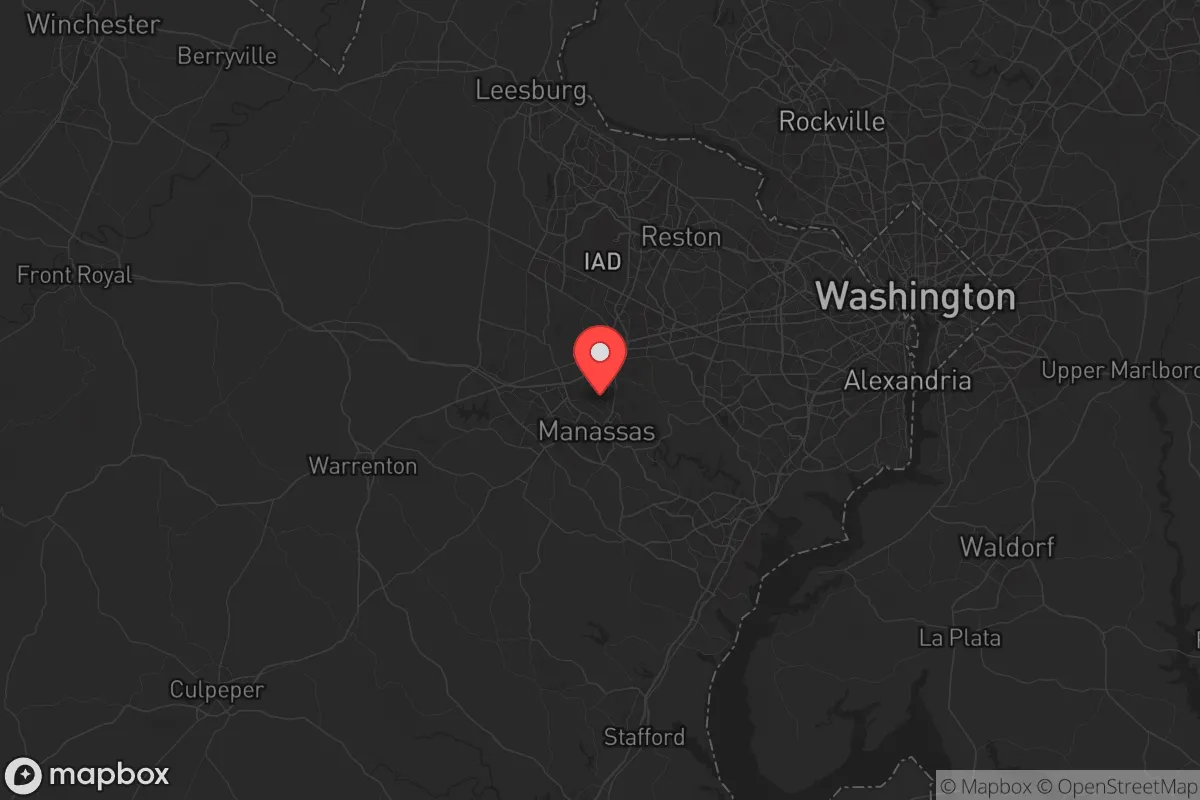
Manassas Park City County, Virginia, is a unique jurisdiction that is entirely coterminous with the independent city of Manassas Park, meaning it contains no unincorporated rural areas, smaller towns, or a spectrum of urban-to-rural landscapes. Instead, this compact, fully urbanized county of roughly 2.6 square miles offers a single, dense, family-oriented community that draws residents who prioritize suburban convenience, proximity to Washington, D.C., and a strong sense of local identity over the space and solitude of rural living. The entire county is a single population center, making the "range" of options less about geography and more about housing type and neighborhood character within a cohesive, walkable city.
Largest town(s) & population centers
The entirety of Manassas Park City County is the city of Manassas Park itself, a distinct municipality from the neighboring and larger City of Manassas. Daily life here is defined by a dense, post-1990s suburban layout of townhouses, single-family homes, and garden-style apartments, all woven together by a network of sidewalks and small parks. The city's core is its civic center, anchored by Manassas Park High School, the public library, and the community center. Residents are a mix of young families attracted to the highly rated Manassas Park City Public Schools (a small, independent district) and commuters who value the 38.7-minute average commute to jobs in Northern Virginia and D.C. via the nearby Manassas VRE station. The city lacks a traditional downtown retail core; instead, daily errands are run at strip malls along Manassas Drive and Centreville Road, with major shopping and dining found just across the city line in Manassas or along Route 28.
Smaller towns & rural pockets
Because Manassas Park City County is a single incorporated city, there are no smaller towns, villages, or unincorporated rural pockets within its borders. The entire land area is developed residential and commercial property. For residents seeking a rural or small-town atmosphere, the nearest options are the unincorporated communities of Yorkshire and Loch Lomond in adjacent Prince William County, or the historic town of Haymarket about 12 miles west. Within Manassas Park itself, the closest approximation to a "pocket" is the older, tree-lined neighborhood of Blooms Crossing, which features larger lots and a quieter, more established feel compared to the newer, denser developments near the city's southern edge.
Cost & lifestyle range
The cost of living in Manassas Park City County is significantly elevated, with a cost-of-living index of 166 (66% above the U.S. average), driven almost entirely by housing. The median home value of $381,200 and median rent of $2,175 place it firmly in the upper-middle tier of Northern Virginia markets, though still below the eye-watering prices of Arlington or Fairfax. The lifestyle range within the city is narrow: nearly all residents share the same commute pattern, school system, and access to the same handful of parks (like Signal Hill Park and Manassas Park Community Center). The primary variation is between renters in the newer apartment complexes near the VRE station (offering walkability to transit) and homeowners in the single-family neighborhoods like Blooms Crossing or the Manassas Park Estates area, where yards and garage space are more common. There is no low-cost rural fringe or high-end estate district; the entire city is a middle-to-upper-middle-class commuter suburb.
This county is best suited for families and professionals who want a small-town feel within a dense, self-contained suburb, where the school system is intimate and the commute to D.C. is manageable. It appeals to those who prioritize a tight-knit community and good schools over square footage, land, or a vibrant nightlife. Residents who thrive here are those who accept the trade-off of a high cost of living for the security of a well-run, safe, and family-focused environment where neighbors know each other and the city's small scale fosters civic engagement. For anyone seeking rural acreage, a historic downtown, or a wide range of housing options, the neighboring counties of Prince William or Fauquier would be a better fit.

Crime in Manassas Park City County
Generally safer than 61% of comparable U.S. locations.
Violent CrimeViolent Crime Analysis
Property CrimeProperty Crime Analysis
Crime Analysis
Manassas Park, an independent city in Virginia, reports a violent crime rate of 203 incidents per 100,000 residents and a property crime rate of 1,344.2 per 100,000, placing it in a moderate safety tier relative to the broader Washington, D.C. metro area. While these figures are lower than in neighboring Prince William County’s larger hubs like Manassas City or Woodbridge, they remain above the safest suburban enclaves such as Haymarket or Gainesville. The city’s compact geography and dense population create a mixed safety profile, with most crime concentrated in specific corridors rather than uniformly distributed.
Crime in context
Manassas Park’s violent crime rate of 203 per 100K is roughly 45% lower than the national average of 380 per 100K, but it sits slightly above Virginia’s state average of 195 per 100K. Property crime at 1,344.2 per 100K is about 15% below the national average of 1,580 per 100K, yet it exceeds the Virginia state average of 1,210 per 100K. Compared to nearby jurisdictions, Manassas Park is safer than Manassas City (which reports violent crime near 250 per 100K) but less safe than the Prince William County suburbs of Bristow or Nokesville, where violent crime rates dip below 100 per 100K. The city’s crime index is heavily influenced by its status as a small, independent city with limited police resources—its force of roughly 30 officers must cover 2.5 square miles and over 17,000 residents, creating response-time challenges during peak hours.
What residents experience
Residents most frequently encounter property crimes—vehicle break-ins, package thefts, and vandalism—particularly in the Manassas Park Drive corridor and around the Manassas Park VRE station, where transient foot traffic is highest. Violent crime, while less common, includes aggravated assaults and occasional robberies, often tied to domestic disputes or disputes among acquaintances rather than random stranger attacks. The city’s proximity to the Prince William County-Manassas City judicial district means that cases are prosecuted by the Prince William County Commonwealth’s Attorney, whose office has faced criticism for progressive diversion programs that some residents argue reduce accountability for repeat offenders. This prosecutorial approach, combined with Virginia’s 2020 parole abolition reforms, has led to concerns about recidivism—particularly among juveniles involved in property crime rings that operate across the Manassas-Manassas Park-Yorkshire area. Residents in the Blooms Crossing and Signal Hill neighborhoods report feeling safer due to active neighborhood watch programs and better street lighting, while those near Manassas Park High School and the Manassas Park Community Center note occasional after-hours disturbances.
Neighborhood-level variation is pronounced despite the city’s small size. The West End (near the Prince William County line) and East End (adjacent to Manassas City) see higher crime volumes, driven by proximity to commercial zones and multi-family housing complexes. In contrast, the Linden Grove and Park Ridge subdivisions, which feature single-family homes and homeowner associations, report near-zero violent crime and property crime rates below 800 per 100K. The city’s police department publishes quarterly crime maps showing that over 60% of all reported incidents occur within a half-mile radius of the Manassas Park Shopping Center on Center Street. For families considering relocation, the safest rental options are in the Blooms Crossing townhomes or the newer Village at Manassas Park development, while the older apartment complexes along Quarry Road and Manassas Drive have higher incident reports. Overall, Manassas Park offers a middle-ground safety profile—better than urban D.C. or Alexandria, but requiring vigilance in specific zones and awareness of the local justice system’s leniency toward property offenders.
* Values derived from national, state, county, city and local statistics and may differ in a specific area. Last updated: 2026-06-30T05:52:02.000Z
Narrative content on this page is AI-generated and may contain mistakes. Verify any details that matter before acting on them.
ReloMaps may earn a commission from affiliate links at no extra cost to you.

