Photo: Wikipedia
Find The Best Places To Live in Isle of Wight County
PRO TIP! You can paste a Zillow or Redfin link to get info on that property.
What It's Like Living in Isle of Wight County, VA
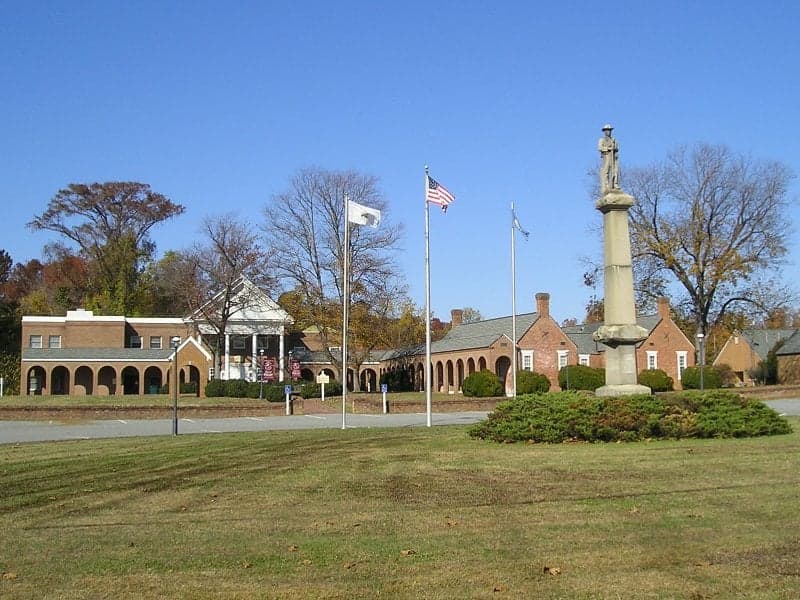
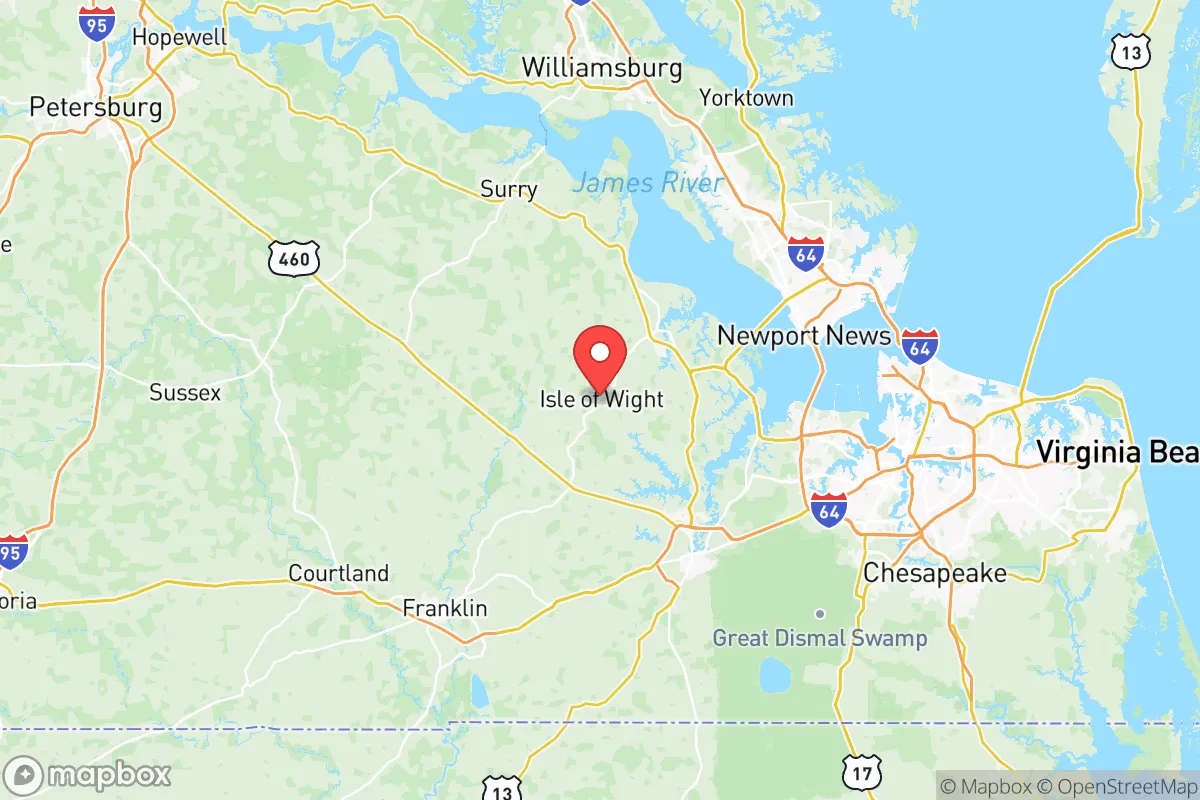
Isle of Wight County is the kind of place where people wave to you from their tractors on Route 258 and then you see the same folks at the Food Lion in Smithfield an hour later. It’s a rural, deeply Virginian corner of Hampton Roads that has held onto its agricultural roots even as commuters have discovered it. Life here moves at the pace of the Pagan River, not the interstate, and that’s exactly how most of the 39,444 residents like it.
The Daily Rhythm: Smithfield, Windsor, and the Commute
Daily life in Isle of Wight revolves around its two distinct towns. Smithfield is the historic anchor, famous for the world’s largest pork processing plant and a downtown that looks like a movie set for a Civil War drama. You’ll find locals grabbing coffee at the Smithfield Station or grabbing a bite at the Wharf Hill Brewing Company after a day on the water. Windsor, to the west, is the quieter, more rural counterpart — a town where the high school football game on Friday night is genuinely the biggest event of the week. The unincorporated communities of Carrollton and Rushmere are where many of the newer subdivisions have sprouted, offering newer homes without the traffic of neighboring Suffolk or Chesapeake.
The average commute here is just under 30 minutes, and that’s the trade-off residents have made. Many work for the military-industrial complex in Norfolk or Newport News, or at the shipyards across the James River. The commute across the James River Bridge can be a slog, but it’s a predictable one. For those who work locally, the biggest employers are the Smithfield Foods plant, the county school system, and the Riverside Health System. The median income of $96,118 is strong for a rural county, and it shows in the mix of new construction and well-kept farmhouses.
Sports, Community, and the Local Identity
There are no professional sports teams here, and nobody expects them. The identity of Isle of Wight is built on high school athletics and the deep-rooted traditions of the Smithfield Packers and Windsor High School. Friday nights in the fall are sacred, with the rivalry between Smithfield and Windsor drawing crowds that pack the bleachers. The county is also a hunting and fishing paradise — the Pagan River and the James River offer excellent striped bass and crappie fishing, and the woods around Zuni are thick with deer and turkey.
The cultural quirk that defines this place is the annual Smithfield Ham Festival, held every fall. It’s a celebration of the town’s namesake product, complete with a ham biscuit-eating contest and a parade that shuts down Main Street. It’s kitschy, it’s local, and it’s exactly the kind of tradition that makes newcomers feel like they’ve found something authentic. The county is also home to the Isle of Wight County Museum, which houses the world’s oldest cured ham — a relic from 1902 that locals will proudly tell you about, often unsolicited.
What's There to Do: Outdoors, History, and Honest Trade-Offs
For a county of its size, Isle of Wight punches above its weight in outdoor recreation. Windsor Castle Park in Smithfield is a 40-acre gem with walking trails, a dog park, and a pier over the Pagan River. Chippokes Plantation State Park, just across the river in Surry County, is a short drive and offers one of the best fossil-hunting beaches on the James. The county’s rural roads are a cyclist’s dream — flat, quiet, and scenic, especially around Battery Park and the old peanut fields.
But let’s be honest about the trade-offs. The cost of living index sits at 115, which is noticeably higher than the national average, driven largely by housing. The median home value of $333,600 buys you a solid starter home in Carrollton or a fixer-upper farmhouse in the county’s western reaches, but it’s not the bargain it was a decade ago. The violent crime rate of 210.4 per 100,000 is low — safer than most of Hampton Roads — but property crime in the more suburban areas near the James River Bridge has ticked up in recent years. And if you’re looking for nightlife, you’ll be driving to Norfolk or Virginia Beach, because the county’s restaurants and bars mostly close by 9 p.m.
The median age of 44.2 and the 29.9% college-educated rate tell the real story: this is a county of established families and empty-nesters, not young professionals. The schools — particularly Smithfield High School and Windsor High School — are the social hub for parents, and the county’s school system is generally well-regarded, though it faces the same funding pressures as the rest of rural Virginia. Winters are mild, summers are hot and humid, and hurricane season from August to October is a real consideration for anyone living near the water.
For the right person, Isle of Wight County offers something increasingly rare: a place where you can own land, know your neighbors, and still reach a major metro area in under an hour. It’s not for everyone — if you need urban amenities or a diverse dining scene, this isn’t it. But for families who want space, safety, and a genuine sense of place, it’s hard to beat.

* Values derived from national, state, county, city and local statistics and may differ in a specific area. Last updated: 2026-10-13T18:21:44.000Z
Narrative content on this page is AI-generated and may contain mistakes. Verify any details that matter before acting on them.
ReloMaps may earn a commission from affiliate links at no extra cost to you.

