
Photo by Anthony Chiado on Unsplash
Personal Sovereignty in Harrisonburg City County
Viable for self-reliance. Generally workable, though some barriers may limit total independence.
What does Personal Sovereignty tell us?
Personal Sovereignty measures your capacity for self-reliance and independence with minimal government friction. Higher scores mean fewer barriers between you and the way you want to live... but it assumes you have the space you need and good neighbors.
What does this tell us?
Personal Sovereignty measures your capacity for self-reliance and independence with minimal government friction. Higher scores mean fewer barriers between you and the way you want to live... but it assumes you have the space you need and good neighbors.
State Policy
Energy independence: Importer (20% of energy produced in-state)
Personal Liberty
Homesteading

Personal Liberty Analysis
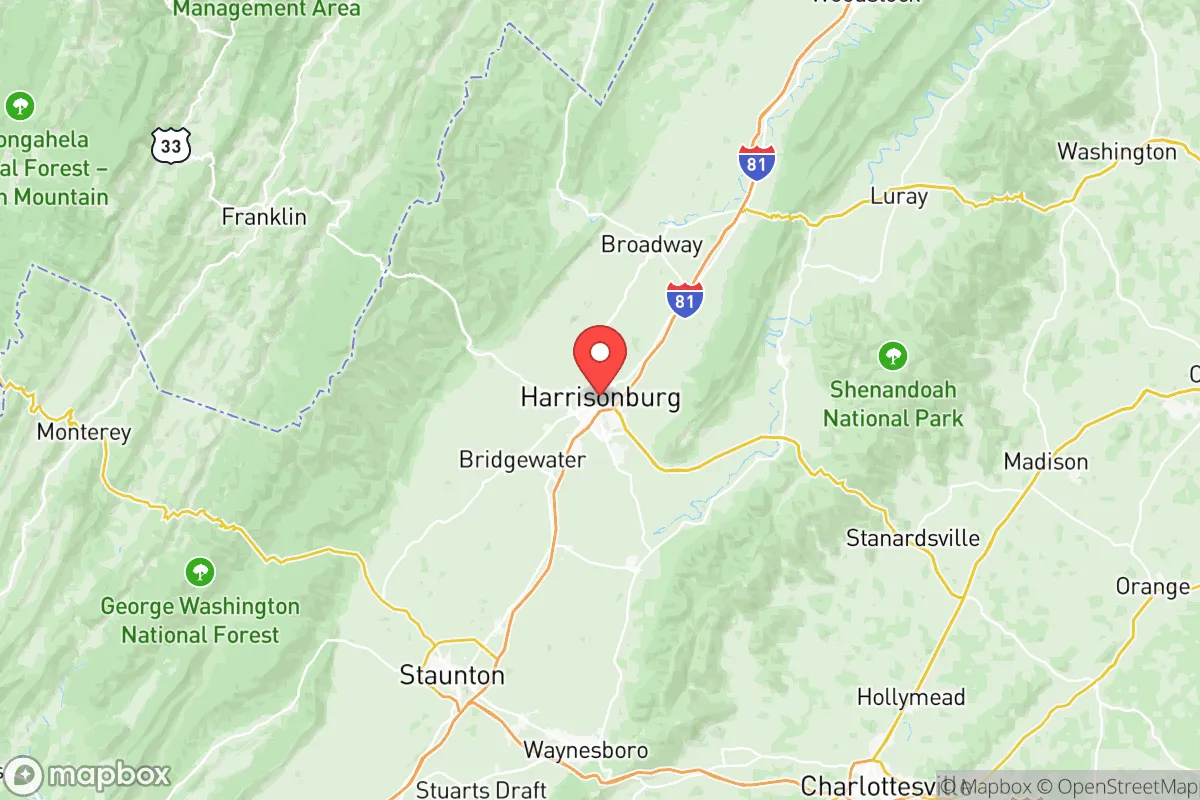
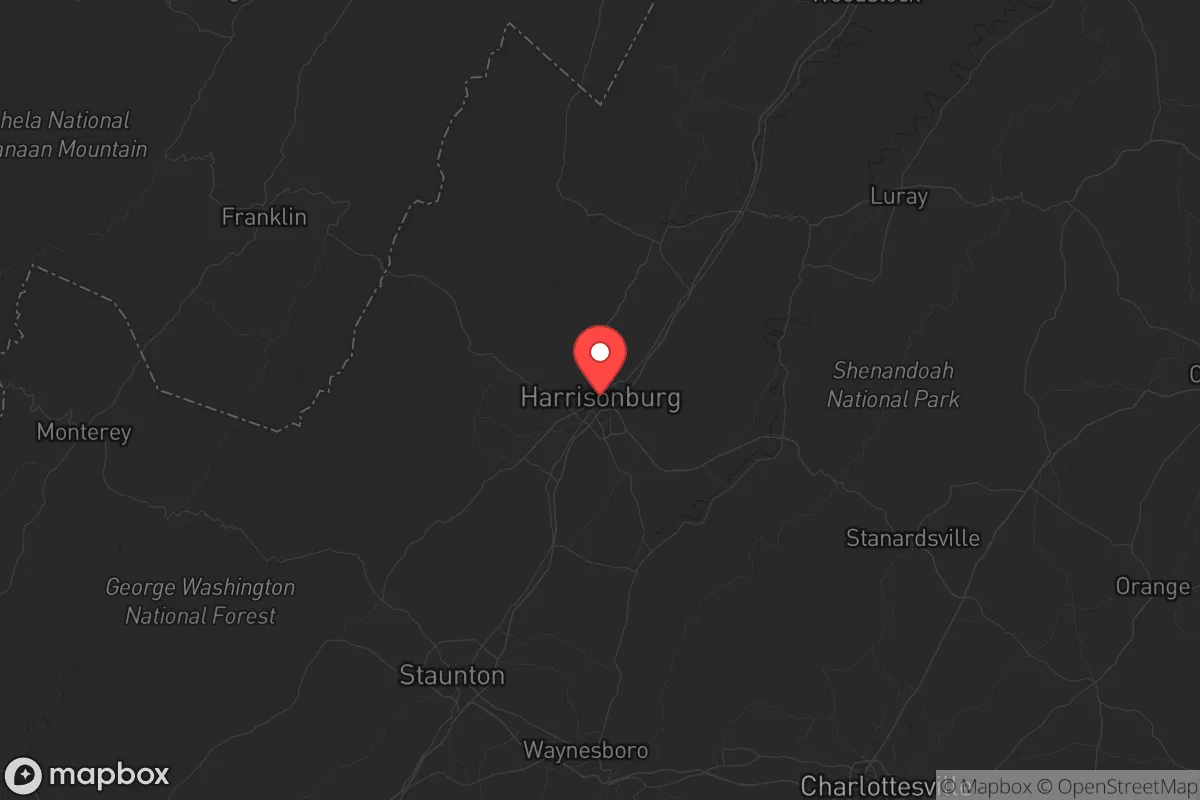
Harrisonburg City County, while technically an independent city, operates within Virginia’s broader legal framework, offering a mixed environment for personal sovereignty that leans heavily on state-level freedoms rather than aggressive local autonomy. Residents enjoy strong self-defense laws rooted in Virginia’s "shall-issue" concealed carry regime, but face a moderate tax burden and a regulatory posture that places some limits on property use and daily liberties. For those prioritizing independence, the city itself provides a baseline of freedom, but the real opportunities for self-reliance lie in the surrounding Rockingham County communities like Bridgewater, Dayton, and Mount Crawford, where zoning is lighter and the culture of autonomy is more pronounced.
Tax burden and regulatory climate in Harrisonburg and surrounding areas
Harrisonburg City County imposes a combined state and local income tax burden that mirrors Virginia’s moderate-to-high rates, with a state income tax ranging from 2% to 5.75%. The city’s real estate tax rate sits at approximately $1.08 per $100 of assessed value, slightly above the state average for independent cities, meaning property owners in neighborhoods like Old Town or Devon Commons face a noticeable annual cost. Sales tax in the city is 5.3% (state base plus local option), but nearby Rockingham County towns like Elkton and Timberville enjoy the same rate—so no major tax arbitrage exists. The regulatory environment is more restrictive within city limits: building permits are required for most structural changes, and short-term rental ordinances in areas near James Madison University add layers of bureaucracy. In contrast, Rockingham County, particularly in Bridgewater and Dayton, operates with looser zoning for accessory dwellings and home-based businesses, making those locations more attractive for individuals seeking lower administrative friction.
Self-defense rights and gun laws that matter for daily life
Virginia is a "shall-issue" state for concealed handgun permits, meaning Harrisonburg City County cannot arbitrarily deny applicants who meet statutory requirements—a key advantage over jurisdictions like Northern Virginia. Open carry is legal without a permit for anyone at least 18, though the city’s proximity to K-12 schools and James Madison University creates "gun-free" zones mandated by state law. Practical self-defense is bolstered by stand-your-ground protections in Virginia; there is no duty to retreat in any place where a person has a lawful right to be, which applies uniformly in Harrisonburg and all surrounding towns. However, the city’s police department in downtown Harrisonburg has historically taken a proactive approach to firearms enforcement, including reportable calls for brandishing complaints, so discretion is advised in dense urban areas. For a gun-friendly culture, the unincorporated areas near Dayton and Mount Sidney offer a quieter legal landscape where property owners face less scrutiny for defensive firearms ownership and range use.
Self-reliance and homesteading viability across Harrisonburg’s zones
Within Harrisonburg city limits, homesteading is heavily constrained by zoning: minimum lot sizes in residential districts are typically 6,000 to 10,000 square feet, which rules out keeping livestock or substantial gardens in neighborhoods like Devon Commons or Ashby Park. The city’s urban development ordinance restricts chickens to a small number with permit conditions, and larger animals like goats or pigs are outright prohibited on most parcels. Off-grid living—such as solar panels independent of the grid or rainwater catchment as a primary water source—faces regulatory hurdles, as the city requires utility connections for new construction and enforces building codes that discourage total self-sufficiency. By contrast, Bridgewater and Dayton in Rockingham County allow residential lots as large as one acre or more, with looser rules for poultry and small livestock. Mount Crawford offers particularly favorable conditions for self-reliance: lots under two acres may still allow hobby farming, and building code enforcement is less stringent, making it viable to install solar, composting toilets, or small-scale aquaponics without intensive permitting.
Personal liberties: parental rights, medical autonomy, speech, and property
In Harrisonburg City County, parental rights in education are shaped by Virginia state law, which allows parents to opt their children out of specific instructional materials they object to, but the city’s school board has not enacted the more aggressive transparency policies seen in some rural counties. Medical autonomy is moderate: Virginia does not have a state-level vaccine mandate for adults, but Harrisonburg city schools follow state vaccination requirements for students, with only limited philosophical exemptions. Speech protections are robust under both the Virginia Constitution and federal First Amendment, though the city council in Harrisonburg has debated public comment limitations at meetings. Property rights are strongest in the outlying towns: in Dayton and Elkton, property use is routinely approved with fewer delays, and homeowners can fence land, build detached structures, and run small businesses without the red tape common in Harrisonburg’s urban core.
Overall, personal sovereignty in Harrisonburg City County is a story of trade-offs: the city itself offers baseline state-level freedoms like shall-issue carry and stand-your-ground law, but its tax and regulatory environment is tighter than many freedom-oriented individuals prefer. The true advantage lies in the surrounding Rockingham County communities—Bridgewater, Dayton, Mount Crawford, and Elkton—where lower taxes, lighter zoning, and a more self-reliance-friendly culture create a distinctly higher sovereignty ratio compared to Virginia’s urban centers like Richmond or Northern Virginia. For a relocation decision, the question is whether the city’s amenities justify the regulatory weight, or whether the more autonomous lifestyle just a few miles outside the city limits better aligns with your priorities.

* Values derived from national, state, county, city and local statistics and may differ in a specific area. Last updated: 2026-07-03T01:40:26.000Z
Narrative content on this page is AI-generated and may contain mistakes. Verify any details that matter before acting on them.
ReloMaps may earn a commission from affiliate links at no extra cost to you.

