Personal Sovereignty in Hampton City County
Viable for self-reliance. Generally workable, though some barriers may limit total independence.
What does Personal Sovereignty tell us?
Personal Sovereignty measures your capacity for self-reliance and independence with minimal government friction. Higher scores mean fewer barriers between you and the way you want to live... but it assumes you have the space you need and good neighbors.
What does this tell us?
Personal Sovereignty measures your capacity for self-reliance and independence with minimal government friction. Higher scores mean fewer barriers between you and the way you want to live... but it assumes you have the space you need and good neighbors.
State Policy
Energy independence: Importer (20% of energy produced in-state)
Personal Liberty
Homesteading

Personal Liberty Analysis
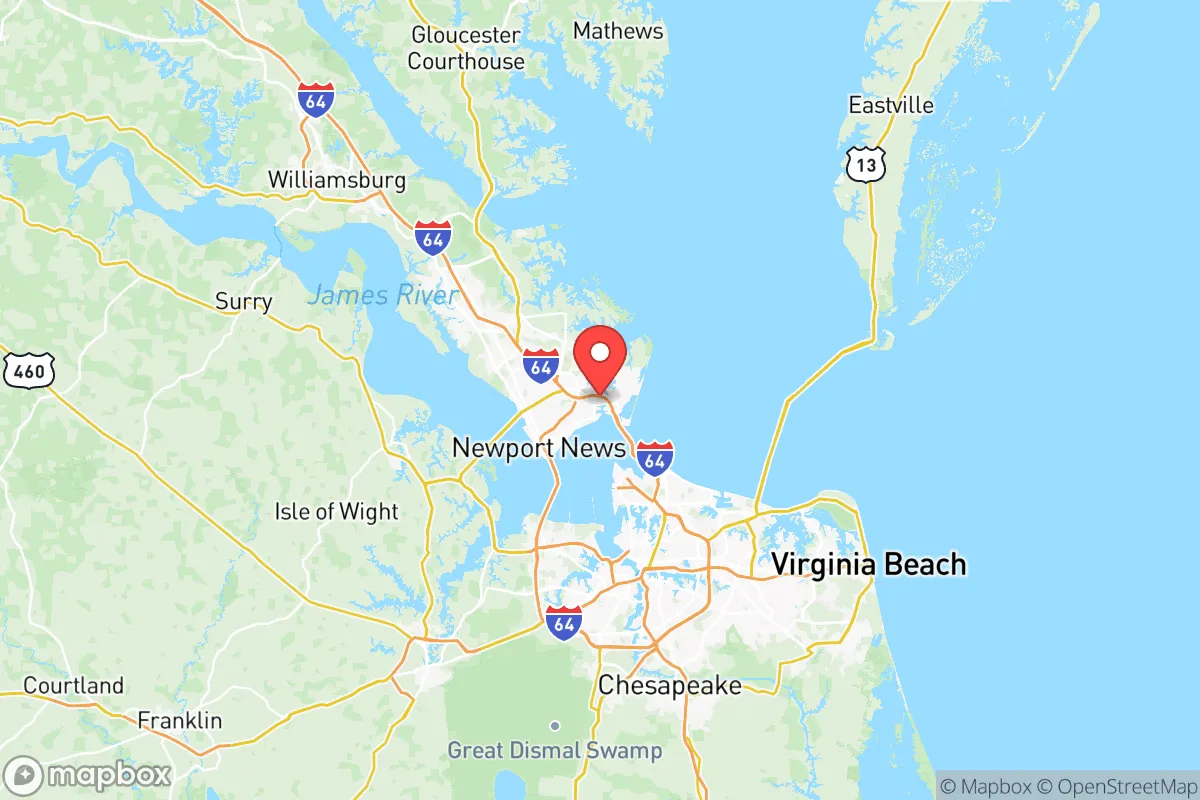
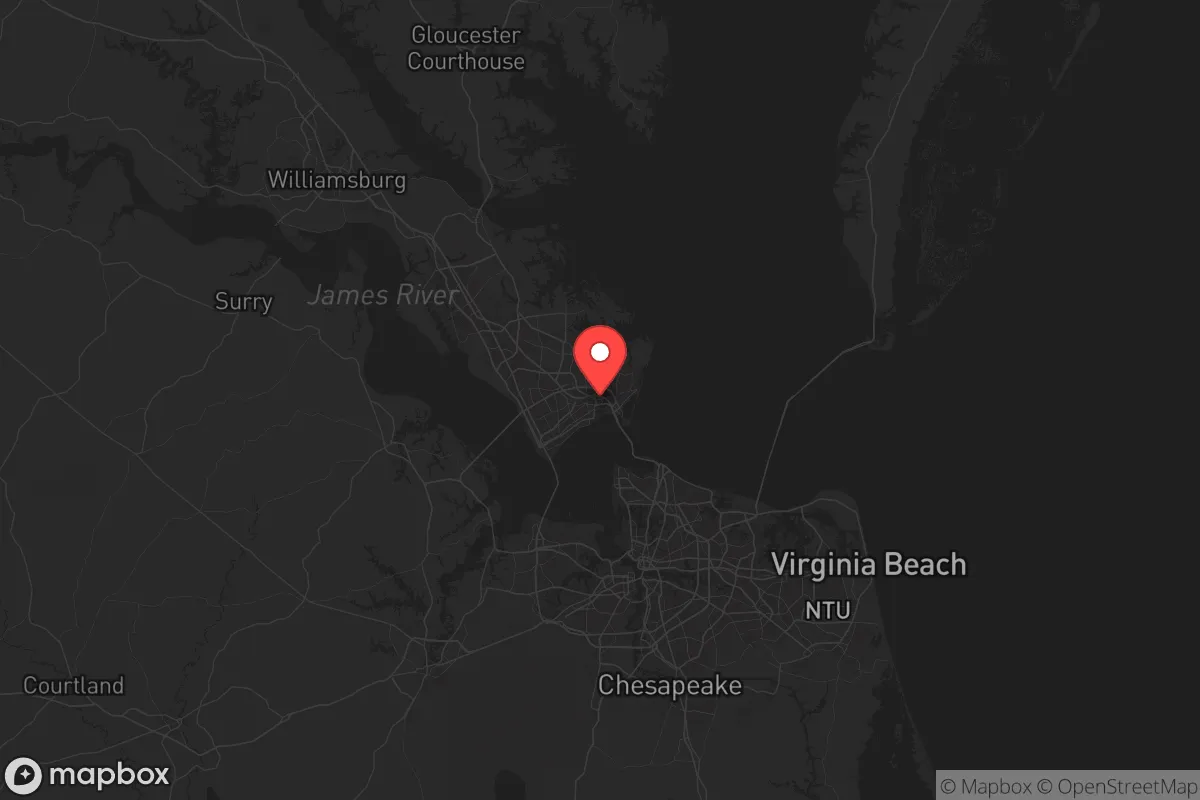
Hampton City County, Virginia, presents a notably constrained environment for personal sovereignty compared to more rural parts of the state, with its dense urban footprint and strong municipal governance limiting many traditional avenues of self-reliance. As an independent city, Hampton operates under its own charter, which grants it significant local control over zoning, taxation, and public safety—often resulting in a heavier regulatory touch than what residents in surrounding counties like York or Isle of Wight experience. For a relocation audience prioritizing autonomy, the city’s posture on taxes, self-defense, homesteading, and personal liberties reflects a distinctly urban, government-centric approach that requires careful navigation.
Tax burden and regulatory posture in Hampton’s urban framework
Hampton’s tax burden is moderate by Virginia standards but carries a distinctly urban weight that can feel restrictive to those accustomed to lower-regulation environments. The city levies a real estate tax rate of $1.24 per $100 of assessed value, which is higher than neighboring York County ($0.82) but lower than Virginia Beach ($1.05). Personal property tax on vehicles is a notable 4.25% of assessed value, a rate that adds up quickly for families with multiple cars. Business and occupational license taxes apply to most home-based enterprises, and the city enforces a strict zoning code that limits home-based businesses in residential districts—a key consideration for self-employed individuals or those seeking side-income autonomy. The regulatory posture is proactive: Hampton requires permits for everything from fence installation to shed construction, and the city’s building code enforcement is known for being thorough. For context, the nearby unincorporated areas of Poquoson and Gloucester County offer far lighter regulatory burdens, with lower tax rates and less intrusive zoning, making them more attractive for those prioritizing fiscal sovereignty.
Self-defense and gun law specifics in Hampton City County
Virginia’s state-level gun laws apply uniformly, but Hampton’s local enforcement and cultural climate create a more restrictive atmosphere than many rural counties. The state requires a background check for all firearm purchases, a one-handgun-per-month limit, and a permit for concealed carry—though Virginia is a “shall-issue” state, meaning permits are granted if criteria are met. Hampton itself has no local ordinances that further restrict gun ownership, but the city’s high population density and proximity to military bases (Langley Air Force Base, Fort Eustis) mean that open carry is uncommon and often draws police attention. The city’s police department is proactive in enforcing state laws, and the local political climate leans toward gun safety measures. For a more gun-friendly environment, residents often look to Smithfield or Surry County, where rural culture and fewer law enforcement interactions make firearm ownership a more integrated part of daily life. Stand-your-ground laws apply statewide, but in practice, Hampton’s urban setting means self-defense claims face greater scrutiny from prosecutors and the court system.
Self-reliance and homesteading viability: lot sizes, zoning, and off-grid feasibility
Homesteading and off-grid living are effectively non-viable within Hampton’s city limits due to dense zoning and infrastructure requirements. The typical residential lot size in Hampton is 0.15 to 0.25 acres, with most neighborhoods built on standard subdivision layouts that leave little room for gardens, livestock, or alternative energy systems. Zoning codes prohibit chickens, goats, or bees in most residential districts, and the city requires connection to municipal water and sewer—eliminating the possibility of well-and-septic independence. Rainwater collection is allowed but must comply with state health regulations, and solar panel installation requires a permit and must meet HOA guidelines in many neighborhoods. For those serious about self-reliance, the viable options lie outside the city: Carrollton in Isle of Wight County offers 1- to 5-acre lots with agricultural zoning, and Gloucester Courthouse allows livestock and off-grid systems with minimal permitting. Even Yorktown, just across the Hampton Roads Bridge-Tunnel, provides more flexibility with larger lots and less restrictive zoning. Hampton’s urban infrastructure is designed for convenience, not independence—a trade-off that relocation researchers should weigh carefully.
Personal liberties: parental rights, medical autonomy, speech, and property
Hampton’s approach to personal liberties reflects its status as a mid-sized, politically moderate city with a strong municipal government presence. Parental rights in education are generally respected, though the city’s school board has adopted policies on LGBTQ+ inclusivity and curriculum transparency that some conservative families find intrusive—a contrast to more rural districts like Mathews County, where parental opt-out rights are broader. Medical autonomy is limited by state-level vaccine mandates for school attendance and strict regulation of alternative medicine practitioners; the city itself does not impose additional health mandates, but the local health department is active in enforcement. Free speech and property rights are protected under state and federal law, but Hampton’s noise ordinances, sign regulations, and public assembly permitting process create a more managed environment than in less densely populated areas. For example, political signage on private property is limited to 30 days before an election, and temporary signs require a permit—a restriction that would be unusual in West Point or King and Queen County. Property rights are further constrained by the city’s historic district overlay, which imposes design review for exterior changes in several neighborhoods, including Phoebus and Olde Hampton.
Overall, Hampton City County ranks low on the personal sovereignty spectrum relative to other areas in Virginia, particularly when compared to the rural counties of the Middle Peninsula or Southside. The city’s tax burden, zoning restrictions, and regulatory posture are typical of an urbanized, service-oriented municipality—prioritizing collective infrastructure over individual autonomy. For a relocation audience that values self-reliance, gun rights, and minimal government interference, the surrounding counties of Isle of Wight, Gloucester, and Mathews offer a far more sovereignty-friendly environment. Hampton works best for those who accept a trade-off: convenience and municipal services in exchange for tighter controls on personal and property freedoms.

* Values derived from national, state, county, city and local statistics and may differ in a specific area. Last updated: 2026-07-04T01:41:37.000Z
Narrative content on this page is AI-generated and may contain mistakes. Verify any details that matter before acting on them.
ReloMaps may earn a commission from affiliate links at no extra cost to you.

