Quality of Life in Fairfax City County
A livable area that tracks near national norms for affordability, walkability, and neighborhood health.
What does Quality of Life tell us?
Quality of Life measures an area by evaluating factors like cost of living, nearby amenities, country club access, airport proximity, socioeconomic signals and neighborhood character. For large states, this is a general average — quality of life can vary dramatically between metro areas, suburbs, and rural communities within the same state.
What does this tell us?
Quality of Life measures an area by evaluating factors like cost of living, nearby amenities, country club access, airport proximity, socioeconomic signals and neighborhood character. For large states, this is a general average — quality of life can vary dramatically between metro areas, suburbs, and rural communities within the same state.
Cost of Living
106% above national average
69%
The Real Cost of Living in Fairfax City County for 2026
| Tier | Individual | Family (4) |
|---|---|---|
| Survival | $34k | $64k |
| Comfortable | $132k | $193k |
| Luxury | $224k+ | $347k+ |
| Elite (Top 5%) | $264k+ | $408k+ |
Quality-of-Life Analysis
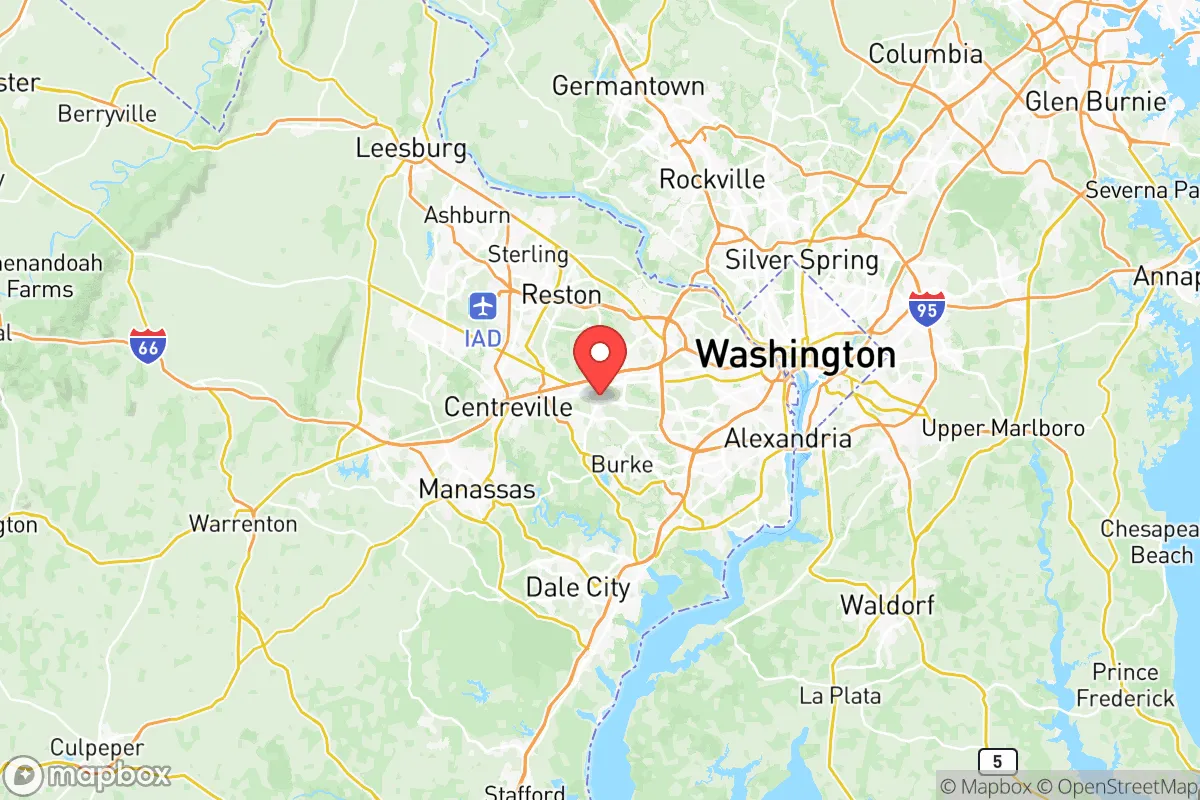
Fairfax City County, Virginia, presents a unique quality-of-life spectrum that blends dense, amenity-rich suburban centers with quieter residential enclaves and surprisingly accessible green spaces, all within the Washington, D.C. orbit. The county draws a diverse population: young professionals and federal employees who prioritize walkable access to Metro stations and nightlife, families seeking top-ranked public schools and safe neighborhoods, and long-time residents who value the remaining pockets of semi-rural character. The county's overall cost of living index of 206 (double the national average) and a median home value of $677,400 set a high baseline, but the experience of daily life varies significantly depending on whether one lives in a bustling town center, a leafy suburban subdivision, or a historic village.
Largest town(s) & population centers
The primary population anchor is the independent city of Fairfax City, which is geographically surrounded by but politically separate from Fairfax County. However, within the county proper, the largest and most dynamic centers are the planned communities of Reston and Tysons. Reston, founded in the 1960s, is a master-planned community built around a series of lakes, parks, and village centers. Daily life here is defined by a mix of single-family homes, townhouses, and high-rise apartments, with a strong emphasis on walkability and recreation. The Reston Town Center offers a dense, urban-style core with shops, restaurants, and a public ice rink, while the nearby Wiehle-Reston East Metro station provides a direct 35-minute commute to downtown D.C. Tysons, by contrast, is the county's central business district and a rapidly densifying urban hub. Once a car-centric office park, Tysons is now a high-rise corridor with luxury apartments, the Tysons Corner Center and Tysons Galleria malls, and four Silver Line Metro stations. Life in Tysons is fast-paced and amenity-rich, appealing to professionals who want a live-work-play environment with an average commute of 27.7 minutes, though it comes at a premium price point.
Smaller towns & rural pockets
Beyond the urban centers, Fairfax County retains several smaller towns and historic villages that offer a markedly different pace of life. Vienna, centered around its historic downtown on Maple Avenue, is a classic inner-ring suburb with a strong sense of community, excellent schools, and a walkable commercial district. Clifton, in the southwestern corner of the county, is a designated historic district that feels like a rural hamlet, with dirt roads, a single general store, and the nearby Bull Run Marina offering access to the Occoquan River. Great Falls, along the Potomac River, is known for its large-lot estates, equestrian properties, and the stunning Great Falls Park. These areas provide a quieter, more spacious lifestyle while still being within a 30-minute drive of Tysons or D.C. The county also includes unincorporated communities like McLean, which blends high-end residential neighborhoods with riverfront parks, and Burke, a family-oriented suburb with extensive trail systems and the Burke Lake Park.
Cost & lifestyle range
The cost of living and lifestyle options span a wide range across the county. At the high end, McLean and Great Falls are among the most affluent communities in the nation, with median home values well above $1.5 million, large lots, and top-tier public schools. The lifestyle here is one of privacy, space, and proximity to elite amenities. In the middle of the spectrum, Vienna and Burke offer median home values closer to the county average of $677,400, with a mix of older colonials and newer townhouses. Renters in these areas can expect a median rent of $2,122, often for a two-bedroom apartment. At the more accessible end, Reston and parts of Annandale provide a wider range of housing options, including older garden apartments and condos, with lower entry points for first-time buyers or renters. Annandale, in particular, is a diverse, working-to-middle-class hub with a vibrant Korean-American commercial corridor and more affordable housing stock. The county's average commute of 27.7 minutes is relatively short for the D.C. region, but residents in outer areas like Clifton or Burke may face longer drives, while those in Tysons or Reston can rely on Metro or bike paths.
Fairfax County is best suited for individuals and families who prioritize exceptional public schools, abundant job opportunities in the D.C. metro area, and a high level of public services and safety, and who have the financial resources to afford a cost of living that is double the national average. Those seeking a vibrant, walkable urban lifestyle will gravitate toward Tysons or Reston Town Center, while those desiring a quieter, more traditional suburban or semi-rural setting will find their niche in Vienna, Clifton, or Great Falls. The county's strength lies in offering this full spectrum of quality-of-life options within a single, well-managed jurisdiction.

Crime in Fairfax City County
Generally safer than 60% of comparable U.S. locations.
Violent CrimeViolent Crime Analysis
Property CrimeProperty Crime Analysis
Crime Analysis
Fairfax City, an independent city surrounded by Fairfax County, reports a violent crime rate of 209 incidents per 100,000 residents and a property crime rate of 1,389.4 per 100,000. These figures place the city in a middle tier for safety within Northern Virginia, significantly safer than nearby Alexandria or Arlington but notably less safe than the affluent western suburbs like Vienna or Great Falls. The city’s compact geography and mixed-use downtown create a unique safety profile where daytime activity is robust but property crimes, particularly vehicle break-ins and package thefts, are persistent concerns.
Crime in context
Fairfax City’s violent crime rate of 209 per 100,000 sits roughly 40% below the national average of approximately 380 per 100,000, but it is nearly double the statewide Virginia average of about 110 per 100,000. Property crime at 1,389.4 per 100,000 is below the national average of 1,954 but above the Virginia state average of roughly 1,200. The city’s elevated violent crime rate relative to the rest of Virginia is driven primarily by aggravated assaults, which account for the majority of violent incidents. Robberies and burglaries remain low compared to peer jurisdictions like Manassas or Woodbridge. The Fairfax City Police Department, which serves the city independently from the Fairfax County Police, has maintained a clearance rate for violent crimes above 60% in recent years, though property crime clearance rates lag below 15%.
What residents experience
Residents of Fairfax City report that the most common safety issues are non-violent: larceny from vehicles, package thefts from front porches, and occasional vandalism in the Old Town Square and University Drive corridors. The presence of George Mason University’s main campus just outside city limits in Fairfax County brings transient foot traffic that contributes to opportunistic theft. The city’s proximity to major commuter routes—I-66, Route 29, and the Fairfax Connector bus system—means that property crime suspects often pass through from higher-crime areas in Prince William County or eastern Fairfax County. A significant concern for residents is the progressive judicial philosophy of the Fairfax County Commonwealth’s Attorney’s office, which has jurisdiction over cases originating in Fairfax City. Under current leadership, the office has implemented policies that frequently divert property crime and lower-level drug offenders away from incarceration through pretrial programs and plea agreements that avoid jail time. This approach, while intended to reduce recidivism through treatment, has resulted in repeat property crime offenders cycling through the system with minimal consequences, a pattern residents and business owners in the city’s commercial corridors report with frustration.
Neighborhood-level variation is notable. The Mosby Woods and Mantua neighborhoods, located in the western and southern portions of the city, consistently report the lowest crime rates, with violent incidents rare and property crime limited to occasional unlocked-car entries. The Old Town Fairfax area around Main Street and the city hall complex sees higher rates of larceny and disorderly conduct, particularly on weekend evenings when bars and restaurants draw crowds. The Pickett Road and Jermantown Road corridors, which contain apartment complexes and commercial plazas, report the highest concentration of property crime and the majority of the city’s aggravated assaults. The Fairfax Circle and Northfax areas near the city’s border with the county experience spillover crime from the nearby Fair Oaks Mall and Route 50 corridor, including shoplifting and vehicle break-ins. Overall, Fairfax City remains a generally safe place to live, but the combination of progressive prosecutorial policies and the city’s role as a regional transit hub means residents must remain vigilant about property security and advocate for stronger accountability in the justice system.
* Values derived from national, state, county, city and local statistics and may differ in a specific area. Last updated: 2026-06-17T12:46:07.000Z
Narrative content on this page is AI-generated and may contain mistakes. Verify any details that matter before acting on them.
ReloMaps may earn a commission from affiliate links at no extra cost to you.

