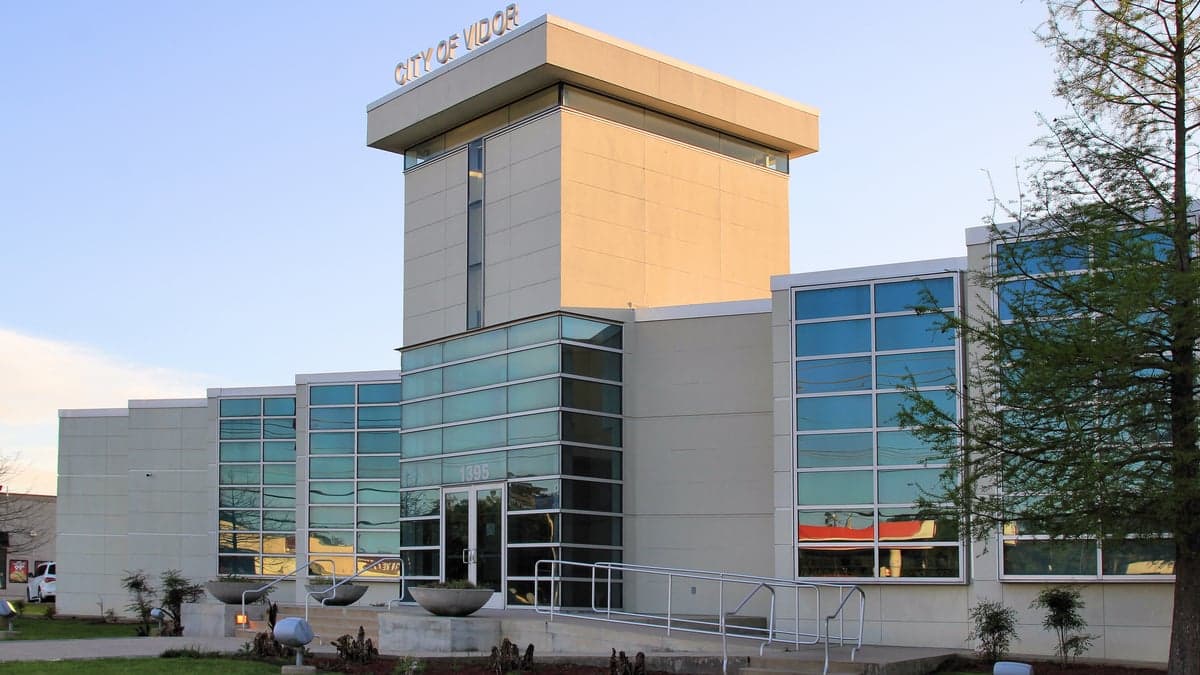
Photo: Wikipedia
Find The Best Places To Live
in Vidor
PRO TIP! You can paste a Zillow or Redfin link to get info on that property.
What It's Like Living in Vidor, TX
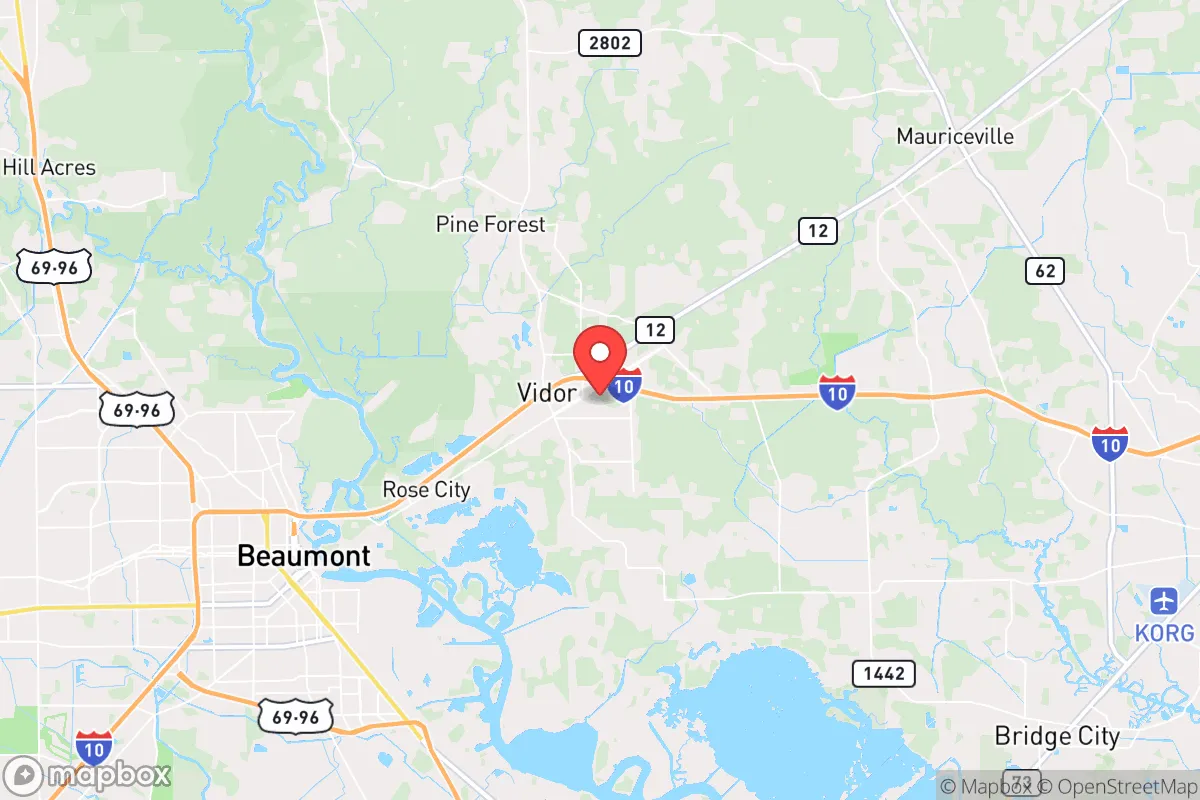
Vidor, Texas, is one of those places that wears its identity on its sleeve. It’s a small, unincorporated community of about 9,738 people, tucked between the piney woods and the Neches River, just east of Beaumont. The vibe here is unmistakably old-school Southeast Texas: slow mornings, strong opinions, and a deep sense of local pride that can feel both welcoming and insular, depending on who you ask. If you’re looking for a place where people know your name, the high school football game is the main event on Friday night, and the pace of life lets you actually breathe, Vidor might fit. If you’re expecting a diverse, fast-paced suburban scene with a craft brewery on every corner, you’ll probably feel out of place.
Daily Rhythm and Who Fits In
Life in Vidor moves at a deliberate, unhurried pace. The average commute is about 23 minutes, which means most residents drive into Beaumont or Port Arthur for work—often in the oil, gas, or petrochemical industries—and then come home to a quieter, more affordable slice of life. The median household income sits at $62,020, which goes a long way here because the cost of living index is a striking 57 (well below the national average of 100). With a median home value of just $111,600, a family on a single blue-collar salary can realistically own a three-bedroom house on a decent lot. The kind of person who thrives here is someone who values space, privacy, and a low-stakes daily routine—people who don’t mind driving 20 minutes for a sit-down dinner or a trip to Walmart. You’ll find a lot of retirees (the median age is 45.6), young families looking for affordable starter homes, and folks who grew up in the area and never left. It’s not a place for young singles seeking nightlife or a high-powered career scene; it’s a place for people who want to put down roots and keep things simple.
Sports, Community, and What People Actually Do
High school football is the closest thing Vidor has to a civic religion. The Vidor Pirates are a genuine source of community identity—Friday nights at Pirate Stadium draw crowds that include everyone from grandparents to toddlers, and the booster club is a major social hub. There’s no pro sports team in town, but most residents align with the Houston Texans or Dallas Cowboys, and you’ll hear plenty of talk about the Astros during baseball season. Beyond sports, weekends are spent outdoors. The nearby Big Thicket National Preserve offers hiking, kayaking, and birding that feels a world away from the refinery tanks visible on the horizon. The Neches River is a local favorite for fishing and boating, and many families spend summer Saturdays at the river or at local parks like Vidor City Park, which has a playground, walking trails, and a small pavilion for gatherings. For entertainment, you’re looking at a handful of local spots: Bubba’s BBQ is the go-to for brisket and a cold beer, and Vidor’s own Sonic Drive-In is a genuine after-game hangout for teenagers. The annual Vidor Festival, held in the spring, features a parade, carnival rides, and live music—it’s the biggest event of the year and draws people from surrounding towns. But if you want a proper concert venue, a movie theater, or a nightclub, you’re driving to Beaumont (about 15 minutes west) or further to Houston (about 90 minutes).
Pros and Cons of Living Here
Let’s be honest about the upsides. The cost of living is the headline—you can buy a home for under $120,000, your utility bills are low, and everyday expenses are manageable. The violent crime rate is 196.5 per 100,000, which is slightly below the national average, and most residents will tell you they feel safe in their neighborhoods. The schools—Vidor Independent School District—are a central part of community life, with a strong emphasis on extracurriculars and a parent-teacher network that’s very active. Traffic is essentially nonexistent; you can get from one end of town to the other in under 10 minutes. On the downside, Vidor has a reputation that can be a barrier. The town has a long and complicated history with racial segregation and exclusionary attitudes, and while things have evolved, the demographic reality is stark: the population is overwhelmingly white, and the college-educated rate is just 10.1%. For anyone who isn’t white, or who doesn’t fit the conservative Christian mold, the social climate can feel isolating. There’s also a lack of amenities—no major hospital, no shopping mall, no real entertainment district. You’ll drive for groceries, healthcare, and most services. The weather is classic Southeast Texas: hot and humid from May through October, with the occasional hurricane threat. Winters are mild but damp. What frustrates locals most is the lack of economic opportunity within the town itself—most jobs are in Beaumont or the refineries, so the commute is a fact of life, not a choice.
Cultural Quirks and Local Identity
Vidor has a distinct, almost stubborn sense of self. You’ll see Confederate flags on trucks and in front yards, and the town’s identity is deeply tied to a certain vision of rural, working-class Texas. The local newspaper, the Vidor Vidorian, still covers high school sports and city council meetings with the earnestness of a much bigger paper. There’s a strong tradition of church involvement—Baptist and Methodist congregations dominate—and many community events are organized through churches. The town’s unofficial motto, “The Gateway to the Big Thicket,” reflects its location as a launching point for outdoor recreation. But the most notable cultural quirk is the pride residents take in being “from Vidor”—it’s a place that people either love or leave, and those who stay tend to be fiercely loyal. If you’re considering a move here, the best advice is to visit first, spend a weekend, and see if the quiet, the heat, and the strong local character feel like home or like a compromise. For the right person, it’s a place where you can actually own a home, raise a family, and live without the noise and expense of a big city. For others, it’s simply too far from the rest of the world.

Similar small towns to Vidor

* Values derived from national, state, county, city and local statistics and may differ in a specific area. Last updated: 2026-07-23T02:41:22.000Z
Narrative content on this page is AI-generated and may contain mistakes. Verify any details that matter before acting on them.
ReloMaps may earn a commission from affiliate links at no extra cost to you.

