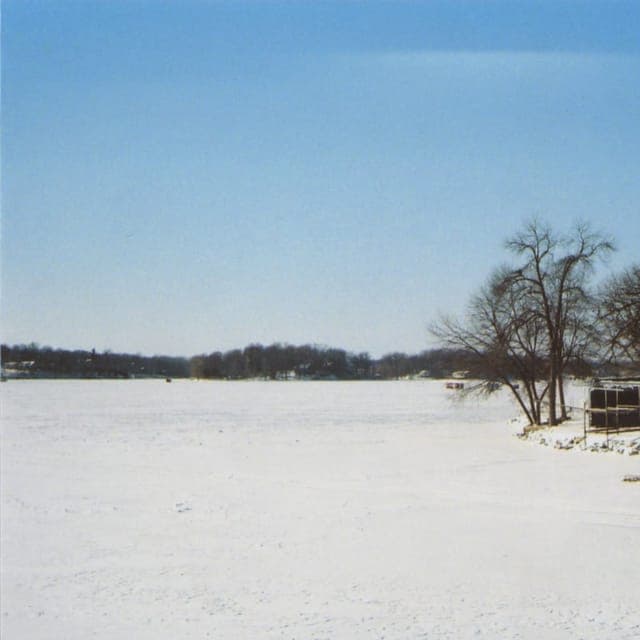
Photo: Wikipedia
Find The Best Places To Live
in Victoria
PRO TIP! You can paste a Zillow or Redfin link to get info on that property.
What It's Like Living in Victoria, MN
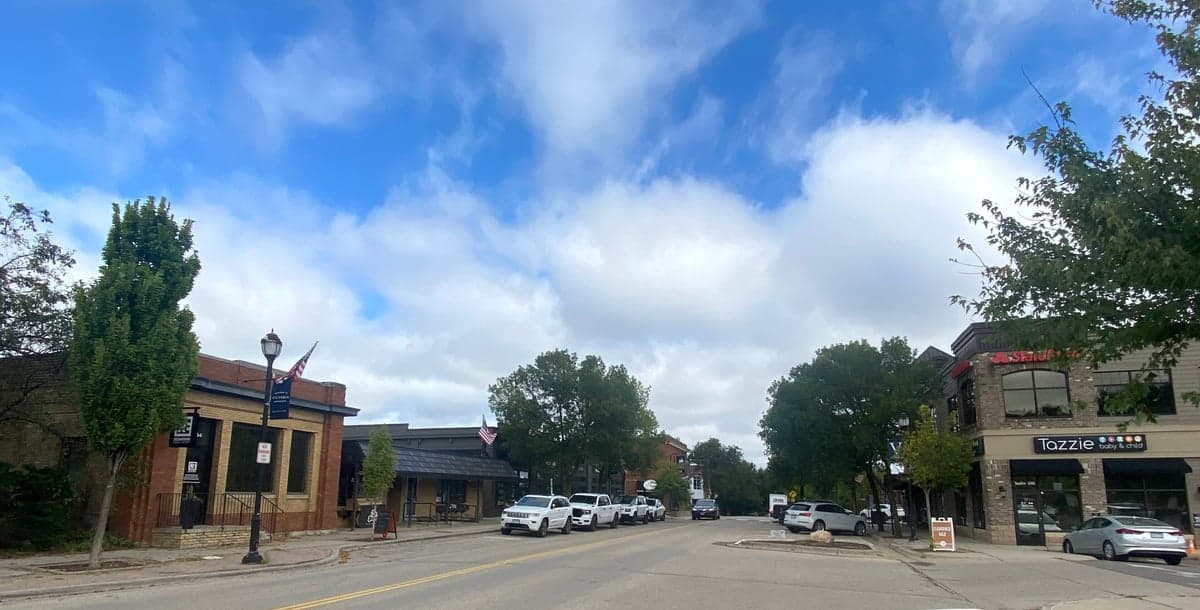
Victoria, Minnesota, feels less like a suburb and more like a small town that happens to sit just off Highway 5. With a population just shy of 11,000, it’s the kind of place where you’ll see the same faces at the grocery store and the Friday night football game, and where the local coffee shop knows your order. It’s prosperous, highly educated, and family-focused, but it’s not a place for everyone—the pace is deliberate, the winters are long, and the nearest big-city action is a 35-minute commute away.
The Daily Rhythm: Work, School, and the Weekend Reset
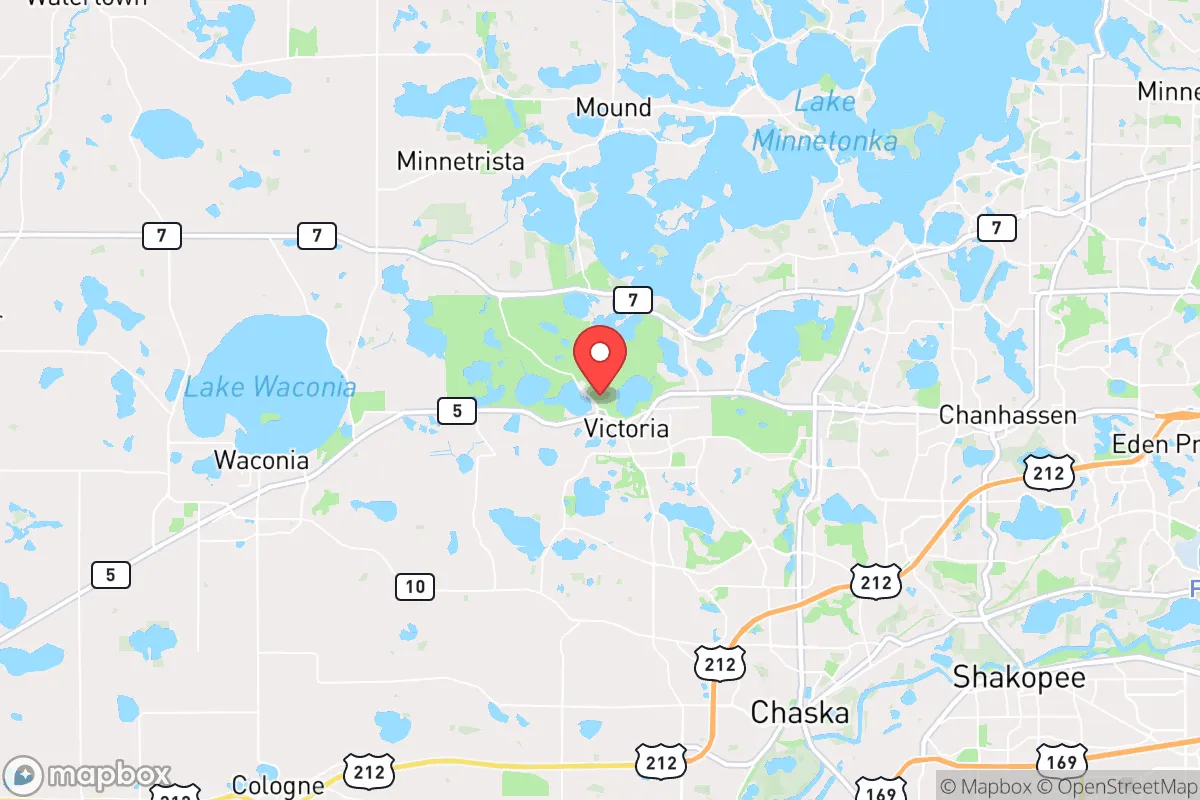
For most residents, the day starts early. The average commute clocks in at just over 34 minutes, which means a lot of people are heading west toward Waconia or east toward Eden Prairie and Minneapolis. By 6:30 AM, you’ll see a steady stream of SUVs and trucks rolling out of the Lake Minnewashta and Victoria Highlands neighborhoods. The median household income of $192,821 reflects the professional and executive-level jobs that pull people out of town each morning. When they return, the rhythm shifts to school pickups, youth sports practices, and dinner at home. Weekends are for the lake—Lake Minnewashta Regional Park is the unofficial backyard, with swimming, paddleboarding, and walking trails that see heavy use from May through October. In winter, the same families trade kayaks for ice skates and cross-country skis, and the park’s sledding hill is packed on snowy Saturdays.
Grocery shopping means a trip to the local Kowalski’s or a quick run to Cub Foods in nearby Chanhassen. Dining out is casual and community-oriented: Victoria House Pub & Grill is the go-to for burgers and a beer after a game, while Lola’s Lakehouse on Lake Minnewashta draws crowds for its patio and lake views. For a nicer dinner, people drive to Waconia or Chaska. There’s no downtown strip of boutiques or a nightlife scene—Victoria’s social life revolves around the schools, the parks, and the handful of local restaurants.
Sports, Schools, and the Community Anchor
High school sports are a genuine centerpiece of Victoria life. The Victoria Lions (part of the Eastern Carver County School District) draw big crowds for football and basketball games, especially when rival Waconia comes to town. The district’s schools—Victoria Elementary, Chanhassen High School, and Chaska High School—are consistently rated among the top in the state, and the 67.3% college-educated adult population reflects a community that prioritizes academics. Youth sports are a year-round commitment: soccer, hockey, baseball, and lacrosse leagues fill the fields and rinks, and parents spend weekends shuttling kids between games. The median age of 40.1 aligns with this family-heavy demographic—empty nesters are less common here than in nearby retirement-focused towns.
There’s no pro sports team in Victoria, but the Minnesota Twins, Vikings, and Wild are followed passionately. Game-day jerseys are common at the pub, and the local sports bar, Busters on 5, is packed for Vikings Sundays. The community also rallies around the Victoria Fire Department’s annual pancake breakfast and the Summerfest celebration in July, which includes a parade, live music, and a fireworks show over the lake. These events feel genuinely local—not touristy—and they’re where you’ll meet your neighbors.
The Honest Trade-Offs: What Works and What Grates
Longtime residents love the safety and the schools. The violent crime rate of 224.9 per 100,000 is slightly above the national average for a town this size, but it’s still low enough that most people leave their doors unlocked and kids ride bikes to the park without worry. The median home value of $572,800 and a cost of living index of 207 (more than double the U.S. average) mean that buying in is expensive—most new arrivals are dual-income professionals or families trading up from starter homes in the metro. Rentals are scarce, and the housing market moves fast.
What frustrates residents? The commute is the top complaint. A 34-minute average sounds manageable, but during winter storms or construction on Highway 5, it can stretch to an hour each way. There’s also a sense that Victoria lacks a true downtown—the commercial corridor along Highway 5 is a strip of gas stations, fast food, and big-box stores, not a walkable Main Street. For nightlife, entertainment, or a serious shopping trip, you’re driving to Chanhassen, Eden Prairie, or Minneapolis. Some residents also note that the community can feel insular; newcomers often find that joining a church, a sports league, or the PTO is the fastest way to break into the social fabric.
Weather is a fact of life. Winters are cold and snowy, with temperatures often below zero for weeks at a time. Spring is muddy and short, summer is humid and gorgeous, and fall is a brief, brilliant stretch of sweater weather. The seasonal rhythm is part of the identity—people here know how to winterize a boat and how to layer for a December soccer game. It’s a trade-off most accept for the space, the schools, and the quiet.

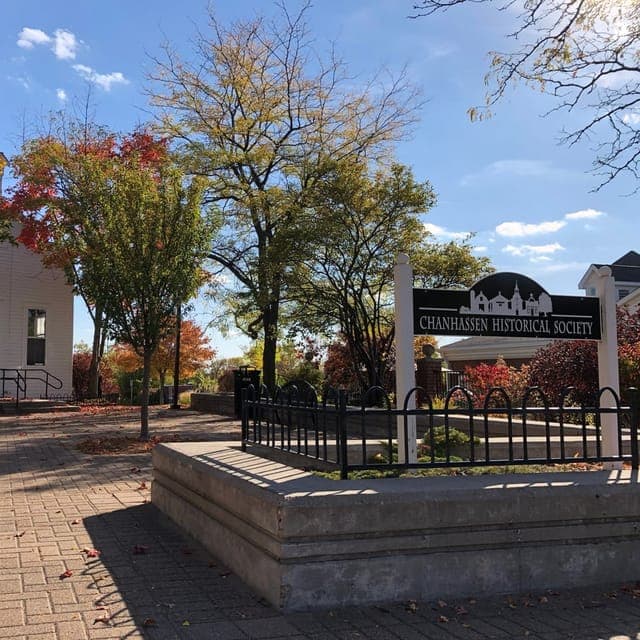
Similar towns to Victoria

* Values derived from national, state, county, city and local statistics and may differ in a specific area. Last updated: 2026-10-10T16:29:16.000Z
Narrative content on this page is AI-generated and may contain mistakes. Verify any details that matter before acting on them.
ReloMaps may earn a commission from affiliate links at no extra cost to you.

