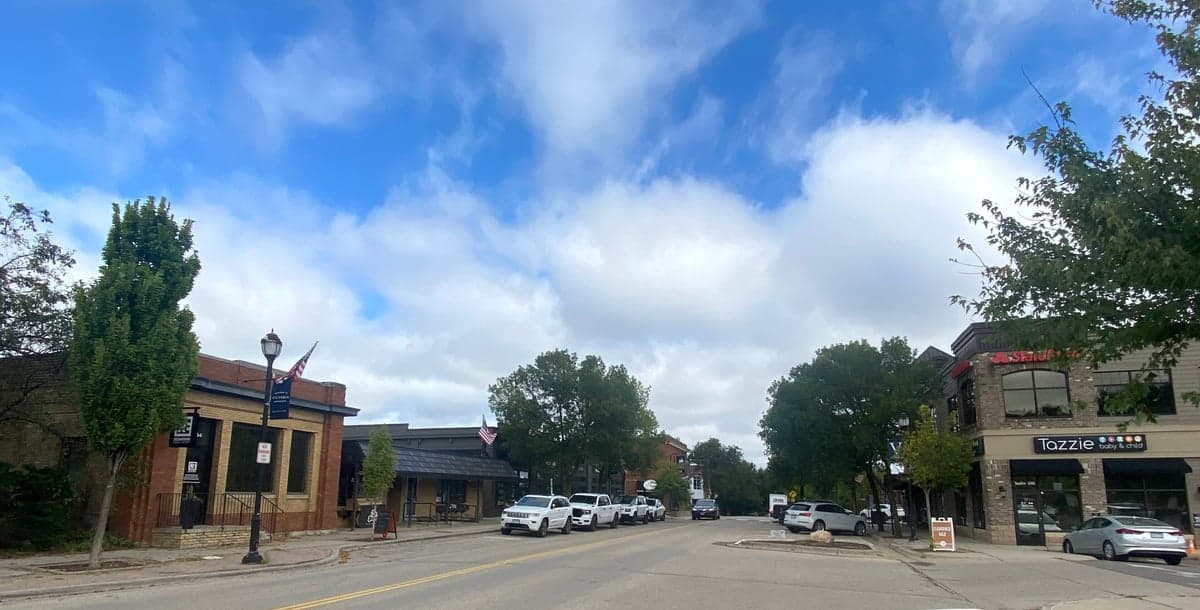
Photo: Wikipedia
Quality of Life in Victoria, MN
Above-average quality of iife. The area offers a reasonable cost of living, decent mobility, and a mix of neighborhood amenities.
What does Quality of Life tell us?
Quality of Life blends cost of living, nearby amenities, socioeconomic signals, and neighborhood character. City-level scores represent the whole municipality; individual neighborhoods can differ.
What does this tell us?
Quality of Life blends cost of living, nearby amenities, socioeconomic signals, and neighborhood character. City-level scores represent the whole municipality; individual neighborhoods can differ.
Cost of Living
107% above national average
The Real Cost of Living in Victoria, MN for 2026
| Tier | Individual | Family (4) |
|---|---|---|
| Survival | $39k | $73k |
| Comfortable | $111k | $164k |
| Luxury | $215k+ | $333k+ |
| Elite (Top 5%) | $253k+ | $392k+ |
118%
The Area Signal
A metric tracking the socioeconomic signals of the area.
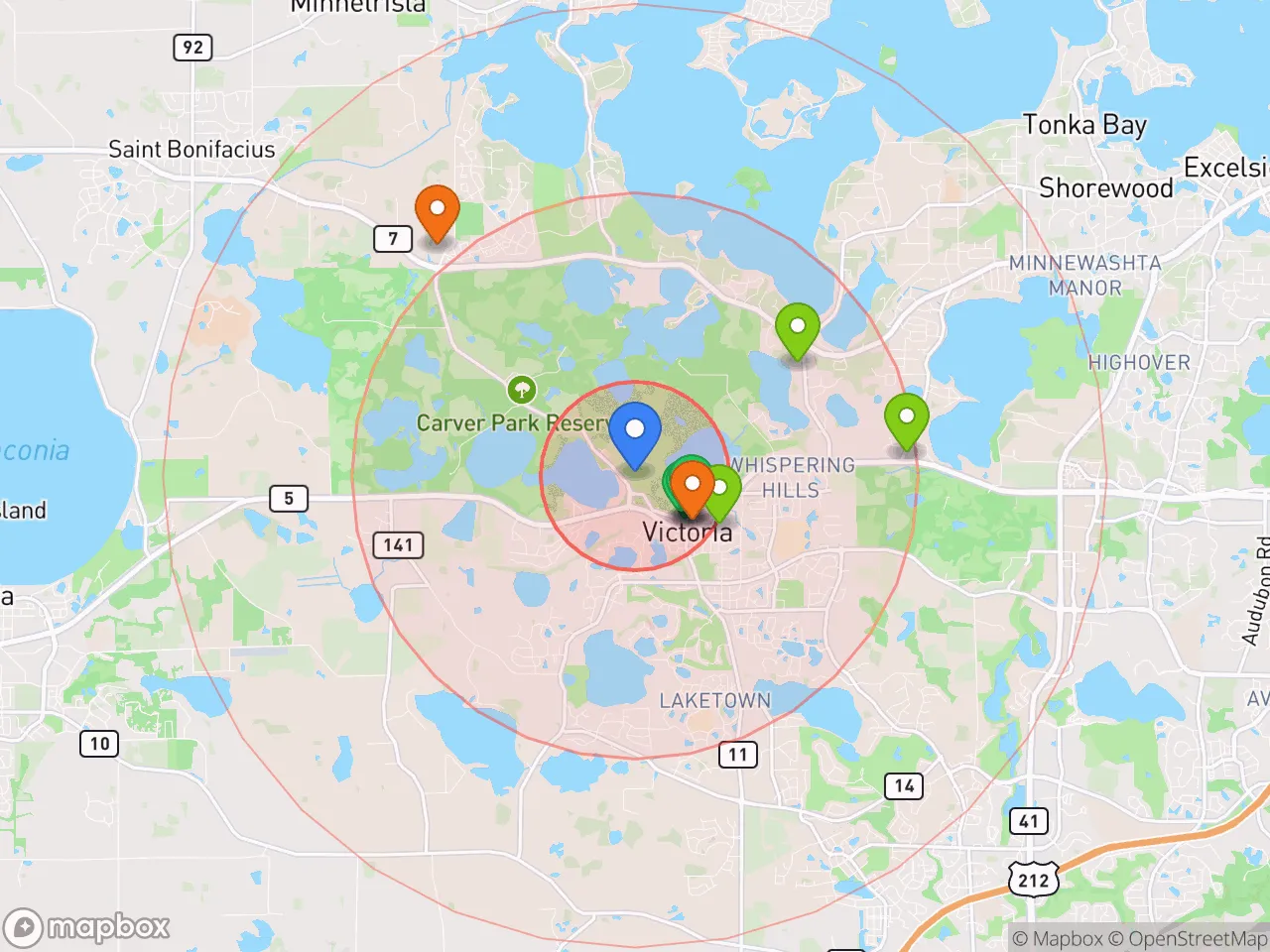
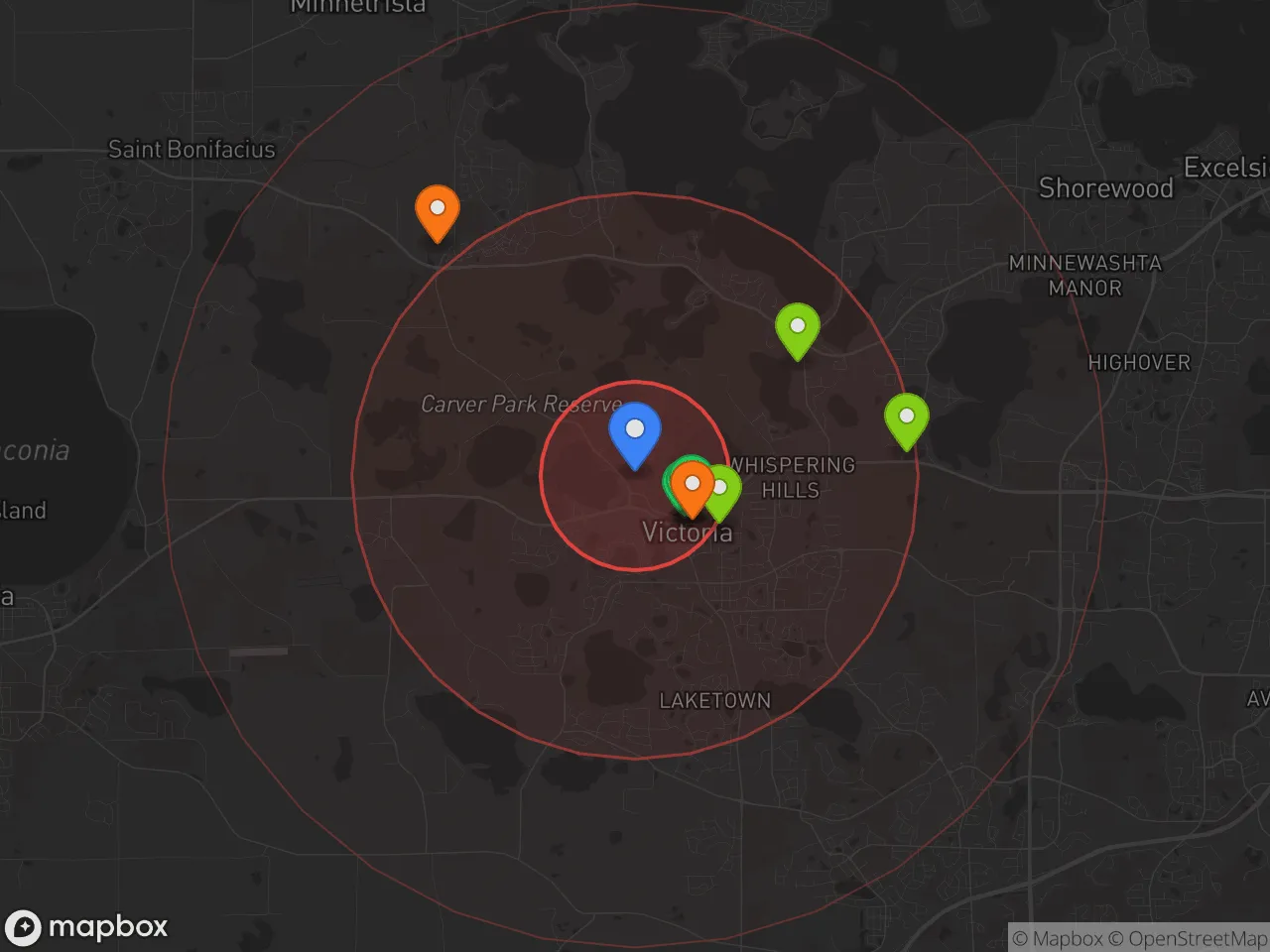
Hobbies
Explore the areaGroceries
4 within 10 miles
Gas
20 within 10 miles
Hospital
10 within 20 miles
Airport
JFK — John F. Kennedy Memorial
Post Office
USPS — Victoria, MN
Critical Amenities
Quality-of-Life Analysis
Victoria, Minnesota, is an affluent western Twin Cities suburb where the cost of living index sits at 207—more than double the national average—reflecting a community built around large-lot homes, top-rated schools, and a semi-rural atmosphere that attracts professionals and families willing to pay a premium for space and safety. The median home value of $572,800 and median rent of $2,435 place Victoria well above the metro average, creating a demographic profile of upper-middle-class households, many with dual incomes and long commutes. This is not a starter-home market; it is a destination for those who prioritize low crime, strong schools, and a slower pace over urban convenience.
Cost of living, housing, and affordability compared to nearby suburbs
Victoria’s housing market is among the priciest in Carver County, with a median home value of $572,800 that is roughly 30% higher than the county median of $440,000 and nearly double the U.S. median. The median rent of $2,435 reflects a tight rental market with few apartment complexes, as the city’s housing stock is dominated by single-family homes on one- to five-acre lots. For context, nearby Chaska and Waconia offer median home values around $400,000 and $450,000 respectively, making Victoria a clear premium choice. The cost of living index of 207 is driven almost entirely by housing; groceries and healthcare are only modestly above national averages. Property taxes in Carver County are moderate for the metro area, averaging about 1.1% of assessed value, but on a $572,800 home that still means an annual tax bill near $6,300. The average commute of 34 minutes—longer than the metro average of 26 minutes—adds a hidden cost in fuel and vehicle wear, especially for workers heading to downtown Minneapolis or Eden Prairie.
Schools, amenities, and what daily life is like for families
Daily life in Victoria revolves around the Eastern Carver County School District, which consistently ranks among Minnesota’s top 10% for test scores and graduation rates, with Victoria Elementary and Chaska High School drawing families specifically for academic performance. The city’s amenities are modest but deliberate: the Victoria Recreation Center offers a pool, fitness classes, and youth sports leagues, while the 80-acre Lake Bavaria County Park provides hiking, fishing, and a beach within a five-minute drive. Retail is limited to a small downtown strip with a grocery co-op, a pharmacy, and a handful of local restaurants; most residents drive 10–15 minutes to Chaska or Chanhassen for big-box shopping and dining. The community’s rhythm is quiet and family-oriented—weekends center on youth soccer games, lake activities, and neighborhood gatherings. The city has no major hospital, but Ridgeview Medical Center in Waconia (12 minutes away) and St. Francis Regional Medical Center in Shakopee (20 minutes) cover urgent and emergency care. Crime rates are extremely low: Victoria reports fewer than 10 violent crimes per year, and property crime rates are roughly one-third the national average.
Victoria is best suited for established professionals and families who value top-tier schools, low crime, and a semi-rural setting over urban nightlife or walkable amenities. The high cost of housing and long commute make it a poor fit for first-time buyers or renters on a median income, but for those who can afford the premium, the trade-off is a safe, spacious, and academically strong community with easy access to the lakes and parks of western Carver County. Empty-nesters downsizing from larger acreages also find Victoria appealing, as newer townhome developments near the city center offer lower-maintenance living without leaving the school district.

Crime in Victoria, MN
Generally safer than 62% of comparable U.S. locations.
Violent CrimeViolent Crime Analysis
Property CrimeProperty Crime Analysis
Crime Analysis
Victoria, Minnesota, presents a mixed safety profile for prospective residents. While the city’s violent crime rate of 224.9 per 100,000 residents is notably lower than the national average, its property crime rate of 1,424.8 per 100,000 exceeds both state and national benchmarks, signaling a need for caution regarding theft and burglary. As a small city within the Minneapolis-St. Paul metropolitan area, Victoria is subject to the broader criminal justice policies of Carver County and the state, which can influence local safety outcomes.
Crime in context
Victoria’s violent crime rate of 224.9 per 100,000 is roughly 35% below the U.S. average of 380 per 100,000, placing it in a relatively safer tier for serious offenses like assault and robbery. However, the property crime rate of 1,424.8 per 100,000 is significantly higher than the Minnesota state average of approximately 1,200 per 100,000 and the national average of 1,954 per 100,000. This means residents face a roughly 1 in 70 annual chance of experiencing property crime, compared to a 1 in 440 chance for violent crime. The disparity suggests that while violent incidents are uncommon, property-related risks—such as vehicle break-ins and package theft—are a tangible concern.
What residents experience
Daily life in Victoria is generally quiet, but the elevated property crime rate reflects a pattern seen across many suburban communities near large metro areas. Carver County’s justice system, influenced by progressive prosecutorial policies common in the Twin Cities metro, has been criticized for prioritizing diversion programs and reduced sentencing for non-violent offenders. This approach, while intended to reduce recidivism, can result in repeat property criminals cycling back into neighborhoods more quickly. Residents report that unlocked cars and unattended garages are common targets, and the city’s police department has emphasized community education on securing valuables. The violent crime rate, though low, is not zero—incidents of domestic assault and simple assault do occur, but they rarely involve strangers.
Neighborhood-level variation
Safety in Victoria is not uniform. Older, established neighborhoods near the city’s core (e.g., near Victoria Drive and Highway 5) tend to have lower crime reports, benefiting from higher visibility and tighter-knit community watch efforts. In contrast, newer subdivisions on the city’s outskirts—particularly those near the Chanhassen border and along the Highway 41 corridor—see a disproportionate share of property crimes, likely due to easier access for transient offenders. The city’s proximity to the metro area means that crime patterns are influenced by regional trends, including organized retail theft rings that operate across multiple jurisdictions. For the most current block-level data, prospective residents should consult the Carver County Sheriff’s Office crime mapping tool, as Victoria contracts with the county for primary law enforcement services.
* Values derived from national, state, county, city and local statistics and may differ in a specific area. Last updated: 2026-10-10T16:29:16.000Z
Narrative content on this page is AI-generated and may contain mistakes. Verify any details that matter before acting on them.
ReloMaps may earn a commission from affiliate links at no extra cost to you.

