Photo: Wikipedia
Strategic Assessment of Vero Beach, FL
Meaningful friction. Expect exposure to either population pressure, blast zones, or natural disaster risk. Consider buying a retreat property.
What does the Strategic Assessment tell us?
Our Strategic Assessment grades tactical survivability of an area. Major population centers, military targets, fallout zones, natural disasters, and border exposure all drive risk — lower exposure means a more defensible position in a crisis.
This is heavily inspired by Joel Skousen's Strategic Relocation book. Highly recommended you checkout the book ($)What does this tell us?
Our Strategic Assessment grades tactical survivability of an area. Major population centers, military targets, fallout zones, natural disasters, and border exposure all drive risk — lower exposure means a more defensible position in a crisis.
This is heavily inspired by Joel Skousen's Strategic Relocation book. Highly recommended you checkout the book ($)Strategic Pillars
Key Distances
Regional Safe Places
Below is our recommended "safe zones" in Florida and the surrounding area based on our strategic heuristics. For most people, it's unrealistic to live in a “safe zone” full-time due to work, family or other personal reasons. They tend to be more rural. However, many of these areas are perfect for second homes and retreat properties that double as a vacation home or even a short-term rental.

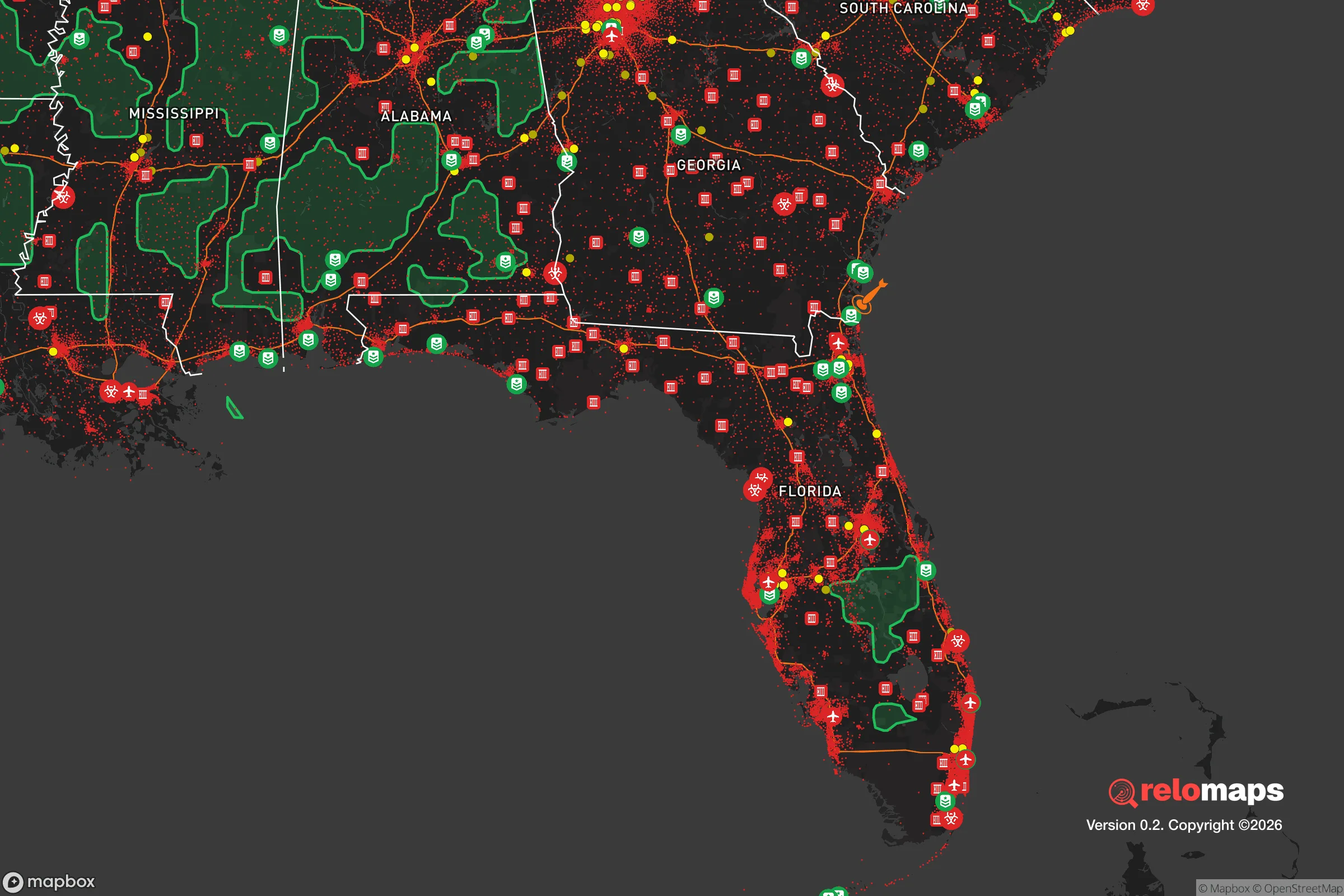


Important Note: For informational purposes only. This does not mean nothing bad ever happens in the green zones. Please use common sense. This is based on public data and modeled with AI. We tried to take a conservative approach but mistakes happen. We update this regularly as new information becomes available.
Solar Generator Recommendations
Backup power matters more here than in safer locations. We've picked three solar generators across budgets and capacity tiers — start with the budget unit if you only need a few essentials, or step up if you want to run a fridge and HVAC for days at a time.
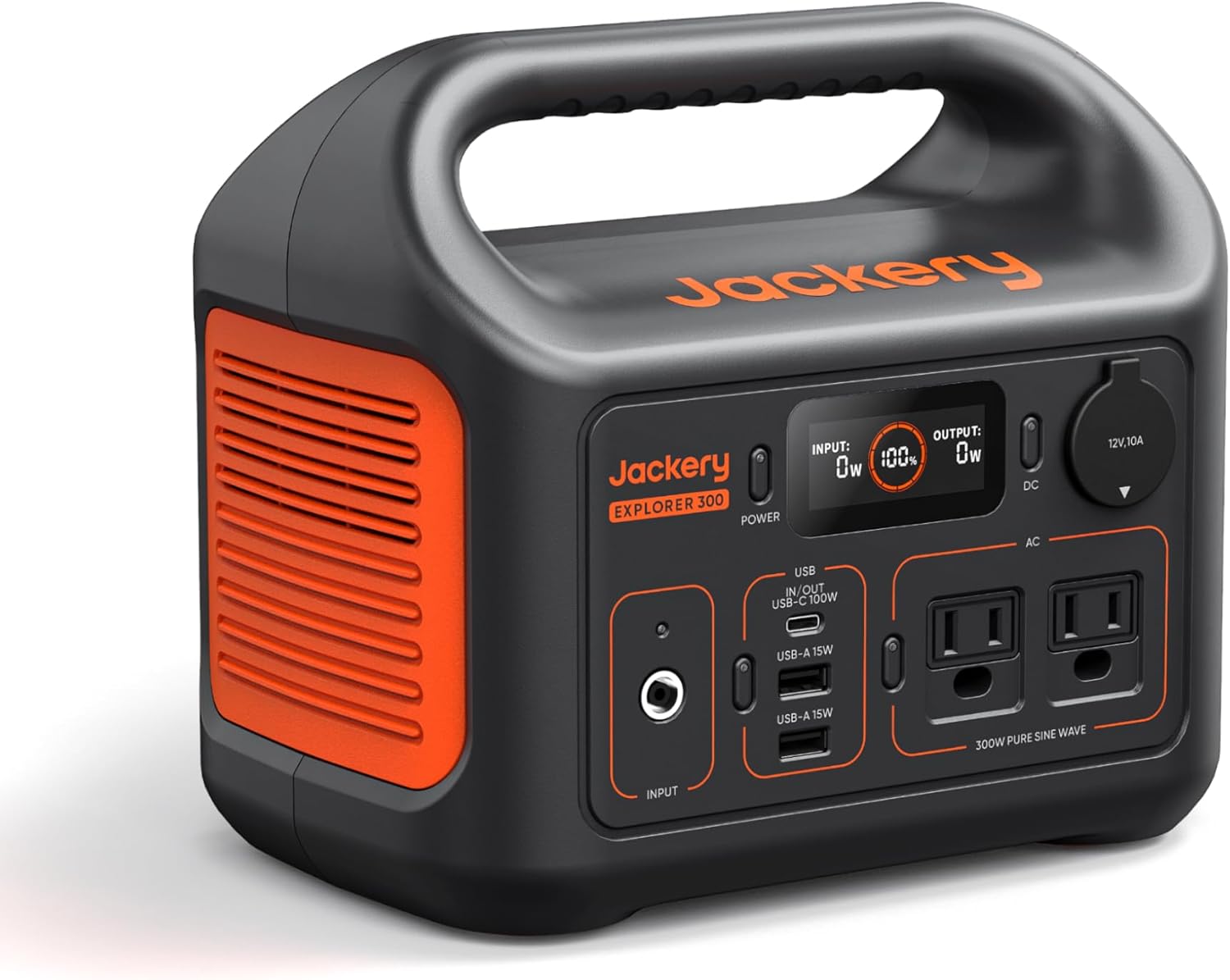
Jackery Portable Power Station Explorer 300
Budget OptionPower on the Go: Weighing only 11 lbs, it's convenient to set up and store with book-sized foldable solar panels

BLUETTI Portable Power Station AC180
Designed for both indoor and outdoor scenarios, AC180 is highly capable as it has a robost capacity and continuous output power.

EF ECOFLOW DELTA Pro Ultra Power Station
Upgraded PickEcoFlow DELTA Pro Ultra is a whole-home energy system designed to grow with your family. Integrated with the Smart Home Panel 2, it scales to meet your evolving energy needs — keeping your home powered, intelligent, and secure through every stage of life.
We earn a commission, at no additional cost to you.
Strategic Assessment Analysis
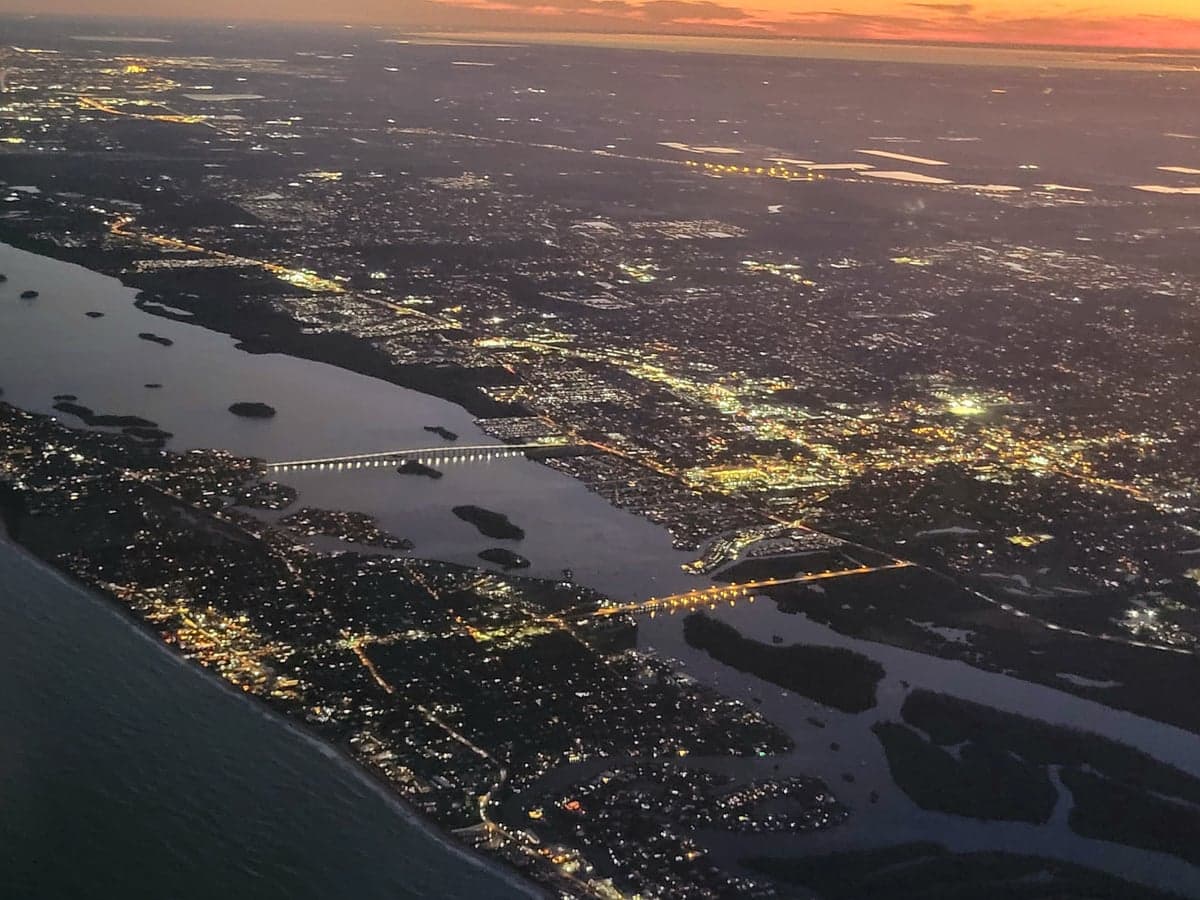
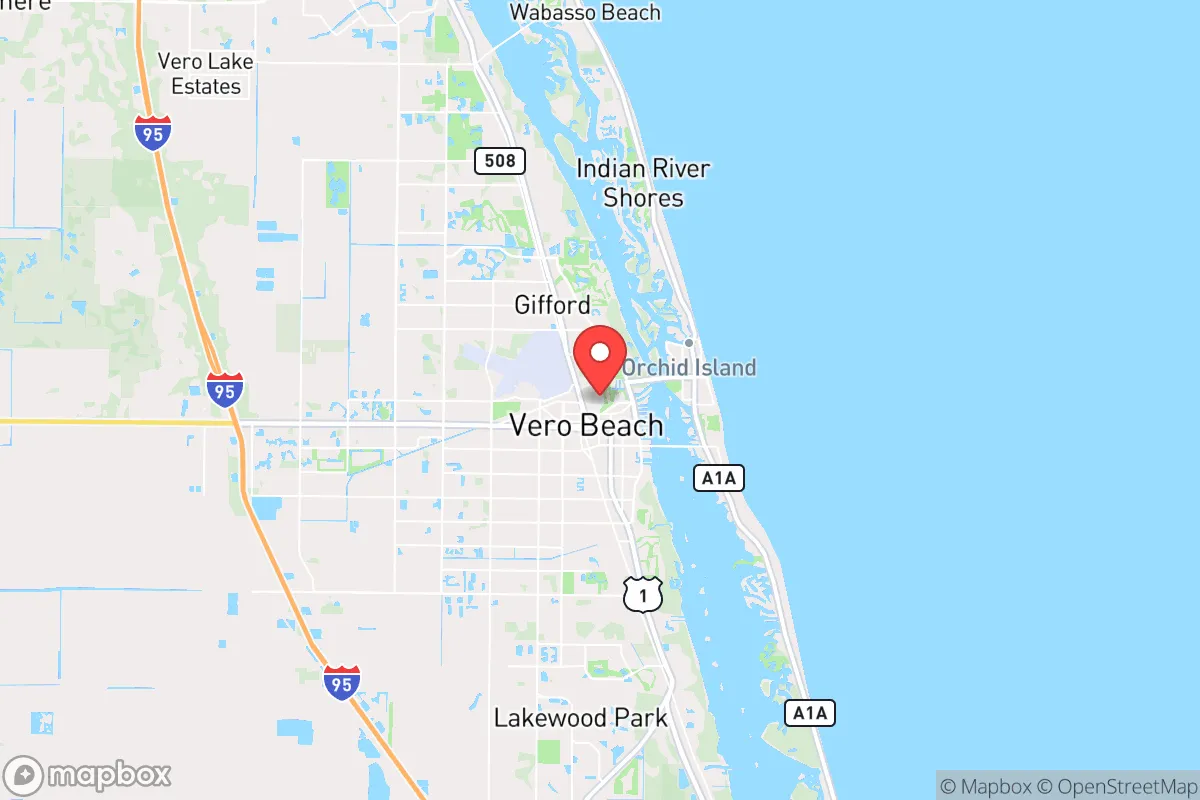
Vero Beach, Florida, occupies a strategic position on the Atlantic coast that offers a mix of natural buffers and logistical advantages for a relocator prioritizing resilience and self-sufficiency. Situated in Indian River County, roughly halfway between Cape Canaveral to the north and West Palm Beach to the south, the area benefits from being outside the immediate blast radius of major metropolitan targets while still retaining access to critical infrastructure. The city’s location on a barrier island, with the Indian River Lagoon separating it from the mainland, provides a natural moat effect that complicates ground approach and offers a degree of tactical defensibility. For a conservative-leaning audience thinking seriously about disaster readiness, Vero Beach presents a compelling case as a low-key, semi-rural coastal community that has not yet been overrun by the development pressures seen further south.
Geographic position and natural advantages for long-term stability
Vero Beach sits on a relatively high coastal ridge compared to much of Florida, with elevations averaging 15–25 feet above sea level in the mainland areas. This is a meaningful advantage over places like Miami or Fort Lauderdale, where storm surge and sea-level rise are existential threats. The Indian River Lagoon, a 156-mile-long estuary, acts as a buffer between the Atlantic Ocean and the mainland, reducing the direct impact of hurricane storm surge on the core residential and agricultural zones. The area is also part of the larger Treasure Coast region, which has historically seen fewer direct hurricane landfalls than areas to the north or south, though no coastal location in Florida is immune. The surrounding Indian River County is sparsely populated by Florida standards—roughly 160,000 residents—meaning less competition for resources during a crisis. The proximity to the St. Johns River and the vast freshwater aquifer system underneath the region provides a reliable water source, a critical factor for any long-term resilience plan. For a relocator, the combination of higher ground, natural water barriers, and lower population density makes Vero Beach a more defensible and sustainable choice than many of Florida’s more famous coastal cities.
Risks, exposures, and proximity to fallout-relevant landmarks
No resilience assessment is honest without addressing the risks. Vero Beach’s primary natural threat is hurricanes, with the area experiencing a major storm roughly once every 7–10 years. The 2004 hurricane season (Frances and Jeanne) caused significant damage, and the 2022 Hurricane Nicole eroded beaches and damaged coastal structures. Flooding is a concern in low-lying areas near the lagoon and along the barrier island, but the mainland’s higher elevation mitigates this. Man-made risks are more nuanced. Vero Beach is roughly 35 miles south of Cape Canaveral Space Force Station and Kennedy Space Center, a high-value target in any conflict scenario. While this proximity is a negative in a full-scale war, it is worth noting that the Cape is a hardened military installation with its own defensive capabilities, and the fallout pattern from a strike would likely drift east over the Atlantic, not west over Vero Beach. The city is also about 90 miles from the Palm Beach County area, which includes the Mar-a-Lago compound and other high-profile political targets. However, Vero Beach itself is not a primary target. The area has no major military bases, no nuclear power plants (the closest is St. Lucie, 30 miles south), and no major industrial chemical facilities. The biggest practical risk for a relocator is the vulnerability of the two bridges connecting the barrier island to the mainland—if those are compromised, evacuation or resupply becomes difficult. For a family thinking about self-sufficiency, the takeaway is that Vero Beach is low on the target list but not completely isolated from the consequences of a major event.
Practical resilience for a relocator: food, water, energy, and defensibility
For a relocator serious about self-sufficiency, Vero Beach offers several concrete advantages. Food security is strong: Indian River County is part of Florida’s agricultural heartland, with citrus groves, cattle ranches, and vegetable farms within a 20-minute drive of the city. The area also has active farmers’ markets and a strong network of local food producers, including the Indian River Citrus Museum area and the Vero Beach Farmers Market. For a family wanting to grow their own food, the sandy, well-drained soil and long growing season (February through November) make vegetable gardening viable year-round. Water access is excellent: the Floridan Aquifer lies beneath the region, and many homes in the outlying areas have private wells. The Indian River Lagoon and Atlantic Ocean provide saltwater fishing, while the St. Johns River to the west offers freshwater options. Energy resilience is a mixed picture: Florida Power & Light serves the area, and the grid is vulnerable to hurricane outages. However, solar adoption is growing, and the region’s high sun exposure makes rooftop solar with battery storage a practical investment. Natural gas is available in many neighborhoods, which can power generators indefinitely. Defensibility is where Vero Beach shines relative to other Florida options. The barrier island layout means that the mainland is accessible only via a few bridges and roads, creating natural chokepoints. The surrounding rural areas offer numerous properties with acreage, privacy, and standoff distance from neighbors. The local culture is heavily oriented toward outdoor skills—hunting, fishing, boating—which aligns with a self-sufficient mindset. The Indian River County Sheriff’s Office is well-funded and has a strong relationship with the community, which is a positive for security in a crisis. The main downside is that the area is not remote: it is a 90-minute drive to Orlando and 2 hours to Miami, meaning that in a widespread disaster, you would see refugees and resource competition from those urban centers.
The overall strategic picture for Vero Beach is that of a solid, middle-tier resilience location with specific strengths in food and water security, natural defensibility, and a low target profile. It is not a bug-out bunker in the mountains, but it is a practical, livable community where a family can build a self-sufficient lifestyle without being completely isolated from modern conveniences. The key trade-off is between the benefits of coastal living (fishing, climate, agriculture) and the risks of hurricane exposure and proximity to Florida’s population centers. For a conservative-leaning relocator who wants a place that is safe enough for daily life, resilient enough for moderate disruptions, and strategically positioned to avoid the worst of a major event, Vero Beach deserves serious consideration. The smart move is to buy on the mainland, above the flood zone, with a well and solar panels, and to treat the barrier island as a recreational asset rather than a primary residence. That approach gives you the best of both worlds: access to the ocean and lagoon for food and recreation, with the security of higher ground and a defensible position inland.

* Values derived from national, state, county, city and local statistics and may differ in a specific area. Last updated: 2026-11-08T00:56:23.000Z
Narrative content on this page is AI-generated and may contain mistakes. Verify any details that matter before acting on them.
ReloMaps may earn a commission from affiliate links at no extra cost to you.

