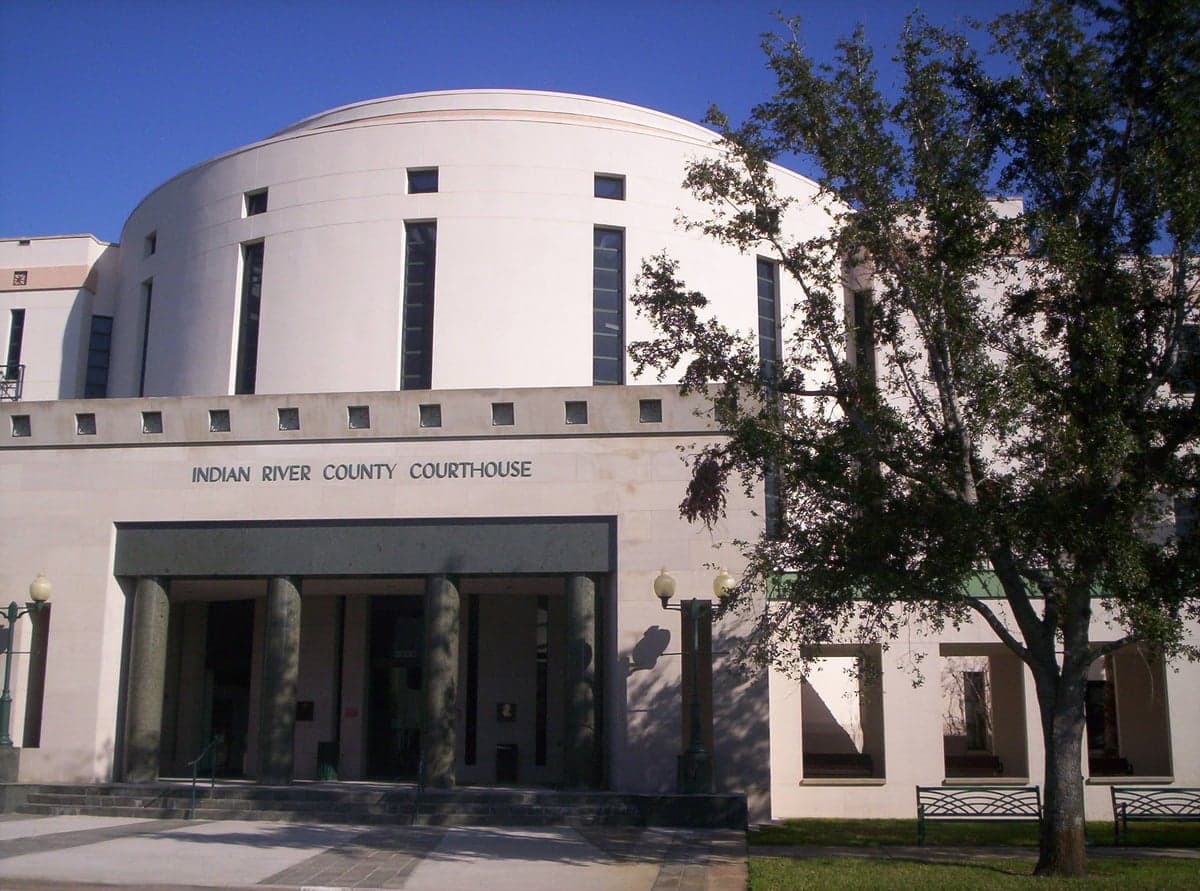
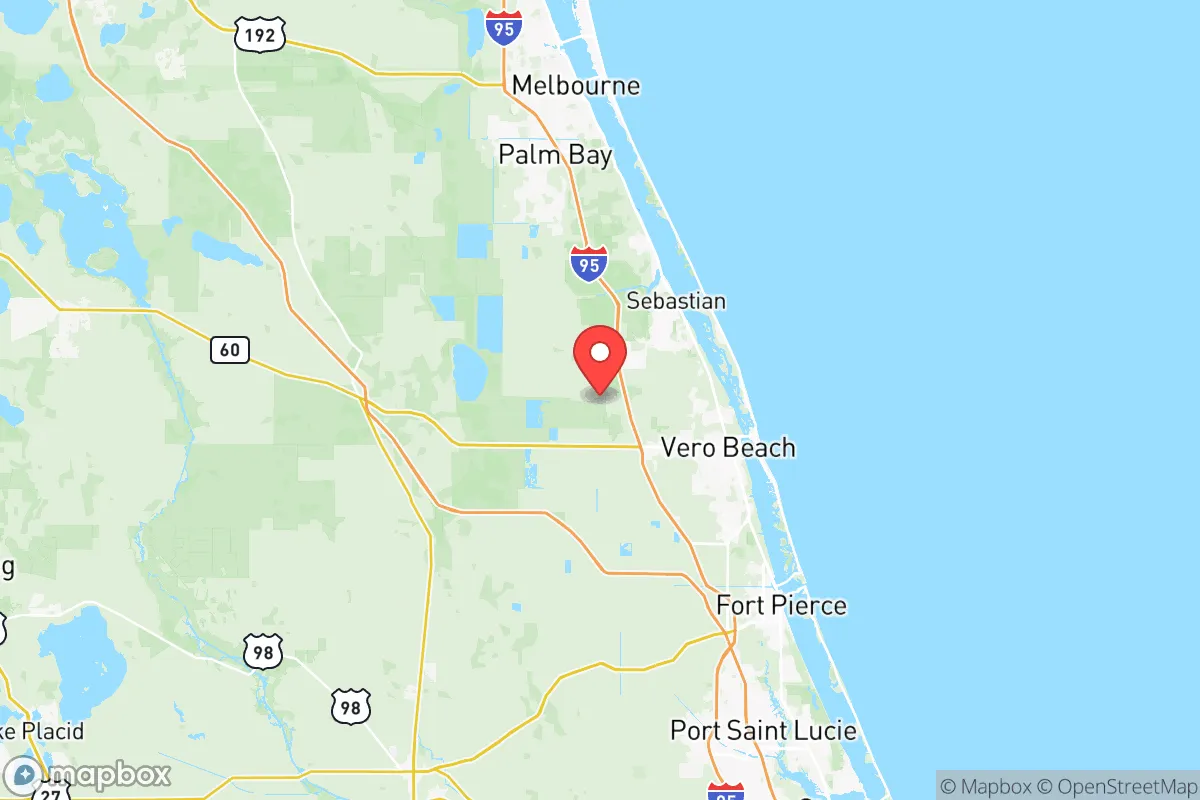
Photo: Wikipedia
Find The Best Places To Live in Indian River County
PRO TIP! You can paste a Zillow or Redfin link to get info on that property.
Best Places to Live in Indian River County
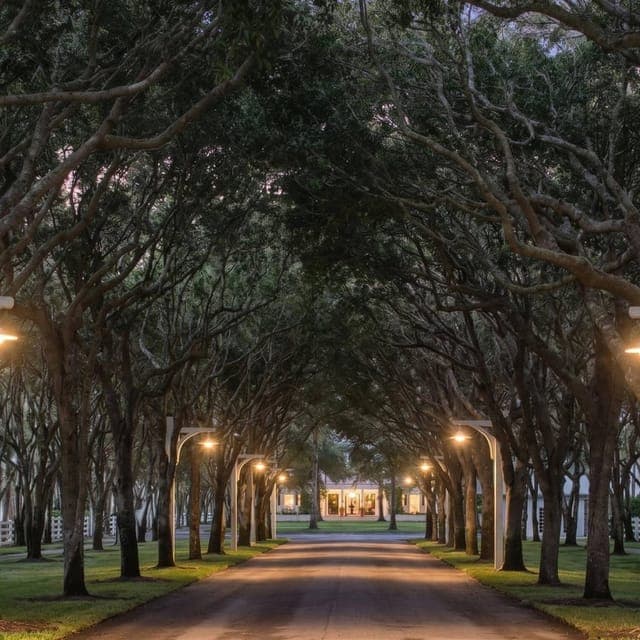
Cities & Towns in Indian River County
Cities in Indian River County
What It's Like Living in Indian River County, FL
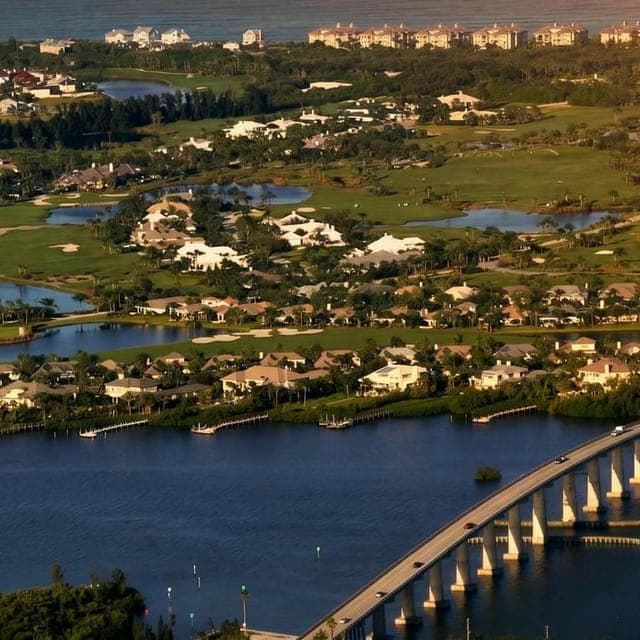
Indian River County feels like a slice of Old Florida that somehow survived the rush, where the Atlantic breeze carries the smell of salt marsh and citrus groves rather than construction dust. It’s a place where retirees in Vero Beach sip coffee beside young families from Sebastian, and where the biggest debate on a Tuesday night might be whether the high school football team can pull off a win. Life here moves at a deliberate, sun-soaked pace—not sleepy, but certainly not frantic.
The Daily Rhythm: From Sebastian to Fellsmere
Most mornings in Indian River County start early, often with a walk on the beach or a bike ride along the Jungle Trail in Vero Beach. The commute is a genuine perk: the average drive clocks in at just under 24 minutes, which means you can live in a quiet neighborhood in Sebastian and still get to work in Vero Beach without losing your morning. People shop at the local Publix or the seasonal farmers’ markets, and weekends often revolve around the water—kayaking the Sebastian Inlet, fishing off the Wabasso Causeway, or just floating in the Indian River Lagoon. For a change of pace, Fellsmere offers a taste of rural life with its annual Frog Leg Festival, a quirky tradition that draws families from across the county. The median age here is 55, so you’ll see plenty of empty-nesters enjoying their second act, but the 33.4% of residents with college degrees also include a growing number of remote workers and young families drawn by the lower cost of living compared to Miami or Orlando.
Sports, Community, and the Friday Night Lights
High school sports are a genuine cultural anchor. On a Friday night in the fall, the stands at Vero Beach High School’s Citrus Bowl are packed for Fighting Indians football—it’s the kind of community event where grandparents, parents, and kids all show up. The team has a storied history, and the energy is palpable. For baseball fans, the Los Angeles Dodgers hold spring training at Holman Stadium in Vero Beach, a tradition that brings a touch of big-league glamour to the county. Beyond the fields, the community rallies around events like the Vero Beach Art Show and the Under the Oaks art festival, which turn the town into an open-air gallery. If you’re the type who likes to know your neighbors by name and cheer for the same quarterback every week, this is your place.
What’s There to Do: Beaches, Breweries, and Backroads
Outdoor life is the main event. The county’s 26 miles of coastline include the uncrowded beaches of Wabasso and the family-friendly shores of Vero Beach. The Pelican Island National Wildlife Refuge, America’s first, is a short drive from Sebastian and offers hiking trails and birdwatching that feel a world away from suburban sprawl. For nightlife, the scene is low-key but genuine: places like the Walking Tree Brewery in Vero Beach or the Tiki Bar & Grill in Sebastian serve craft beer and live music without pretension. The cost of living index sits at 111, slightly above the national average, but the median home value of $314,700 is still attainable for many families, especially compared to coastal Florida hotspots. The trade-off is that you won’t find a 24-hour nightclub scene—what you get instead is a quiet evening on a dock with a cold drink and good company.
Pros and Cons of Living Here
- What residents love: The genuine sense of safety—the violent crime rate of 207 per 100,000 is well below the national average. The lack of traffic jams, the easy access to the beach, and the fact that you can still buy a house with a yard for under $400,000 in places like Fellsmere or Gifford. The schools are a community hub, and the seasonal rhythms—manatee season, sea turtle nesting, citrus harvest—give the year a natural structure.
- What frustrates them: The median income of $71,049 doesn’t always stretch as far as it should, especially with rising insurance costs and a limited job market outside of healthcare, education, and tourism. The county leans conservative, which suits many residents, but can feel insular for those seeking more diversity of thought or culture. Summer humidity is relentless, and the “snowbird” season from January to March can double restaurant wait times. Locals also grumble about the lack of a major airport—you’re driving an hour to Melbourne or Palm Beach for a direct flight.
Indian River County isn’t for everyone. It’s for the person who values a quiet morning on the water over a packed concert calendar, who wants their kids to grow up knowing their neighbors, and who doesn’t mind driving 20 minutes to the nearest Target. It’s a place where the biggest cultural event might be a frog leg festival or a high school football game, and that’s exactly the point.

* Values derived from national, state, county, city and local statistics and may differ in a specific area. Last updated: 2026-06-23T17:48:37.000Z
Narrative content on this page is AI-generated and may contain mistakes. Verify any details that matter before acting on them.
ReloMaps may earn a commission from affiliate links at no extra cost to you.

