Photo: Wikipedia
Find The Best Places To Live in Iron County
PRO TIP! You can paste a Zillow or Redfin link to get info on that property.
Best Places to Live in Iron County

Cities & Towns in Iron County
Cities in Iron County
What It's Like Living in Iron County, UT
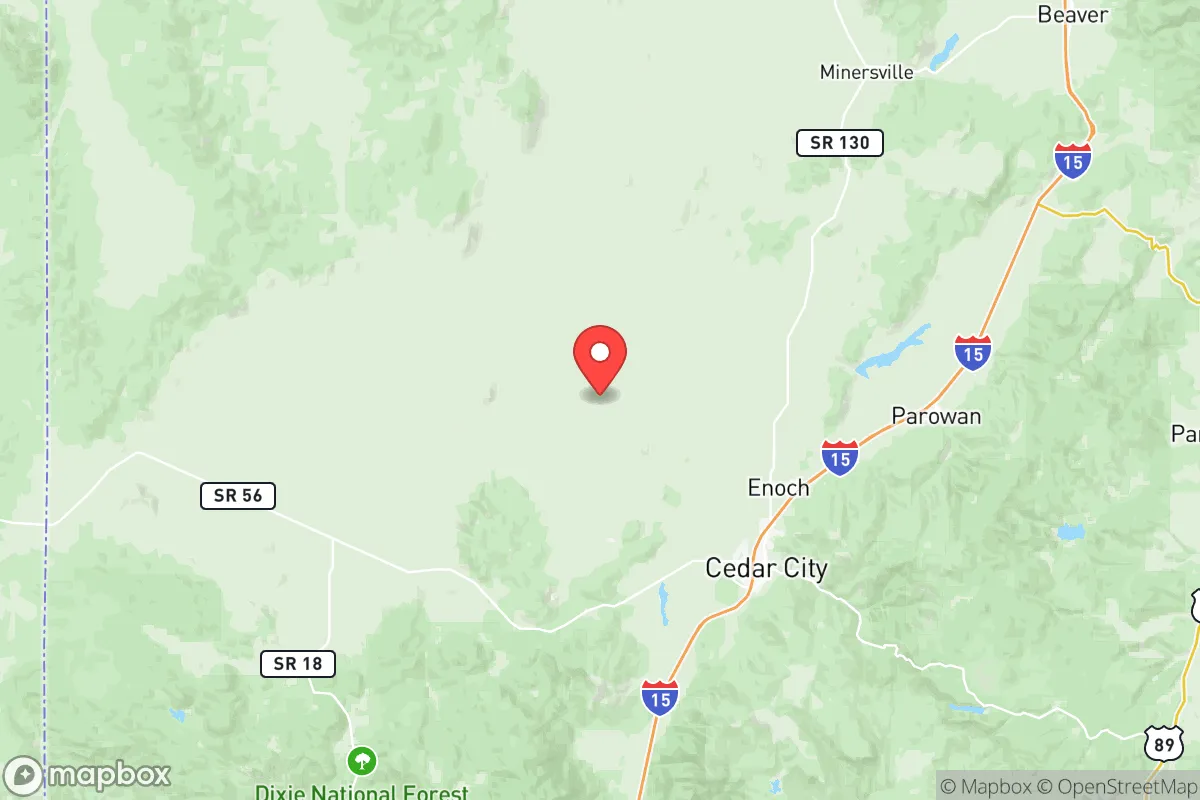
Living in Iron County, Utah, feels a bit like being in on a secret that’s slowly getting out. You get the dramatic red rock scenery and outdoor access of its more famous neighbor to the south, but with a down-to-earth, working-ranch vibe and a cost of living that doesn’t require a tech salary. The county is anchored by Cedar City, but it also includes smaller towns like Parowan, Enoch, and the more remote communities of Brian Head and Newcastle, each offering a slightly different flavor of the same high-desert life.
The Daily Rhythm: From Cedar City to the Backcountry
For most people, daily life revolves around Cedar City, the county seat and economic hub. The average commute here is a remarkably short 17 minutes, which means you can live on a few acres in Enoch or Newcastle and still get to work or the grocery store without it eating into your evening. The median age is just 29.9, giving the area a youthful energy largely driven by Southern Utah University (SUU). This college presence shapes the town’s rhythm—coffee shops on Center Street are busy with students, and the university’s events, from theater productions to basketball games, are a major part of the social calendar. Families appreciate that the schools, particularly in Cedar City and Enoch, are central to community life, with Friday-night football games at Cedar High being a genuine social gathering, not just a drop-off event.
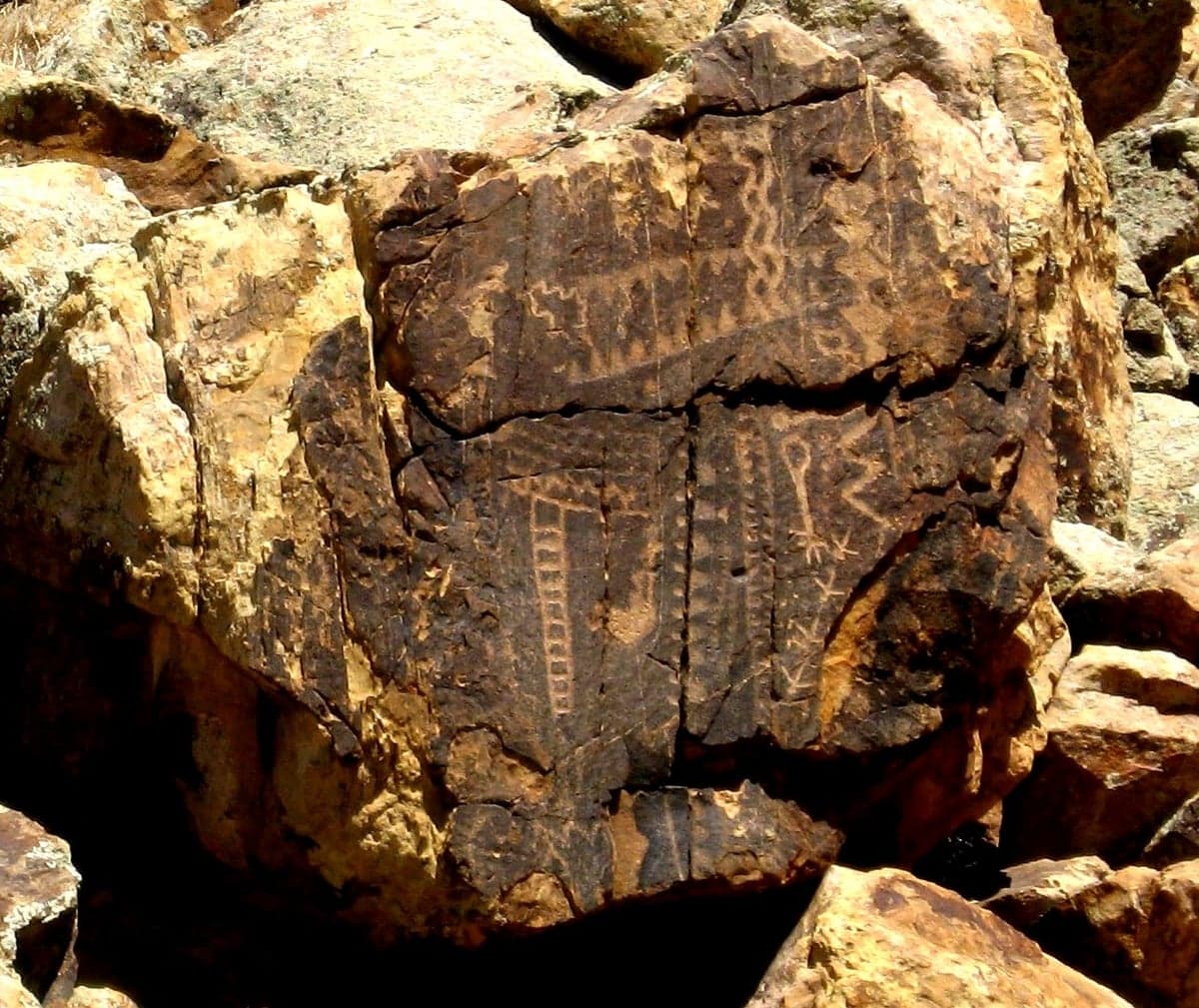
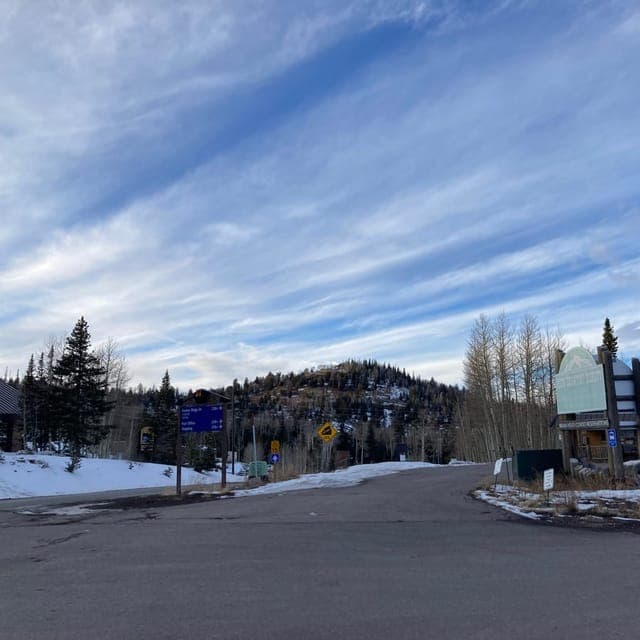
Weekends are where the county’s geography really shines. People don’t just talk about the outdoors; they plan their weeks around them. A typical Saturday might involve a morning hike in the nearby Red Hills Desert Garden or a drive up to Brian Head for mountain biking in the summer. In the winter, Brian Head Resort offers skiing and snowboarding that’s far less crowded than the Wasatch Front resorts. For a quieter day, locals might head to the Parowan Gap to see ancient petroglyphs or explore the trails around the Kolob Canyons section of Zion National Park, which is just a short drive south. The median home value sits at $342,900, which is a significant draw for people priced out of St. George or Salt Lake City, though it’s worth noting that the cost of living index is 101, right at the national average, meaning groceries and utilities aren’t a bargain even if housing is.
Sports, Festivals, and the Local Hangouts
Sports culture here is a mix of college pride and high school loyalty. SUU Thunderbirds football and basketball games are the biggest game in town, drawing a solid crowd of students and locals alike. During the fall, you’ll see as many SUU flags as you will Utah or BYU flags. High school sports are also a big deal, especially in Cedar City and Parowan, where the community packs the bleachers. For entertainment beyond sports, the Utah Shakespeare Festival in Cedar City is a genuine cultural anchor, running from summer into fall and drawing visitors from across the country. It’s not just for tourists—many locals hold season passes and treat it as a regular night out.
When it comes to food and drink, the scene is smaller than a big city but has its standbys. Locals gravitate to places like the Pastry Pub for breakfast and coffee, or Centro Woodfire Pizzeria for a nicer dinner. For a bar scene, the Grind Coffee House and the local breweries offer a relaxed spot to catch up. The town of Parowan has a more laid-back, rural feel, with its own small diners and a strong sense of independence. A notable cultural quirk is the county’s deep-rooted pioneer heritage, which shows up in events like the Parowan Heritage Days, a celebration that feels more like a family reunion than a festival.
Pros and Cons of Living in Iron County
Longtime residents will tell you the biggest upside is the access to nature without the crowds. You can be on a trail in minutes, and the air is dry and clean. The community is generally safe, though the violent crime rate of 221.5 per 100,000 is slightly above the national average, and property crime can be an issue in more transient neighborhoods near the university. The median household income of $65,527 is below the national median, which means many residents work in education, healthcare, or local government, and the job market can feel limited for specialized careers. The weather is a true four-season experience: summers are hot and dry, winters bring snow that can linger in Cedar City for weeks, and spring and fall are spectacular. The biggest frustration for locals is the lack of shopping and dining variety—you’ll drive to St. George (about 50 minutes) for a Costco run or a wider selection of restaurants. But for the person who values space, quiet, and a community where people know your name, Iron County offers a lifestyle that’s hard to replicate elsewhere.

* Values derived from national, state, county, city and local statistics and may differ in a specific area. Last updated: 2026-07-24T22:25:59.000Z
Narrative content on this page is AI-generated and may contain mistakes. Verify any details that matter before acting on them.
ReloMaps may earn a commission from affiliate links at no extra cost to you.

