Photo: Wikipedia
Find The Best Places To Live
in Brian Head
PRO TIP! You can paste a Zillow or Redfin link to get info on that property.
What It's Like Living in Brian Head, UT
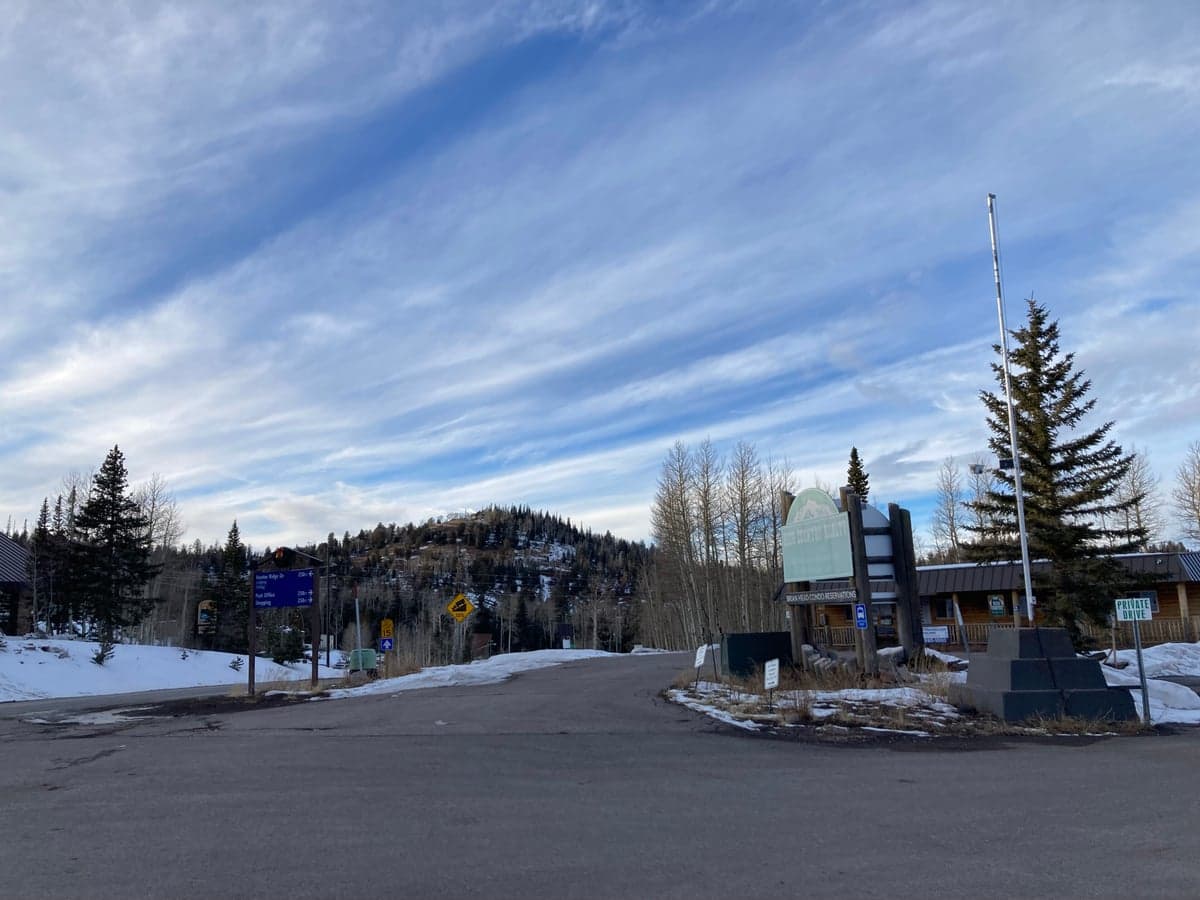
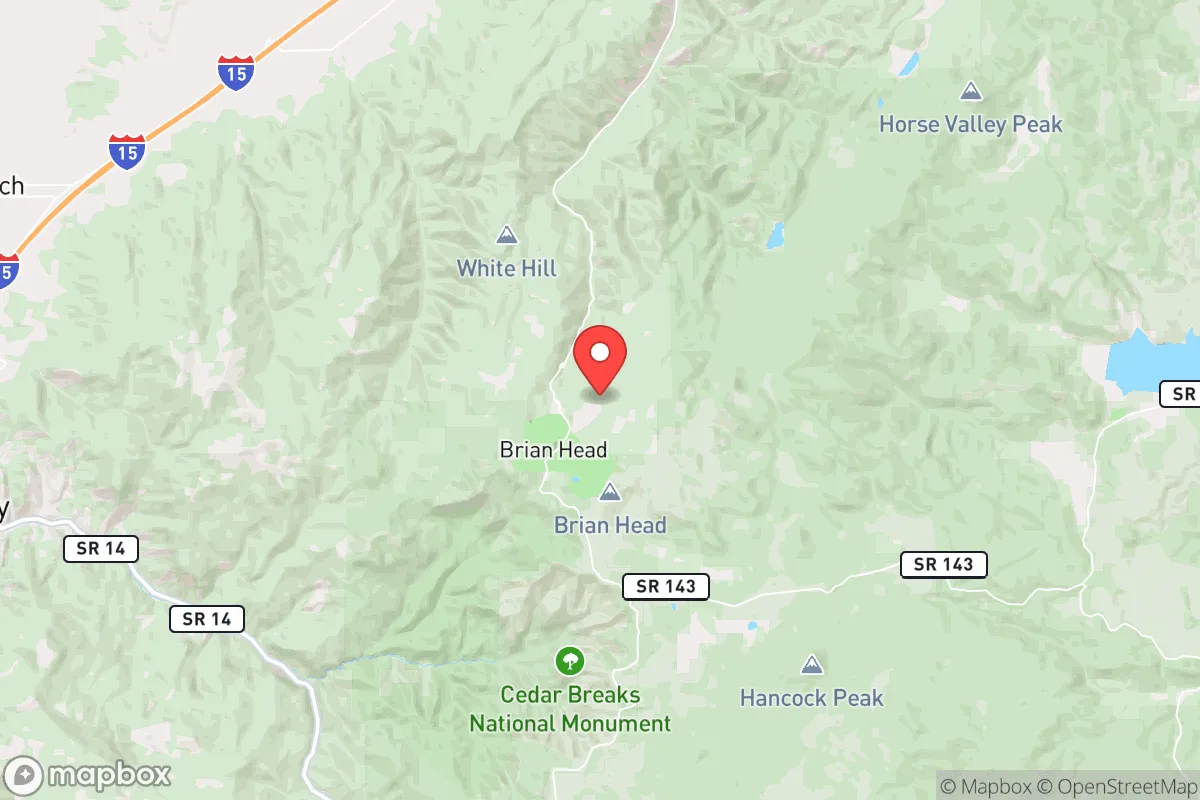
Brian Head, Utah, is a place that redefines the word "small." With a year-round population of just 49 people, it’s less a town and more a high-altitude outpost perched at 9,800 feet, where the air is thin and the pace of life is dictated entirely by the snow. For the handful of people who live here full-time, Brian Head isn’t a suburb or a bedroom community—it’s a deliberate choice to trade convenience for solitude, and the nearest grocery store is a 30-minute drive down the mountain to Parowan.
The Daily Rhythm: Life at 9,800 Feet
Daily life in Brian Head revolves around the mountain. In winter, residents wake up to a world buried under an average of 360 inches of snow, and the first order of business is often shoveling out a car or a driveway. The town’s two ski areas—Brian Head Resort and the smaller, family-friendly Giant Steps—are the economic and social heart of the community. During ski season, the population swells with seasonal workers and second-home owners, but the core group of year-round locals knows each other by first name. Summer brings a different rhythm: hiking, mountain biking, and fishing in the nearby Cedar Breaks National Monument. The average commute is just under 22 minutes, but that’s largely because most residents drive down to Parowan or Cedar City for work, groceries, or medical appointments. There’s no hospital, no high school, and no gas station open past 9 PM.
The kind of person who fits in here is someone who values quiet over convenience. The median age is 44.3, and the median income is $64,643—modest by Utah standards, but enough to afford a median home value of $309,100, which is notably lower than the state average. The cost of living index sits at 116, slightly above the national average, driven mostly by the expense of heating a home at altitude and the premium on limited housing stock. Most residents are college-educated (84.6%), and many work remotely in tech or creative fields, or they’ve retired early. Families with school-age children are rare—there’s no school in town, so kids are bused down to Parowan Elementary or Cedar High School, which means the school system doesn’t anchor the community the way it does in most Utah towns.
What’s There to Do: Skiing, Silence, and the Occasional Festival
Outdoor activities are the only game in town, and that’s exactly how residents like it. Brian Head Resort offers 650 skiable acres with a vertical drop of 1,320 feet—modest by Utah standards, but uncrowded and family-friendly. In summer, the resort runs a mountain bike park and a scenic chairlift. The real draw, though, is the backcountry. The nearby Dixie National Forest and Cedar Breaks National Monument offer miles of trails that see a fraction of the traffic of Zion or Bryce Canyon. For a town of 49 people, the social calendar is surprisingly full: the Brian Head Celtic Festival in July draws bagpipers and dancers from across the West, and the Brian Head Arts & Crafts Festival in August brings a few hundred visitors to the main drag. There’s no music venue to speak of—the closest live music is in Cedar City, 30 minutes down the mountain—but the Brian Head Lodge has a bar that serves as the de facto town hall, where locals gather for trivia nights and après-ski beers.
Sports culture is minimal. There are no high school teams in Brian Head, and the nearest college sports are at Southern Utah University in Cedar City, where the Thunderbirds play Division I basketball and football. Most residents don’t follow pro sports closely—the nearest major team is the Utah Jazz, a four-hour drive away. Instead, the community rallies around the Brian Head Ski Patrol and the volunteer fire department, which are the closest things to local heroes.
Pros and Cons of Living in a Town of 49
The upsides are straightforward: violent crime is zero—literally, the rate is 0 per 100,000 people—and the sense of safety is absolute. Kids can roam freely, doors stay unlocked, and the biggest neighborhood dispute is usually about snow removal. The quiet is profound; on a summer night, you can hear the wind moving through the pines from a mile away. For outdoor enthusiasts, it’s a paradise of uncrowded trails and powder days that never see a lift line.
The downsides are equally real. The isolation wears on some people. The nearest Walmart is 45 minutes away in Cedar City, and the nearest airport (St. George) is two hours. Winter can feel claustrophobic—roads close frequently, and power outages are common during heavy snow. The median age of 44.3 reflects a community that skews older and more settled; young singles or families with teenagers might find the social scene too thin. There’s no restaurant scene to speak of—the handful of eateries in town, like the Last Chair Grill and Pizano’s Pizza, are reliable but limited. For a night out, you’re driving down the mountain.
Perhaps the most notable quirk of Brian Head is its relationship with the rest of Utah. Politically, the town leans conservative, like most of rural Utah, but the lifestyle here is less about politics and more about self-reliance. Residents are used to being forgotten by state planners and delivery services alike. Amazon Prime takes an extra day. The mail comes late. And that’s exactly how most people here want it.

Similar small towns to Brian Head

* Values derived from national, state, county, city and local statistics and may differ in a specific area. Last updated: 2026-07-23T02:22:37.000Z
Narrative content on this page is AI-generated and may contain mistakes. Verify any details that matter before acting on them.
ReloMaps may earn a commission from affiliate links at no extra cost to you.

