 Popular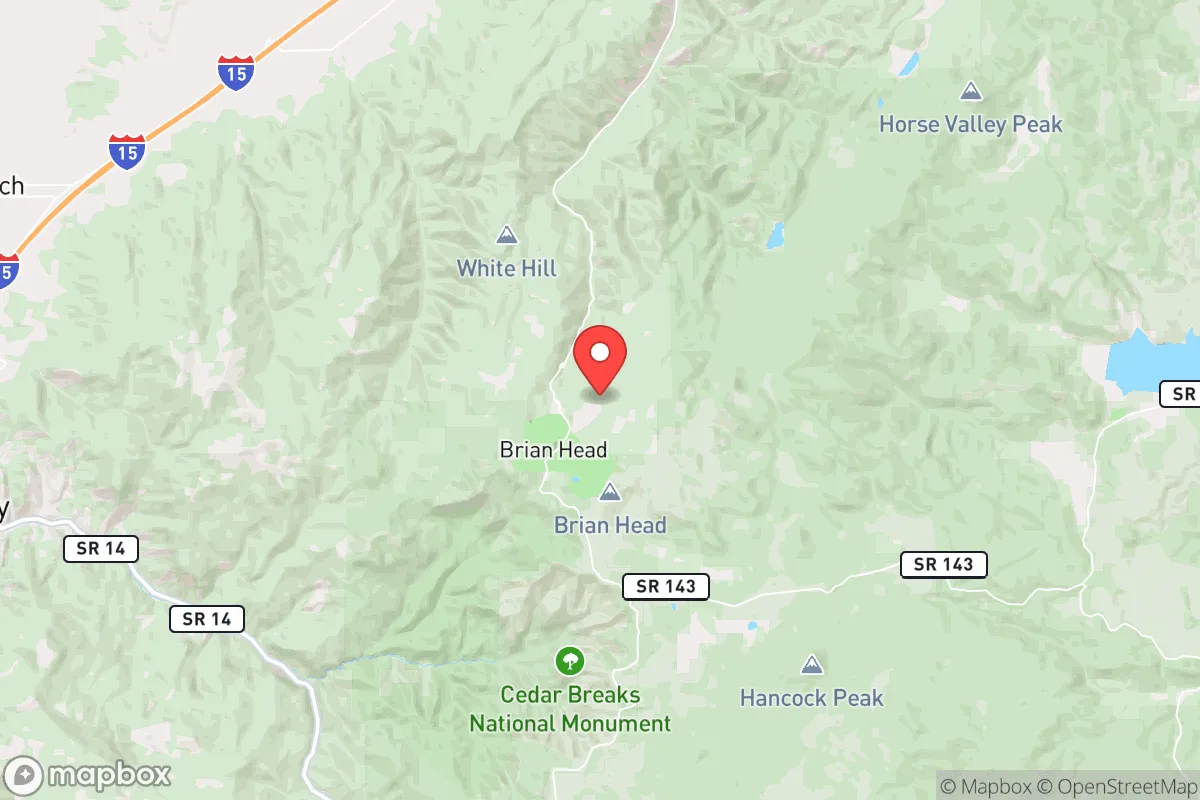
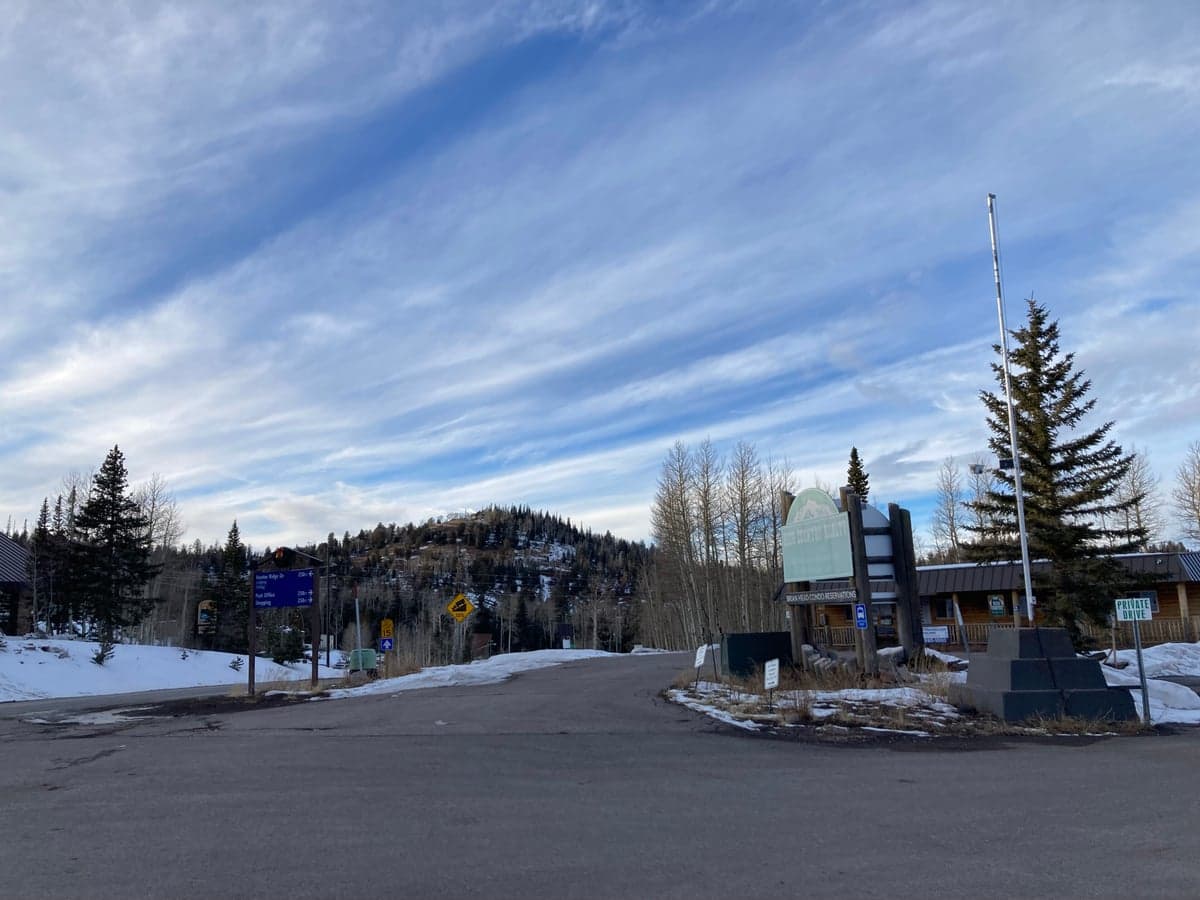
Photo: Wikipedia
Demographics of Brian Head, UT
Affluence Level in Brian Head, UT
A middle-class area roughly in line with national averages across income, home values, education, and employment.
People of Brian Head, UT
Brian Head, Utah, is a tiny, high-altitude resort town of just 49 year-round residents, making it one of the smallest incorporated places in the state. The population is overwhelmingly White (91.8%) with a small Hispanic minority (8.2%), and the foreign-born share is 0.0%. With 84.6% of adults holding a college degree, the community is exceptionally educated, reflecting a population that chose this remote location for its lifestyle and recreational opportunities rather than traditional economic drivers. The town's character is defined by its seasonal rhythm—a quiet, tight-knit permanent core that swells dramatically with second-home owners and tourists during ski and summer seasons.
How the city was settled and grew
Unlike many Utah towns founded by Mormon pioneers in the 19th century, Brian Head has no agricultural or religious settlement origin. The area was historically used by Southern Paiute and Ute tribes for seasonal hunting, but no permanent Native American settlement existed at this elevation (9,800 feet). The town's modern history begins in the 1960s when developers recognized the potential of the Markagunt Plateau for alpine skiing. The first wave of settlers were ski enthusiasts and entrepreneurs who built the Brian Head Ski Resort, which opened in 1965. These early residents clustered in the Brian Head Village core, near the base of the lifts, in small cabins and lodges. The Giant Steps neighborhood, named after the resort's original chairlift, became the first concentrated residential area, with modest A-frames and condos built for ski-in/ski-out access. The town was formally incorporated in 1975, driven by the need for municipal services as the resort grew. The original population was almost entirely White, drawn from Utah's Wasatch Front and neighboring states, with a handful of seasonal workers from the Hispanic community arriving to staff the resort's hospitality operations.
Modern era (post-1965)
Brian Head's population has remained remarkably stable and homogeneous since its founding. The post-1965 immigration reforms that reshaped many American cities had virtually no impact here—the town's remote location, high housing costs, and lack of year-round employment made it unattractive to immigrant populations. The 0.0% foreign-born figure is consistent with its entire history. The Hispanic share of 8.2% is almost entirely attributable to seasonal service workers, many of whom commute from larger towns like Parowan or Cedar City rather than residing in Brian Head year-round. The Navajo Loop and Ponderosa neighborhoods, developed in the 1980s and 1990s, attracted second-home buyers from Salt Lake City, Las Vegas, and California—professionals seeking a weekend retreat. These areas feature larger custom homes and condominium complexes, contrasting with the older, more rustic Village core. The Wildflower subdivision, built in the 2000s, represents the most recent wave of development, with higher-end homes catering to an affluent, predominantly White demographic. The town's racial composition has not shifted meaningfully since 2000, as the high cost of entry and limited rental inventory effectively screen for wealthier, mostly White buyers.
The future
Brian Head's population is unlikely to grow significantly or diversify in the next 10–20 years. The town's zoning is heavily oriented toward vacation rentals and second homes, with few parcels available for affordable year-round housing. The 2022 Brian Head Fire, which destroyed 13 homes and burned over 1,000 acres, temporarily slowed development but did not alter the demographic trajectory. The Brian Head Village core is seeing some reinvestment, with older lodges being converted into upscale condos, further raising entry costs. The Hispanic share may increase slightly as resort service needs grow, but these workers will likely continue to commute from lower-cost areas. The college-educated share (84.6%) is already near the ceiling for a resort community and will remain high. The town's cultural identity—a quiet, outdoors-oriented enclave for affluent skiers and mountain bikers—is stable. For a new resident, Brian Head offers a homogeneous, highly educated, and politically conservative community (Iron County voted +57 R in 2024) where social connections revolve around outdoor recreation and resort life. It is not a place of demographic change but of demographic consistency.
Brian Head is becoming a more exclusive, amenity-driven resort community rather than a diverse or growing year-round town. For someone moving in now, the appeal is the lifestyle and the scenery, not the diversity or economic opportunity. The population will remain small, White, and highly educated, with the seasonal rhythm of a ski town that empties out when the lifts close.

* Values derived from national, state, county, city and local statistics and may differ in a specific area. Last updated: 2026-07-23T02:22:37.000Z
Narrative content on this page is AI-generated and may contain mistakes. Verify any details that matter before acting on them.
ReloMaps may earn a commission from affiliate links at no extra cost to you.

