 Popular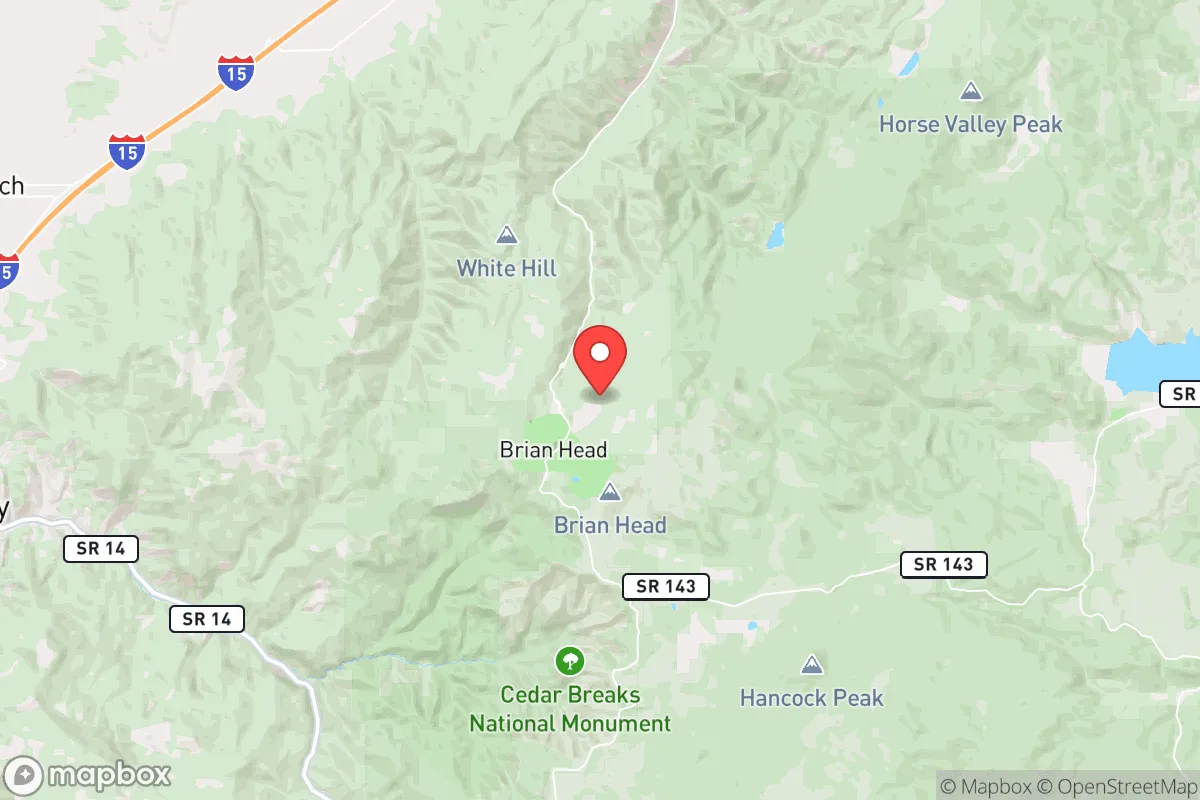
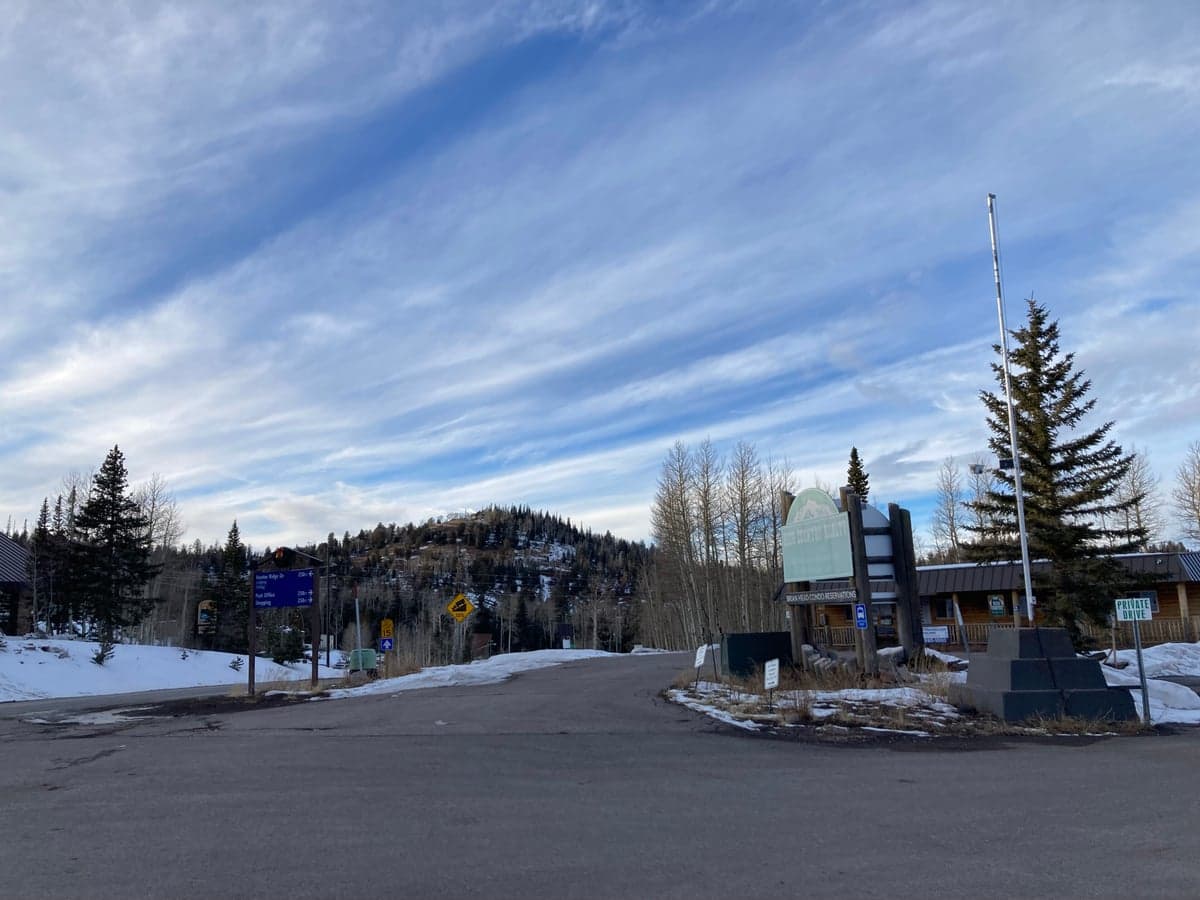
Photo: Wikipedia
Political ClimatePolitical Climate in Brian Head, UT
District shown is the primary district for this city’s centroid. Cities may span multiple districts.
Local Political AnalysisPolitical Analysis of Brian Head, UT
Brian Head, Utah, leans solidly Republican, with a Cook PVI of R+10 that closely mirrors the state’s R+11 rating. This small mountain town, perched at 9,800 feet in Iron County, has historically voted red, but its political trajectory is subtly shifting as second-home owners and remote workers from more liberal areas—like Salt Lake City or even out-of-state—buy property here. The local electorate remains conservative, but the influx of newcomers is slowly diversifying the political conversation, especially around land use and tourism development.
How it compares
Brian Head’s R+10 is nearly identical to Utah’s statewide R+11, meaning the town is a microcosm of the state’s broader conservative lean. However, the comparison gets interesting when you look at nearby cities. Cedar City, about 30 miles south, is a Republican stronghold (R+14) with a more traditional, family-oriented voting base. In contrast, Park City, 250 miles north, leans Democratic (D+7), driven by its ski-resort economy and wealthier, out-of-state transplants. Brian Head sits somewhere in between: it’s a resort town like Park City, but its smaller population (fewer than 100 year-round residents) and rural Iron County roots keep it firmly right of center. The real contrast is with Salt Lake City proper (D+18), where urban issues like housing density and transit dominate—topics that rarely surface in Brian Head’s town council meetings.
What this means for residents
For conservative residents, Brian Head’s political climate means low taxes, minimal regulation on property use, and a local government that prioritizes tourism and outdoor recreation over social programs. Gun rights are broadly supported, and the town’s small size means you’ll likely know your council members personally. For liberal residents, the reality is more nuanced. You won’t find a local Democratic club or progressive advocacy group, but you also won’t face overt hostility—most folks here are live-and-let-live, especially if you’re a neighbor who helps shovel snow. The main friction points are around development: new condo projects or short-term rental caps can spark heated debates, with conservatives favoring growth and liberals pushing for environmental safeguards. That said, the town’s tiny population means these disputes rarely escalate beyond a few tense council meetings.
In practice, Brian Head’s political lean shapes daily life in subtle ways. State-level policies from Salt Lake City—like the 2024 ban on transgender athletes in school sports or the near-total abortion ban—are widely supported here, but they don’t dominate local chatter. What matters more is the town’s budget for snow removal, the condition of the Brian Head Resort, and whether the county will approve a new water tank. The political reality is that both conservatives and liberals can find common ground on practical issues: keeping the roads plowed, maintaining the ski slopes, and preserving the quiet, small-town feel that drew everyone here in the first place. As more out-of-state buyers arrive, expect the political temperature to rise slightly, but Brian Head will likely remain a reliably red dot in a red state for the foreseeable future.

State Political ClimatePolitical Climate in Utah
State Political AnalysisPolitical Environment in the State
Utah is one of the most reliably Republican states in the country, with a Cook Partisan Voting Index of R+11, meaning it votes about 11 points more Republican than the national average. The dominant coalition is a blend of The Church of Jesus Christ of Latter-day Saints (LDS) members, who make up roughly 55% of the population, and a growing influx of conservative-leaning transplants from California and the West Coast. Over the last 20 years, the state has shifted from a near-monolithic GOP stronghold to a place where a pragmatic, business-friendly conservatism holds sway, though a small but vocal progressive movement is gaining ground in the urban core. The long-term trajectory is a slow, steady move toward the center, driven by demographic change and the maturation of the tech economy, but the state remains deeply red in statewide elections.
Urban vs. rural divide
The political map of Utah is a classic story of a few blue islands in a vast red sea. The Wasatch Front, stretching from Ogden through Salt Lake City and down to Provo, contains over 80% of the state's population. Salt Lake County, home to the state capital, is the only reliably Democratic-leaning county in the state, though it still votes only about 5 points left of the national average. Summit County (Park City) and Grand County (Moab) are the other two blue outliers, driven by tourism, second-home owners, and a libertarian-leaning outdoorsy crowd. The rest of the state — from St. George in the southwest to Vernal in the Uinta Basin — votes heavily Republican, often by margins of 40 to 60 points. The rural-urban divide is stark: a voter in Price (Carbon County) might feel politically closer to a voter in rural Idaho than to someone in downtown Salt Lake City. The LDS Church's institutional neutrality in partisan politics has softened in recent decades, but its cultural influence still tilts heavily conservative, especially in smaller towns like Ephraim or Richfield.
Policy environment
Utah's policy environment is defined by low taxes, light regulation, and a strong emphasis on local control. The state has a flat income tax rate of 4.65% (recently cut from 4.95%), no state-level property tax on vehicles, and a sales tax that averages around 6.1% but can climb with local option taxes. The regulatory posture is business-friendly, with a right-to-work law and a relatively low minimum wage that tracks the federal floor. Education policy is a major flashpoint: the state has a robust school choice program, including a new universal school voucher system (the Utah Fits All Scholarship) passed in 2023, which allows public funds to follow students to private or homeschool settings. Healthcare policy is more mixed — Utah expanded Medicaid under the Affordable Care Act via a 2018 ballot initiative, but the legislature has since added work requirements and a per-capita cap. Election laws are moderately restrictive: voter ID is required, same-day registration is available, and mail-in voting is universal and automatic, which is unusual for a red state. The state also has a unique "county option" system for alcohol sales, reflecting its LDS heritage, though laws have loosened significantly in the last decade.
Recent policy direction
Utah's recent legislative sessions have been a mixed bag of conservative priorities and pragmatic compromises. On gun rights, the state is a constitutional carry state (permitless carry for adults 21+), and in 2024, the legislature passed a law prohibiting local governments from banning firearms in public buildings, overriding Salt Lake City's attempts at stricter local ordinances. Parental rights are a major theme: the 2023 "Utah Fits All" voucher law and the 2024 "Parental Rights in Education" bill (HB 303) require schools to notify parents of any curriculum changes related to sexuality or gender identity, and they ban classroom instruction on these topics in K-3. On speech, the state has a strong anti-SLAPP law and has resisted calls for broad social media censorship, though it passed a 2023 law requiring age verification for social media accounts (SB 152), which is currently tied up in court. Privacy and surveillance are a growing concern: the state passed a comprehensive data privacy law (the Utah Consumer Privacy Act) in 2022, but it's weaker than California's or Virginia's. Medical and bodily autonomy is a sharp divide: abortion is banned after 18 weeks (with exceptions for rape, incest, and life of the mother), and a 2020 trigger law banning nearly all abortions was blocked by a court injunction. Property rights are generally strong, with no state-level rent control and a robust "right to farm" law protecting agricultural operations from nuisance lawsuits. Taxation is trending downward: the 2024 session saw a further cut to the income tax rate, and there's ongoing talk of eliminating the state's portion of the sales tax on food. Voting access remains stable: universal mail-in voting is popular across party lines, and the state has resisted the kind of restrictive voting laws seen in Texas or Georgia.
Civil unrest & political movements
Utah is not a hotbed of civil unrest, but it has seen its share of organized activism. The most visible flashpoint in recent years has been the debate over public lands and the "Sagebrush Rebellion" — a movement, particularly strong in rural counties like Kane and Garfield, that demands the transfer of federal lands to state control. This has led to standoffs between local sheriffs and federal land managers, especially around the Bears Ears and Grand Staircase-Escalante national monuments. On the left, the "Mormon Women for Ethical Government" and the "Utah Rising" movement have organized around clean air, public lands, and voting rights. Immigration politics are relatively muted compared to border states: Utah has a "compact" with the federal government that allows local law enforcement to cooperate with ICE, but it also has a "sanctuary" policy in Salt Lake City proper, where the mayor has directed police not to inquire about immigration status. Election integrity controversies are minimal — the state's universal mail-in system has bipartisan support, and there were no major disputes in 2020 or 2024. A new resident would notice the strong presence of the LDS Church in everyday life, but also a growing secular and non-LDS population, especially in the tech-heavy "Silicon Slopes" corridor between Salt Lake City and Provo.
Projection
Over the next 5-10 years, Utah will continue to shift slowly toward the center, but it will remain a solidly red state. The key driver is in-migration: the state is growing at about 1.5% per year, one of the fastest rates in the country, and many of the newcomers are from California and the West Coast. These transplants tend to be more moderate on social issues (especially on the environment and LGBTQ rights) but still fiscally conservative. The Wasatch Front will become more competitive, with Salt Lake County potentially becoming a swing county by 2030, but the rural areas will remain deeply red. The LDS Church's influence will continue to wane slightly as the non-LDS population grows, but the church's institutional power in the legislature will remain strong. The biggest wildcard is the tech economy: if the "Silicon Slopes" boom continues, it could bring in a more libertarian, less socially conservative electorate. A new resident moving in now should expect to find a state that is still very conservative, but with a growing, vocal minority of progressives in the urban core, and a political culture that values pragmatism and economic growth over ideological purity.
For a new resident, the bottom line is this: if you're a conservative, you'll find a state that largely aligns with your values, with low taxes, strong gun rights, and a culture of self-reliance. If you're a liberal, you'll find a state where your vote matters less in statewide elections, but where you can still have a real impact at the local level, especially in Salt Lake City, Park City, or Moab. The political climate is civil and pragmatic — Utahns tend to avoid the kind of bitter partisan warfare seen in other states. The biggest practical takeaway is that the state's politics are deeply tied to its geography and its dominant religion, and understanding that context is key to navigating daily life here. Whether you're looking at Lehi for its tech jobs, St. George for its retirement community, or Logan for its college-town vibe, the political reality is that you'll be living in a place where conservative values are the default, but where there's room for dissent and debate.
* Values derived from national, state, county, city and local statistics and may differ in a specific area. Last updated: 2026-07-23T02:22:37.000Z
Narrative content on this page is AI-generated and may contain mistakes. Verify any details that matter before acting on them.
ReloMaps may earn a commission from affiliate links at no extra cost to you.

