 Popular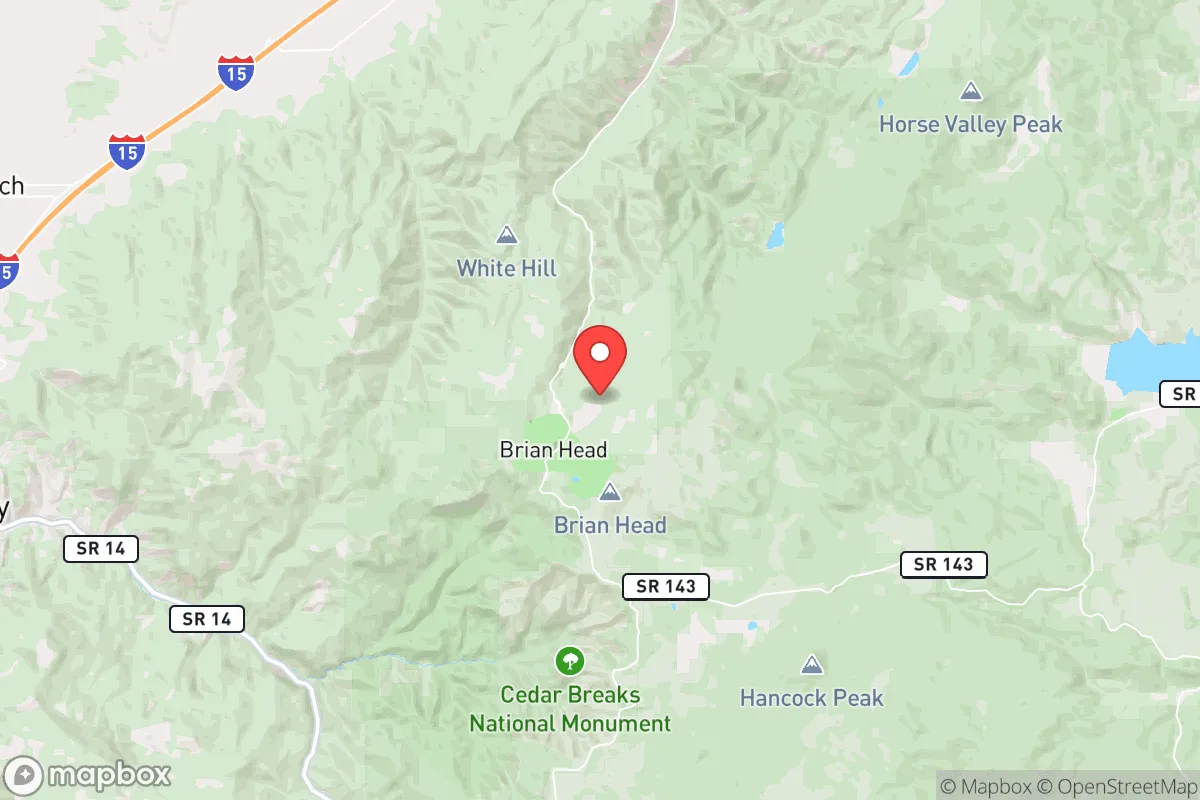
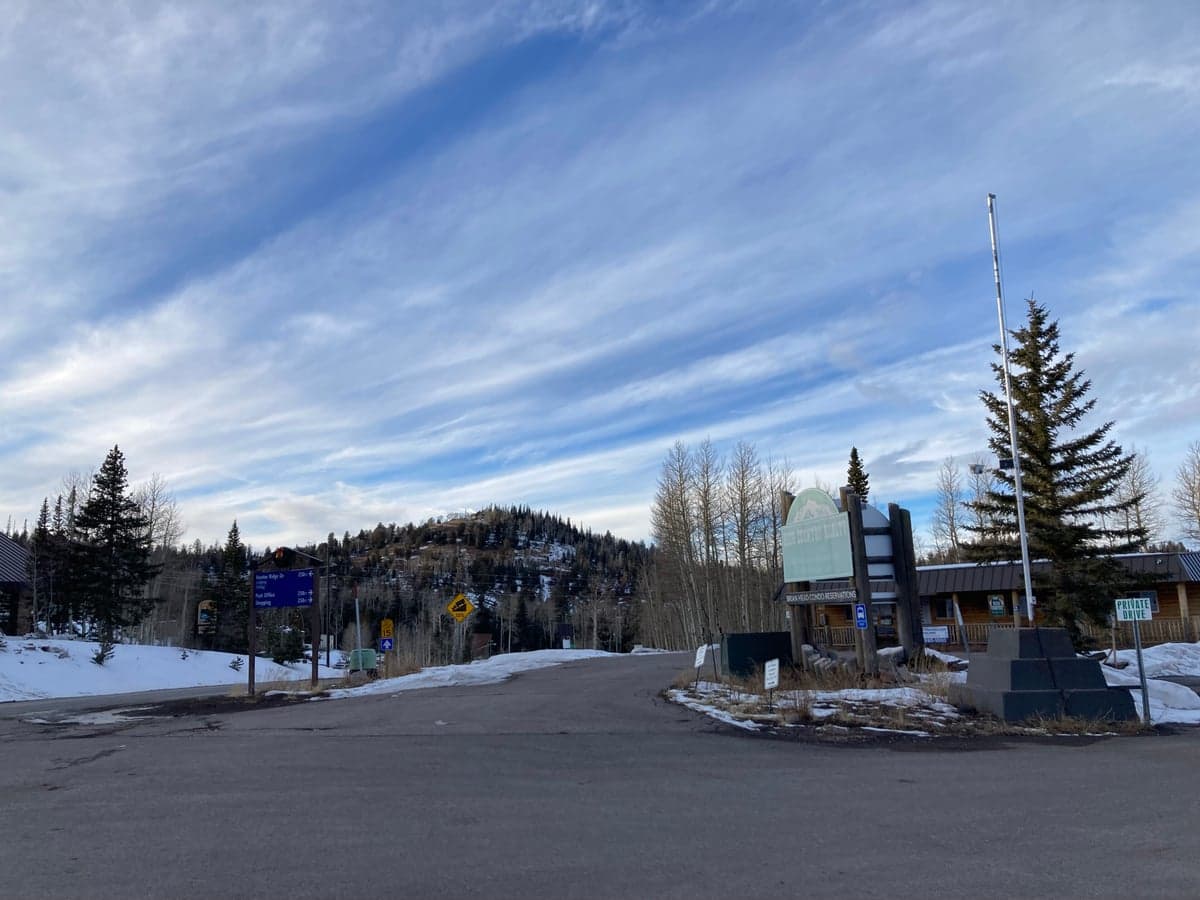
Photo: Wikipedia
Quality of Life in Brian Head, UT
A livable area that tracks near national norms for affordability, walkability, and neighborhood health.
What does Quality of Life tell us?
Quality of Life blends cost of living, nearby amenities, socioeconomic signals, and neighborhood character. City-level scores represent the whole municipality; individual neighborhoods can differ.
What does this tell us?
Quality of Life blends cost of living, nearby amenities, socioeconomic signals, and neighborhood character. City-level scores represent the whole municipality; individual neighborhoods can differ.
Cost of Living
16% above national average
The Real Cost of Living in Brian Head, UT for 2026
| Tier | Individual | Family (4) |
|---|---|---|
| Survival | $22k | $42k |
| Comfortable | $60k | $88k |
| Luxury | $117k+ | $181k+ |
| Elite (Top 5%) | $178k+ | $276k+ |
73%
* median rent and top-5% income substituted from state-level data — local Census figures unavailable for small populations
The Area Signal
A metric tracking the socioeconomic signals of the area.
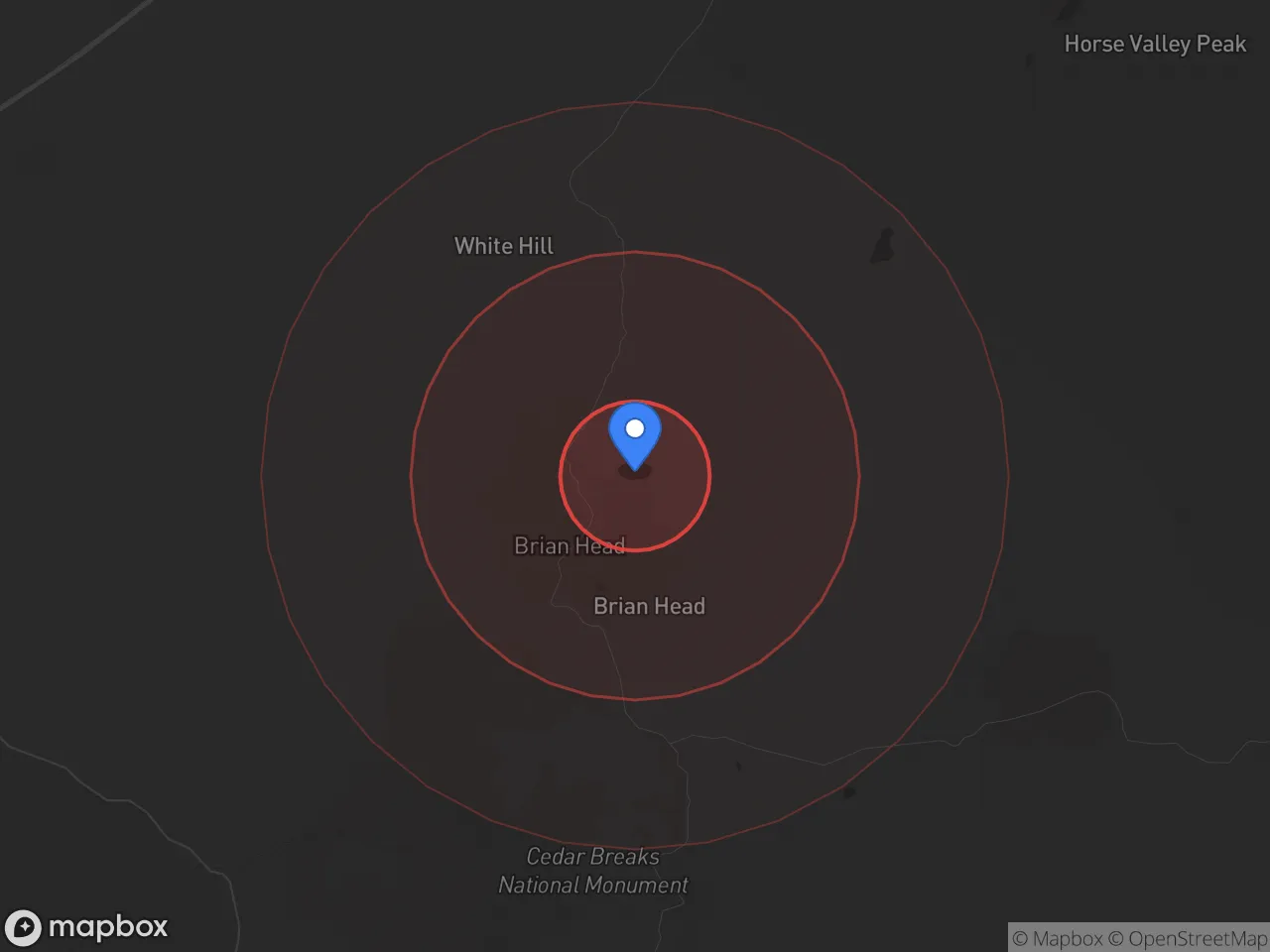
Limited data for this area
Limited data for this area
Hobbies
Explore the areaGroceries
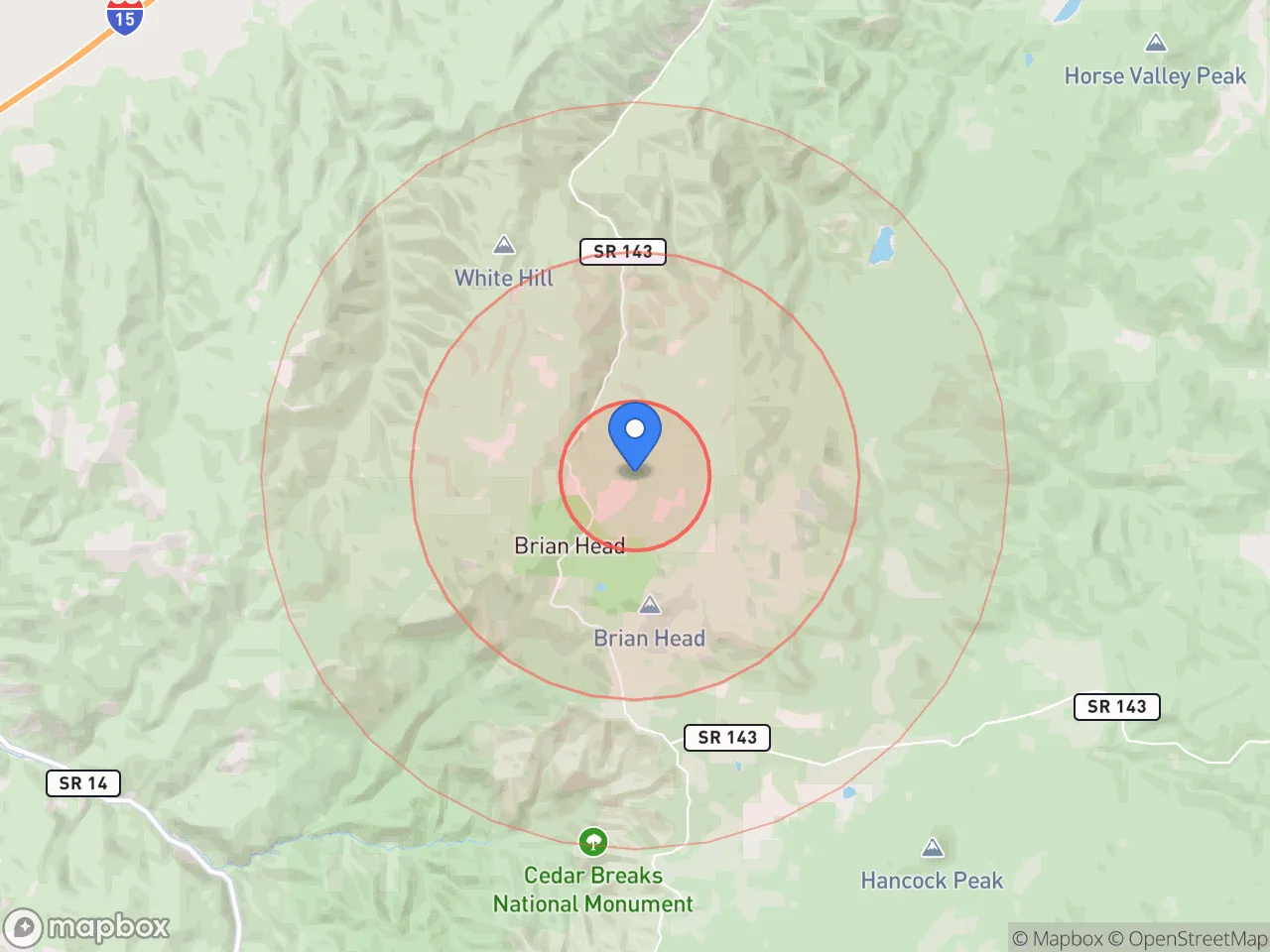
0 within 10 miles
Gas
3 within 10 miles
Hospital
1 within 20 miles
Airport
LAS — North Las Vegas
Post Office
USPS — Brian Head, UT
Critical Amenities
Quality-of-Life Analysis
Brian Head, Utah, is a high-altitude resort town with a quality of life shaped by its dramatic mountain setting and a cost of living that runs well above the national average. The town’s permanent population of roughly 100 residents is a mix of second-home owners, hospitality workers, and outdoor recreation enthusiasts, creating a seasonal rhythm that peaks during ski season and summer hiking months. With a cost of living index of 116 (16% above the U.S. average), Brian Head is notably more expensive than nearby rural towns like Parowan or Enoch, but remains more affordable than ski destinations like Park City or Deer Valley.
Cost of living, housing affordability, and how Brian Head compares to nearby towns
Housing costs drive Brian Head’s elevated cost of living. The median home value sits at $309,100, which is roughly $50,000 higher than the median in neighboring Parowan (about $260,000) but significantly lower than the $1.2 million median in Park City. Renters face a median monthly rent of $1,405, which is about $200 more than in Cedar City but still below the $2,000+ average in Moab. The average commute time of 22 minutes is short by national standards, though many residents drive 15–20 minutes south to Parowan or Cedar City for groceries, medical care, and schools. Property taxes in Iron County are low (roughly 0.5% of assessed value), which helps offset the higher purchase price for homeowners. However, the limited housing inventory—fewer than 200 year-round units—means buyers often compete with vacation-rental investors, keeping prices elevated.
Amenities, schools, and what daily life is like for residents
Daily life in Brian Head revolves around the outdoors. The town sits at 9,800 feet and offers direct access to Brian Head Resort (1,700 skiable acres) and the Dixie National Forest for hiking, mountain biking, and ATV trails. Year-round amenities are sparse: there is no grocery store, no gas station, and no public school within town limits. Families with children typically commute 15 minutes to Parowan Elementary or 30 minutes to Cedar High School in Cedar City. The nearest hospital, Intermountain Cedar City Hospital, is 30 minutes away. Dining and shopping are limited to a handful of resort-adjacent restaurants and a small general store. The town’s rhythm is distinctly seasonal—winter weekends bring crowds of skiers and snowboarders, while summer weekdays can feel nearly empty. For those who work remotely or in the tourism sector, the trade-off is a quiet, uncrowded environment with world-class recreation at the doorstep, but with few urban conveniences.
Brian Head is best suited for outdoor enthusiasts who prioritize recreation over amenities and are comfortable with a remote, small-town lifestyle. Retirees, remote workers, and seasonal employees who value solitude and direct access to skiing, hiking, and mountain biking will find the trade-offs worthwhile. Families with school-age children or those needing frequent medical care may find the 30-minute drive to Cedar City a significant inconvenience. For buyers seeking a second home or investment property, the town’s status as a lower-cost ski destination compared to Park City or Deer Valley offers a compelling value proposition, though the limited year-round population and seasonal economy require careful consideration of long-term livability.

Crime in Brian Head, UT
Lower crime rates than 81% of comparable U.S. locations.
Violent CrimeViolent Crime Analysis
Property CrimeProperty Crime Analysis
Crime Analysis
Brian Head, Utah, presents a starkly contrasting safety profile: its violent crime rate is a perfect 0 per 100,000 residents, yet its property crime rate soars to 6,547.6 per 100,000—roughly double the national average. This extreme divergence means the town is exceptionally safe from physical assault but faces a significant challenge with theft and vandalism, a pattern often seen in small, seasonal resort communities with a transient population.
Crime in context
Brian Head’s violent crime rate of zero places it among the safest places in Utah for personal safety, far below the state average of roughly 250 per 100,000 and the national rate of about 380 per 100,000. However, the property crime rate of 6,547.6 per 100,000 is nearly 2.5 times higher than the Utah state average (around 2,600 per 100,000) and well above the U.S. median. This disparity is typical of high-altitude ski towns like Brian Head, where seasonal visitors and vacation rentals create a target-rich environment for property crime, even as violent incidents remain virtually nonexistent. The town’s small year-round population (roughly 100 residents) means that a single spate of break-ins can dramatically inflate the per-capita rate.
What residents experience
For the roughly 100 permanent residents of Brian Head, daily life is characterized by a near-total absence of violent threats—no homicides, robberies, or aggravated assaults were reported in recent years. The primary safety concern is property crime, particularly theft from vehicles, burglary of unoccupied vacation homes, and occasional vandalism during the off-season. Residents report that locking doors, securing ski equipment, and using outdoor lighting are standard precautions, especially during the winter tourism peak. The town is patrolled by the Iron County Sheriff’s Office, which covers a vast rural area; response times can be longer than in urban settings, but the low violent crime rate means most calls are for property-related incidents or wildlife encounters.
Neighborhood-level variation
Crime in Brian Head is not evenly distributed. The highest concentration of property crime occurs in the Brian Head Resort base area and along the main access roads (Highway 143 and Cedar Breaks Road), where rental condos and vacation homes are clustered. These areas see the bulk of thefts from vehicles and break-ins during the ski season (December–March) and summer hiking months (June–August). In contrast, the more remote residential pockets on the outskirts of town, such as those near the Navajo Ridge and Giant Steps subdivisions, report far fewer incidents, as they are less accessible to transient visitors. The seasonal nature of the crime pattern means that residents who live in the core resort zone face a higher risk, while those in quieter, year-round neighborhoods experience a safety profile closer to the town’s zero-violent-crime ideal.
* Values derived from national, state, county, city and local statistics and may differ in a specific area. Last updated: 2026-07-23T02:22:37.000Z
Narrative content on this page is AI-generated and may contain mistakes. Verify any details that matter before acting on them.
ReloMaps may earn a commission from affiliate links at no extra cost to you.

