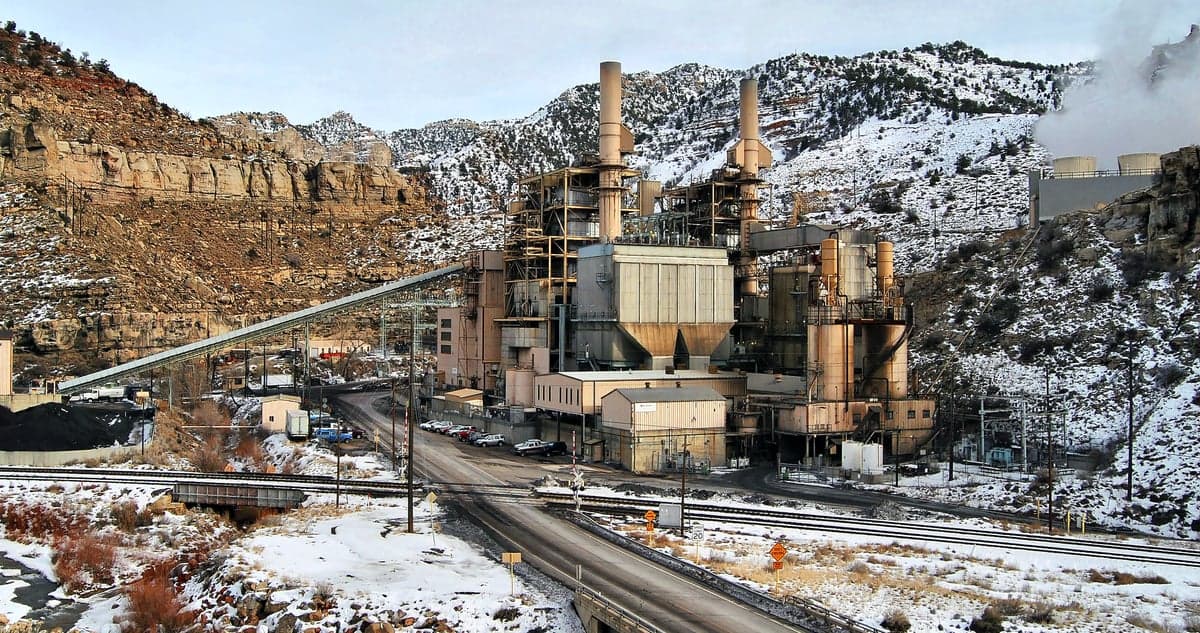
Photo: Wikipedia
Quality of Life in Carbon County
A livable area that tracks near national norms for affordability, walkability, and neighborhood health.
What does Quality of Life tell us?
Quality of Life measures an area by evaluating factors like cost of living, nearby amenities, country club access, airport proximity, socioeconomic signals and neighborhood character. For large states, this is a general average — quality of life can vary dramatically between metro areas, suburbs, and rural communities within the same state.
What does this tell us?
Quality of Life measures an area by evaluating factors like cost of living, nearby amenities, country club access, airport proximity, socioeconomic signals and neighborhood character. For large states, this is a general average — quality of life can vary dramatically between metro areas, suburbs, and rural communities within the same state.
Cost of Living
37% above national average
71%
The Real Cost of Living in Carbon County for 2026
| Tier | Individual | Family (4) |
|---|---|---|
| Survival | $22k | $42k |
| Comfortable | $88k | $130k |
| Luxury | $152k+ | $235k+ |
| Elite (Top 5%) | $178k+ | $276k+ |
* median household income, median home value, and 2 more figures substituted from state-level data — local Census figures unavailable for small populations
Quality-of-Life Analysis
Carbon County, Utah, offers one of the starkest urban-to-rural quality-of-life spectrums in the state, anchored by the small city of Price and dissolving into the remote coal-country hamlets of the Book Cliffs and the San Rafael Swell. The county’s roughly 20,000 residents are split between those who want the convenience of a regional hub—with a hospital, college, and big-box retail—and those who prize the isolation of high-desert homesteads where the nearest neighbor might be a mile down a dirt road. This is a working-class energy and agriculture region, not a resort economy, so the people drawn here tend to value affordability, outdoor access, and a slower pace over urban amenities.
Largest town(s) & population centers
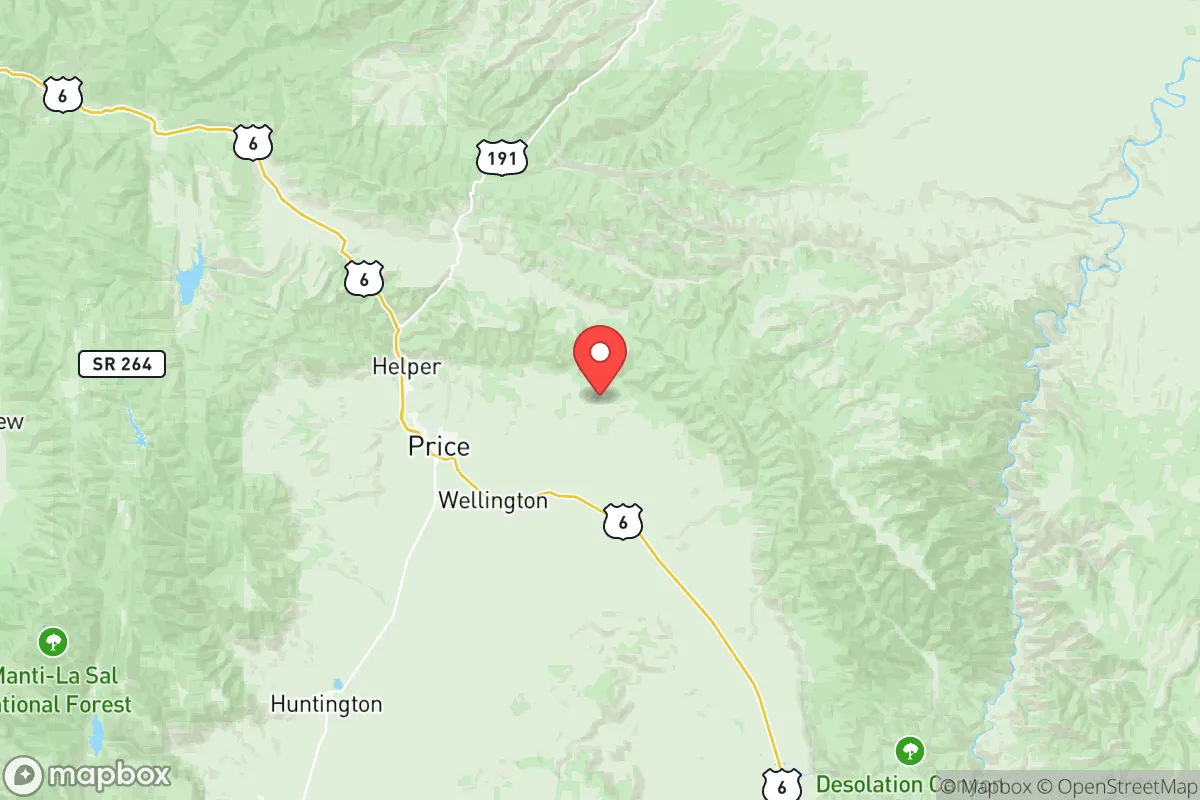
Price is the county seat and undisputed population center, home to roughly 8,500 residents—about 42% of the county’s total population. Daily life in Price revolves around US-6 and US-191, which converge downtown, and the town functions as the retail, medical, and educational hub for all of eastern Utah. The presence of Utah State University Eastern (USU Eastern) brings a college-town undercurrent, while Castleview Hospital anchors healthcare for a multi-county region. Residents here have access to Walmart, a regional mall, chain restaurants, and the county’s only movie theater, making it the clear choice for families who want suburban-style convenience without the Wasatch Front’s traffic. The adjacent community of Wellington, just 8 miles west on US-6, functions as a bedroom suburb of Price, offering slightly larger lots and a quieter feel while still being a 10-minute drive to the hospital and grocery stores.
Smaller towns & rural pockets
Beyond the Price-Wellington corridor, Carbon County’s quality of life shifts dramatically. Helper, 10 miles north of Price, is the county’s most distinctive small town—a former railroad hub of about 2,200 people that has reinvented itself as an arts colony, with a National Historic District, galleries, and the Western Mining and Railroad Museum. It attracts a mix of artists, remote workers, and retirees who want historic architecture and a walkable main street. East Carbon and Sunnyside, roughly 25 miles southeast, are former coal-mining company towns that now offer some of the cheapest housing in the state, with many homes selling under $200,000, but at the cost of a 35-40 minute commute to Price and limited local services. The unincorporated areas of Spring Glen and Carbonville sit along the Price River between Helper and Price, offering riverside acreage and a semi-rural lifestyle with county water and sewer—a middle ground between town and true wilderness. Further out, the tiny communities of Hiawatha and Kenilworth are ghost-town-adjacent, with a handful of occupied homes amid abandoned mine structures, appealing only to those seeking extreme seclusion at rock-bottom prices.
Cost & lifestyle range
The county-wide cost of living index sits at 137 (37% above the US average), but that figure masks a wide internal spread driven almost entirely by housing. The median home value is $455,000, yet that number is skewed upward by newer construction in Price’s east side and Wellington; comparable homes in East Carbon or Sunnyside routinely list for $150,000-$250,000. Median rent is $1,405, which buys a modern two-bedroom apartment in Price but a three-bedroom house with a yard in Helper. The average commute is 18.6 minutes, but that’s a county-wide mean—Price residents often commute under 10 minutes, while Sunnyside workers face 40+ minute drives to the county’s main employers, which include the USU Eastern campus, Castleview Hospital, and the remaining coal operations like the Lila Canyon Mine. At the high end of the lifestyle spectrum, Price offers the only full-service grocery stores (Smith’s and Walmart), while Helper’s residents drive 10 minutes for groceries but gain a walkable historic downtown with cafes and a brewery. At the low end, East Carbon has a single small grocery store, no pharmacy, and no sit-down restaurant, meaning residents plan weekly supply runs to Price.
Ultimately, Carbon County rewards self-sufficient people who know exactly what they want. Families and professionals who need reliable jobs, schools, and healthcare will find Price and Wellington comfortable and functional. Artists, history buffs, and remote workers will thrive in Helper’s revitalized streetscape. And those seeking true off-grid or near-off-grid living at prices that have vanished from most of the West will find their niche in Sunnyside, Hiawatha, or the scattered homesteads along the Price River. What the county lacks in coastal amenities or mountain resort glamour, it makes up for in genuine community, dramatic red-rock scenery, and a cost structure that still allows a middle-class household to own a home outright.

Crime in Carbon County
Generally safer than 67% of comparable U.S. locations.
Violent CrimeViolent Crime Analysis
Property CrimeProperty Crime Analysis
Crime Analysis
Carbon County, Utah, presents a mixed safety picture: its violent crime rate of 222.6 incidents per 100,000 residents sits below the national average, but its property crime rate of 1,305.9 per 100,000 runs notably higher than both state and national benchmarks. The county's two primary population centers — Price and Helper — account for the bulk of reported incidents, while smaller communities like Wellington, East Carbon, and Sunnyside generally see fewer calls for service. For anyone researching a move to this southeastern Utah region, the practical takeaway is that violent crime is not a dominant concern, but property theft and vandalism warrant standard precautions.
Crime in context
Carbon County's violent crime rate of 222.6 per 100,000 is roughly 36% below the national average of about 380 per 100,000, and it also trails Utah's statewide figure of approximately 247 per 100,000. The county's property crime rate, however, tells a different story: at 1,305.9 per 100,000, it exceeds the national average of roughly 1,954 per 100,000 only modestly, but it runs well above Utah's statewide property crime rate of about 1,100 per 100,000. This divergence is typical of rural energy-boom counties, where transient workforces and vacant industrial sites create more opportunities for theft. The Seventh District Attorney's Office, which covers Carbon, Emery, Grand, and San Juan counties, prosecutes cases out of Price, and its approach has historically been more traditional than the progressive reform models seen in Salt Lake County — a factor some residents cite when assessing public safety confidence.
What residents experience
In practice, Carbon County's crime is concentrated and predictable. Price, the county seat and largest city with roughly 8,500 residents, sees the majority of reported property crimes — particularly vehicle break-ins, catalytic converter thefts, and burglaries of storage units along the Highway 6 corridor. Helper, the historic mining town just north of Price, has a lower overall incident count but experiences occasional drug-related arrests tied to its position along the interstate corridor. Wellington, east of Price, reports the fewest incidents per capita among the larger communities, making it a common recommendation for families seeking a quieter residential base. East Carbon and Sunnyside, the county's easternmost towns, are small enough that annual crime totals often sit in the single digits, though their distance from Price means longer emergency response times — a trade-off residents accept for rural living.
Violent crime in Carbon County is rarely random. The 222.6 per 100,000 figure reflects a pattern of domestic disputes and alcohol-fueled altercations rather than stranger-on-stranger violence. The county jail in Price and the Seventh District Court handle these cases locally, and the absence of a large metropolitan prosecutor's office with progressive diversion-heavy policies means offenders convicted of violent acts typically serve meaningful sentences. For newcomers, the practical safety advice is straightforward: lock vehicles and outbuildings, avoid leaving tools or equipment visible on trailers, and be aware that transient populations tied to oil and gas work near the Book Cliffs can spike during boom cycles.
Neighborhood-level variation within Price is modest but real. The areas immediately around USU Eastern's campus and the hospital district report the lowest incident counts, while the blocks near the railroad tracks and the older commercial core along Main Street see more frequent police activity. Helper's historic district, popular with tourists and new residents renovating old homes, has seen property crime tick up slightly as foot traffic increases. Overall, Carbon County is not a high-violence area by any national measure, but its property crime rate demands the same diligence residents would apply in any mid-sized Western community.
* Values derived from national, state, county, city and local statistics and may differ in a specific area. Last updated: 2026-10-23T08:49:36.000Z
Narrative content on this page is AI-generated and may contain mistakes. Verify any details that matter before acting on them.
ReloMaps may earn a commission from affiliate links at no extra cost to you.

