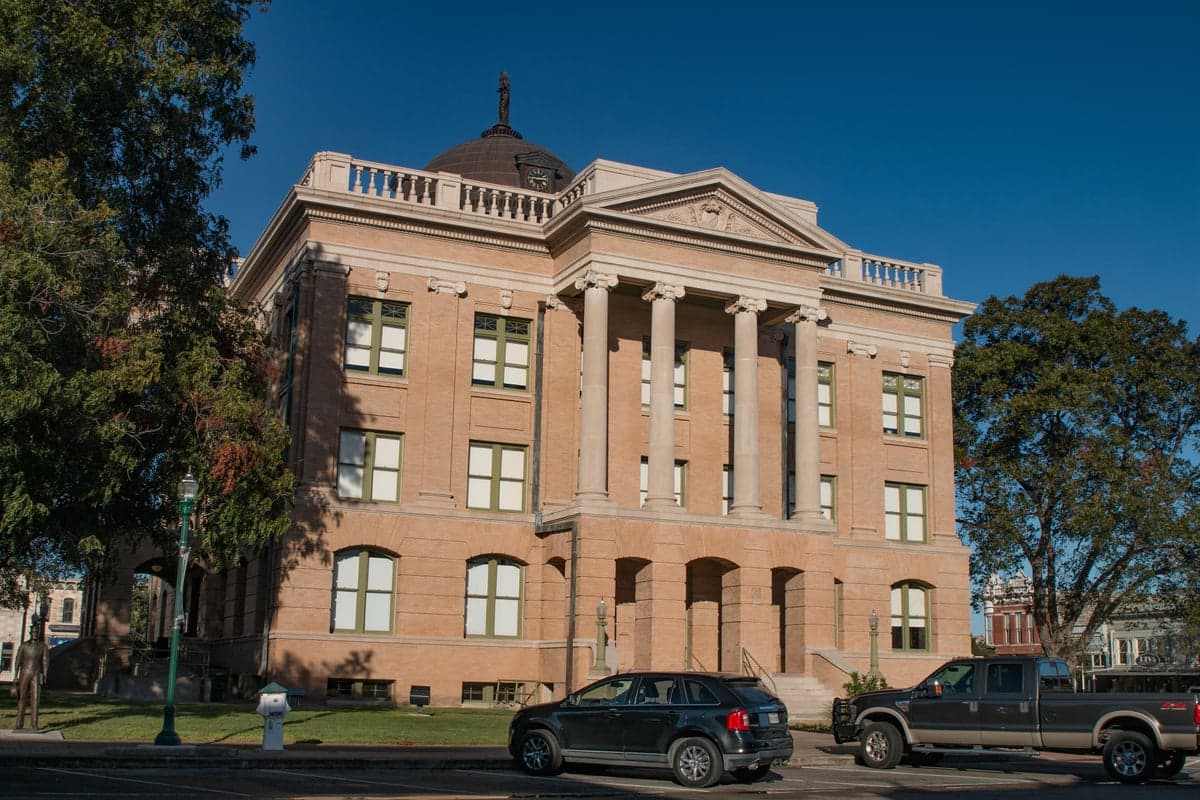
Photo: Wikipedia
Find The Best Places To Live in Williamson County
PRO TIP! You can paste a Zillow or Redfin link to get info on that property.
Best Places to Live in Williamson County
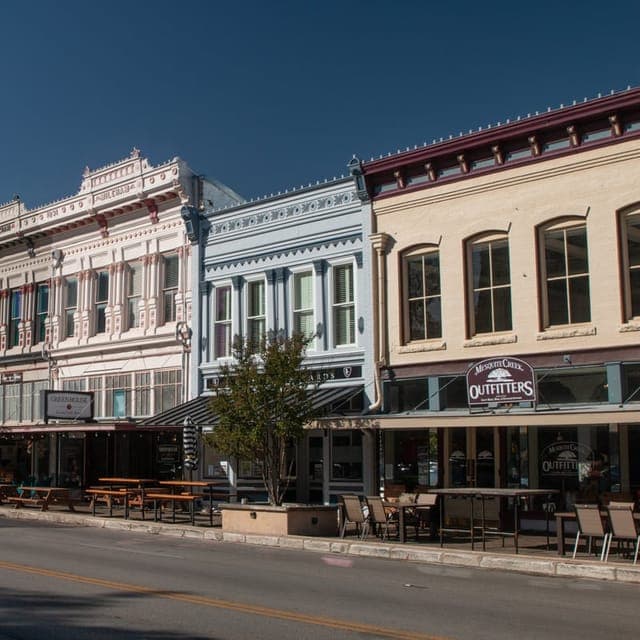
Cities & Towns in Williamson County
Cities in Williamson County
What It's Like Living in Williamson County, TX
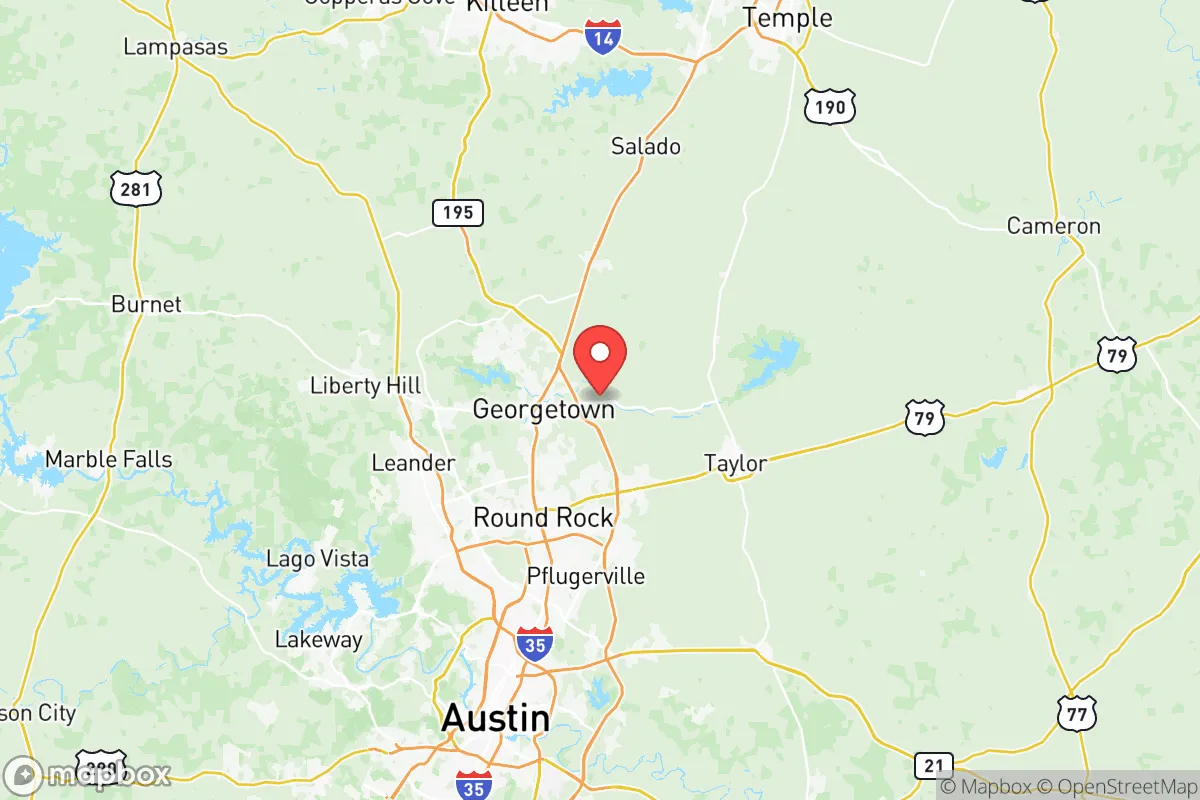
Living in Williamson County, Texas, feels a bit like being part of a well-kept secret that’s rapidly turning into a headline. Stretching from the northern edge of Austin up through the rolling hills of Georgetown and the prairie towns of Taylor and Hutto, this county has become a magnet for families and professionals who want the economic energy of Central Texas without the full-on chaos of city life. It’s a place where a median household income of $108,309 meets a median home value of $414,600, creating a reality where comfort is attainable but not cheap, and where the cost of living index of 148 reminds you that you’re paying a premium for proximity to one of the fastest-growing regions in the country.
The Daily Rhythm: Commutes, Schools, and Weekend Rituals
For most people here, the day starts with a commute that averages just under 28 minutes—long enough to finish a podcast, short enough to not feel like a grind. That drive often heads south toward Austin, but increasingly, jobs are clustering right here in the county. Major employers like Dell Technologies in Round Rock and the sprawling Samsung semiconductor campus in Taylor are reshaping the local economy, drawing in a workforce that’s 47.4% college-educated and skews toward engineering, healthcare, and tech. After work, the rhythm shifts to school pickup lines, soccer practice, and dinner at a local spot like the Monument Cafe in Georgetown or the Tex-Mex staples scattered through Cedar Park. Weekends are often spent on the water at Lake Georgetown or Lake Pflugerville, or wandering the historic square in Round Rock, where the famous Round Rock Donuts shop has a line out the door by 8 a.m. every Saturday.
The schools are a central organizing force in many of these communities. Districts like Round Rock ISD and Georgetown ISD are consistently rated highly, and they anchor the social lives of families—Friday night football games at The Palace in Georgetown or at the Kelly Reeves Athletic Complex in Round Rock are genuine community events. If you don’t have kids, you might find yourself slightly on the outside of that social loop, but the county’s median age of 37.2 means you’re surrounded by people in similar life stages, whether they’re raising toddlers or sending kids off to college.
Sports, Festivals, and the Local Identity
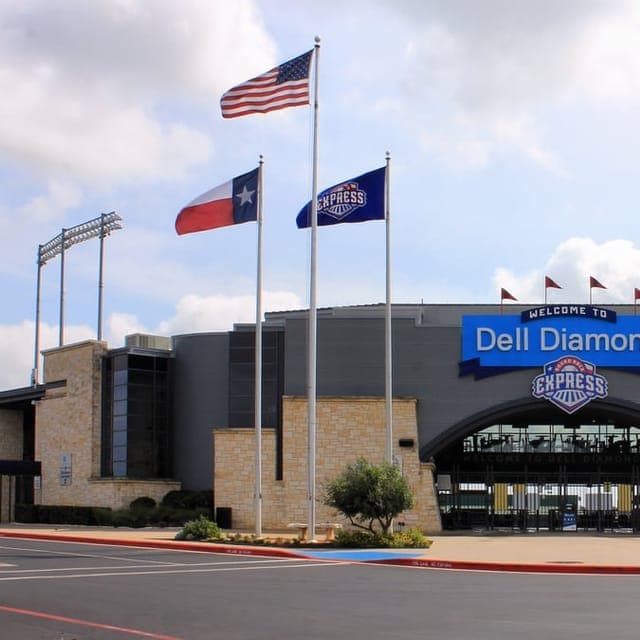
Sports culture here is intense but localized. There’s no major pro team in the county, but the Round Rock Express, the Triple-A affiliate of the Texas Rangers, draws solid crowds at Dell Diamond, and high school football is treated with near-religious seriousness. The annual rivalry between Georgetown and Round Rock high schools can fill stands with thousands of fans. Beyond sports, the county’s identity is shaped by a mix of old Texas traditions and new suburban energy. The Taylor International BBQ & Chili Cookoff is a genuine draw, and the Georgetown Red Poppy Festival brings tens of thousands to the historic downtown each spring. For music and nightlife, most residents drive into Austin for big concerts, but local spots like the 3 Tenores Food & Wine in Cedar Park and the bars along Round Rock’s Main Street offer a quieter, more neighborly alternative.
Outdoor life is a big part of the appeal. The Brushy Creek Regional Trail connects several cities and is popular for biking and running, while the San Gabriel River in Georgetown offers tubing and kayaking in the summer. The weather supports this lifestyle for much of the year, though summers are genuinely brutal—July and August see consistent highs above 95°F, and the humidity can make it feel heavier. Winters are mild, with occasional freezes that shut down the region for a day or two, but snow is rare enough to feel like an event.
Pros and Cons: What You’ll Love and What Might Drive You Crazy
- What residents love: The job market is strong and diverse, with major employers like Dell, Samsung, and a growing healthcare sector in Round Rock and Georgetown. The schools are a genuine asset, and the sense of safety is real—though the violent crime rate of 345.1 per 100,000 is slightly above the national average, most residents feel secure in their neighborhoods. The mix of historic small towns and modern suburbs means you can find a 100-year-old farmhouse in Taylor or a new-build master-planned community in Hutto, depending on your taste.
- What frustrates residents: Traffic on I-35 is a daily headache, and there’s no easy fix—the corridor between Round Rock and Austin is notorious for congestion. The cost of living is high relative to the rest of Texas, and home prices have climbed fast; that $414,600 median home value feels steep for a county that was once a budget-friendly alternative to Austin. Some longtime residents grumble that the area is losing its rural character, as farmland gives way to subdivisions and strip centers. And if you’re looking for a vibrant nightlife or a dense urban core, you’ll be disappointed—this is suburban and family-oriented, not a place for late-night bar hopping.
Williamson County works best for people who want a balance: a good job, a good school, a house with a yard, and a community that feels connected without being suffocating. It’s not cheap, and it’s not quiet in the way it was twenty years ago, but for the families and professionals who land here, it tends to feel like home.

* Values derived from national, state, county, city and local statistics and may differ in a specific area. Last updated: 2026-06-15T19:32:56.000Z
Narrative content on this page is AI-generated and may contain mistakes. Verify any details that matter before acting on them.
ReloMaps may earn a commission from affiliate links at no extra cost to you.

