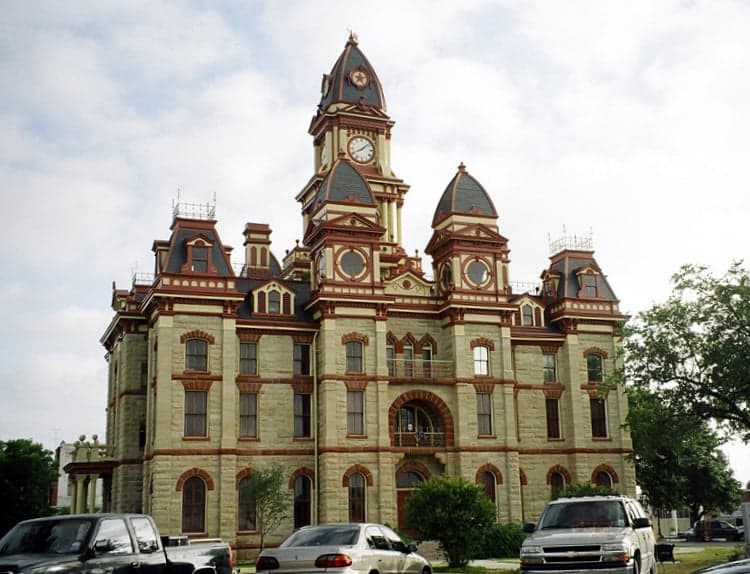
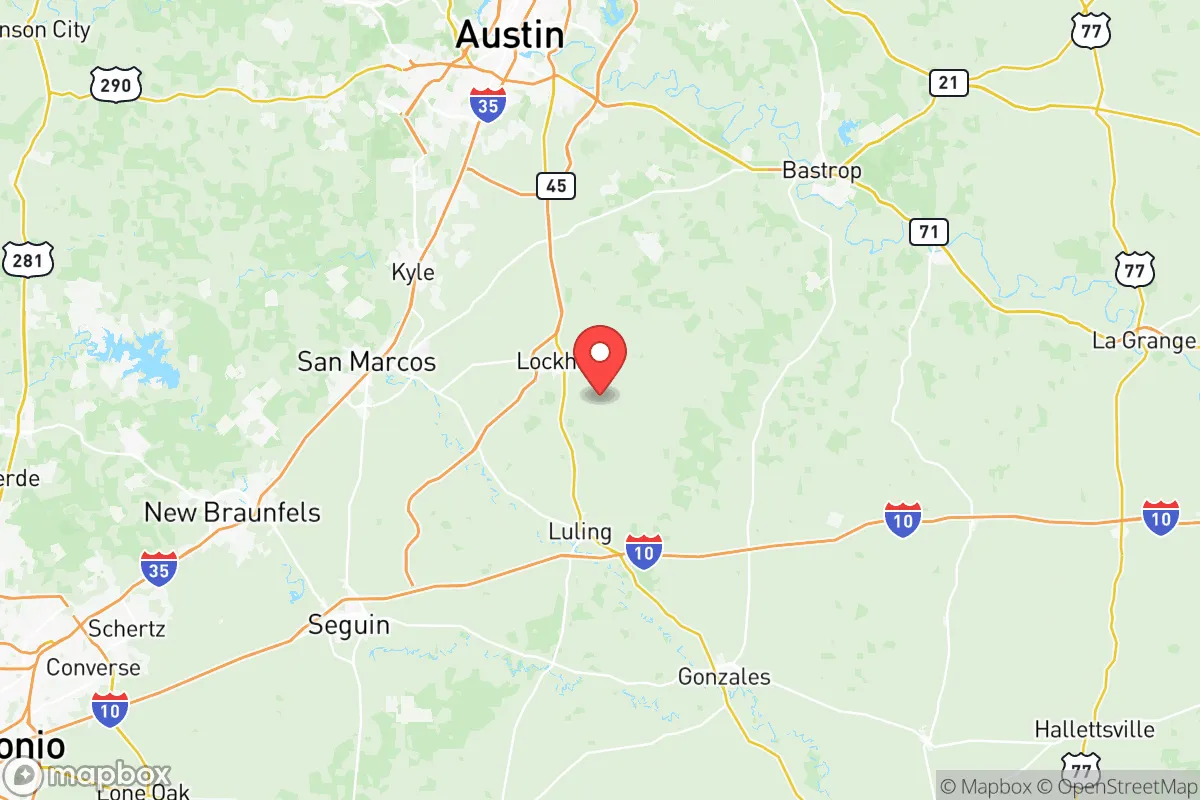
Photo: Wikipedia
Quality of Life in Caldwell County
A livable area that tracks near national norms for affordability, walkability, and neighborhood health.
What does Quality of Life tell us?
Quality of Life measures an area by evaluating factors like cost of living, nearby amenities, country club access, airport proximity, socioeconomic signals and neighborhood character. For large states, this is a general average — quality of life can vary dramatically between metro areas, suburbs, and rural communities within the same state.
What does this tell us?
Quality of Life measures an area by evaluating factors like cost of living, nearby amenities, country club access, airport proximity, socioeconomic signals and neighborhood character. For large states, this is a general average — quality of life can vary dramatically between metro areas, suburbs, and rural communities within the same state.
Cost of Living
10% below national average
111%
The Real Cost of Living in Caldwell County for 2026
| Tier | Individual | Family (4) |
|---|---|---|
| Survival | $18k | $34k |
| Comfortable | $42k | $62k |
| Luxury | $112k+ | $174k+ |
| Elite (Top 5%) | $132k+ | $204k+ |
Quality-of-Life Analysis
Caldwell County, Texas, offers a quality-of-life spectrum that ranges from the suburban-style convenience of its largest town, Lockhart, to the quiet, unincorporated crossroads of places like McMahan and Dale. The county draws a mix of Austin-commuting professionals seeking lower housing costs, families looking for small-town school systems, and long-time residents who value the area’s agricultural roots and slower pace. With a cost of living index of 90 (10 points below the national average), the county provides tangible financial breathing room, though the trade-off is an average commute of roughly 34 minutes for those who work in the Austin-Round Rock metro.
Largest town(s) & population centers
Lockhart, the county seat and largest city (population roughly 14,000), is the primary population center and the hub of daily life. Known as the “Barbecue Capital of Texas,” its historic downtown square features local eateries, a county courthouse, and a walkable core. Daily life here leans toward small-city convenience: residents have access to a Walmart Supercenter, H-E-B grocery, and a regional hospital (Ascension Seton Lockhart). The Lockhart Independent School District serves the town, and the community is increasingly popular with families priced out of Austin, roughly 30 miles north. Luling, the county’s second-largest town (population about 5,700), has a distinct identity centered on its oil-and-railroad history and the annual Luling Watermelon Thump festival. Its downtown is smaller than Lockhart’s but includes a historic opera house and a growing number of antique shops. Luling’s school district is independent, and the town offers a more industrial, working-class feel compared to Lockhart’s growing suburban character.
Smaller towns & rural pockets
Beyond the two main towns, Caldwell County is dotted with unincorporated communities that define its rural character. Martindale (population roughly 1,200) sits along the San Marcos River, attracting kayakers and anglers; it has a small post office and a handful of local businesses but no major retail. Prairie Lea (population under 300) is a historic farming community with a single general store and a strong sense of isolation. McMahan and Dale are crossroads settlements with little more than a church and a few homes, representing the county’s most sparsely populated corners. Fentress (population about 100) is known for its annual Fentress Rodeo and a quiet, off-the-grid lifestyle. These areas lack municipal services like public water or sewer in many cases, relying on private wells and septic systems, which keeps property prices low but requires self-sufficiency.
Cost & lifestyle range
The cost of living varies noticeably across the county. At the higher end, Lockhart’s newer subdivisions (e.g., the Plum Creek development) see median home values near $215,600, with some homes exceeding $300,000. Rent in Lockhart averages $1,145 per month, reflecting demand from Austin commuters. At the lower end, rural properties in McMahan or Prairie Lea can be found for under $150,000, though they often require significant renovation or lack immediate access to utilities. The lifestyle range is equally broad: Lockhart offers chain restaurants, a movie theater, and a YMCA, while rural residents drive 20-30 minutes to Lockhart or San Marcos for groceries and medical care. Property taxes in Caldwell County are relatively high (around 2.3% of assessed value), a common trade-off in Texas for the lack of state income tax, and this affects both ends of the market. For those seeking the lowest possible housing costs, the unincorporated areas around Stairtown and Harwood offer raw land and mobile homes, but with minimal services and longer drives to any employment center.
The county’s character ultimately suits two distinct groups: commuters who want a lower-cost base within an hour of Austin’s job market, and rural residents who prioritize land, privacy, and a self-reliant lifestyle over proximity to amenities. Families with school-age children often gravitate to Lockhart or Luling for their established districts, while retirees and weekend farmers are drawn to the unincorporated communities for the space and lower entry costs. The 34-minute average commute is a key filter—those unwilling to drive will find the county frustrating, but for those who accept the trade-off, Caldwell County offers a genuine range of affordable living options that few Austin-adjacent counties can match.

Crime in Caldwell County
Crime rates similar to the national median for U.S. locations.
Violent CrimeViolent Crime Analysis
Property CrimeProperty Crime Analysis
Crime Analysis
Caldwell County, Texas, presents a mixed safety profile that demands careful consideration for potential residents. With a violent crime rate of 345.1 per 100,000 residents and a property crime rate of 1,794.2 per 100,000, the county sits above the national average for violent offenses but below the Texas state average for property crime. The county's proximity to the Austin-Round Rock metropolitan area drives both economic opportunity and crime spillover, particularly in communities like Lockhart, the county seat, and Luling, where property crimes are more concentrated.
Crime in context
Caldwell County's violent crime rate of 345.1 per 100,000 is approximately 20% higher than the national average of roughly 287 per 100,000, but notably lower than Texas's statewide rate of about 447 per 100,000. Property crime at 1,794.2 per 100,000 is below the Texas average of roughly 2,200 per 100,000, placing the county in a more favorable position for theft and burglary risks. These figures are heavily influenced by crime patterns in Lockhart, which accounts for a disproportionate share of reported incidents due to its larger population and commercial activity. By contrast, smaller communities like Martindale and Uhland report significantly lower crime volumes, though their smaller populations can produce volatile per-capita rates in any given year.
What residents experience
Residents of Caldwell County most frequently encounter property crimes—burglary, theft, and motor vehicle theft—which together make up over 80% of all reported offenses. Violent crimes, while less common, include aggravated assault as the dominant category, with robbery and homicide occurring at rates below the state average. The county's law enforcement landscape is fragmented: the Caldwell County Sheriff's Office patrols unincorporated areas, while the Lockhart Police Department and Luling Police Department handle their respective jurisdictions. This patchwork can lead to inconsistent response times and enforcement priorities. A significant concern for residents is the influence of the judicial district covering Caldwell County, which is part of the 22nd Judicial District. When progressive district attorneys prioritize diversion programs and reduced sentencing over incarceration, the result is often more repeat offenders cycling back into communities, undermining public safety and victim justice. This is a pattern seen in larger liberal-leaning metro areas like Austin and Houston, and its spillover into Caldwell County's courts is a legitimate worry for families and businesses.
Neighborhood-level variation
Crime is not evenly distributed across Caldwell County. Lockhart's historic downtown and surrounding residential areas see higher rates of theft and vandalism, particularly near tourist-heavy spots like the Lockhart State Park and barbecue corridor. Luling, with its oil-field history and smaller population, experiences a higher per-capita rate of drug-related offenses and burglaries. In contrast, rural subdivisions near the Guadalupe River and communities like McMahan and Pettytown report very low crime, benefiting from isolation and strong neighborhood watch networks. Newer developments along the SH-130 corridor near the Travis County line are seeing rising property crime as commuter populations grow. For those considering relocation, choosing a home in a smaller, unincorporated area or a gated community can significantly reduce exposure to the county's crime hotspots, while still providing access to Lockhart's amenities and Austin's job market.
* Values derived from national, state, county, city and local statistics and may differ in a specific area. Last updated: 2026-06-18T04:15:41.000Z
Narrative content on this page is AI-generated and may contain mistakes. Verify any details that matter before acting on them.
ReloMaps may earn a commission from affiliate links at no extra cost to you.

