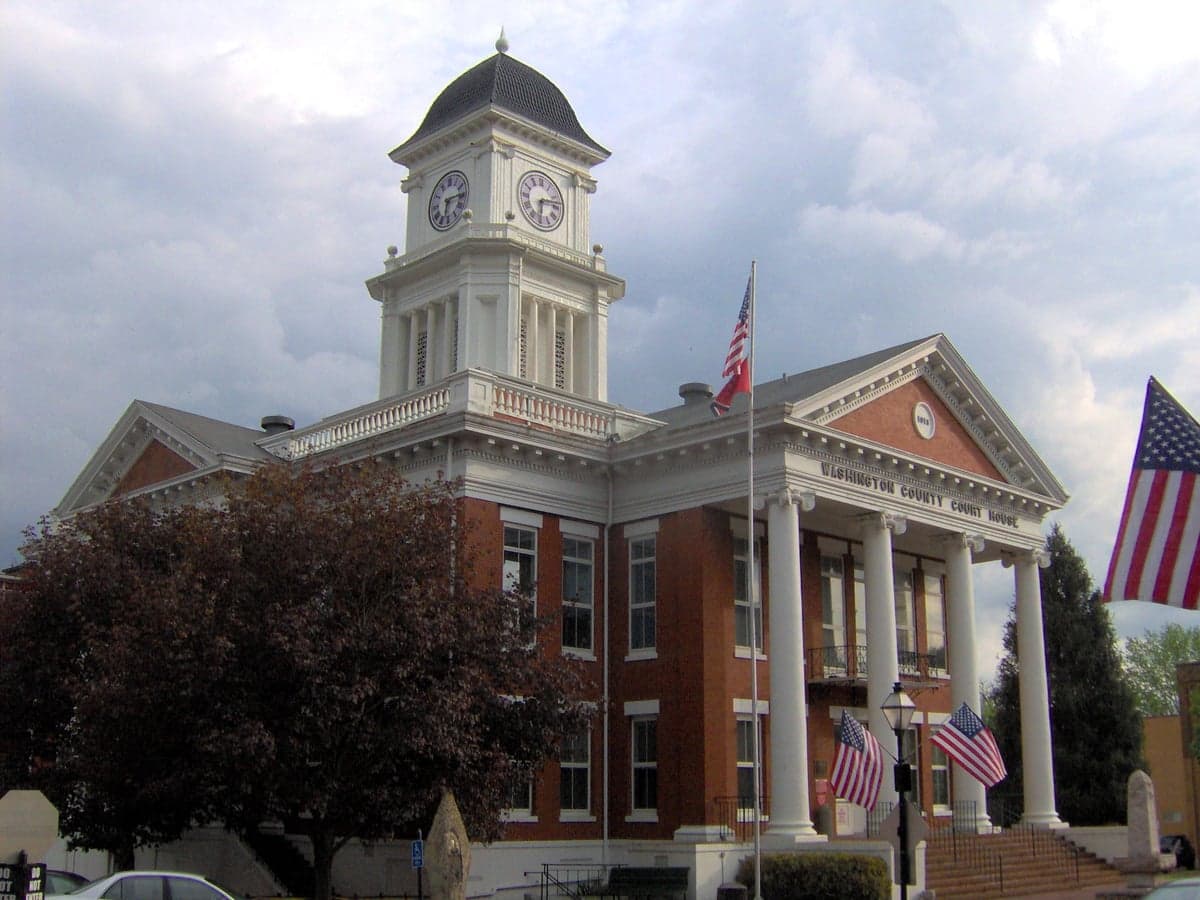
Photo: Wikipedia
Quality of Life in Washington County
A livable area that tracks near national norms for affordability, walkability, and neighborhood health.
What does Quality of Life tell us?
Quality of Life measures an area by evaluating factors like cost of living, nearby amenities, country club access, airport proximity, socioeconomic signals and neighborhood character. For large states, this is a general average — quality of life can vary dramatically between metro areas, suburbs, and rural communities within the same state.
What does this tell us?
Quality of Life measures an area by evaluating factors like cost of living, nearby amenities, country club access, airport proximity, socioeconomic signals and neighborhood character. For large states, this is a general average — quality of life can vary dramatically between metro areas, suburbs, and rural communities within the same state.
Cost of Living
18% below national average
92%
The Real Cost of Living in Washington County for 2026
| Tier | Individual | Family (4) |
|---|---|---|
| Survival | $15k | $29k |
| Comfortable | $45k | $66k |
| Luxury | $110k+ | $171k+ |
| Elite (Top 5%) | $143k+ | $222k+ |
Quality-of-Life Analysis
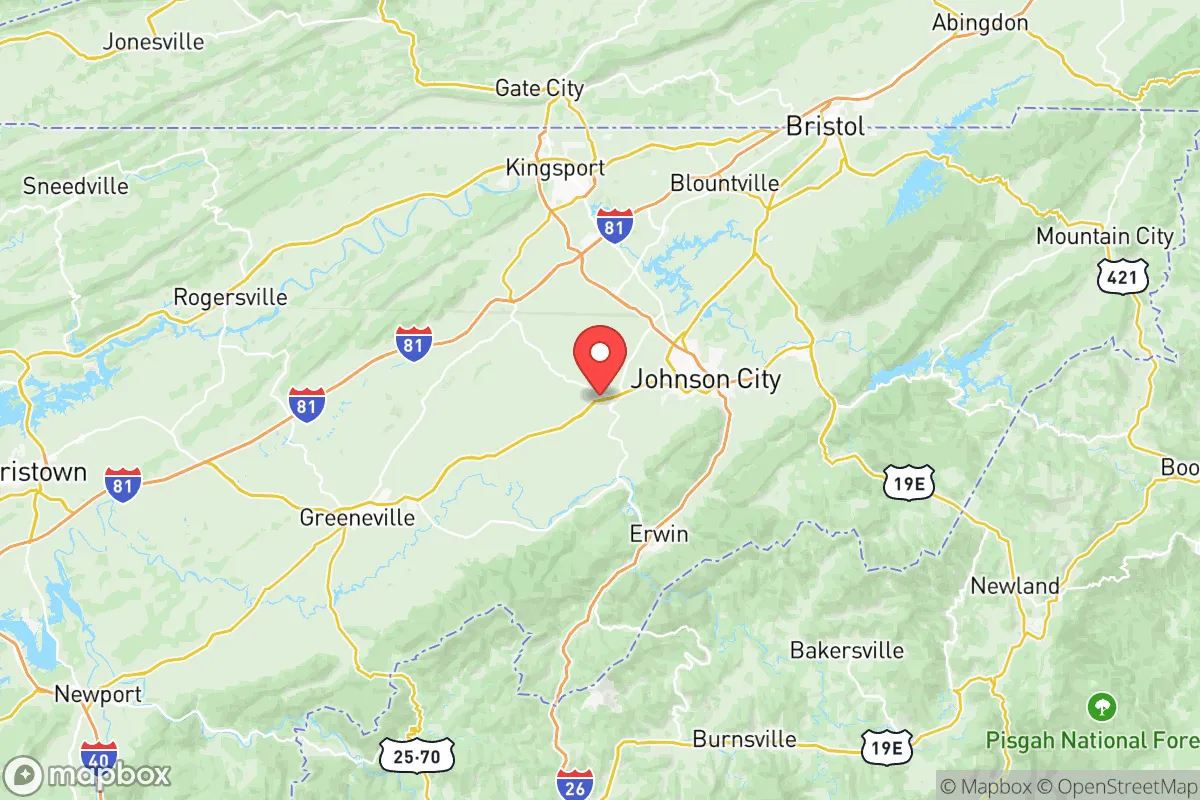
Washington County, Tennessee offers a broad quality-of-life spectrum that spans the urban energy of Johnson City, the historic charm of Jonesborough, and the quiet farmland of communities like Telford and Limestone. This diversity draws a wide range of residents — from young professionals and students seeking walkable neighborhoods and nightlife, to families prioritizing top-rated schools, to retirees and homesteaders looking for acreage and lower property taxes. The county’s overall cost of living index sits at 82 (18% below the national average), with a median home value of $231,700 and median rent of $951, making it one of the more affordable metro-area counties in the Appalachian region.
Largest town(s) & population centers
Johnson City is the county’s economic and cultural hub, home to East Tennessee State University (ETSU), the Johnson City Medical Center, and a growing downtown district with breweries, restaurants, and live music venues. Daily life here is walkable in the historic Tree Streets neighborhood and near the university, while suburban-style developments dominate the west side along State of Franklin Road and the I-26 corridor. The average commute across the county is 21.5 minutes, reflecting Johnson City’s manageable traffic compared to larger metros. Jonesborough, the county seat and Tennessee’s oldest town, offers a slower pace centered around a preserved 18th-century Main Street, the International Storytelling Center, and seasonal festivals. It appeals strongly to retirees, history buffs, and families who want small-town character within a 15-minute drive of Johnson City’s big-box retail and healthcare.
Smaller towns & rural pockets
Outside the two main towns, Washington County contains several unincorporated communities that define its rural character. Telford, near the Washington–Greene county line, is a farming crossroads with a handful of churches, a post office, and ready access to I-81 for commuters heading to Tri-Cities Airport or Kingsport. Limestone, hugging the Nolichucky River, is even more sparsely populated, with working farms, river-access recreation, and the historic Davy Crockett Birthplace State Park. Sulphur Springs and Bowmantown are tiny hamlets where residents often live on 2–10 acre parcels and commute into Johnson City for work. These areas lack municipal services like public water and sewer in many spots, but offer lower land prices — often under $5,000 per acre — and minimal zoning, attracting hobby farmers and those seeking self-sufficient lifestyles.
Cost & lifestyle range
The cost spread across Washington County is significant. At the high end, Johnson City’s Ridgefields and Knob Creek neighborhoods feature homes from $400,000 to over $1 million, with golf course views, large lots, and proximity to upscale shopping. Median home values countywide are $231,700, but in these enclaves the figure is roughly double that. At the low end, rural areas near Telford and Limestone offer fixer-upper homes and mobile homes on land for under $150,000, with county property tax rates around $2.30 per $100 of assessed value — lower than Johnson City’s municipal rate. Renters pay a median of $951 countywide, but downtown Johnson City one-bedrooms often run $1,000–$1,300, while rural rentals can dip below $700. Amenities follow the same gradient: Johnson City provides hospitals, a regional mall, and ETSU’s athletic and cultural events, while rural residents rely on Jonesborough’s grocery co-op, local farm stands, and volunteer fire departments.
Washington County suits a broad cross-section of people, but it works best for those who appreciate having choices within a short drive. Young professionals and students thrive in Johnson City’s walkable core and job market anchored by healthcare and education. Families and retirees often land in Jonesborough for its schools and community feel. Homesteaders, outdoor enthusiasts, and budget-conscious buyers find their niche in the county’s rural pockets, where land is affordable and the Nolichucky River and Cherokee National Forest are minutes away. The county’s 21.5-minute average commute means few residents sacrifice more than half an hour to access work, shopping, or recreation — a balance that is increasingly rare in the broader Tri-Cities region.

Crime in Washington County
Higher crime rates than 58% of comparable U.S. locations.
Violent CrimeViolent Crime Analysis
Property CrimeProperty Crime Analysis
Crime Analysis
Washington County, Tennessee, reports a violent crime rate of 495.2 incidents per 100,000 residents and a property crime rate of 1,650.8 per 100,000, placing it above both state and national averages for violent offenses. While the county is not among the most dangerous in the state, these figures indicate a safety environment that requires careful neighborhood selection and awareness, particularly in the urban core of Johnson City and along the I-26 corridor. The county's overall safety picture is shaped by a mix of dense college-town areas, suburban developments, and rural stretches, each with distinct risk profiles.
Crime in context
Washington County's violent crime rate of 495.2 per 100,000 is roughly 40% higher than the national average of approximately 370 per 100,000 and significantly exceeds the Tennessee state average of around 630 per 100,000 for violent crime. Property crime in the county, at 1,650.8 per 100,000, sits near the national average of about 1,950 per 100,000 but is lower than the Tennessee state average of roughly 2,200 per 100,000. These numbers place Washington County in a middle tier among Tennessee's 95 counties — safer than high-crime urban counties like Shelby (Memphis) or Davidson (Nashville), but notably more dangerous than rural counties such as Unicoi or Carter to the east. The disparity between violent and property crime rates suggests that while theft and burglary are manageable, assaults and robberies are a more pressing concern, particularly in Johnson City's downtown and near East Tennessee State University.
What residents experience
Residents of Washington County report that crime is highly concentrated in specific areas rather than evenly distributed. Johnson City, the county seat and largest municipality, accounts for the majority of reported incidents, with the area around ETSU and the downtown commercial district seeing the highest rates of theft, vehicle break-ins, and aggravated assault. Smaller towns within the county offer a different experience. Jonesborough, the historic county seat, maintains a notably lower crime profile, with violent crime rates roughly half the county average, while the unincorporated communities of Gray and Sulphur Springs report property crime rates well below the county figure. The progressive judicial philosophy of the 1st Judicial District, which covers Washington County, has drawn criticism from residents who feel that lenient sentencing and diversion programs for repeat property offenders contribute to a revolving-door effect. Critics point to District Attorney Steve Finney's office as pursuing fewer prison sentences for nonviolent property crimes, a policy that some residents believe emboldens thieves and burglars. This approach, while intended to reduce incarceration rates, has led to frustration among victims who see offenders cycle through the system without meaningful consequences.
Neighborhood-level variation is significant. The western portions of Johnson City, near the Boones Creek area and closer to the Washington County line with Sullivan County, tend to report lower crime rates than the central city. Similarly, the rural areas around Telford and Limestone see very low violent crime but occasional agricultural theft. For prospective residents, the safest choices within Washington County are typically Jonesborough, Gray, and the western outskirts of Johnson City, while the downtown core and areas immediately surrounding ETSU require greater vigilance. The county's crime data underscores the importance of neighborhood research: a resident in a quiet subdivision in Gray may experience a safety profile comparable to the safest parts of Tennessee, while someone living within a mile of Johnson City's city center faces risks well above the national average.
* Values derived from national, state, county, city and local statistics and may differ in a specific area. Last updated: 2026-07-12T03:40:16.000Z
Narrative content on this page is AI-generated and may contain mistakes. Verify any details that matter before acting on them.
ReloMaps may earn a commission from affiliate links at no extra cost to you.

