Photo: Wikipedia
Find The Best Places To Live
in Summit
PRO TIP! You can paste a Zillow or Redfin link to get info on that property.
Compare Summit with another place
What It's Like Living in Summit, NJ
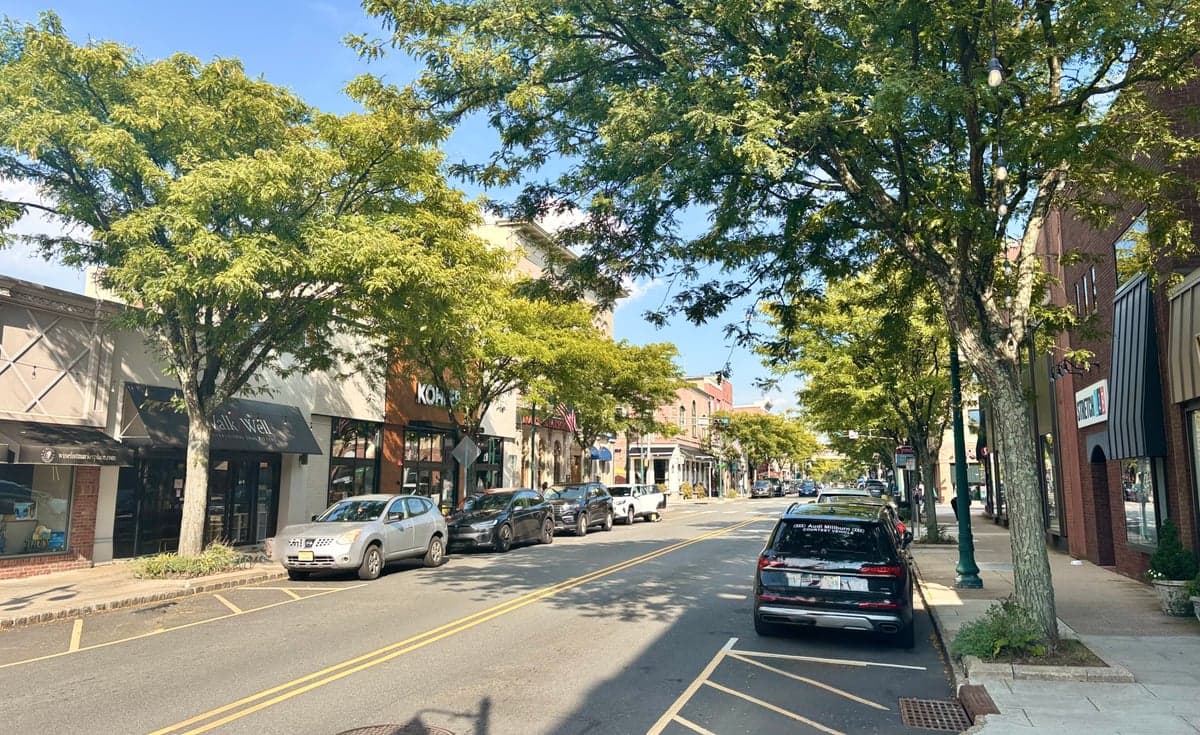
Summit, New Jersey, has a way of feeling like a small New England town that somehow landed a ten-minute train ride from Manhattan. It’s the kind of place where you’ll see kids walking to school in the morning and neighbors chatting over the fence by afternoon, but the local coffee shop is just as likely to have someone tapping away on a laptop for a Wall Street firm. The vibe is polished but not pretentious, family-focused but not sleepy, and the whole community seems to run on a quiet, steady hum of activity.
The Daily Rhythm: Trains, Town Center, and the School Calendar
For most residents, the day starts with a walk or a short drive to the Summit train station. The commute to Midtown Manhattan averages about 35 minutes, which is competitive for New Jersey suburbs, and the station itself is a hub of morning energy—commuters grabbing coffee at Bourbon Coffee or a breakfast sandwich at The Committed Pig. By 6:30 PM, the platform is full again with people returning home, many stopping at the Summit Farmers Market (Thursdays from June to October) or grabbing takeout from Pita Grill or Thai Summit. Weekends are slower: families hit the Summit Community Center for youth sports, or head to Briant Park for a game of pickup soccer. The Summit Diner, a classic stainless-steel diner from the 1930s, is a weekend institution for pancakes and eggs.
The school calendar essentially dictates the social rhythm. With a median age of 40.6 and over 72% of adults holding a college degree, the town is built around its highly-rated public schools. Friday night football games at Tatlock Field are a genuine community event—the Summit Hilltoppers are a big deal, and the stands are packed with parents, alumni, and local businesses sponsoring the team. Basketball and lacrosse also draw strong crowds, but football is the anchor of the fall season.
What’s There to Do: Parks, Pints, and a Surprising Arts Scene
Outdoor life is a bigger deal here than you might expect for a commuter suburb. Reeves-Reed Arboretum is a 13-acre gem with walking trails and a historic garden that feels a world away from the train station. Watchung Reservation, a 2,000-acre county park just north of town, offers serious hiking, horseback riding, and the Trailside Nature & Science Center. For something more social, the Summit Playhouse puts on community theater productions, and The Loop—a stretch of Maple Street and Springfield Avenue—has a handful of bars like Hunt’s Tavern (a local dive with a loyal following) and Boxwood (a more polished wine bar). The Summit Music Festival in July brings classical and jazz concerts to the town green, and the Summit Old Guard parade on Memorial Day is a tradition that’s been running for over a century.
For shopping, the downtown is compact but well-stocked: Kings Food Markets for groceries, Summit Books for independent titles, and a handful of boutiques like Lululemon and Vine & Branco. It’s not a shopping destination, but it’s enough for daily needs without driving to the Short Hills Mall (which is 10 minutes away anyway).
Pros and Cons of Living Here
Let’s be honest: the biggest pro is the combination of a strong community feel and a genuinely easy commute to New York. The schools are excellent, the crime rate is low (violent crime sits at about 107.8 per 100,000, well below the national average), and the town is walkable in a way that’s rare for New Jersey suburbs. The median household income of $199,107 reflects the professional, educated population, and that shows in the quality of local services, parks, and programming.
The biggest con is the cost. The median home value is $969,900, and the cost of living index is 257—more than two and a half times the national average. Property taxes are high (New Jersey’s are the highest in the country), and that’s a recurring frustration for longtime residents who’ve seen their tax bills climb steadily. Traffic on Springfield Avenue and Morris Avenue can be a slog during rush hour, and parking in the downtown can be tight on weekends. Another honest downside: the town can feel a bit homogeneous. It’s overwhelmingly white-collar, and while there’s diversity in income levels, the social scene leans heavily toward families with school-age kids. Singles and empty-nesters sometimes find the social options limited—there’s no real nightlife beyond a few bars, and the dating scene is thin.
Weather-wise, you get four distinct seasons. Summers are warm and humid, with plenty of outdoor festivals and pool days at the Summit Pool. Winters are cold and snowy enough to shut down schools a few times a year, but the town plows quickly. Fall is the sweet spot, with crisp air and brilliant foliage in the surrounding reservations.
Summit isn’t for everyone. If you want a vibrant nightlife, a diverse social scene, or a lower cost of living, you’ll be frustrated. But if you’re looking for a safe, well-run, family-oriented community where you can walk to the train and still have a yard, it’s hard to beat. The people who thrive here are the ones who value routine, community involvement, and the trade-off of high taxes for excellent schools and a short commute. It’s a place where you’ll know your neighbors, cheer for the Hilltoppers, and probably never want to leave.

Similar towns to Summit

* Values derived from national, state, county, city and local statistics and may differ in a specific area. Last updated: 2026-11-09T06:05:59.000Z
Narrative content on this page is AI-generated and may contain mistakes. Verify any details that matter before acting on them.
ReloMaps may earn a commission from affiliate links at no extra cost to you.

