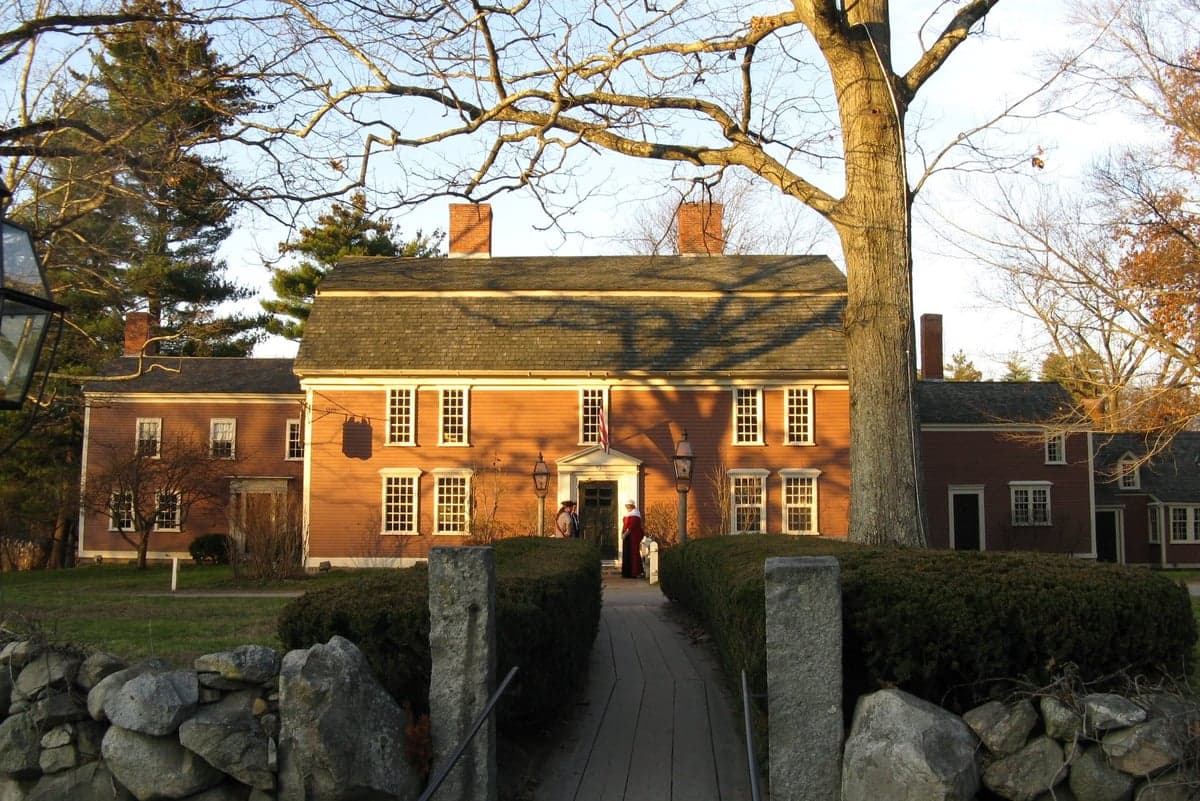
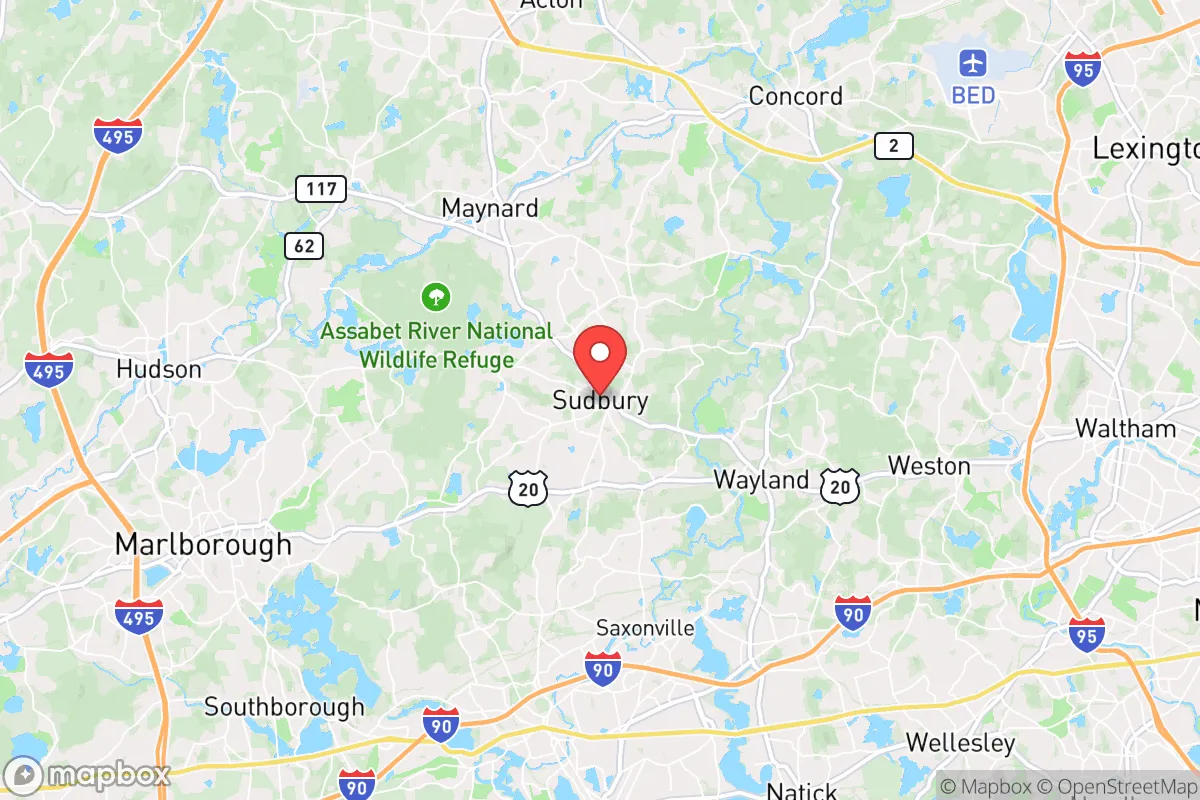
Photo: Wikipedia
Demographics of Sudbury, MA
Affluence Level in Sudbury, MA
A wealthy area with high-earning, well-educated households. Incomes, home values, and educational attainment meaningfully outpace national averages.
People of Sudbury, MA
Today, Sudbury, Massachusetts is a highly educated, predominantly white suburb of 6,226 residents, with a distinctive character shaped by its colonial roots and modern affluence. The town is known for its large-lot zoning, historic preservation, and top-ranked public schools, attracting families who prioritize space and academic excellence. With 81.8% of adults holding a college degree and a median household income well above the state average, Sudbury’s population is notably homogeneous in socioeconomic status, even as its ethnic composition has begun to diversify modestly in recent decades.
How the city was settled and grew
Sudbury was first settled in 1638 by English Puritan families from Watertown and Concord, drawn by the fertile meadows along the Sudbury River. The original land grants created a dispersed pattern of farmsteads, with the historic center forming around what is now Sudbury Center, where the First Parish Church and town common remain. During the 18th and 19th centuries, the population remained small and overwhelmingly English in origin, with a handful of Irish immigrants arriving to work on the railroad and in local mills. The town’s growth was slow through the early 1900s, reaching just 1,500 residents by 1930. The post-World War II era brought the first significant wave of newcomers: returning veterans and their families, many of Irish and Italian descent from nearby Boston, who built homes in the North Sudbury area along Route 117. These families were drawn by affordable land and the promise of a rural lifestyle within commuting distance of the city.
Modern era (post-1965)
The passage of the Immigration and Nationality Act of 1965 had little immediate effect on Sudbury, which remained overwhelmingly white through the 1970s. The real demographic shift began in the 1980s and 1990s, as high-tech corridors along Route 128 and the Massachusetts Turnpike made Sudbury attractive to professionals working in the burgeoning tech and biotech sectors. This period saw the first notable influx of East/Southeast Asian families—primarily of Chinese and Korean ancestry—who settled in the Willow Brook and Horseshoe Pond neighborhoods, drawn by the school system and large homes. Indian-subcontinent families began arriving in the 2000s, concentrating in newer subdivisions off Route 20 near the Wayland line, particularly around Marlboro Road. Today, East/Southeast Asian residents make up 9.3% of the population, and Indian-subcontinent residents account for 3.8%, together representing the largest non-white groups. The Hispanic population (4.7%) and Black population (0.9%) remain small, with most Hispanic families living in the South Sudbury area near the Framingham border, where housing is slightly more affordable. The foreign-born share of 5.8% is low by Massachusetts standards, reflecting the town’s high cost of entry and limited rental housing.
The future
Sudbury’s population is projected to remain stable in size, with modest growth driven by infill development and the aging of existing residents. The town’s demographic future points toward slow diversification, primarily through continued in-migration of Asian and Indian-subcontinent families who can afford the high housing costs—median home prices exceed $1 million. The Willow Brook and Marlboro Road areas are likely to see further concentration of these groups, while the older, established white population in Sudbury Center and North Sudbury will continue to age in place. The Hispanic and Black populations are expected to grow only incrementally, as Sudbury lacks the rental stock and transit access that typically attract more diverse communities. The town’s cultural identity is evolving from a historically Yankee enclave into a more cosmopolitan, professionally oriented suburb, but the pace of change is slow. Zoning restrictions and a strong preservation ethos will likely keep Sudbury’s character—and its demographic profile—relatively stable over the next two decades.
For someone moving in now, Sudbury offers a stable, high-opportunity environment with excellent schools and low crime, but it remains a place where diversity is measured in single digits and the cost of entry is steep. The town is becoming slightly more multicultural at the top of the income scale, but it is not trending toward the broad ethnic variety seen in nearby Framingham or Marlborough. New residents should expect a community that values tradition, privacy, and academic achievement, with a demographic trajectory that is more about gradual refinement than rapid change.

* Values derived from national, state, county, city and local statistics and may differ in a specific area. Last updated: 2026-10-12T22:13:34.000Z
Narrative content on this page is AI-generated and may contain mistakes. Verify any details that matter before acting on them.
ReloMaps may earn a commission from affiliate links at no extra cost to you.

