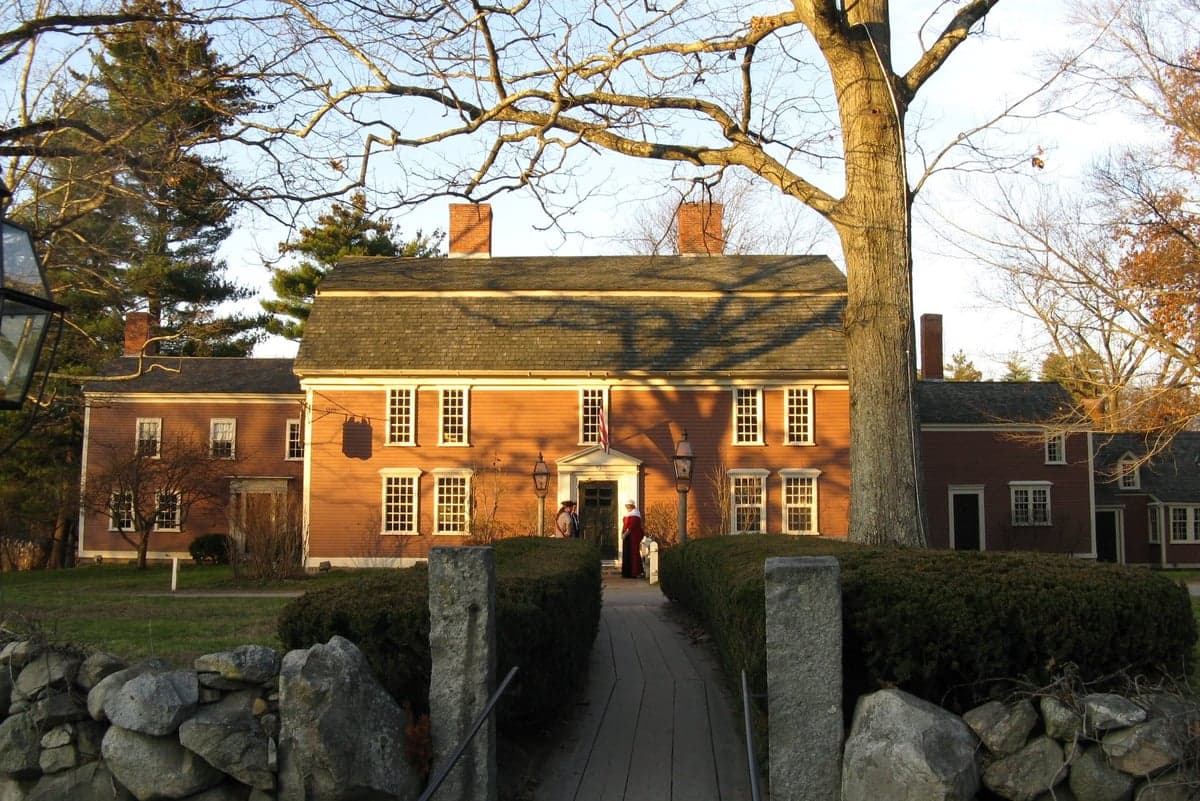
Photo: Wikipedia
Strategic Assessment of Sudbury, MA
Multiple tactical vulnerabilities. Population density, target proximity, or disaster risk are likely compounding. A retreat property and exit planning is required.
What does the Strategic Assessment tell us?
Our Strategic Assessment grades tactical survivability of an area. Major population centers, military targets, fallout zones, natural disasters, and border exposure all drive risk — lower exposure means a more defensible position in a crisis.
This is heavily inspired by Joel Skousen's Strategic Relocation book. Highly recommended you checkout the book ($)What does this tell us?
Our Strategic Assessment grades tactical survivability of an area. Major population centers, military targets, fallout zones, natural disasters, and border exposure all drive risk — lower exposure means a more defensible position in a crisis.
This is heavily inspired by Joel Skousen's Strategic Relocation book. Highly recommended you checkout the book ($)Strategic Pillars
Key Distances
Regional Safe Places
Below is our recommended "safe zones" in Massachusetts and the surrounding area based on our strategic heuristics. For most people, it's unrealistic to live in a “safe zone” full-time due to work, family or other personal reasons. They tend to be more rural. However, many of these areas are perfect for second homes and retreat properties that double as a vacation home or even a short-term rental.
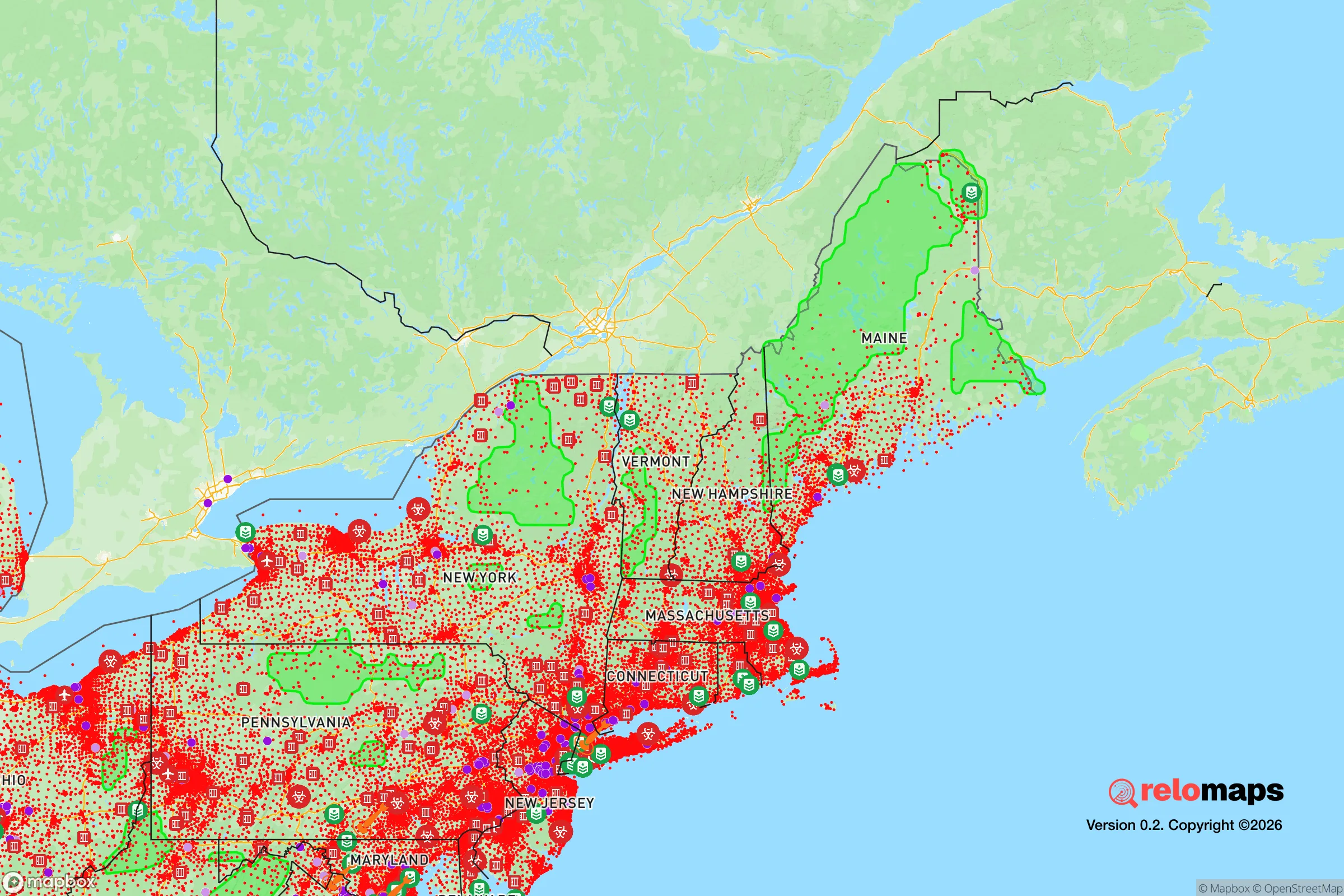
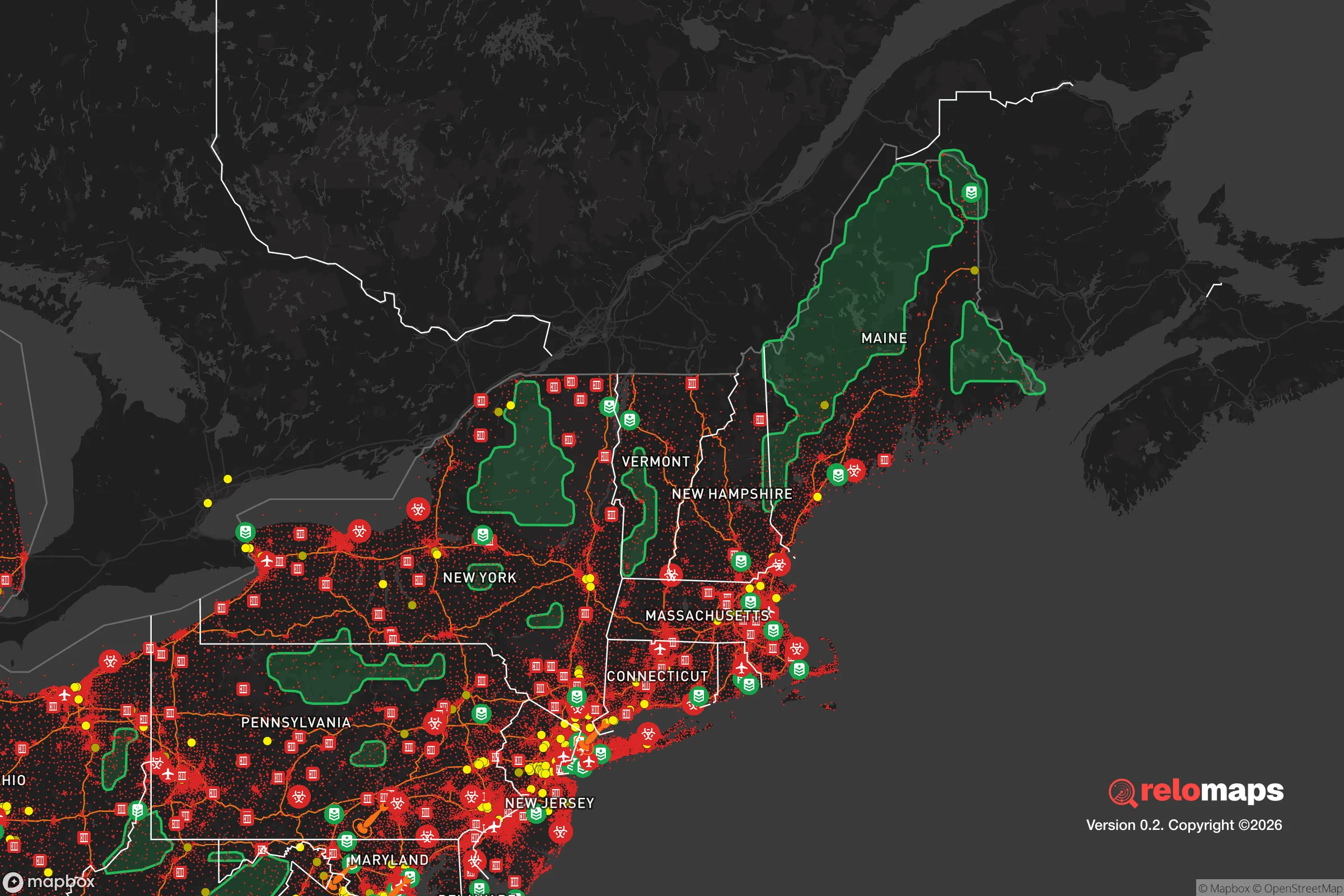


Important Note: For informational purposes only. This does not mean nothing bad ever happens in the green zones. Please use common sense. This is based on public data and modeled with AI. We tried to take a conservative approach but mistakes happen. We update this regularly as new information becomes available.
Solar Generator Recommendations
Backup power matters more here than in safer locations. We've picked three solar generators across budgets and capacity tiers — start with the budget unit if you only need a few essentials, or step up if you want to run a fridge and HVAC for days at a time.
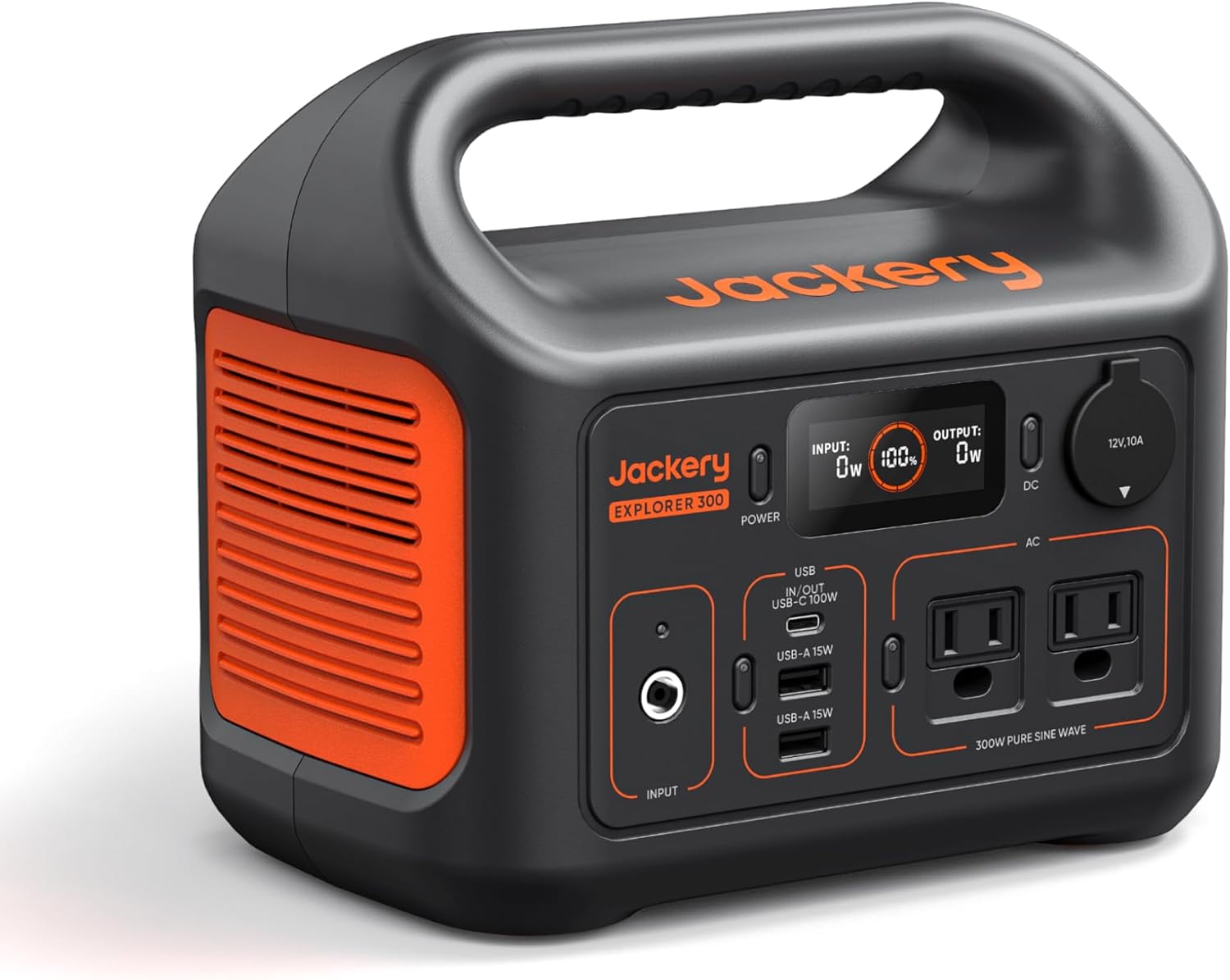
Jackery Portable Power Station Explorer 300
Budget OptionPower on the Go: Weighing only 11 lbs, it's convenient to set up and store with book-sized foldable solar panels

BLUETTI Portable Power Station AC180
Designed for both indoor and outdoor scenarios, AC180 is highly capable as it has a robost capacity and continuous output power.

EF ECOFLOW DELTA Pro Ultra Power Station
Upgraded PickEcoFlow DELTA Pro Ultra is a whole-home energy system designed to grow with your family. Integrated with the Smart Home Panel 2, it scales to meet your evolving energy needs — keeping your home powered, intelligent, and secure through every stage of life.
We earn a commission, at no additional cost to you.
Strategic Assessment Analysis
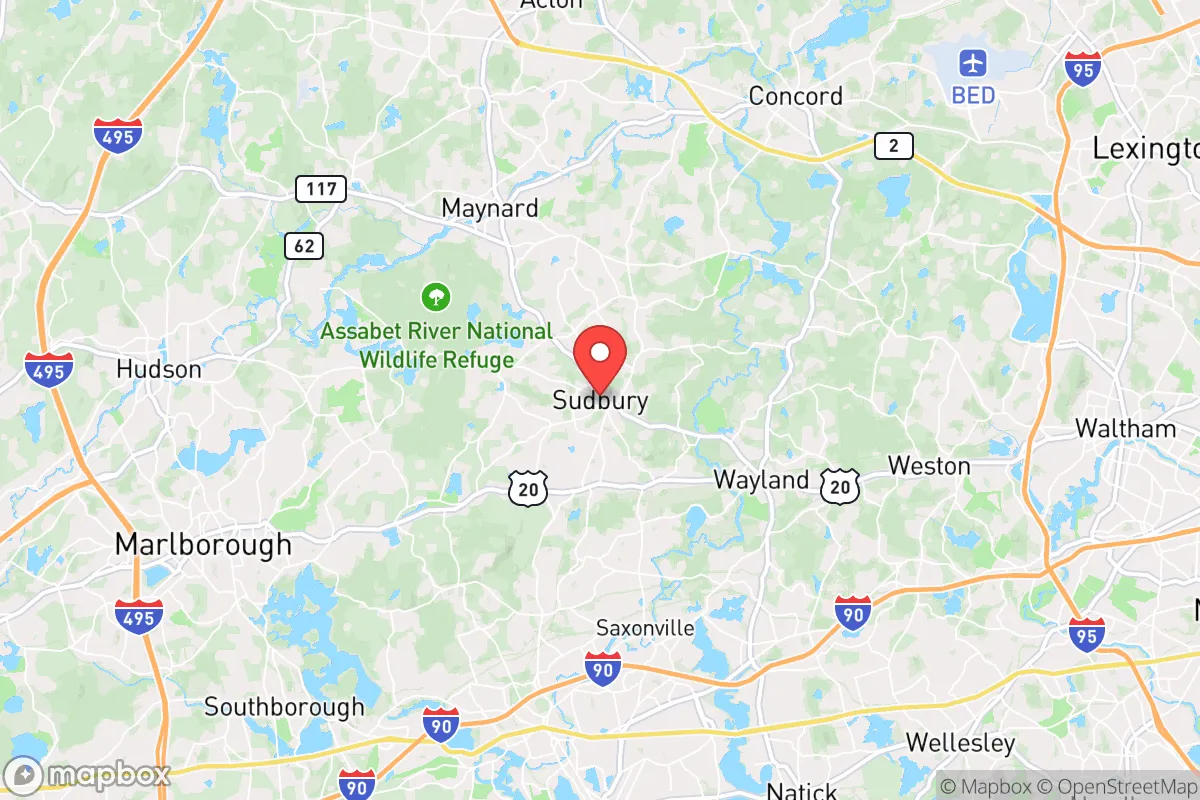
Sudbury, Massachusetts, occupies a strategic middle ground that appeals to relocation-minded readers who value both access to Boston’s economic engine and a buffer from its densest vulnerabilities. Its location roughly 20 miles west of downtown Boston places it outside the immediate blast and fallout zones of a major urban event, while still within a reasonable commute for work and services. The town’s resilience profile is shaped by its position in the MetroWest region, its natural geography, and a community that has historically prioritized open space and local governance.
Geographic position and natural advantages for disaster readiness
Sudbury sits on a plateau of rolling hills and glacial deposits, with elevations ranging from roughly 150 to 300 feet above sea level. This terrain provides natural drainage and reduces the risk of catastrophic flooding compared to towns directly on the Charles or Sudbury Rivers. The town is bisected by the Sudbury River, but most residential areas are set back on higher ground. The surrounding landscape is heavily forested, with over 2,000 acres of conservation land, including the Sudbury Valley Trustees’ holdings and the Great Meadows National Wildlife Refuge. These green spaces serve as natural buffers against wildfire spread and provide potential foraging and water sources in a prolonged emergency. The area’s geology is predominantly till and bedrock, which limits groundwater contamination from surface events and supports well water for properties outside municipal service areas. Sudbury’s position in the MetroWest corridor also means it is not directly downwind of major industrial or nuclear facilities in the Boston area, reducing fallout exposure from a coastal or urban incident. Prevailing winds from the west and southwest typically carry airborne hazards away from the town, though a major event at the Seabrook Nuclear Power Plant in New Hampshire (roughly 50 miles northeast) could pose a risk under certain wind conditions.
Risks, exposures, and proximity to fallout-relevant landmarks
Sudbury’s primary man-made risk stems from its proximity to Boston and the associated transportation and infrastructure corridors. Interstate 495 runs just west of town, and Route 20 and the Massachusetts Turnpike (I-90) are within a 10-minute drive. These highways are likely evacuation routes and potential chokepoints during a crisis, but they also make Sudbury a transit corridor for emergency services and supply chains. The town is roughly 15 miles from the Hanscom Air Force Base (a major military airfield) and 20 miles from the Boston Logan International Airport, both of which could be targets in a conflict scenario. However, Sudbury is not directly under any major flight paths, and its distance from the urban core reduces the likelihood of being caught in a ground-zero blast radius. The area has no active nuclear power plants within 30 miles, though the Pilgrim Nuclear Power Station in Plymouth (about 45 miles southeast) is decommissioned, and Seabrook remains operational. A major release from Seabrook would require a specific wind pattern to affect Sudbury, but the town’s emergency management plan includes shelter-in-place protocols for such events. Natural risks are moderate: the region experiences occasional nor’easters, ice storms, and the rare tornado (the 2021 EF-1 tornado that struck nearby Stow and Sudbury is a recent reminder). Flooding along the Sudbury River is a recurring issue, but most homes are built on higher ground, and the town’s floodplain maps are well-defined. Earthquake risk is low, as the area sits on stable continental crust.
Practical resilience for a relocator: food, water, energy, and defensibility
For a relocator focused on self-sufficiency, Sudbury offers a mix of strengths and limitations. Water access is a key advantage: roughly 40% of Sudbury homes rely on private wells, and the town’s municipal water system draws from the Sudbury River and local aquifers. Well owners have direct control over their water supply, though they must maintain backup power for pumps. The town’s water table is generally reliable, with average well depths of 100–200 feet. Food production is feasible on the town’s larger lots (minimum zoning is 1 acre in many areas, with some 2-acre zones). The growing season runs from late April to mid-October, and the area’s loamy soils support vegetable gardens, fruit trees, and small livestock. Sudbury has a strong agricultural history, and the town’s conservation land includes community gardens and farm stands. However, large-scale farming is limited by suburban development. Energy resilience is moderate: Sudbury is served by Eversource, and power outages from storms are common (typically 2–4 per year, lasting a few hours to a day). Solar adoption is growing, with many homes installing rooftop panels and battery storage (e.g., Tesla Powerwall). The town’s zoning allows for backup generators, and propane delivery is widely available. Defensibility is a mixed picture: Sudbury’s layout is suburban, with winding roads and cul-de-sacs that can slow vehicle access but also create natural chokepoints. The town has a well-funded police department (about 30 officers) and a volunteer fire department supplemented by mutual aid from neighboring towns. The community is tight-knit, with active neighborhood watch programs and a strong civic culture. However, the town’s proximity to major highways means it is not easily isolated, and a determined adversary could reach it within 30 minutes from Boston. For a relocator, the best defensive strategy is to choose a home on a dead-end road with good sightlines and a defensible perimeter, which is feasible given the town’s layout.
The overall strategic picture for Sudbury is one of moderate resilience with significant practical advantages for a prepared relocator. Its distance from Boston’s core reduces exposure to urban risks, while its natural geography and conservation land provide buffers and resources. The town’s well water, agricultural potential, and growing solar infrastructure support a degree of self-sufficiency, though reliance on regional supply chains and power grids remains a vulnerability. For a family or individual willing to invest in backup systems (generator, well pump, solar, food storage), Sudbury offers a defensible, resource-rich base within striking distance of urban amenities. The key trade-off is access versus isolation: you are close enough to Boston for work and services, but far enough to avoid the worst of a metropolitan crisis. For the conservative-leaning reader who values preparedness without abandoning professional opportunities, Sudbury represents a balanced, actionable choice in the MetroWest corridor.

* Values derived from national, state, county, city and local statistics and may differ in a specific area. Last updated: 2026-10-12T22:13:34.000Z
Narrative content on this page is AI-generated and may contain mistakes. Verify any details that matter before acting on them.
ReloMaps may earn a commission from affiliate links at no extra cost to you.

