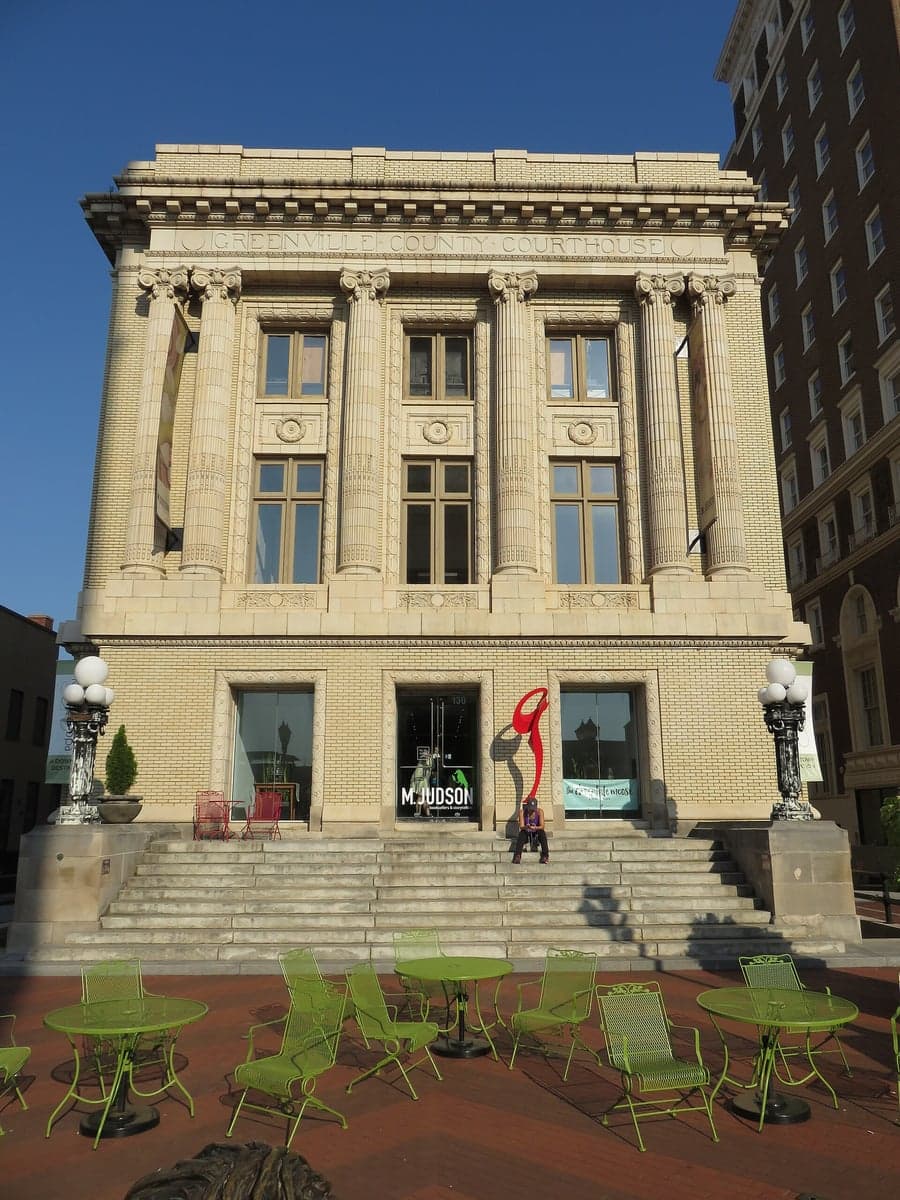
Photo: Wikipedia
Quality of Life in Greenville County
A livable area that tracks near national norms for affordability, walkability, and neighborhood health.
What does Quality of Life tell us?
Quality of Life measures an area by evaluating factors like cost of living, nearby amenities, country club access, airport proximity, socioeconomic signals and neighborhood character. For large states, this is a general average — quality of life can vary dramatically between metro areas, suburbs, and rural communities within the same state.
What does this tell us?
Quality of Life measures an area by evaluating factors like cost of living, nearby amenities, country club access, airport proximity, socioeconomic signals and neighborhood character. For large states, this is a general average — quality of life can vary dramatically between metro areas, suburbs, and rural communities within the same state.
Cost of Living
1% above national average
95%
The Real Cost of Living in Greenville County for 2026
| Tier | Individual | Family (4) |
|---|---|---|
| Survival | $19k | $36k |
| Comfortable | $53k | $78k |
| Luxury | $135k+ | $209k+ |
| Elite (Top 5%) | $171k+ | $265k+ |
Quality-of-Life Analysis
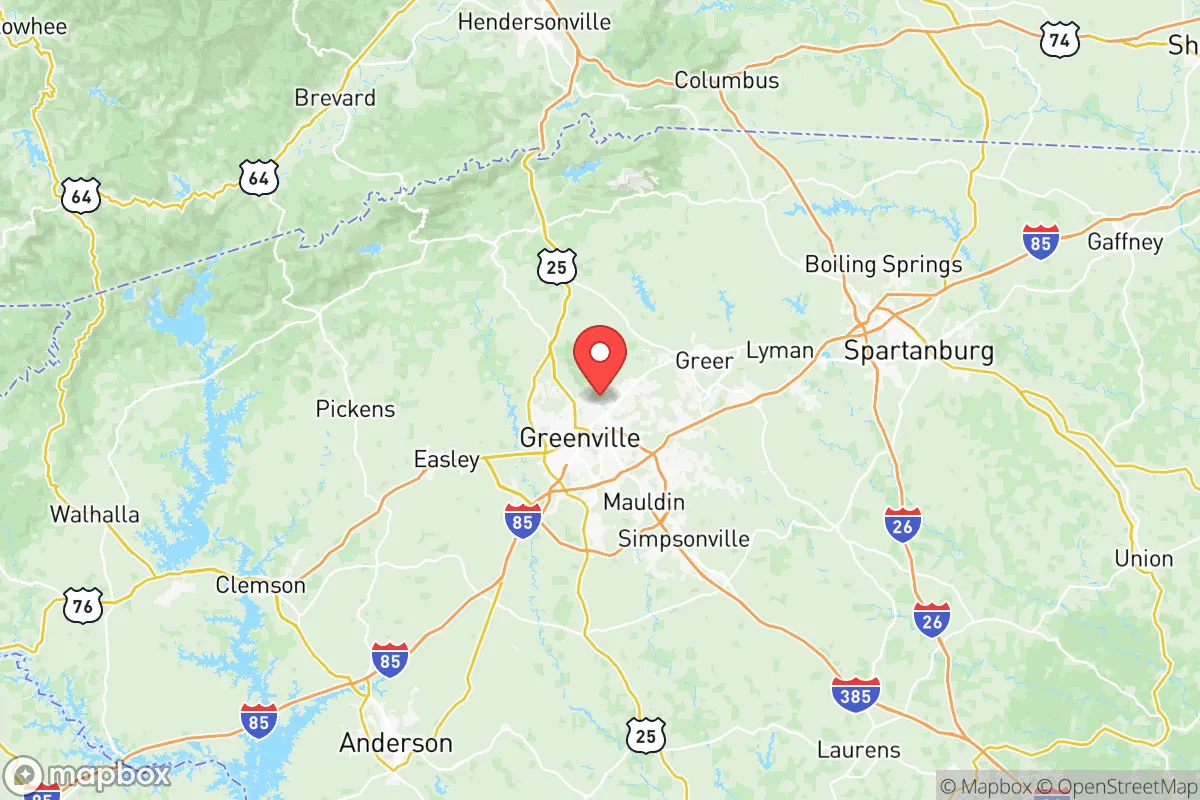
Greenville County offers a diverse quality-of-life spectrum stretching from the high-rise downtown core of Greenville city to unincorporated mountain communities and small textile towns. The county draws young professionals and families seeking urban walkability to its downtown core, while retirees, equestrian enthusiasts, and remote workers gravitate toward the quieter foothills of the Blue Ridge Escarpment. With a cost-of-living index of 101 (on par with the national average) and a median home value of $273,900, the county presents a range of housing and lifestyle options within a single jurisdiction.
Largest town(s) & population centers
Greenville city proper is the county’s anchor, with a revitalized downtown featuring the Swamp Rabbit Trail, Falls Park on the Reedy, and a dense concentration of restaurants, breweries, and professional offices. Daily life here is walkable within the downtown core, with a median rent of $1,198 reflecting the premium for proximity to amenities. The planned communities of Simpsonville and Mauldin form the southwestern suburban ring, attracting families with top-rated public schools like Hillcrest High and Mauldin High. Simpsonville’s downtown has a historic square with seasonal events, while Mauldin offers a more commuter-oriented feel with hundreds of new single-family subdivisions. Greer, straddling the Spartanburg County line, has experienced explosive growth near the BMW manufacturing plant and the new Milestone mixed-use development, giving it a distinct employment-driven character. The average commute across the county is approximately 24 minutes, with most commutes from the suburban ring to downtown Greenville or to the Interstate 85 corridor running 20–30 minutes.
Smaller towns & rural pockets
North of Greenville city, Travelers Rest has evolved into a gateway for outdoor recreation, with direct access to the Swamp Rabbit Trail, Paris Mountain State Park, and nearby Caesars Head. Its population has grown steadily as a bedroom community, but it retains a small-town feel with a walkable main street. Further north, the unincorporated communities of Marietta and Cleveland sit in the foothills of the Blue Ridge Mountains, offering rural acreage, horse farms, and significant privacy. These areas are zoned for larger lots and have limited commercial development, appealing to those seeking a slower pace. Fountain Inn, in the southern part of the county, provides a classic small-town downtown with a farmers market and annual festivals, while still being a short drive to the amenities of Simpsonville and Greenville. Taylors, an unincorporated area east of Greenville, blends suburban subdivisions with older ranch-style homes along Wade Hampton Boulevard and is a popular choice for families seeking lower property taxes without city services.
Cost & lifestyle range
The cost of living varies noticeably across the county. In the downtown Greenville core, a typical single-family home commands a premium, often exceeding the county median of $273,900 by $50,000–$100,000, while condos under $300,000 are still available in the periphery. By contrast, Marietta and Cleveland offer homes on multi-acre lots in the $250,000–$350,000 range, though inventory is limited and well water/septic systems are common. Simpsonville and Mauldin represent the middle ground: new construction townhomes start around $280,000, and established homes in the 1990s subdivisions run $200,000–$260,000. Renters in Travelers Rest and Taylors can find apartments and duplexes near the $1,198 county median, but downtown Greenville studio apartments often exceed $1,500. The low end of the housing market is concentrated in older mill villages like Piedmont (southwest corner of the county) and the West Greenville neighborhood, where fixer-uppers can fall below $180,000, though these areas are seeing rapid reinvestment. Rural pockets in Dacusville and Tigerville offer the lowest home prices but also the longest commutes to employment centers, with limited grocery and healthcare access.
Families, retirees, and young professionals all find a niche in Greenville County, provided they align their expectations with the area’s specific trade-offs. The county’s cost-of-living index of 101 means it is not a bargain compared to the Deep South, but it offers significantly lower housing costs than major metros like Charlotte or Atlanta. Those who thrive here typically value a mix of outdoor recreation, employment diversity, and suburban amenities, and are willing to accept a moderate commute to access the downtown core or the I-85 job corridor.

Crime in Greenville County
Crime rates similar to the national median for U.S. locations.
Violent CrimeViolent Crime Analysis
Property CrimeProperty Crime Analysis
Crime Analysis
Greenville County, South Carolina, presents a mixed safety picture: its overall crime rates sit below the national average for violent offenses but above it for property crimes, with significant variation across the county's 14 municipalities and unincorporated areas. The county's violent crime rate of 375.2 per 100,000 residents is notably lower than the national average of 380.7, while its property crime rate of 1,649.6 per 100,000 exceeds the national figure of 1,954.4. These aggregate numbers, however, mask sharp contrasts between the urban core of Greenville city and its rapidly growing suburban towns like Simpsonville, Greer, and Mauldin.
Crime in context
When compared to South Carolina's statewide violent crime rate of 492.3 per 100,000, Greenville County's 375.2 figure is a meaningful improvement, placing it among the safer large counties in the Upstate region. The property crime rate of 1,649.6 per 100,000 is also below the state average of 2,101.4, though it remains elevated relative to the national benchmark. These statistics reflect a county that benefits from the economic growth of the Greenville-Spartanburg-Anderson Combined Statistical Area, which has attracted new residents and businesses while maintaining relatively stable crime trends. However, the county's 13th Circuit Solicitor's Office, which prosecutes cases in Greenville County, has faced scrutiny from conservative watchdogs for its handling of repeat offenders, with critics arguing that progressive diversion programs and plea-bargaining practices have contributed to recidivism rates that keep property crime above desirable levels.
What residents experience
Daily life in Greenville County varies dramatically by location. In the city of Greenville itself, residents report higher instances of vehicle break-ins, package thefts, and occasional gang-related violence concentrated in neighborhoods like Nicholtown and the West Greenville corridor. Suburban communities such as Simpsonville and Five Forks consistently record violent crime rates below 200 per 100,000, making them attractive to families relocating from higher-crime metros. Greer, straddling the Greenville-Spartanburg county line, has seen its property crime rate rise 12% since 2020, driven largely by retail theft at the growing Magnolia Park shopping district. Mauldin and Fountain Inn maintain the lowest overall crime rates in the county, with violent incidents rarely exceeding 150 per 100,000. The unincorporated areas near Travelers Rest and the Blue Ridge Mountains offer rural tranquility but limited law enforcement coverage, with response times sometimes exceeding 20 minutes for non-emergency calls.
Neighborhood-level variation is pronounced. The downtown Greenville central business district, while heavily patrolled, sees elevated larceny rates due to tourist foot traffic and parking deck thefts. Conversely, gated communities in the Eastside and Pelham Road corridors report crime rates comparable to the safest suburbs nationally. Residents considering relocation should examine block-level data from the Greenville County Sheriff's Office, which publishes monthly crime maps showing that 80% of violent incidents occur within a 3-mile radius of the city center. The county's judicial climate, overseen by elected solicitors who have increasingly embraced restorative justice programs, has drawn criticism from public safety advocates who argue that lenient sentencing for property crimes undermines deterrence. For families prioritizing safety, the suburban towns of Simpsonville and Mauldin offer the best balance of low crime rates, responsive police departments, and proximity to Greenville's amenities.
* Values derived from national, state, county, city and local statistics and may differ in a specific area. Last updated: 2026-07-26T22:01:46.000Z
Narrative content on this page is AI-generated and may contain mistakes. Verify any details that matter before acting on them.
ReloMaps may earn a commission from affiliate links at no extra cost to you.

