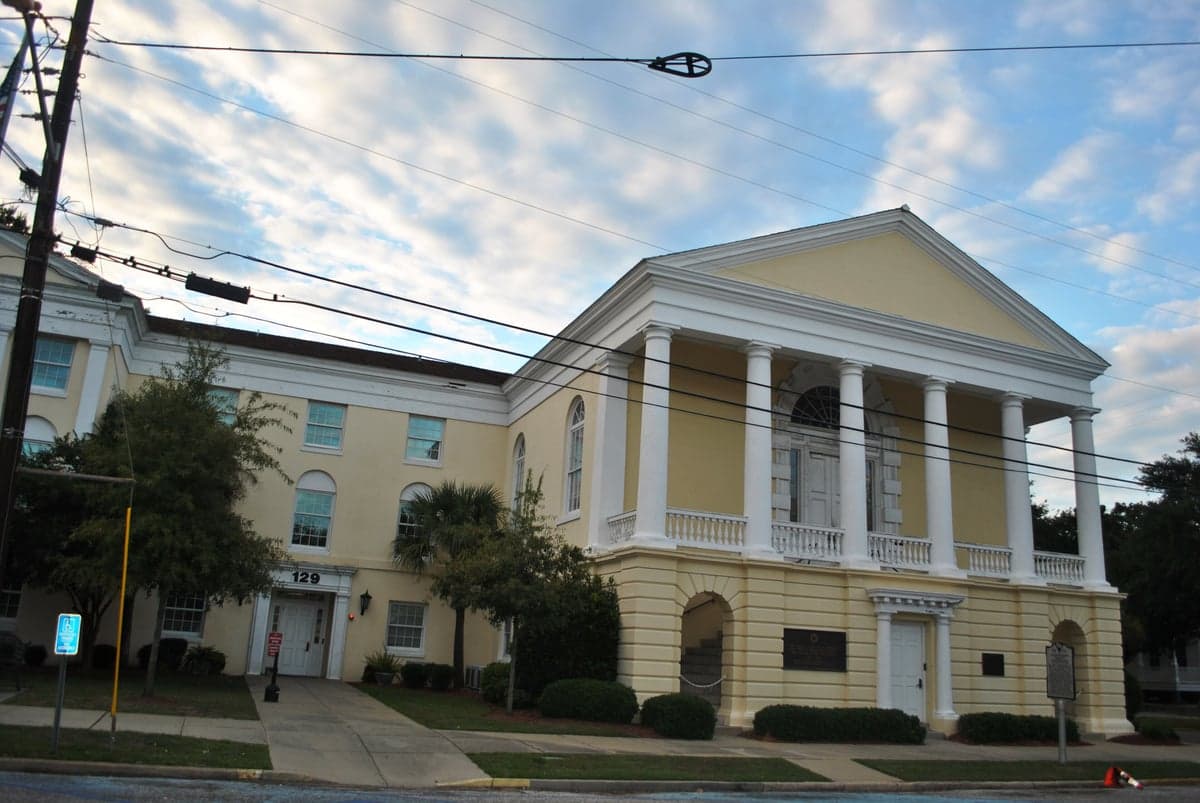
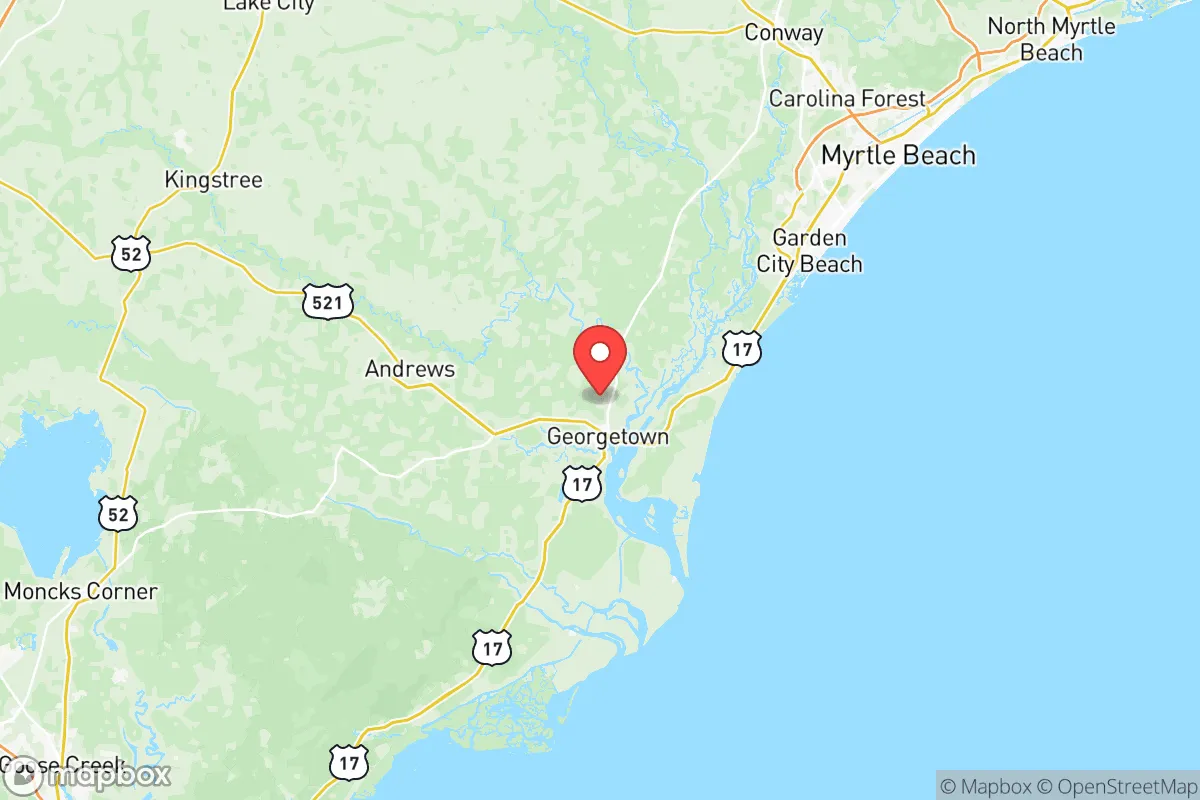
Photo: Wikipedia
Quality of Life in Georgetown County
A livable area that tracks near national norms for affordability, walkability, and neighborhood health.
What does Quality of Life tell us?
Quality of Life measures an area by evaluating factors like cost of living, nearby amenities, country club access, airport proximity, socioeconomic signals and neighborhood character. For large states, this is a general average — quality of life can vary dramatically between metro areas, suburbs, and rural communities within the same state.
What does this tell us?
Quality of Life measures an area by evaluating factors like cost of living, nearby amenities, country club access, airport proximity, socioeconomic signals and neighborhood character. For large states, this is a general average — quality of life can vary dramatically between metro areas, suburbs, and rural communities within the same state.
Cost of Living
3% below national average
89%
The Real Cost of Living in Georgetown County for 2026
| Tier | Individual | Family (4) |
|---|---|---|
| Survival | $19k | $35k |
| Comfortable | $51k | $75k |
| Luxury | $121k+ | $187k+ |
| Elite (Top 5%) | $170k+ | $264k+ |
Quality-of-Life Analysis
Georgetown County, South Carolina, offers a broad quality-of-life spectrum that ranges from the historic, walkable riverfront of its county seat to quiet, unincorporated coastal communities and deep-rural timberland. The county draws retirees and second-home buyers to its beach-adjacent towns, while families and commuters gravitate toward the more affordable inland corridors, and agricultural workers and long-time residents occupy the rural stretches between the Pee Dee and Waccamaw rivers. With a cost-of-living index of 97 (100 = U.S. average), a median home value of $262,300, and a median rent of $1,166, the county sits slightly below the national average, though prices vary significantly by location.
Largest town(s) & population centers
Georgetown, the county seat and largest municipality (pop. ~9,500), anchors the county's historic and economic core. Daily life here centers on the Harborwalk along the Sampit River, a National Register Historic District lined with antebellum homes, independent bookstores, and seafood restaurants. The town's walkable downtown and proximity to the Waccamaw Neck make it popular with retirees and remote workers. Murrells Inlet (unincorporated, pop. ~9,000) is the county's second major population node, known as the "Seafood Capital of South Carolina." Its MarshWalk, a boardwalk of restaurants and bars overlooking the salt marsh, draws tourists and locals alike, and the area has a higher concentration of vacation rentals and second homes. Pawleys Island (town pop. ~100, but the broader Pawleys Island area is home to roughly 10,000 residents) is a historic beach community with a strict no-commercial-development ethos on the island itself, while the mainland side along Highway 17 is lined with golf-course communities, shopping centers, and medical offices. The average commute across the county is 28.4 minutes, with most residents driving to jobs in Georgetown proper, Myrtle Beach (Horry County), or the growing commercial corridor along Highway 17 near the county line.
Smaller towns & rural pockets
Andrews (pop. ~2,600), in the county's northwestern corner near the Williamsburg County line, is a former railroad and timber town that now serves as a low-cost bedroom community. Its downtown is modest, with a few local diners and a Piggly Wiggly, and many residents commute to Georgetown or Kingstree. Pawleys Island (the town proper) remains a tiny, car-free summer colony with no commercial district, while the unincorporated Debordieu Colony is a gated beachfront enclave of high-end homes and a private golf club. Plantersville (unincorporated, pop. ~1,200) is a rural African American community with deep Gullah Geechee roots, located inland between Georgetown and Pawleys Island, where many residents have lived for generations. Burgess and Pleasant Hill are smaller crossroads communities in the county's western farm belt, where soybeans, corn, and timber are the dominant land uses and housing stock consists largely of mobile homes and older single-family houses on acreage.
Cost & lifestyle range
The cost spread across Georgetown County is wide. At the high end, Debordieu Colony and the Pawleys Island beachfront have median home values well above $600,000, with many properties exceeding $1 million; these areas attract affluent retirees, investors, and seasonal residents who prioritize ocean access and privacy. The Murrells Inlet waterfront and golf-course communities like Wachesaw Plantation and Pawleys Plantation fall in the $350,000–$550,000 range, appealing to mid-to-upper-income professionals and second-home buyers. In contrast, Andrews and rural Plantersville have median home values around $150,000–$180,000, with rents often below $900, making them accessible to service workers, young families, and long-time residents on fixed incomes. The county's overall median home value of $262,300 and median rent of $1,166 reflect this middle ground, but a buyer looking for a move-in-ready single-family home under $200,000 will likely need to look inland, away from the coast. Property taxes are relatively low (South Carolina's average effective rate is 0.57%), but flood insurance is mandatory in most coastal zones and can add $1,500–$4,000 annually.
Georgetown County works best for people who want a genuine Lowcountry setting — historic towns, working waterfronts, and rural landscapes — without the crowds and prices of Myrtle Beach or Charleston. Retirees and remote workers thrive in Georgetown's walkable historic district or Pawleys Island's golf communities; families and first-time buyers find affordability in Andrews and the inland corridor; and those seeking a quiet, land-based life fit naturally into the rural pockets west of Highway 17. The county's mix of Gullah Geechee heritage, beach tourism, and working-class agriculture means no single demographic dominates, and the lifestyle options are correspondingly diverse.

Crime in Georgetown County
Crime rates similar to the national median for U.S. locations.
Violent CrimeViolent Crime Analysis
Property CrimeProperty Crime Analysis
Crime Analysis
Georgetown County, South Carolina, presents a mixed safety profile that varies significantly between its coastal tourist hubs and inland rural communities. The county's violent crime rate of 373.9 per 100,000 residents and property crime rate of 1,645.9 per 100,000 place it above national averages, though these figures are heavily influenced by conditions in specific municipalities. Understanding where crime concentrates and how local law enforcement and judicial approaches differ across the county is essential for anyone considering relocation to this historic Lowcountry region.
Crime in context
Georgetown County's violent crime rate of 373.9 per 100,000 is notably higher than the South Carolina state average of approximately 310 per 100,000 and well above the national rate of roughly 380 per 100,000. The property crime rate of 1,645.9 per 100,000 also exceeds the state average of about 1,500 per 100,000. These countywide figures, however, mask sharp disparities between jurisdictions. The city of Georgetown, the county seat, reports elevated crime rates driven by its role as a regional commercial center and its proximity to major highways like US-17 and US-521, which facilitate transient criminal activity. In contrast, the unincorporated areas and smaller towns such as Pawleys Island and Murrells Inlet generally report lower crime rates, though seasonal tourist influxes can temporarily spike property crimes like theft and vehicle break-ins. The county's judicial system, operating under the 15th Judicial Circuit, has seen increasing concern among residents regarding progressive sentencing policies that some argue prioritize offender rehabilitation over public safety, potentially contributing to repeat offenses in higher-crime pockets.
What residents experience
Daily life in Georgetown County involves navigating a landscape where property crime is the most common threat, particularly in commercial districts and tourist-heavy areas. Litchfield Beach and Pawleys Island experience seasonal spikes in larceny and burglary, especially during summer months when vacation rentals are occupied. Violent crime, while less frequent, is concentrated in specific neighborhoods within the city of Georgetown, particularly around the historic downtown area and along the Sampit River corridor. Residents in these areas report concerns about aggravated assault and robbery, often linked to drug-related activity. The county's law enforcement structure includes the Georgetown County Sheriff's Office, which patrols unincorporated areas, and municipal police departments in Georgetown and Andrews. The presence of progressive district attorneys in the 15th Judicial Circuit has raised alarms among some residents, who point to plea deals and reduced sentences for repeat offenders as factors undermining deterrence. This judicial philosophy, while intended to reduce incarceration rates, has led to frustration among victims and community watch groups who feel that public safety is being compromised for ideological reasons.
Neighborhood-level variation in Georgetown County is substantial, making location-specific research critical for prospective residents. The safest areas tend to be the gated communities and planned developments along the coast, such as those in Pawleys Island and Litchfield Beach, where private security and homeowner associations supplement public law enforcement. Inland communities like Andrews and rural parts of the county face higher poverty rates and limited law enforcement coverage, correlating with elevated property crime. The city of Georgetown itself is a study in contrasts: the historic district near Front Street sees significant tourist foot traffic and corresponding property crime, while residential areas east of Highway 17 generally report lower incident rates. For those considering relocation, consulting the Georgetown County Sheriff's Office crime mapping tool and speaking with local neighborhood associations can provide granular insight beyond the countywide statistics. The county's ongoing debate over judicial philosophy and sentencing reform will likely continue to shape safety outcomes, particularly in areas where progressive policies are most actively applied.
* Values derived from national, state, county, city and local statistics and may differ in a specific area. Last updated: 2026-06-16T00:22:57.000Z
Narrative content on this page is AI-generated and may contain mistakes. Verify any details that matter before acting on them.
ReloMaps may earn a commission from affiliate links at no extra cost to you.

