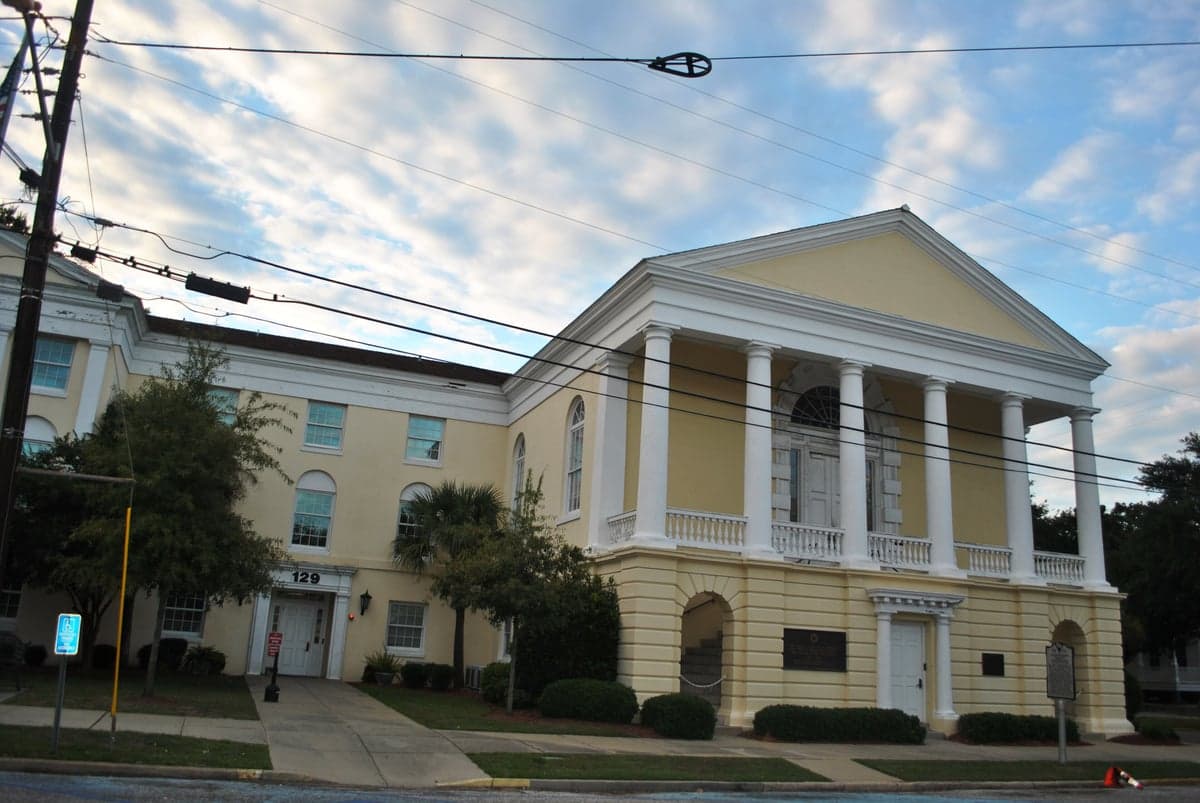
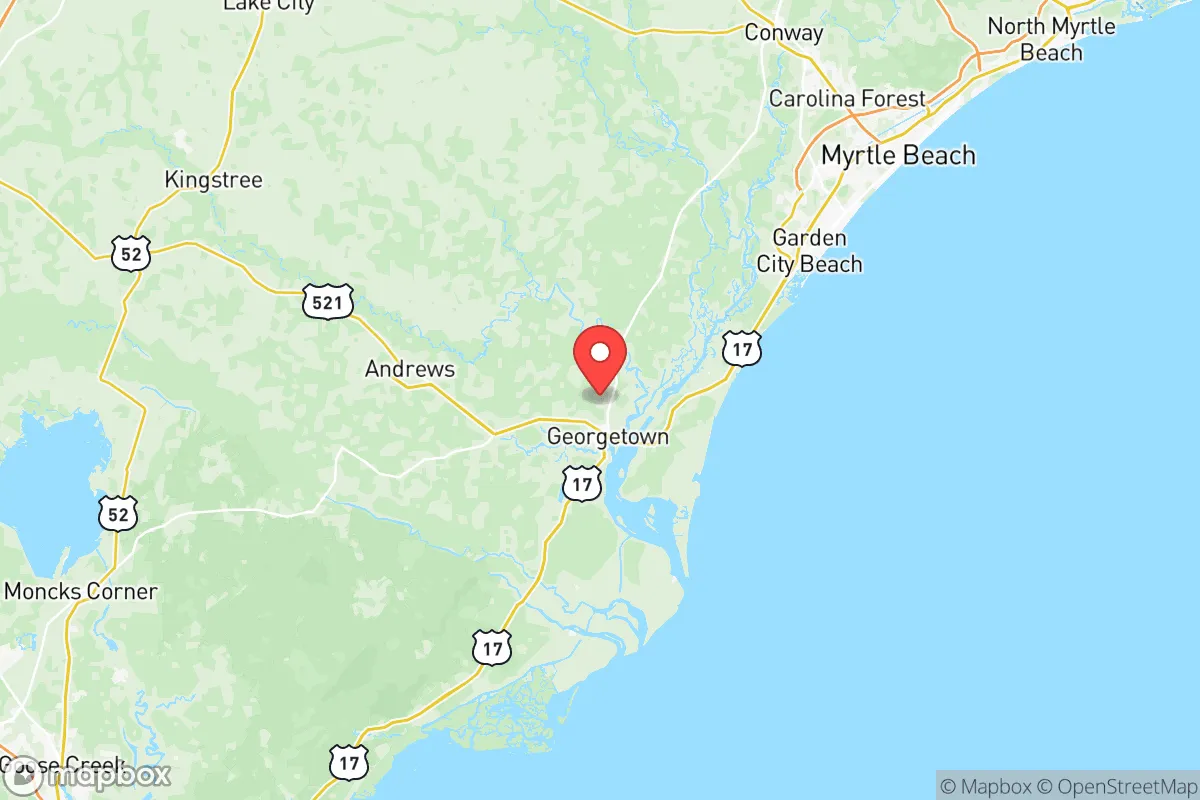
Photo: Wikipedia
Find The Best Places To Live in Georgetown County
PRO TIP! You can paste a Zillow or Redfin link to get info on that property.
Best Places to Live in Georgetown County
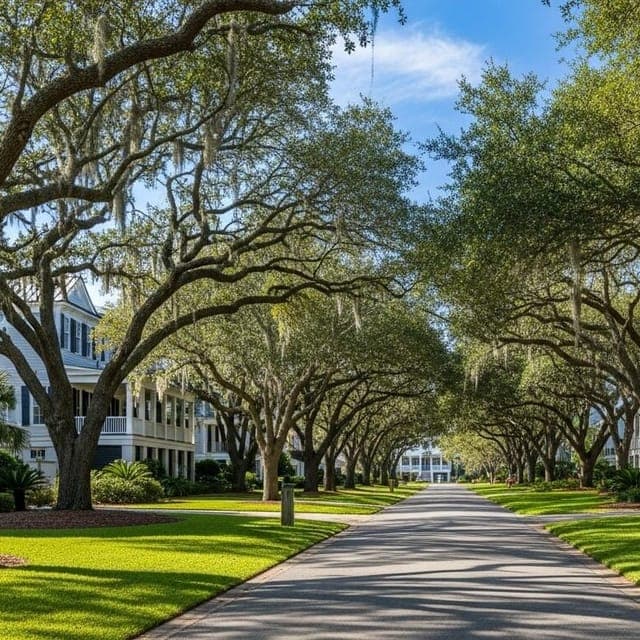
Cities & Towns in Georgetown County
Cities in Georgetown County
What It's Like Living in Georgetown County, SC
Living in Georgetown County means trading the breakneck pace of Myrtle Beach or Charleston for something slower, saltier, and more rooted. This is a place where the rhythm is set by the tides of Winyah Bay and the seasons of the Lowcountry, not by rush-hour traffic. It’s a county of distinct towns—from the historic riverfront of the city of Georgetown itself to the beachside communities of Pawleys Island and Murrells Inlet, and the quieter inland stretches around Andrews and Hemingway—each offering a different flavor of coastal South Carolina life.
The Daily Rhythm: Slow Mornings and River Views
A typical weekday here starts earlier than you might expect for a place with a median age of 51.6. Many residents are up with the sun, walking dogs along the Harborwalk in Georgetown or grabbing coffee and a biscuit at a spot like the River Room before heading to work. The county’s largest employers are in healthcare (Tidelands Health), education (Georgetown County School District), and tourism, so a lot of jobs are local. The average commute is just over 28 minutes—a bit longer than you’d think for a rural county, largely because people drive between towns. A nurse living in Pawleys Island might commute to the Tidelands Waccamaw Community Hospital in Murrells Inlet, while a teacher in Georgetown might live out near Plantersville.
Weekends are where the county’s personality really shows. On a Saturday, you’ll find families at the Georgetown Farmers Market on Front Street, fishermen launching boats at the Belle Isle Marina, and retirees browsing the antique shops in the historic district. The pace is unhurried. People here don’t dress up to go out; they dress for the weather. In summer, that means shorts and flip-flops. In winter, a light jacket suffices. The cost of living index sits at 97, slightly below the national average, which means your dollar stretches a little further than it would in Charleston or Greenville. The median home value is $262,300, making it one of the more affordable coastal options in the state.
Who Fits In: Retirees, Remote Workers, and River Rats
Georgetown County has a noticeably older demographic—the median age of 51.6 is nearly a decade above the national average. You see that in the real estate market, where retirement communities and second homes along the Waccamaw Neck are common. But it’s not just a retirement haven. There’s a growing number of remote workers who moved here during the pandemic, drawn by the lower cost of living and the ability to work from a porch overlooking the marsh. The county also has a strong blue-collar backbone, especially in the inland towns like Andrews and Hemingway, where timber, manufacturing, and agriculture still employ a significant number of people.
The kind of person who thrives here is someone who doesn’t need a packed social calendar every night. They value quiet, nature, and a strong sense of place. They’re the type who knows the difference between a high tide and a low tide fishing spot, who can name the local shrimp boats, and who doesn’t mind driving 20 minutes to the nearest grocery store if it means living on a creek. The college-educated population is 32.5%, lower than the state average, which reflects the county’s mix of working-class roots and a growing professional class.
What’s There to Do: Beyond the Beach
Most people think of the Grand Strand when they think of this part of the coast, but Georgetown County is a different animal. The main attractions are outdoorsy and low-key. The Huntington Beach State Park in Murrells Inlet is a favorite for birdwatching and kayaking, while the Brookgreen Gardens offers a world-class sculpture collection set among centuries-old live oaks. The historic district of the city of Georgetown itself is a walkable grid of 18th-century homes and waterfront parks, with a handful of good restaurants like Frank’s Restaurant & Bar and Big T’s BBQ that feel more local than touristy.
For entertainment, the county leans into its festivals. The Georgetown Wooden Boat Show in October draws a niche but passionate crowd, and the Pawleys Island Festival of Music & Art brings in regional acts. Sports aren’t a huge deal here—there’s no pro team, and college sports fandom is split between Clemson and South Carolina, depending on which side of the family you’re from. High school football is the main event on Friday nights, with Georgetown High School and Waccamaw High School drawing solid crowds. The real local obsession, though, is fishing—both saltwater and freshwater—and the annual Georgetown Blue Marlin Tournament is a big social event.
Pros and Cons of Living Here
What residents love:
- Authentic Lowcountry character. This isn’t a manufactured resort town. The working waterfront, the shrimp boats, the Gullah Geechee cultural heritage—it all feels real.
- Affordable coastal living. A median home value of $262,300 is a fraction of what you’d pay in Charleston or Hilton Head for similar water access.
- Lower traffic. Compared to Myrtle Beach’s Highway 17 congestion, Georgetown County’s roads are generally manageable, except during peak tourist season on the Waccamaw Neck.
What frustrates longtime residents:
- Limited job diversity. The economy is heavily tied to tourism, healthcare, and education. Professional opportunities outside those fields are scarce, and the median income of $66,734 reflects that.
- Seasonal tourism crush. From Memorial Day to Labor Day, the beach towns of Pawleys Island and Murrells Inlet swell with visitors, making restaurants crowded and rental prices spike.
- Crime concerns in specific areas. The county’s violent crime rate of 373.9 per 100,000 is above the national average, though it’s concentrated in certain neighborhoods of the city of Georgetown and not a concern in most rural or beachside areas.
- Hurricane season anxiety. Living on the coast means watching every tropical storm forecast from June through November. Flooding in low-lying areas is a real risk.
Georgetown County isn’t for everyone. If you need nightlife, career mobility, or a fast-paced social scene, you’ll feel the isolation. But if you want a place where you can own a piece of the coast without a second mortgage, where the biggest decision of your week is whether to fish the inlet or the river, and where neighbors still wave from their porches, it’s hard to beat.

* Values derived from national, state, county, city and local statistics and may differ in a specific area. Last updated: 2026-06-16T00:22:57.000Z
Narrative content on this page is AI-generated and may contain mistakes. Verify any details that matter before acting on them.
ReloMaps may earn a commission from affiliate links at no extra cost to you.

