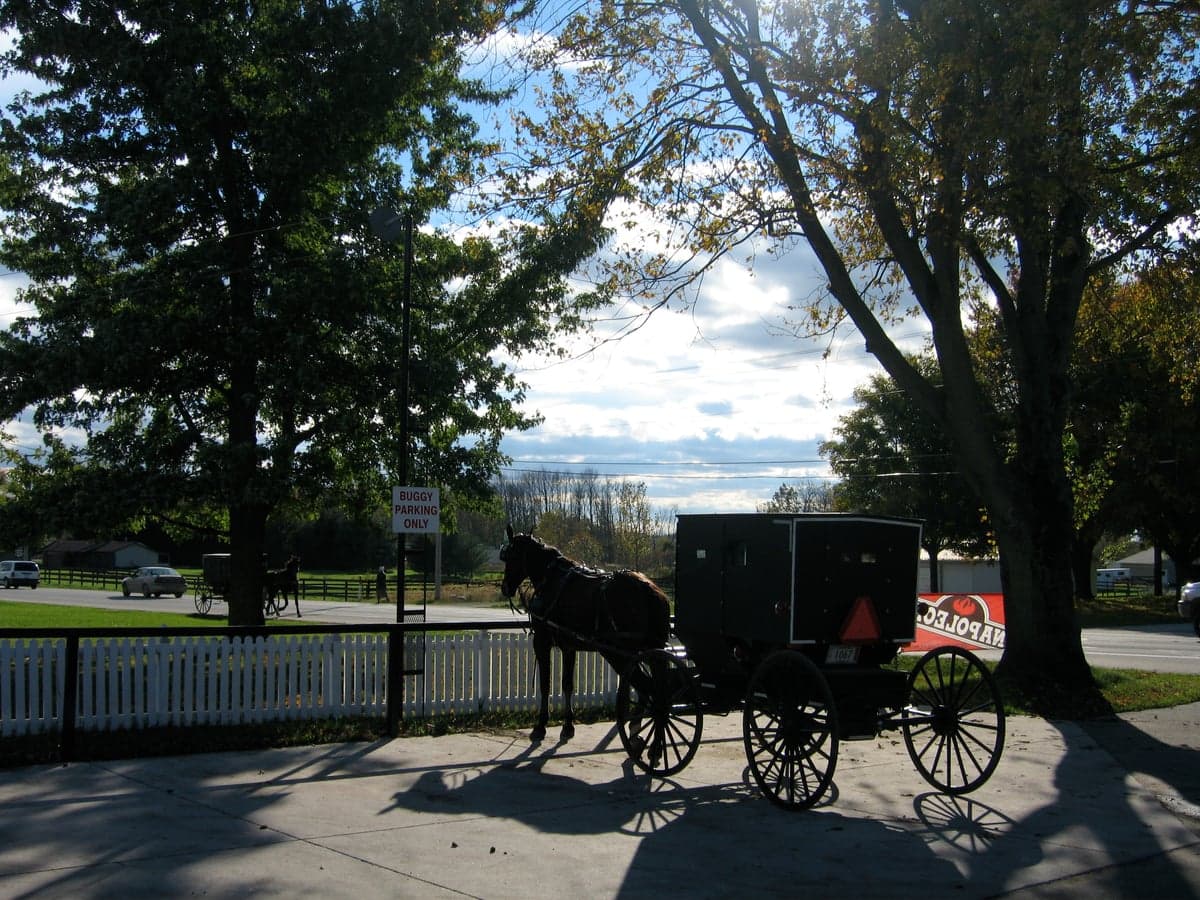
Photo: Wikipedia
Strategic Assessment of Shipshewana, IN
Meaningful friction. Expect exposure to either population pressure, blast zones, or natural disaster risk. Consider buying a retreat property.
What does the Strategic Assessment tell us?
Our Strategic Assessment grades tactical survivability of an area. Major population centers, military targets, fallout zones, natural disasters, and border exposure all drive risk — lower exposure means a more defensible position in a crisis.
This is heavily inspired by Joel Skousen's Strategic Relocation book. Highly recommended you checkout the book ($)What does this tell us?
Our Strategic Assessment grades tactical survivability of an area. Major population centers, military targets, fallout zones, natural disasters, and border exposure all drive risk — lower exposure means a more defensible position in a crisis.
This is heavily inspired by Joel Skousen's Strategic Relocation book. Highly recommended you checkout the book ($)Strategic Pillars
Key Distances
Regional Safe Places
Below is our recommended "safe zones" in Indiana and the surrounding area based on our strategic heuristics. For most people, it's unrealistic to live in a “safe zone” full-time due to work, family or other personal reasons. They tend to be more rural. However, many of these areas are perfect for second homes and retreat properties that double as a vacation home or even a short-term rental.

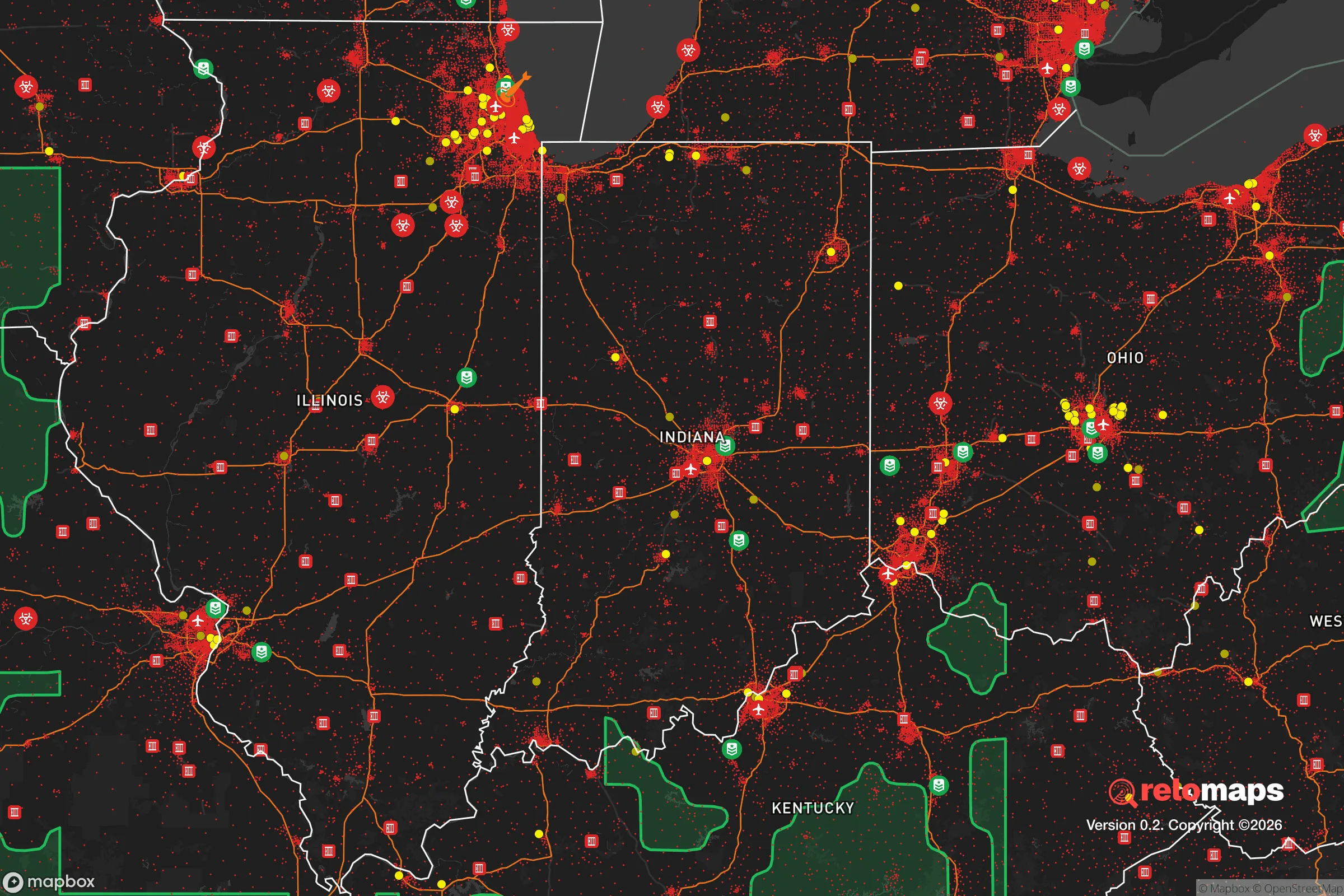


Important Note: For informational purposes only. This does not mean nothing bad ever happens in the green zones. Please use common sense. This is based on public data and modeled with AI. We tried to take a conservative approach but mistakes happen. We update this regularly as new information becomes available.
Solar Generator Recommendations
Backup power matters more here than in safer locations. We've picked three solar generators across budgets and capacity tiers — start with the budget unit if you only need a few essentials, or step up if you want to run a fridge and HVAC for days at a time.
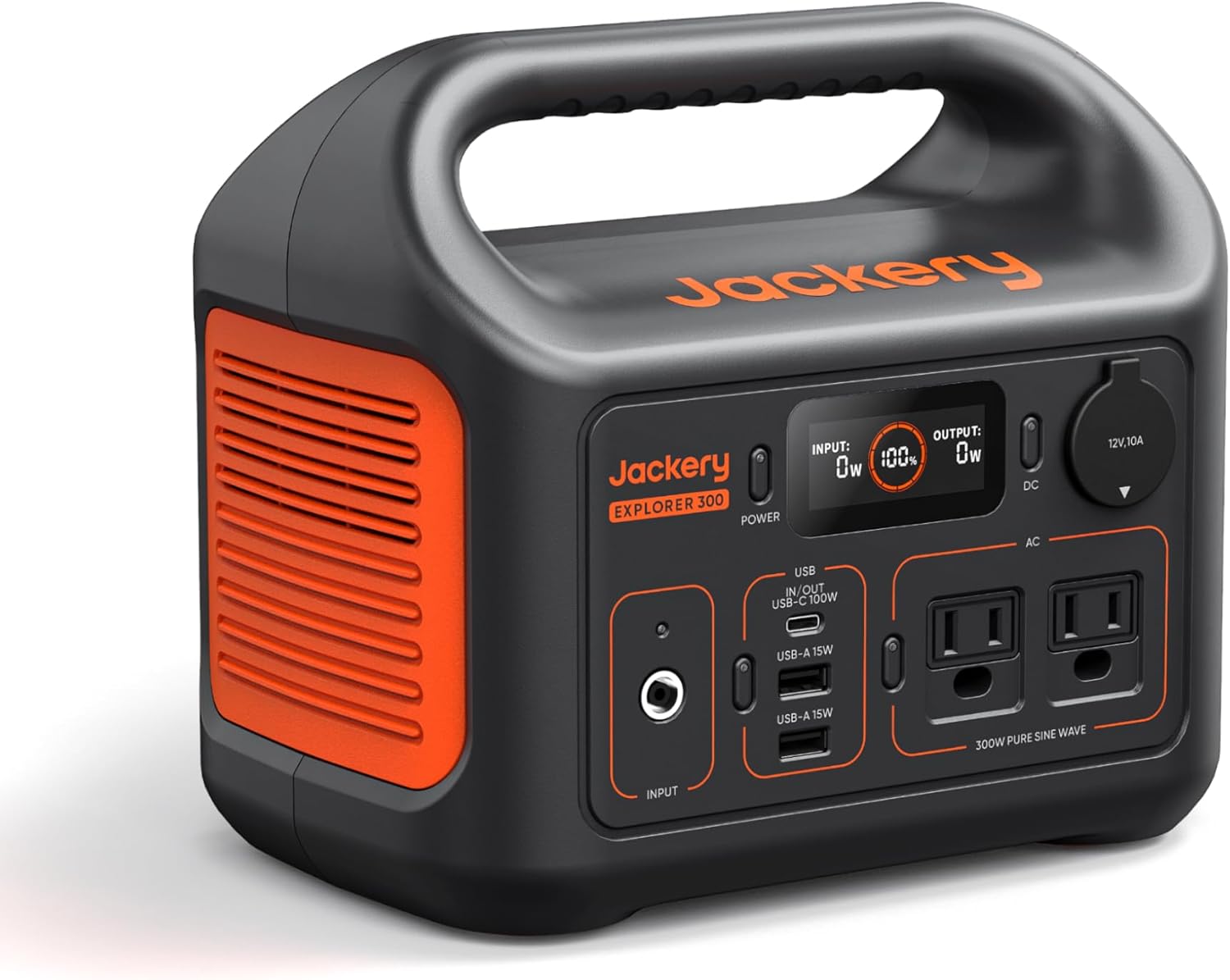
Jackery Portable Power Station Explorer 300
Budget OptionPower on the Go: Weighing only 11 lbs, it's convenient to set up and store with book-sized foldable solar panels

BLUETTI Portable Power Station AC180
Designed for both indoor and outdoor scenarios, AC180 is highly capable as it has a robost capacity and continuous output power.

EF ECOFLOW DELTA Pro Ultra Power Station
Upgraded PickEcoFlow DELTA Pro Ultra is a whole-home energy system designed to grow with your family. Integrated with the Smart Home Panel 2, it scales to meet your evolving energy needs — keeping your home powered, intelligent, and secure through every stage of life.
We earn a commission, at no additional cost to you.
Strategic Assessment Analysis
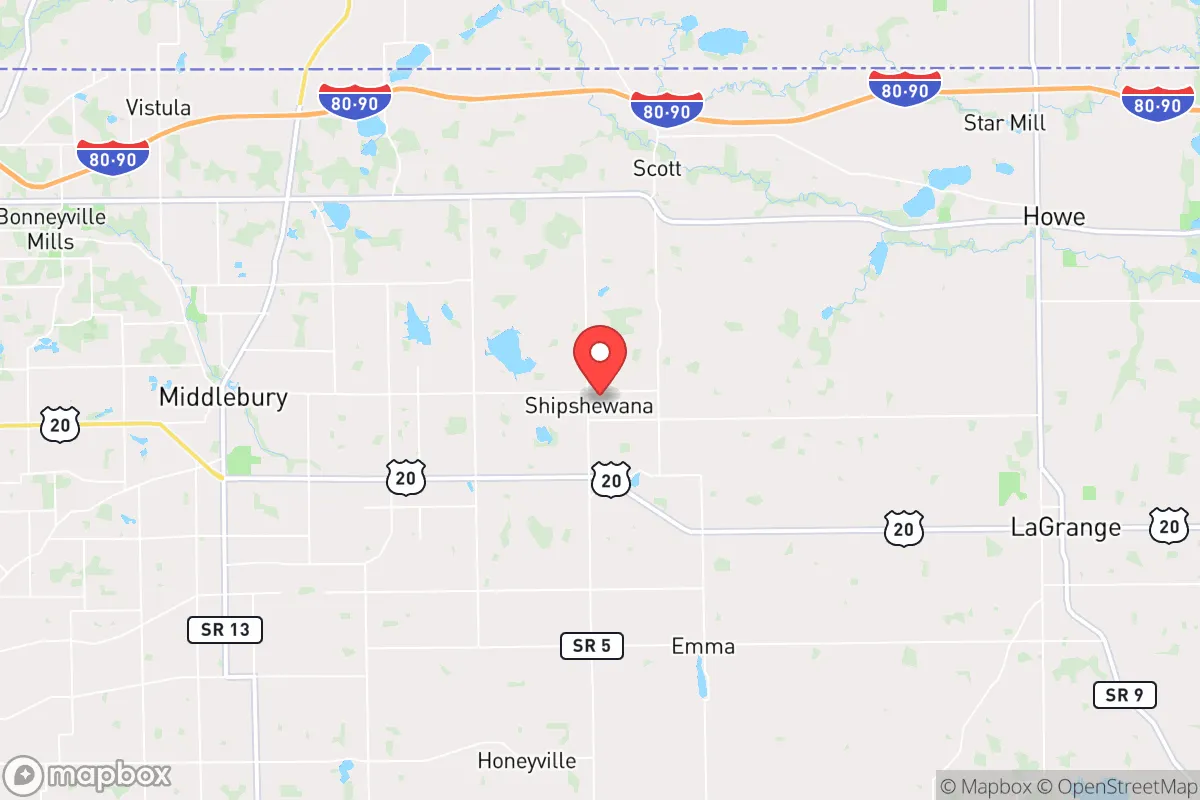
Shipshewana, Indiana, offers a strategic resilience profile that is quietly impressive for a relocator focused on self-sufficiency, largely because of its position in the rural heartland of LaGrange County. The town sits roughly 45 miles from Fort Wayne and about 35 miles from South Bend, close enough for supply runs and medical access but far enough to avoid the immediate blast and fallout zones of those metropolitan areas. Its location in the greater Elkhart-Goshen region, combined with a deep Amish and Mennonite cultural infrastructure, provides a built-in template for low-tech living that most other Midwest towns simply do not have.
Geographic position and natural advantages for long-term stability
The primary geographic advantage of Shipshewana is its position within the Michiana region, an area characterized by glacial till plains, abundant groundwater, and a moderate climate that supports a long growing season relative to northern latitudes. The town sits at an elevation of roughly 880 feet, which is high enough to be free of the floodplain concerns that plague river towns like Goshen or Elkhart, yet the soil is rich, well-drained loam that is among the most productive agricultural land in the state. This is not marginal farmland; it is the kind of ground that has been continuously farmed for over 150 years and will remain productive regardless of supply-chain disruptions.
Water is the quiet strength here. LaGrange County sits atop a substantial glacial aquifer system, and the vast majority of rural properties in the area can support a private well at depths of 50 to 150 feet with excellent yield. Unlike parts of the High Plains or the Southwest, there is no looming groundwater depletion crisis in northern Indiana. The county also receives roughly 38 to 40 inches of annual precipitation, spread fairly evenly across the year, which means rain-fed agriculture is viable without heavy irrigation infrastructure. For a relocator thinking about water independence, this is a significant check in the "pro" column.
The natural defensibility of the area is moderate but real. The terrain is gently rolling, with scattered woodlots and tree lines that provide natural cover and windbreaks, but it is not mountainous or rugged enough to offer significant tactical advantages. The real defensive asset is cultural rather than topographical: the dense network of Amish farms means that a large percentage of the local population is already practiced in non-reliance on the electrical grid, and the road network, while well-maintained, is not a major thoroughfare corridor. U.S. 20 runs just north of town and the Indiana Toll Road (I-80/90) is about 15 minutes south, but neither creates a strategic chokepoint that would draw unwanted attention in a crisis scenario.
Risks, exposures, and proximity to fallout-relevant landmarks
The most significant risk exposure for Shipshewana is its proximity to the Chicago metropolitan area, which sits roughly 130 miles to the west-northwest. In a worst-case nuclear exchange scenario, Chicago is a high-probability target, and the prevailing westerly winds in northern Indiana mean that fallout plumes from a strike on the city could, under certain weather conditions, drift toward the Michiana region. However, the distance is substantial enough that the area would likely receive only marginal fallout deposition rather than lethal hot particles, and the risk is significantly lower than for communities within 50 miles of a major target. The same logic applies to the potential targeting of the South Bend area, which hosts a major airport and defense-adjacent manufacturing, but is far enough away to be a secondary concern.
Man-made risks are more mundane but more probable. The area sits within the broader Elkhart County RV manufacturing corridor, which means the local economy is heavily tied to discretionary consumer spending and interest rates. A severe economic downturn would hit the region hard, though this is a financial resilience issue rather than a physical safety one. The county also has a modest but real presence of agricultural chemical storage and rail transport of anhydrous ammonia, which is a common fertilizer and a potential target for theft or accidental release. The Norfolk Southern rail line that runs through the area carries general freight, and while there is no major hazardous material hub in Shipshewana itself, the rail corridor is a low-level ongoing risk.
Natural disaster exposure is comparatively low. Tornado risk is real but not exceptional for the Midwest, and the area is not in the highest-risk tornado alley. The most common severe weather events are summer thunderstorms, occasional hail, and winter blizzards, all of which are manageable with standard preparedness. There is no earthquake risk, no hurricane risk, no wildfire risk of significance, and no coastal flooding risk. For a relocator looking to minimize catastrophic natural disaster exposure, this is one of the safer regions in the continental United States.
Practical resilience for a relocator: food, water, energy, and defensibility
Food security is where Shipshewana genuinely excels. The town is home to the Shipshewana Auction, one of the largest weekly flea markets and livestock auctions in the Midwest, which means there is a robust local food distribution network that operates independently of the national grocery supply chain. Within a 10-mile radius, there are dozens of Amish farms selling eggs, produce, meat, and dairy directly from the farm gate, and the local food culture normalizes home canning, root cellaring, and meat processing. A relocator who wants to be food-independent will find that the infrastructure to support that goal—feed stores, butcher shops, seed suppliers, and experienced neighbors—is already in place and operating at scale.
Energy resilience is more of a mixed picture. The grid in northern Indiana is reasonably reliable, but winter ice storms can cause multi-day outages, and the area is not immune to the broader grid fragility issues affecting the Midwest. The good news is that the Amish population's energy independence creates a local market for off-grid solutions: solar panels, battery storage, wood stoves, and propane systems are all commonly installed and serviceable by local contractors who understand off-grid living. Natural gas is widely available in the town itself, and firewood is abundant and inexpensive from local woodlots. For a relocator, the practical path to energy resilience is straightforward: a wood stove for heat, a modest solar array with battery backup for essentials, and a propane generator for extended outages.
Defensibility at the household level is good. The rural road network is sparse enough that a property with a long driveway and clear sightlines offers natural security, and the local culture is one of mutual aid and neighborly awareness. LaGrange County has a low crime rate, and the presence of a large, tight-knit Amish community means that strangers and unusual activity are noticed quickly. The county sheriff's department is small but responsive, and the town's distance from major interstate corridors reduces the likelihood of being caught in the path of mass urban evacuation flows. For a family looking to establish a defensible, self-sufficient homestead, the practical pieces are all present.
The overall strategic picture for Shipshewana is favorable for a relocator prioritizing resilience and self-sufficiency. It offers the rare combination of productive agricultural land, abundant water, a low natural disaster profile, and a cultural ecosystem that already practices the kind of low-tech, high-resilience living that most Americans would need to learn from scratch. The main vulnerabilities—proximity to Chicago fallout patterns and economic dependence on the RV industry—are manageable and well-understood. For a single individual or family willing to invest in basic off-grid infrastructure and engage with the local community, Shipshewana represents a solid, grounded choice for long-term preparedness in the American heartland.

* Values derived from national, state, county, city and local statistics and may differ in a specific area. Last updated: 2026-10-31T19:15:41.000Z
Narrative content on this page is AI-generated and may contain mistakes. Verify any details that matter before acting on them.
ReloMaps may earn a commission from affiliate links at no extra cost to you.

