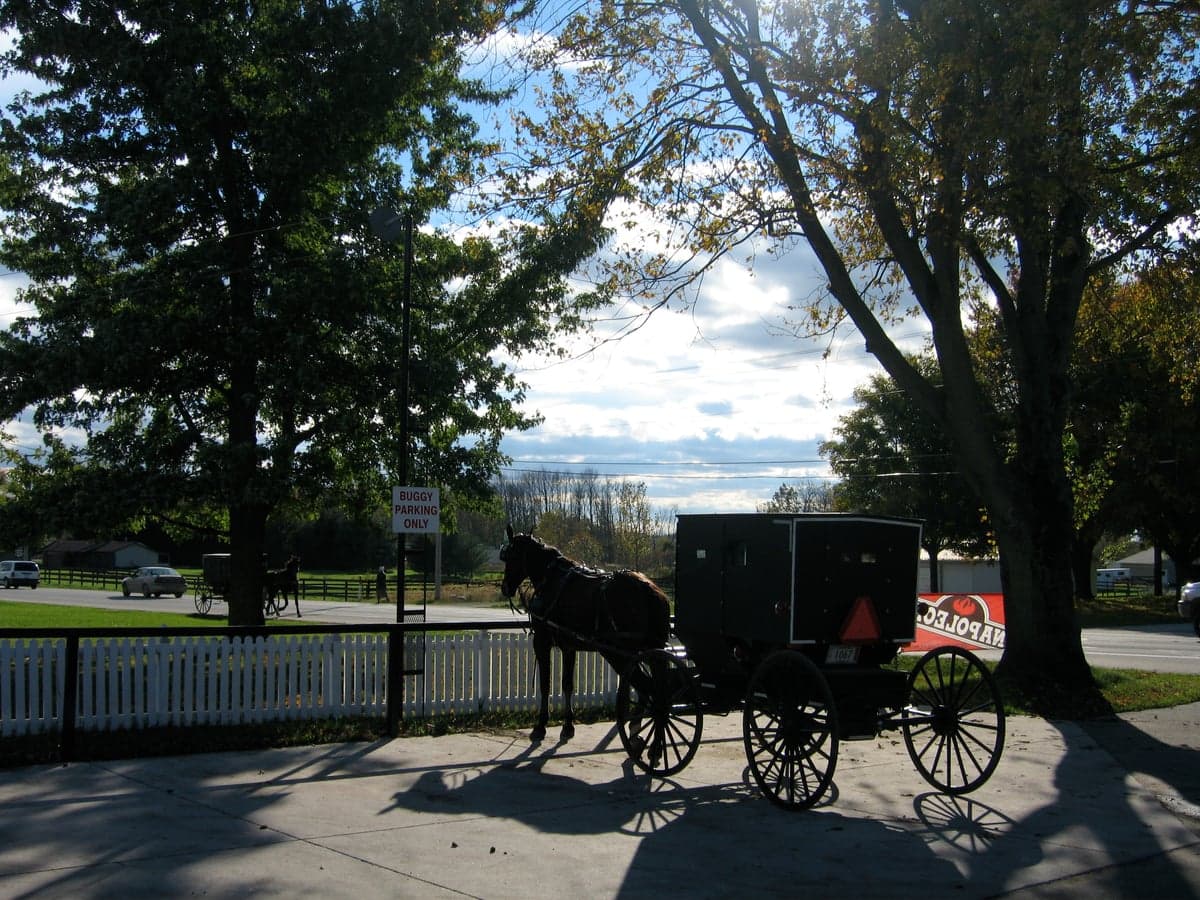
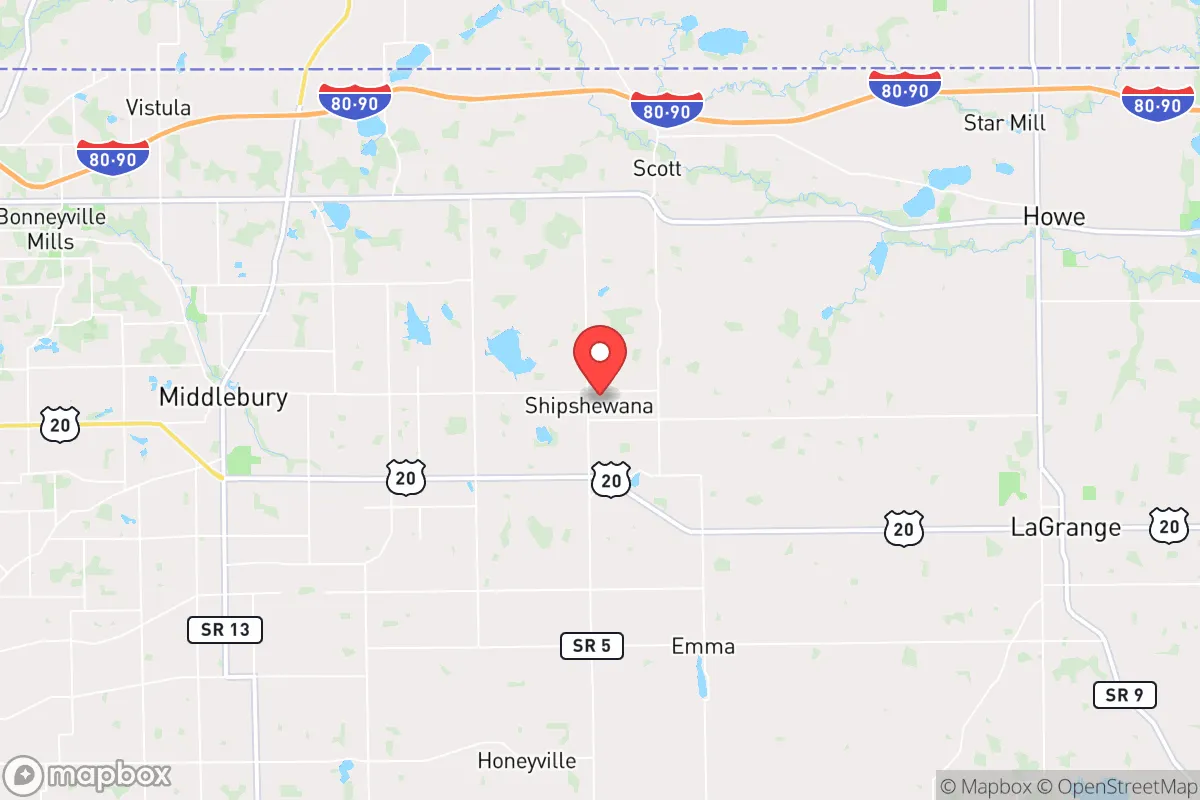
Photo: Wikipedia
Quality of Life in Shipshewana, IN
A high quality of life with strong walkability, manageable living costs, healthy neighborhood signals, and solid amenity access.
What does Quality of Life tell us?
Quality of Life blends cost of living, nearby amenities, socioeconomic signals, and neighborhood character. City-level scores represent the whole municipality; individual neighborhoods can differ.
What does this tell us?
Quality of Life blends cost of living, nearby amenities, socioeconomic signals, and neighborhood character. City-level scores represent the whole municipality; individual neighborhoods can differ.
Cost of Living
24% below national average
The Real Cost of Living in Shipshewana, IN for 2026
| Tier | Individual | Family (4) |
|---|---|---|
| Survival | $12k | $23k |
| Comfortable | $50k | $73k |
| Luxury | $104k+ | $162k+ |
| Elite (Top 5%) | $152k+ | $236k+ |
79%
The Area Signal
A metric tracking the socioeconomic signals of the area.
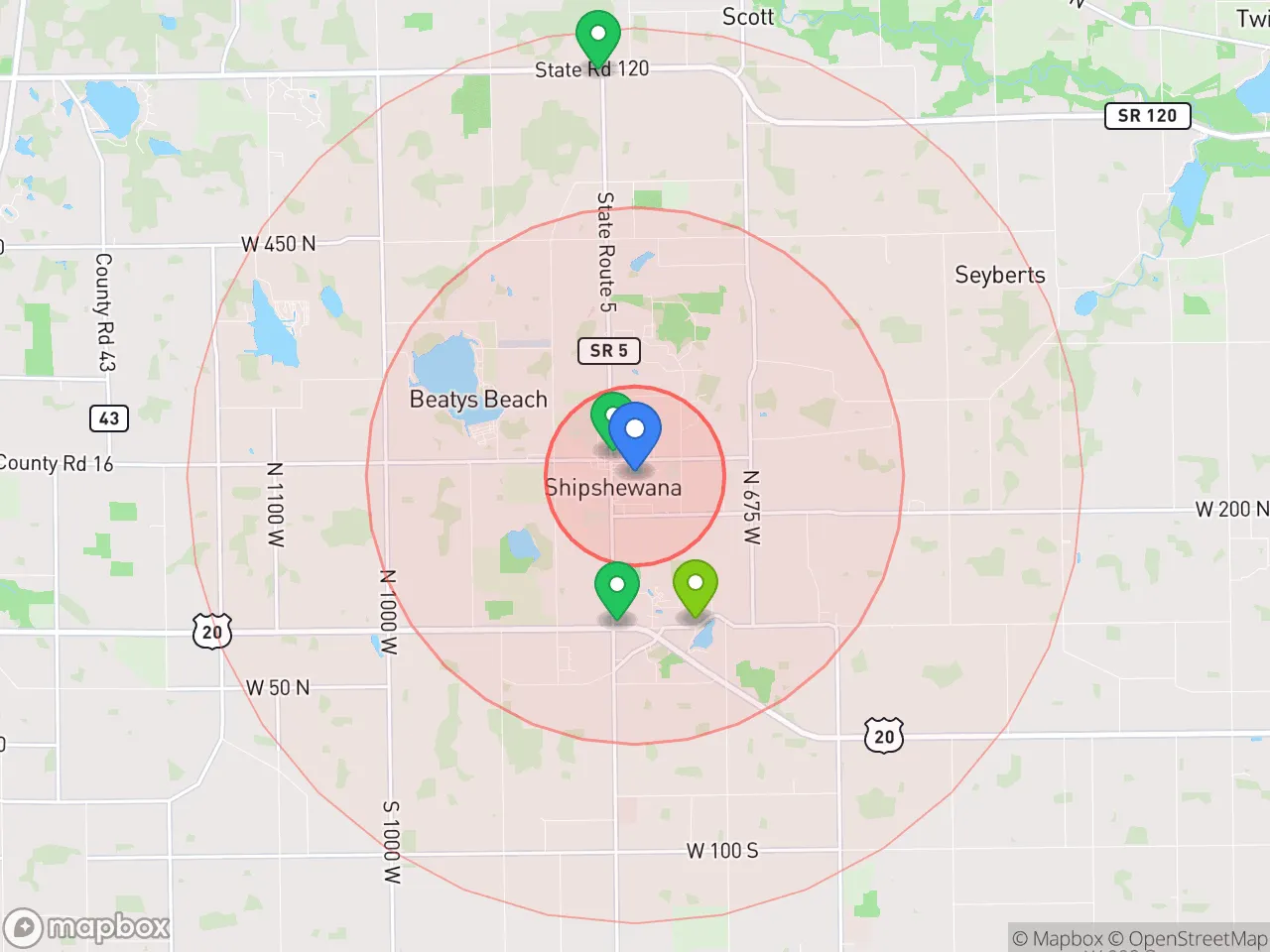
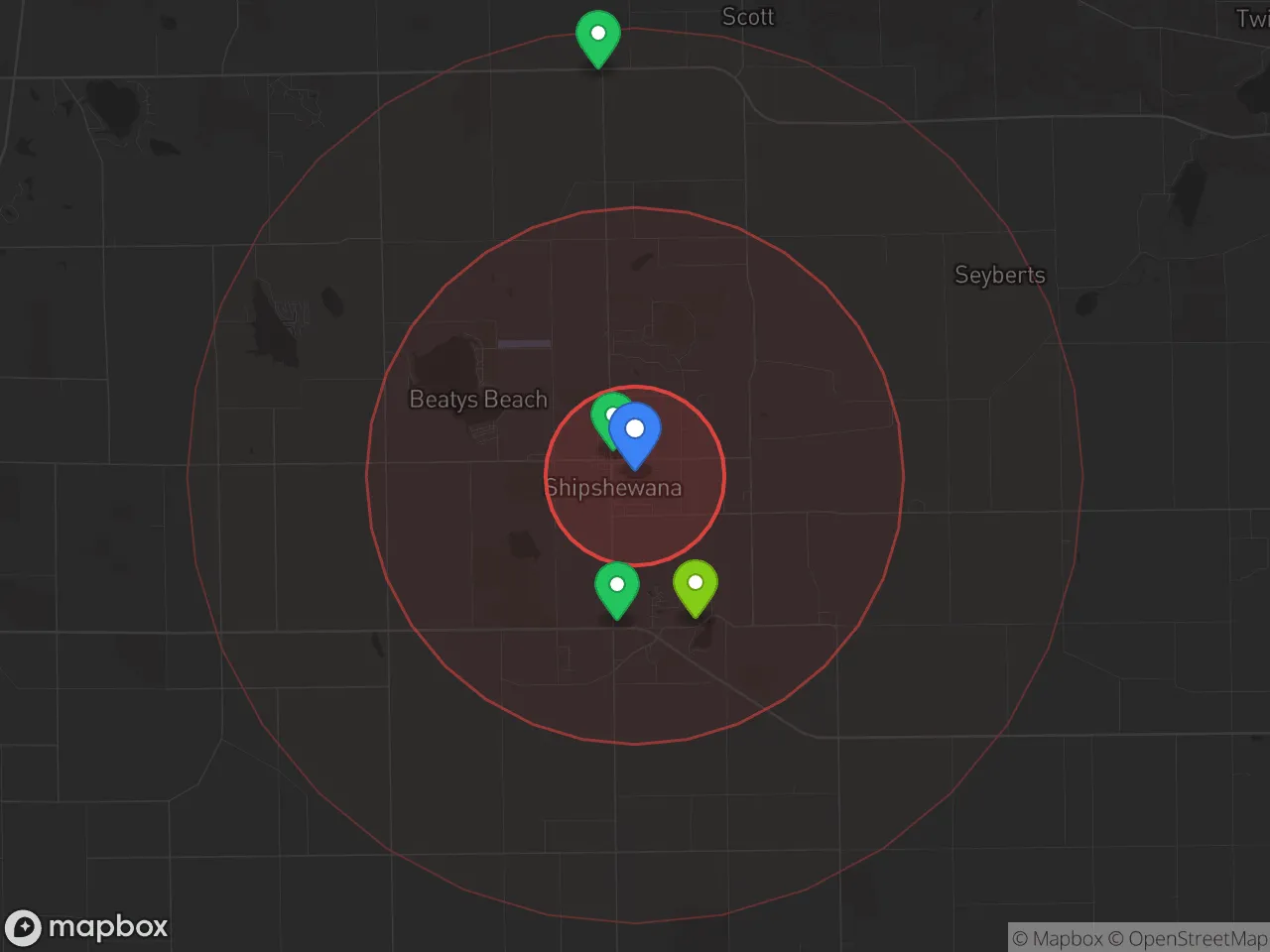
Limited data for this area
Limited data for this area
Hobbies
Explore the areaGroceries
0 within 10 miles
Gas
0 within 10 miles
Hospital
0 within 20 miles
Airport
MDW — Midway International
Post Office
Critical Amenities
Quality-of-Life Analysis
Shipshewana, Indiana, offers a quality of life built around a strikingly low cost of living, a tight-knit Amish and Mennonite community, and a slower, more deliberate daily rhythm than most of the Midwest. With a cost-of-living index of 76 (24% below the U.S. average), the town attracts families, retirees, and remote workers who prioritize financial breathing room over urban convenience. The population skews toward multigenerational households and faith-centered living, with a visible tourism economy that brings roughly two million visitors annually to the Shipshewana Auction and Flea Market without diluting the area's rural character.
Housing costs and affordability compared to nearby Elkhart and Goshen
Housing in Shipshewana is the single biggest financial draw. The median home value sits at $255,000, which is notably higher than the surrounding LaGrange County rural average but still well below the national median of roughly $420,000 in 2026. For renters, the median monthly rent is just $779, compared to about $950 in Elkhart and $1,050 in Goshen, making Shipshewana one of the most affordable rental markets in northern Indiana. The trade-off is inventory: the housing stock is dominated by older farmhouses, manufactured homes, and a limited supply of new construction, so buyers often compete for the same handful of listings. Property taxes in LaGrange County run about 0.9% of assessed value, slightly lower than Elkhart County's 1.1%, which further tips the affordability scale toward Shipshewana for long-term owners.
What daily life is like for families, schools, and local amenities
Daily life in Shipshewana revolves around a distinct schedule shaped by the Amish community. Many local businesses, including the bulk-food stores and hardware shops along SR 5, close by 5 p.m. and are shuttered on Sundays, which can take adjustment for newcomers. The public schools are consolidated under Westview School Corporation, which serves roughly 2,300 students across three buildings and consistently posts graduation rates above 92%. For everyday needs, residents drive 15 minutes to LaGrange for groceries and medical care, or 25 minutes to Goshen for the larger Goshen Hospital and big-box retail. The town itself punches above its weight on amenities: the 40-acre Shipshewana Town Center hosts the flea market, a 1,000-seat event hall, and the Blue Gate Performing Arts Center, while the Pumpkinvine Nature Trail connects cyclists and walkers to Middlebury and Goshen. The average commute is 24 minutes, with most workers heading to manufacturing jobs in Elkhart (RV production), Goshen (medical devices), or to local tourism and hospitality roles.
Who thrives here? Shipshewana suits people who value predictability, low overhead, and community proximity over nightlife or career density. Remote workers with stable internet (fiber is available in town limits) and families seeking a safe, slow-paced environment will find the math compelling: a household earning $55,000 can comfortably afford the median home, and renters can save aggressively. Retirees on fixed incomes benefit from the low utility costs and the absence of state income tax on Social Security. Conversely, those who need ethnic dining variety, late-night retail, or a fast-paced professional scene will likely find Shipshewana limiting. It is not a bedroom community — it is a destination in its own right, where the quality of life is measured in quiet streets, low bills, and the ability to know your neighbors by name.

Crime in Shipshewana, IN
Lower crime rates than 97% of comparable U.S. locations.
Violent CrimeViolent Crime Analysis
Property CrimeProperty Crime Analysis
Crime Analysis
Shipshewana, Indiana, presents a notably safe environment for its residents and the thousands of tourists who visit its famous flea market and dining venues each year. With a violent crime rate of 228.1 per 100,000 residents and a property crime rate of 948.7 per 100,000, the town’s overall safety picture is favorable, though the data reveals a more complex story when compared to state and national benchmarks.
Crime in context
While Shipshewana’s violent crime rate of 228.1 per 100,000 is lower than the national average of roughly 380 per 100,000, it is important to note that this figure is slightly elevated compared to the Indiana state average of approximately 210 per 100,000. The property crime rate of 948.7 per 100,000, however, is significantly below both the national average (around 1,950 per 100,000) and the Indiana state average (approximately 1,700 per 100,000). This means property crimes like burglary and theft are substantially less common here than in most of the country, while violent incidents, though rare in absolute numbers given the town’s small population, occur at a rate that warrants attention.
What residents experience
For a town of roughly 800 permanent residents, these rates translate into very few actual incidents each year. The violent crime figure typically represents fewer than two reported offenses annually, and the property crime number equates to roughly seven to eight incidents per year. Residents of Shipshewana and the surrounding LaGrange County generally describe a community where doors are left unlocked and neighbors know one another by name. The town’s significant Amish and Mennonite population contributes to a cultural emphasis on community trust and mutual oversight, which acts as a natural deterrent to criminal activity. However, the seasonal influx of visitors—Shipshewana’s flea market draws over a million attendees annually—does create periodic spikes in petty theft and vehicle break-ins, particularly during peak summer weekends.
It is also worth noting that Shipshewana falls under the jurisdiction of LaGrange County, which does not operate under the progressive prosecutorial policies seen in larger Indiana cities like Indianapolis or Lake County. The local prosecutor’s office maintains a traditional, victim-centered approach to criminal justice, meaning offenders are more likely to face meaningful consequences. This stands in contrast to larger metropolitan areas with liberal district attorneys who prioritize diversion programs and reduced sentencing, a philosophy that critics argue places offenders’ interests above public safety and victim justice. For those relocating from such jurisdictions, the difference in prosecutorial philosophy can be a meaningful factor in perceived safety.
Neighborhood-level variation in Shipshewana is minimal due to the town’s compact size. The most significant safety consideration is not geographic but temporal: visitors and residents alike should exercise heightened awareness around the flea market grounds and downtown commercial district during tourist season, where the majority of reported property crimes occur. Residential areas, particularly the quiet streets east of SR 5, experience virtually no crime and are considered the safest parts of town.
* Values derived from national, state, county, city and local statistics and may differ in a specific area. Last updated: 2026-10-31T19:15:41.000Z
Narrative content on this page is AI-generated and may contain mistakes. Verify any details that matter before acting on them.
ReloMaps may earn a commission from affiliate links at no extra cost to you.

