Quality of Life in Shenandoah Farms, VA
A high quality of life with strong walkability, manageable living costs, healthy neighborhood signals, and solid amenity access.
What does Quality of Life tell us?
Quality of Life blends cost of living, nearby amenities, socioeconomic signals, and neighborhood character. City-level scores represent the whole municipality; individual neighborhoods can differ.
What does this tell us?
Quality of Life blends cost of living, nearby amenities, socioeconomic signals, and neighborhood character. City-level scores represent the whole municipality; individual neighborhoods can differ.
Cost of Living
23% above national average
The Real Cost of Living in Shenandoah Farms, VA for 2026
| Tier | Individual | Family (4) |
|---|---|---|
| Survival | $26k | $49k |
| Comfortable | $54k | $79k |
| Luxury | $128k+ | $198k+ |
| Elite (Top 5%) | $151k+ | $233k+ |
124%
The Area Signal
A metric tracking the socioeconomic signals of the area.
Hobbies
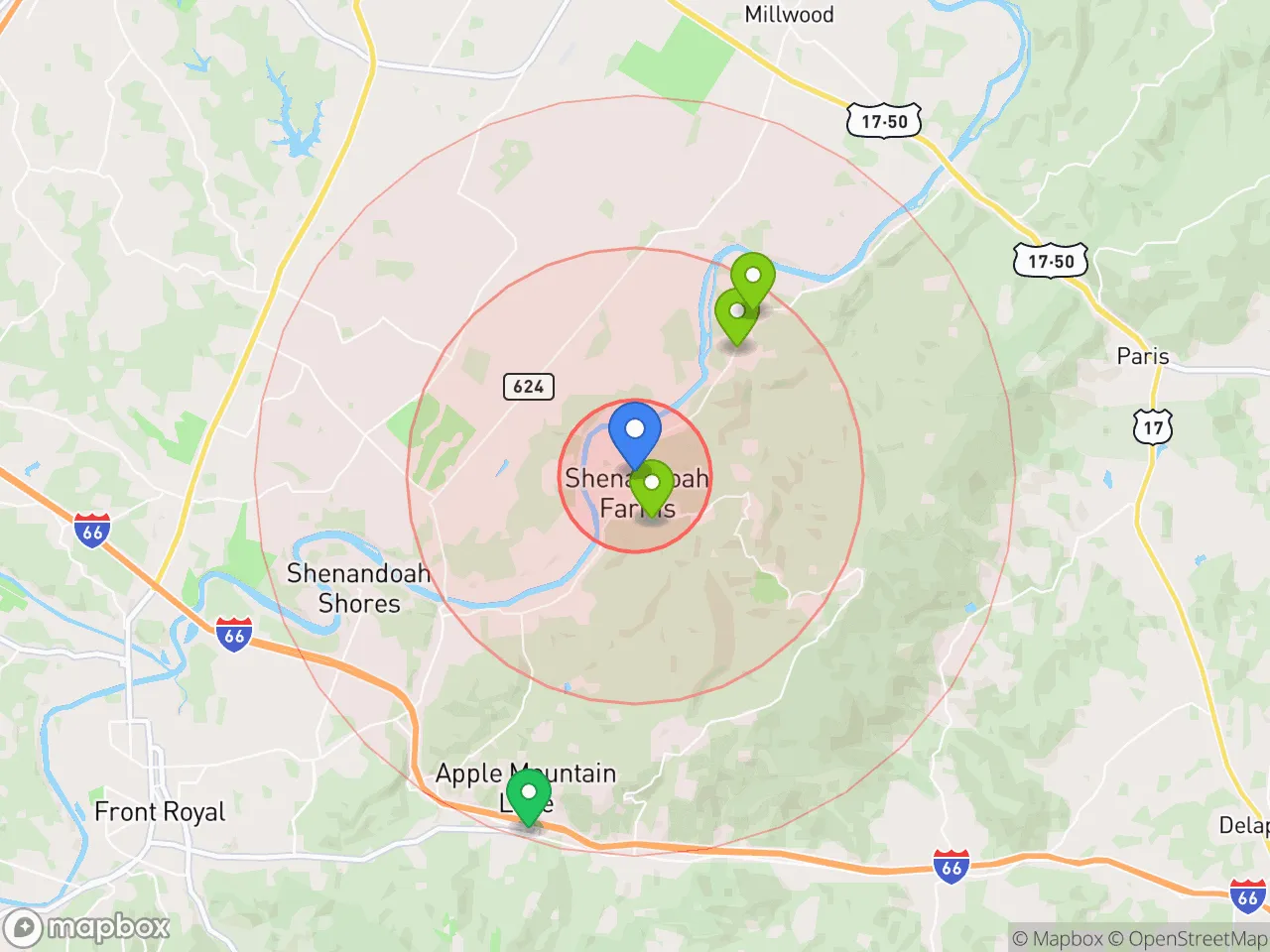
Explore the areaGroceries
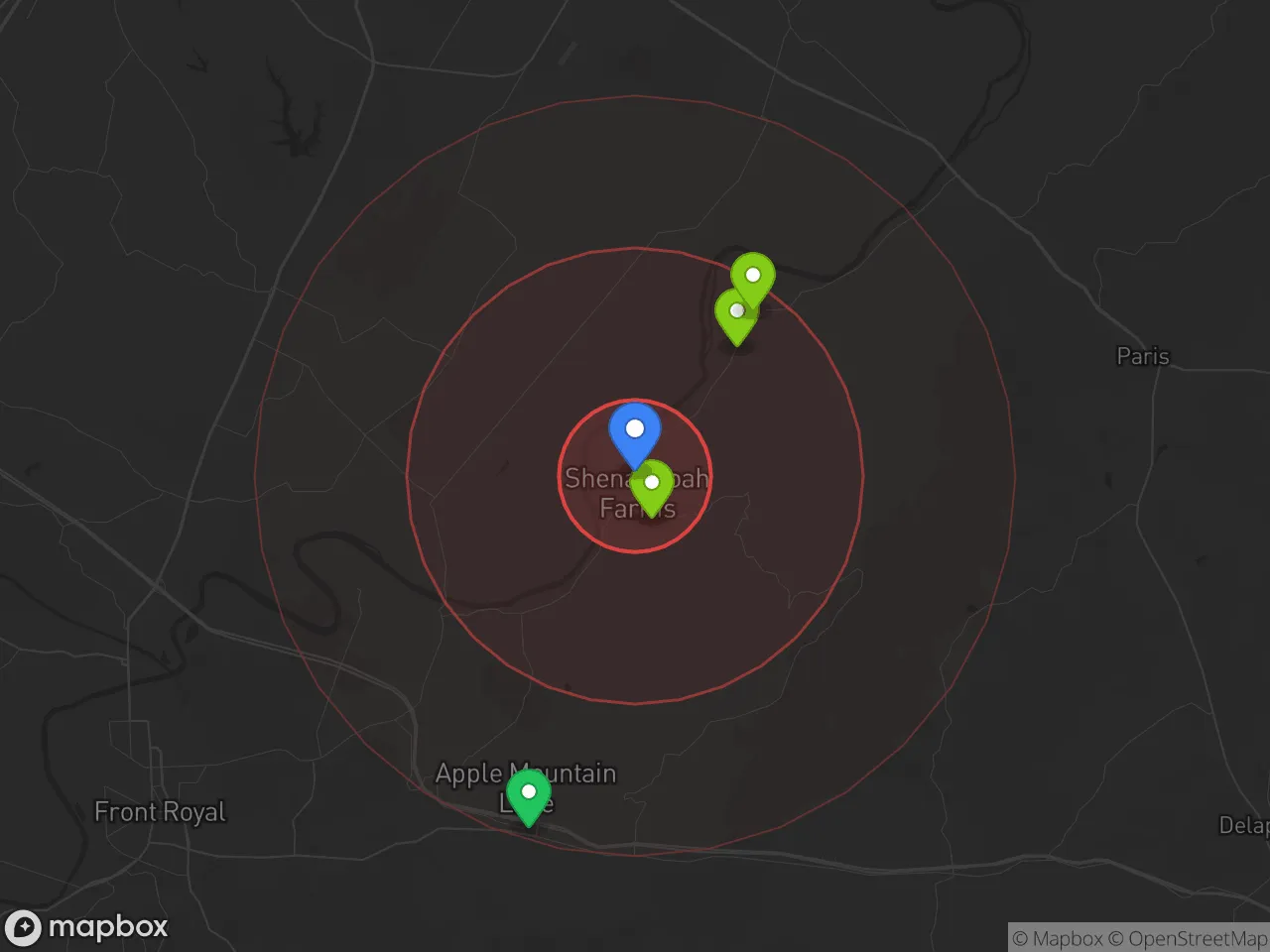
3 within 10 miles
Gas
20 within 10 miles
Hospital
2 within 20 miles
Airport
IAD — Washington Dulles International
Post Office
USPS — Linden, VA
Critical Amenities
Quality-of-Life Analysis
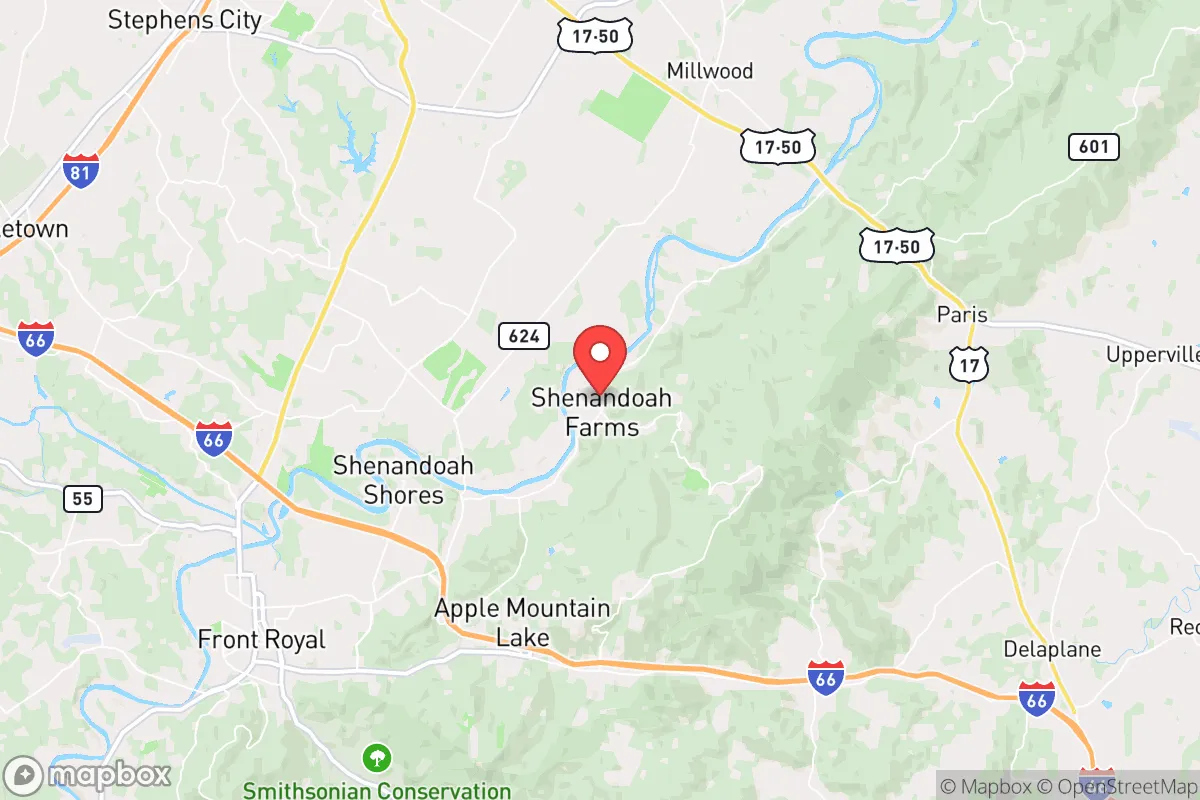
Shenandoah Farms is an affluent, unincorporated community in Warren County, Virginia, where the cost of living runs about 23% above the national average (index of 123 vs. the U.S. baseline of 100). The population skews toward established professionals, remote workers, and second-home owners who trade urban convenience for roughly 40 acres of Blue Ridge foothills and direct access to the Shenandoah River. This is not a bedroom suburb in the traditional sense—it is a place where residents accept a long commute in exchange for privacy, mountain views, and a slower daily cadence.
Housing costs and affordability compared to Front Royal and Winchester
The median home value in Shenandoah Farms sits at $277,200, which is notably higher than the Warren County median of roughly $265,000 but still well below the Washington, D.C. metro average of over $600,000. For context, comparable riverfront or mountain-view parcels in nearby Front Royal list for $300,000–$450,000, while Winchester homes average around $310,000. Renters face a median monthly cost of $1,622, which is about $200 more than the county average and reflects the premium for newer construction and larger lots. The affordability gap is most pronounced when compared to Loudoun County to the east, where the median home price exceeds $700,000—making Shenandoah Farms a pragmatic compromise for buyers who want rural character without Fairfax County price tags. However, the trade-off is real: property taxes in Warren County run about 0.68% of assessed value, and the 39.7-minute average commute means fuel and vehicle maintenance are recurring budget line items that suburban commuters in closer-in counties do not face.
What daily life is like for families, retirees, and remote workers
Daily life in Shenandoah Farms revolves around outdoor recreation and small-town logistics. The community sits along the Shenandoah River, with several private river access points for kayaking, fishing, and swimming, while Shenandoah National Park’s northern entrance at Front Royal is a 20-minute drive. The nearest full-service grocery is the Food Lion on John Marshall Highway in Front Royal (about 15 minutes away), and the closest hospital is Warren Memorial Hospital, also in Front Royal. For families, the public schools are part of Warren County Public Schools—Skyline High School serves the area and has an average SAT score around 1050, which is slightly below the Virginia state average. Many residents instead opt for private options like Randolph-Macon Academy in Front Royal or homeschool co-ops that are common in the area. Internet connectivity is a genuine consideration: while fiber optic service from Shentel covers parts of the community, some parcels still rely on fixed wireless or satellite, which matters for remote workers. The social rhythm is defined by volunteer fire department events, river cleanup days, and the Front Royal Farmers Market on Saturdays—there is no downtown strip or restaurant row within walking distance of most homes.
This is a place for people who prioritize land, quiet, and proximity to nature over walkability and urban amenities. Remote workers with stable high-speed internet, retirees seeking riverfront solitude, and families willing to drive 20 minutes for school activities and groceries will find Shenandoah Farms a strong fit. Those who need daily access to D.C. offices, top-tier public schools, or a vibrant commercial core should look closer to Front Royal or Winchester. The community rewards self-sufficiency—and punishes those who underestimate the commute.

Crime in Shenandoah Farms, VA
Generally safer than 60% of comparable U.S. locations.
Violent CrimeViolent Crime Analysis
Property CrimeProperty Crime Analysis
Crime Analysis
Shenandoah Farms, an unincorporated community in Warren County, Virginia, presents a mixed safety profile that diverges from national averages in specific ways. With a violent crime rate of 210.4 per 100,000 residents and a property crime rate of 1,393.7 per 100,000, the area experiences property crime at a notably higher frequency than violent incidents. Residents should weigh these figures against the broader context of rural Virginia and the influence of nearby metropolitan justice systems.
Crime in context
Shenandoah Farms' violent crime rate of 210.4 per 100,000 is roughly 40% lower than the national average of approximately 380 per 100,000, placing it in a safer bracket for serious offenses like assault and robbery. However, the property crime rate of 1,393.7 per 100,000 exceeds the national average by about 15%, driven largely by theft and burglary. Compared to Virginia's statewide property crime rate of roughly 1,200 per 100,000, Shenandoah Farms is slightly elevated. The community's location within Warren County, which borders the Washington, D.C. metropolitan area, means it is subject to spillover crime from nearby jurisdictions. Many of these larger metro areas, including those in Northern Virginia, operate under progressive prosecutorial policies that prioritize diversion and reduced incarceration for property offenders. This approach, while sympathetic to offenders, can result in repeat property crimes and a diminished sense of public safety for victims and residents.
What residents experience
Daily life in Shenandoah Farms is shaped by a low risk of violent confrontation but a persistent threat to personal property. Theft from vehicles, shed burglaries, and package theft are the most common complaints, often targeting unsecured homes and outbuildings. The community's rural layout—with winding roads, limited street lighting, and sparse police patrols—creates opportunities for criminals who travel from nearby towns like Front Royal or even the D.C. suburbs. Residents report that property crimes frequently go unsolved due to low clearance rates in Warren County, a pattern exacerbated by resource constraints and, in some cases, lenient sentencing guidelines from progressive district attorneys. For those considering a move, the key concern is not personal safety from violence but the need for proactive measures: installing security cameras, forming neighborhood watch groups, and securing all entry points.
Neighborhood-level variation within Shenandoah Farms is significant. Areas closer to Route 340 and the Shenandoah River tend to see higher foot traffic and more transient visitors, correlating with elevated theft rates. In contrast, deeper subdivisions with limited access points and stronger community cohesion report fewer incidents. Prospective residents should research specific street segments and talk to local homeowners' associations to gauge real-world safety, as the aggregate statistics mask pockets of both higher and lower risk. Overall, Shenandoah Farms offers a relatively safe environment for violent crime but demands vigilance against property offenses, with the broader metro area's justice policies a contributing factor to ongoing challenges.
* Values derived from national, state, county, city and local statistics and may differ in a specific area. Last updated: 2026-09-22T01:53:00.000Z
Narrative content on this page is AI-generated and may contain mistakes. Verify any details that matter before acting on them.
ReloMaps may earn a commission from affiliate links at no extra cost to you.

