Photo: Wikipedia
Find The Best Places To Live
in Sanford
PRO TIP! You can paste a Zillow or Redfin link to get info on that property.
What It's Like Living in Sanford, FL
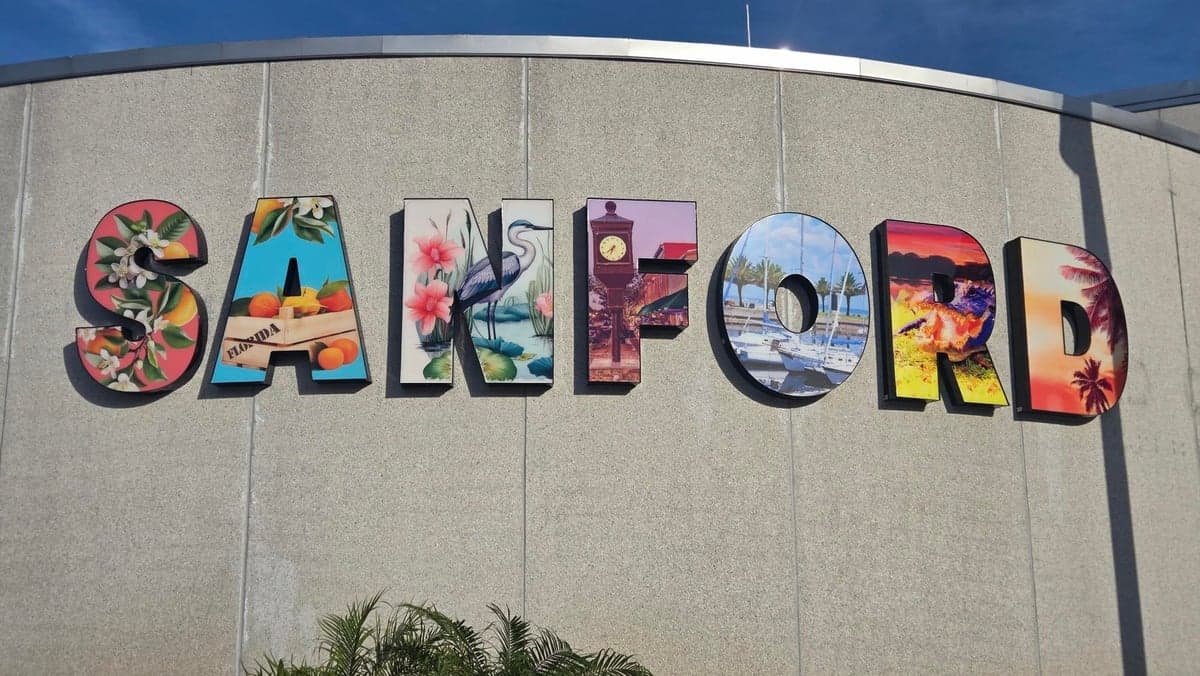
Sanford, Florida, doesn't try to be Orlando’s polished theme-park neighbor, and that’s exactly why people who land here tend to stay. It’s a historic river town with a working-class backbone, a growing arts scene, and a downtown that feels more like a Southern main street than a Central Florida strip mall. You’ll find a mix of young families, retirees who remember when the Navy base was still active, and remote workers who traded the I-4 grind for a front porch on Lake Monroe.
Daily Rhythm: Riverfront Mornings and Downtown Evenings
A typical Saturday in Sanford starts with coffee at Palanque Social or a breakfast biscuit from The Smiling Bison, then a walk along the RiverWalk promenade that hugs Lake Monroe. The marina is active — you’ll see pontoon boats, kayakers, and the occasional paddleboarder dodging a manatee. By late afternoon, the action shifts to First Street, where the historic brick storefronts house antique shops, art galleries, and the Sanford Brewing Company taproom. The weekday commute averages about 25 minutes, which is manageable by Central Florida standards, though that number jumps fast if you’re heading to Orlando proper (30–45 minutes on I-4). Most locals shop at the Sanford Farmers Market on Saturdays or hit the Publix on 17-92; the big-box retail is concentrated near the Seminole Towne Center mall, which has seen better days but still anchors the commercial corridor.
Sports, Festivals, and the Local Identity
Sanford doesn’t have a major pro sports team, but it has something arguably more central to its identity: Seminole High School football. Friday nights at Tommy R. Miller Stadium are a genuine community event, with crowds that rival small college games. The Sanford River Rats minor-league baseball team (summer collegiate wood-bat league) plays at historic Sanford Memorial Stadium, a Works Progress Administration-era ballpark that hosted the New York Giants for spring training back in the 1940s. The biggest annual draw is the Sanford PorchFest in April, where musicians set up on front porches throughout the historic district, and the Central Florida Jazz Festival in October. For outdoor recreation, Lake Jesup is a 15-minute drive and offers some of the best alligator-watching (from a safe distance) and freshwater fishing in the region. The Black Bear Wilderness Loop trail runs 7.1 miles along the St. Johns River and is a favorite for serious hikers and birders.
Who Fits In — and Who Might Struggle
The median age here is 36.8, and the median household income sits at $62,877 — noticeably lower than the national average, which reflects the blue-collar and service-industry roots. Only about 27% of adults hold a bachelor’s degree, so this isn’t a white-collar bedroom community. The people who thrive in Sanford tend to be hands-on, independent types: tradespeople, small business owners, artists who need affordable studio space, and families who want a yard and a boat slip without a six-figure mortgage. The median home value of $272,900 is a relative bargain compared to Orlando ($390,000+) or Winter Park ($600,000+), but the cost of living index of 116 means groceries, utilities, and car insurance all run above the U.S. average. Renters face a tight market — a decent two-bedroom apartment runs $1,400–$1,800/month, and inventory is low.
Pros and Cons of Living Here
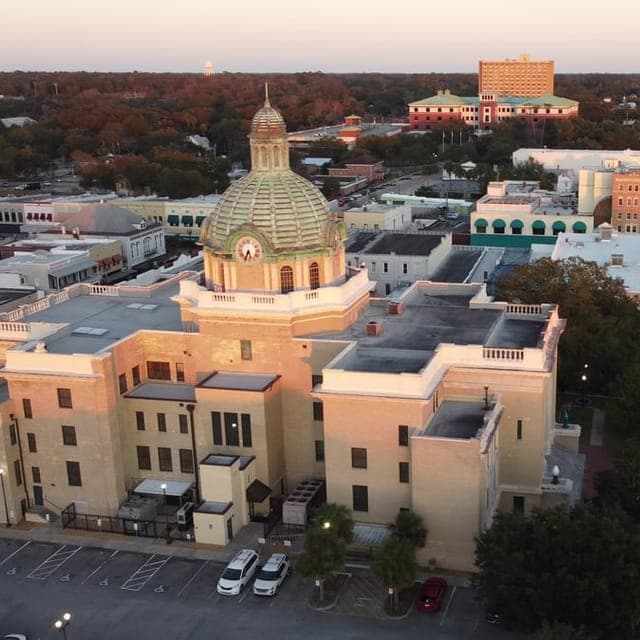
- Pro: Authentic historic character. The downtown district is on the National Register of Historic Places, with restored 1920s storefronts and a walkable grid that feels nothing like the generic sprawl of nearby Lake Mary or Altamonte Springs.
- Pro: Water access. Lake Monroe, the St. Johns River, and the marina make boating, fishing, and kayaking a daily option for many residents, not just a weekend trip.
- Pro: Lower home prices. You can still buy a fixer-upper bungalow in the historic district for under $300,000, which is nearly impossible in most of Seminole County.
- Con: Crime is a real concern. The violent crime rate of 530.2 per 100,000 residents is roughly double the national average, and it’s concentrated in specific neighborhoods — especially around the 17-92 corridor and parts of the Goldsboro area. Property crime is also above average, so car break-ins and package thefts are common complaints.
- Con: Schools are uneven. Seminole County Public Schools are generally well-regarded, but Sanford’s zoned schools vary widely. Bentley Elementary and Sanford Middle School have mixed ratings, while Millennium Middle School and Seminole High are stronger options. Many families factor school zones heavily into their home search.
- Con: Summer heat and humidity. From June through September, outdoor activities are effectively limited to early morning or after sunset. The afternoon thunderstorms are reliable enough to set your watch by, and the mosquito population is aggressive near any standing water.
The Cultural Quirks That Define Sanford
Sanford has a subtle but persistent identity as a “comeback town.” It was hit hard by the closure of the Naval Air Station in the 1990s and the 2008 recession, and there’s a palpable pride in the revival of downtown — the kind of place where locals will tell you, “You should have seen it ten years ago.” The city also has a notable historic Black community in the Goldsboro and Georgetown neighborhoods, with the Sanford Museum offering exhibits on the area’s citrus and celery farming past. One quirk you’ll notice: people here are fiercely loyal to Hollerbach’s Willow Tree Cafe, a German restaurant that feels completely out of place in subtropical Florida but has been a downtown anchor for over 20 years. The annual Sanford German American Festival draws thousands, and the restaurant’s outdoor biergarten is packed every weekend. It’s that kind of place — a little odd, a little stubborn, and proud of it.

Similar small cities to Sanford
* Values derived from national, state, county, city and local statistics and may differ in a specific area. Last updated: 2026-10-15T16:18:29.000Z
Narrative content on this page is AI-generated and may contain mistakes. Verify any details that matter before acting on them.
ReloMaps may earn a commission from affiliate links at no extra cost to you.

