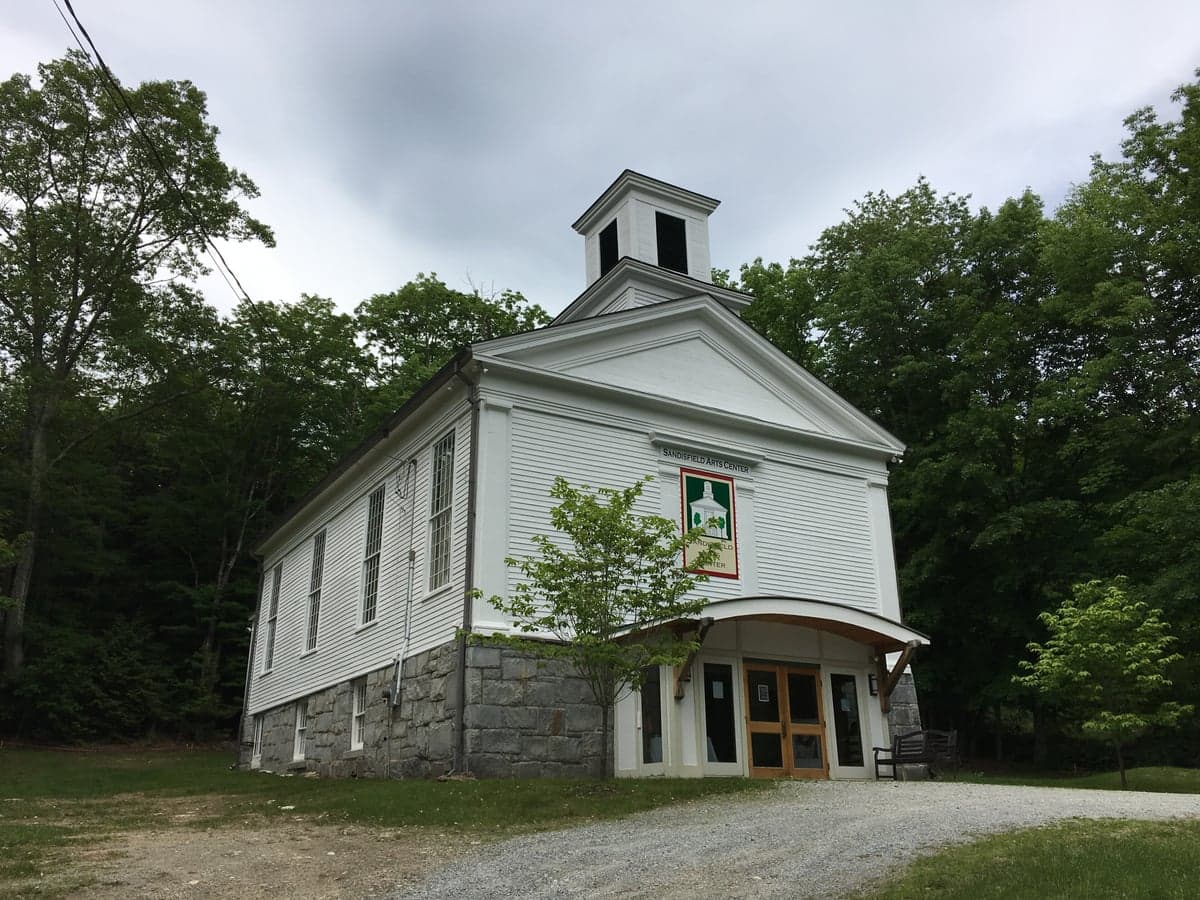
Photo: Wikipedia
Quality of Life in Sandisfield, MA
Above-average quality of iife. The area offers a reasonable cost of living, decent mobility, and a mix of neighborhood amenities.
What does Quality of Life tell us?
Quality of Life blends cost of living, nearby amenities, socioeconomic signals, and neighborhood character. City-level scores represent the whole municipality; individual neighborhoods can differ.
What does this tell us?
Quality of Life blends cost of living, nearby amenities, socioeconomic signals, and neighborhood character. City-level scores represent the whole municipality; individual neighborhoods can differ.
Cost of Living
30% above national average
The Real Cost of Living in Sandisfield, MA for 2026
| Tier | Individual | Family (4) |
|---|---|---|
| Survival | $24k | $46k |
| Comfortable | $71k | $104k |
| Luxury | $173k+ | $269k+ |
| Elite (Top 5%) | $204k+ | $316k+ |
97%
The Area Signal
A metric tracking the socioeconomic signals of the area.
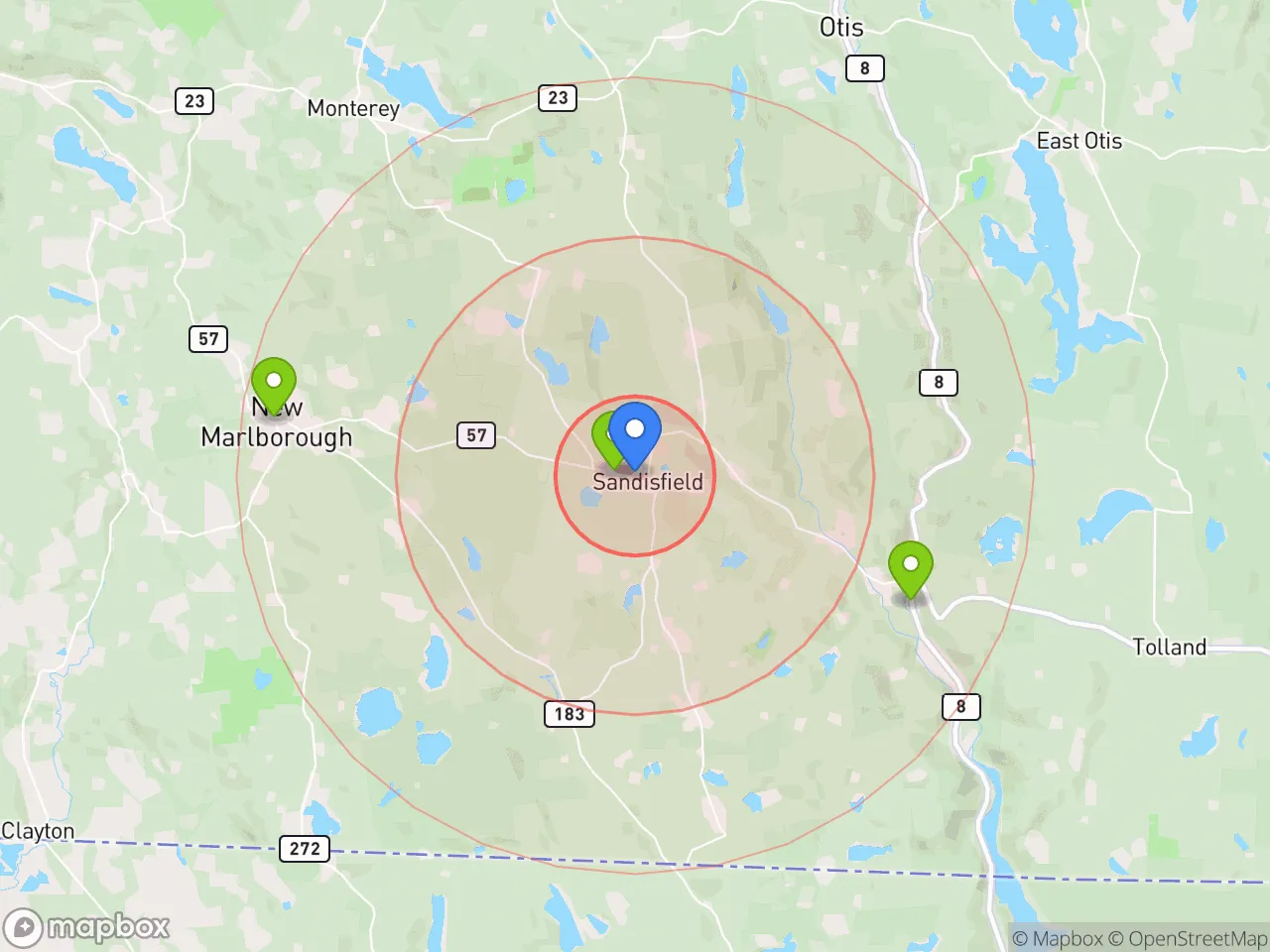
Hobbies
Explore the areaGroceries
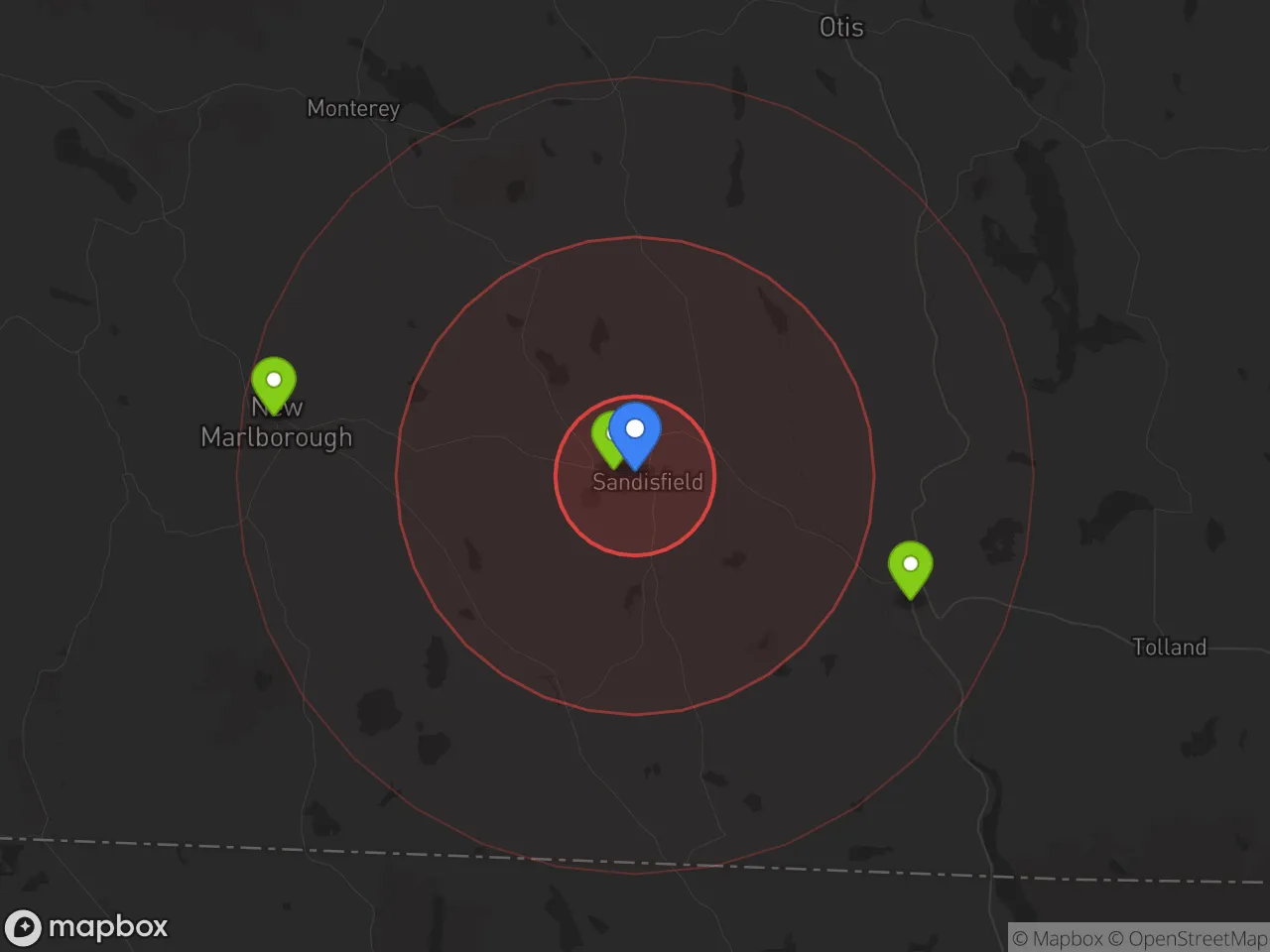
0 within 10 miles
Gas
0 within 10 miles
Hospital
0 within 20 miles
Airport
JFK — John F. Kennedy International
Post Office
Critical Amenities
Quality-of-Life Analysis
Sandisfield, Massachusetts, is a rural Berkshire County town where quality of life is defined by quiet seclusion and a notably high cost of living. With a cost of living index of 130 (30% above the U.S. average), the area attracts a mix of second-home owners, retirees, and remote workers who prioritize space and natural beauty over urban convenience. The population hovers around 900, creating a tight-knit community where privacy is valued and commercial bustle is virtually nonexistent.
Cost of living, housing affordability, and how Sandisfield compares to nearby towns
Sandisfield’s housing market reflects its exclusivity. The median home value stands at $364,200, significantly higher than the national median but below the Massachusetts state average of roughly $500,000. Renters face a median monthly rent of $1,518, which is steep for a town with no major employment centers. Compared to nearby Great Barrington (median home value ~$450,000) or Sheffield (~$380,000), Sandisfield offers slightly more land per dollar, but the trade-off is isolation. The average commute of 33.2 minutes is longer than the national average of 26 minutes, driven by residents traveling to jobs in Great Barrington, Pittsfield, or even Hartford, CT (about 50 minutes south). Property taxes in Sandisfield are around 1.2% of assessed value, moderate for Massachusetts, but the lack of rental inventory means most newcomers must buy. For those accustomed to suburban amenities, the sticker shock comes not just from housing but from limited local services—groceries and dining require a 15–20 minute drive.
What daily life is like: amenities, schools, and the local rhythm
Daily life in Sandisfield revolves around outdoor recreation and self-sufficiency. The town has no downtown, no traffic lights, and only a handful of small businesses—a general store, a post office, and a town hall. Residents rely on the nearby towns of Otis (5 miles) and Great Barrington (12 miles) for groceries, pharmacies, and dining. The Sandisfield State Forest offers 5,000 acres of hiking, hunting, and snowmobiling, while the Clarksburg State Forest and Bash Bish Falls are within a 30-minute drive. Schools are a key consideration: the town is served by the Farmington River Regional School District, which includes Sandisfield Elementary (grades K–6) and then sends students to Mount Everett Regional High School in Sheffield. The district’s student-teacher ratio is about 12:1, but test scores lag behind state averages—a common trade-off in rural Massachusetts. For culture, residents drive to Great Barrington’s Mahaiwe Performing Arts Center or Tanglewood in Lenox (40 minutes). The rhythm is slow: weekends are for yard work, local potlucks at the town hall, and seasonal events like the Sandisfield Summer Festival.
Sandisfield is best suited for those who value solitude, land, and a slower pace over convenience and social density. Retirees seeking a quiet second home, remote workers with stable internet (Starlink is common here), and families willing to commute for jobs and activities will find the town rewarding. It is not a fit for anyone needing walkable amenities, diverse dining, or a short commute. For the right person, the trade-off of a 33-minute drive to work and a 20-minute drive to a grocery store is a small price for 360-degree forest views and a property tax bill that stays manageable.

Crime in Sandisfield, MA
Generally safer than 66% of comparable U.S. locations.
Violent CrimeViolent Crime Analysis
Property CrimeProperty Crime Analysis
Crime Analysis
Sandisfield, Massachusetts, is a small, rural town in the Berkshires with a crime profile that warrants careful attention. The town's violent crime rate stands at 300.4 incidents per 100,000 residents, and its property crime rate is 1,034.3 per 100,000. While these figures may appear moderate in a national context, they must be weighed against the reality that Sandisfield is part of a broader Western Massachusetts region influenced by progressive judicial policies that can prioritize offender rehabilitation over public safety, potentially leading to higher recidivism and a greater number of criminals on the street.
Crime in context
Sandisfield's violent crime rate of 300.4 per 100,000 is roughly in line with the Massachusetts state average, but it is significantly lower than the national average of approximately 380 per 100,000. However, this comparison is misleading. The state's overall crime statistics are pulled down by affluent, low-crime suburbs in eastern Massachusetts. In Western Massachusetts, where district attorneys and judges often embrace progressive, rehabilitative approaches, property crime rates like Sandisfield's 1,034.3 per 100,000 are a more telling indicator. This rate is notably higher than the national property crime average of roughly 1,950 per 100,000, but it reflects a persistent problem with theft, burglary, and vandalism that is exacerbated when lenient sentencing puts repeat offenders back on the streets quickly.
What residents experience
For those living in Sandisfield, the most tangible safety concern is property crime. The town's rural character means homes and outbuildings are often isolated, making them attractive targets for burglary and theft, particularly of vehicles, tools, and recreational equipment. The violent crime rate, while not negligible, is less of a daily worry for most residents, though it does include incidents of assault that can stem from domestic disputes or altercations. The broader context is critical: the progressive ideology in the Berkshire County justice system, while sympathetic to offenders, directly contributes to a revolving-door effect. Criminals arrested in Sandisfield may face reduced charges, diversion programs, or short sentences, which means they are back in the community—and potentially reoffending—sooner than in jurisdictions with tougher, victim-centered approaches.
Neighborhood-level variation
Crime in Sandisfield is not evenly distributed. The more remote, sparsely populated areas along Route 57 and near the Tolland state line experience fewer incidents overall, but when crime does occur, it is often property-related and harder to police due to long response times. The village center around the Town Hall and the Sandisfield State Forest access points sees slightly more activity, including occasional vandalism and theft from parked cars. There are no distinct "high-crime" neighborhoods in the traditional urban sense, but the town's isolation means that any criminal element—especially those cycling through the justice system—can affect the entire community. Residents should be aware that the progressive judicial environment in the region does not prioritize public safety, and this reality makes proactive measures like home security systems and neighborhood watch programs essential for protecting property and peace of mind.
* Values derived from national, state, county, city and local statistics and may differ in a specific area. Last updated: 2026-10-20T07:51:46.000Z
Narrative content on this page is AI-generated and may contain mistakes. Verify any details that matter before acting on them.
ReloMaps may earn a commission from affiliate links at no extra cost to you.

